Table of Contents >> Show >> Hide
- Why Bloating Happens After Eating
- 10 Foods That Commonly Cause Bloating (and What to Eat Instead)
- 1) Beans and Lentils
- 2) Cruciferous Vegetables (Broccoli, Cauliflower, Brussels Sprouts, Cabbage)
- 3) Onions and Garlic (Yes, the Flavor MVPs)
- 4) Milk, Ice Cream, and Other Lactose-Heavy Dairy
- 5) Wheat, Rye, and Barley (Bread, Pasta, Crackers)
- 6) Bran Cereal, Fiber Bars, and “Fiber Bomb” Foods
- 7) Apples, Pears, and Other High-Fructose Fruits
- 8) Sugar-Free Gum, Candy, and “No Sugar Added” Treats
- 9) Carbonated Drinks (Soda, Sparkling Water, Fizzy Everything)
- 10) Salty, Greasy Ultra-Processed Foods (Chips, Fast Food, Frozen Meals)
- How to Reduce Bloating Without Turning Into a Food Detective Full-Time
- Real-World Experiences With Bloating (and What People Commonly Learn)
- Conclusion
Bloating is that awkward moment when your stomach feels like it’s trying to audition for a balloon-animal festival.
Sometimes it’s gas. Sometimes it’s water retention. Sometimes it’s just your digestive system saying,
“Interesting choice, bestie.” The good news: you don’t have to banish flavor or live on plain chicken and rice.
You just need to know which common foods are most likely to trigger bloating for a lot of peopleand what to swap in.
This guide breaks down 10 foods that often cause bloating, why they do it, and realistic alternatives you can enjoy
without feeling like you swallowed a beach ball. (No judgment if you did. We’ve all had a “why did I do that” meal.)
Why Bloating Happens After Eating
Bloating usually comes down to a few repeat offenders:
fermentation (gut bacteria breaking down certain carbs and making gas),
poor absorption of certain sugars (which can pull water into the gut),
swallowed air (hello, chugging drinks),
and water retention (often from salty foods).
Different people have different triggersso the same “healthy” food can be totally fine for your friend and a disaster for you.
One big concept you’ll see a lot is FODMAPsfermentable carbs that can cause gas, bloating, and discomfort in sensitive people.
You don’t need to memorize the acronym to benefit from it. Think of FODMAPs as “carbs that are awesome in theory and dramatic in practice.”
10 Foods That Commonly Cause Bloating (and What to Eat Instead)
Quick note before we get into the list: none of these foods are “bad.”
Many are nutritious. The goal is to help you identify patterns and choose smarter options when bloating is ruining your day.
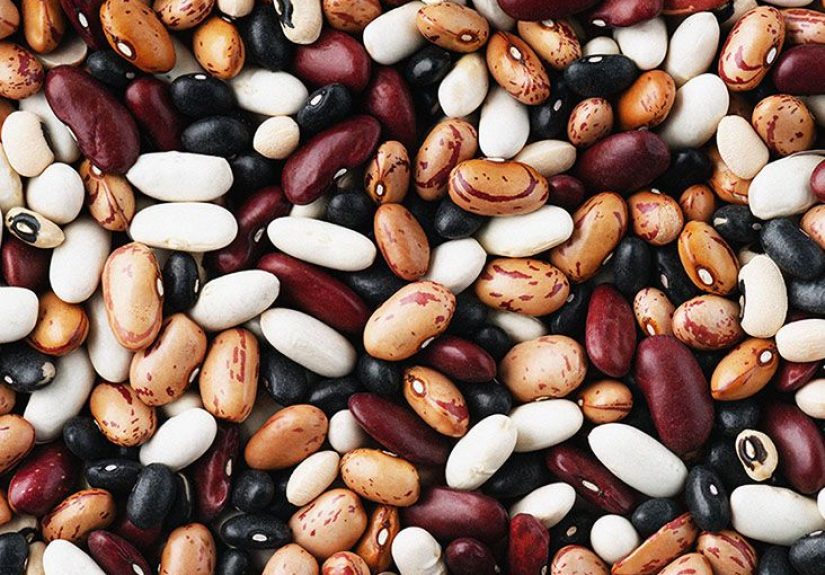
1) Beans and Lentils
Beans and lentils are packed with fiber and plant proteinalso known as “the stuff your gut bacteria throw a party for.”
They contain certain carbohydrates that are harder to digest, which can lead to gas and bloating when they ferment in the large intestine.
- Try instead: Firm tofu, tempeh, eggs, fish, chicken, or quinoa for protein.
- Gentler approach: Use canned beans (rinsed well), start with smaller portions, and increase gradually.
- Kitchen trick: If you cook dried beans, soak them and rinse before cooking to reduce gas-causing compounds.
2) Cruciferous Vegetables (Broccoli, Cauliflower, Brussels Sprouts, Cabbage)
These veggies are nutritional overachieversfiber, vitamins, and compounds your body loves.
But they can also contain sugars that ferment, plus lots of fiber that can be tough if your gut is sensitive or you suddenly increase your intake.
- Try instead: Zucchini, carrots, spinach, bell peppers, cucumbers, green beans, or roasted eggplant.
- Make it easier: Eat them cooked (steamed/roasted) instead of raw; cooked veggies are often gentler.
- Portion hack: Have a smaller serving and pair with easier-to-digest sides.
3) Onions and Garlic (Yes, the Flavor MVPs)
Onions and garlic are common bloating triggers because they’re high in fructans (a type of fermentable carbohydrate).
Translation: your gut bacteria love them, and sometimes they love them loudly.
- Try instead: Chives, scallion green tops, garlic-infused oil (flavor without the fructans), or asafoetida (hing) in tiny amounts.
- Restaurant strategy: Choose simpler dishes, request “light onion/garlic,” or go for herb-forward flavors (basil, thyme, rosemary, lemon).
4) Milk, Ice Cream, and Other Lactose-Heavy Dairy
If you’re lactose intolerant (even mildly), dairy can cause bloating, gas, cramps, and bathroom drama.
Lactose is the sugar in milk, and some people don’t make enough lactase (the enzyme needed to digest it).
- Try instead: Lactose-free milk, plant milks (almond, soy, oat), or small amounts of hard cheeses (often lower in lactose).
- Smarter dairy pick: Some people tolerate yogurt better than milk, but it variesyour gut makes the final call.
- Label tip: Watch for “whey,” “milk solids,” and other hidden lactose in processed foods.
5) Wheat, Rye, and Barley (Bread, Pasta, Crackers)
For many people, bloating after wheat isn’t about glutenit’s about fructans (another FODMAP).
For others, gluten sensitivity or celiac disease may be the issue.
Either way, wheat-based staples can be a top bloating trigger.
- Try instead: Rice, oats, quinoa, corn tortillas, potatoes, or gluten-free bread/pasta (choose ones you tolerate well).
- Option to test: Sourdough bread may be easier for some people because fermentation can reduce certain carbsresults vary.
- Important: If you suspect celiac disease, talk to a clinician before cutting gluten so testing is accurate.
6) Bran Cereal, Fiber Bars, and “Fiber Bomb” Foods
Fiber is greatuntil you go from “some fiber” to “I am now 80% bran.”
Adding too much fiber too quickly can lead to gas and bloating because your gut bacteria need time to adapt.
Some fiber bars also contain inulin/chicory root or sugar alcohols, which can double the drama.
- Try instead: Rolled oats, chia pudding (start small), berries, or cooked vegetables.
- Gentler upgrade: Increase fiber gradually and drink water so fiber can do its job without turning your gut into a traffic jam.
- Ingredient check: If a “healthy” snack has inulin/chicory root and you’re bloated, it might be the culprit.
7) Apples, Pears, and Other High-Fructose Fruits
Fruit is healthy, but some fruits are more likely to cause bloating because of fructose content and certain polyols.
Apples and pears are frequent offenders in sensitive people, especially in larger servings or as juice.
- Try instead: Berries, oranges, mandarins, grapes, kiwi, or a ripe banana.
- Portion trick: A smaller serving may be finebloating often depends on dose, not just the food.
- Juice reality: Juice can be easier to overdo because it’s concentrated and lacks the “slow down” effect of chewing.
8) Sugar-Free Gum, Candy, and “No Sugar Added” Treats
Sugar-free doesn’t mean trouble-free. Many sugar-free products use sugar alcohols (polyols) like sorbitol, xylitol, and mannitol.
These can be poorly absorbed and fermentedhello, gas and bloating.
Also, chewing gum can make you swallow extra air, which is not a cute accessory.
- Try instead: Regular gum occasionally, mint tea, or mints sweetened without polyols (check labels).
- Label words to watch: “sorbitol,” “xylitol,” “mannitol,” “maltitol,” and “isomalt.”
- Reality check: If a snack ends in “-itol,” your stomach may end in “why.”
9) Carbonated Drinks (Soda, Sparkling Water, Fizzy Everything)
Carbonation literally adds gas. For some people, it’s fine. For others, fizzy drinks make bloating almost immediate,
especially if you drink fast or pair carbonation with a large meal.
- Try instead: Still water, iced herbal tea, ginger tea, or peppermint tea after meals.
- Reduce the impact: Sip slowly and keep portions smaller (a full bottle of bubbles can be a lot of bubbles).
10) Salty, Greasy Ultra-Processed Foods (Chips, Fast Food, Frozen Meals)
This category is a one-two punch:
sodium can cause water retention (that puffy, swollen feeling),
and high-fat foods can slow digestionmeaning food sits around longer, which can increase discomfort and bloating.
Add large portions and eating quickly, and your stomach is basically filing a complaint.
- Try instead: A home-style plate: grilled or baked protein, rice or potatoes, and cooked veggies.
- Snack swap: Popcorn (lightly salted), rice cakes with peanut butter, or yogurt (if tolerated) with berries.
- Make fast food friendlier: Smaller portion, skip extra salty sides, and add a non-carbonated drink.
How to Reduce Bloating Without Turning Into a Food Detective Full-Time
You don’t need a lab coat to figure out what’s going onjust a few practical habits that make patterns easier to spot.
- Keep a simple food-and-feel log for 1–2 weeks: Note meals and symptoms. Patterns show up fast.
- Slow down while eating: Eating fast can increase swallowed air and make bloating feel worse.
- Go easy on “sudden fiber upgrades”: Increase fiber gradually and drink water.
- Try smaller portions of trigger foods: Sometimes it’s the amount, not the existence of the food.
- Move a little after meals: A gentle walk can help digestion feel less sluggish.
- Consider a short-term low-FODMAP approach with guidance: If bloating is frequent, a dietitian can help you test triggers safely.
Also: if bloating is severe, persistent, or comes with red flags like unexplained weight loss, blood in stool,
ongoing vomiting, fever, or significant paindon’t DIY it. Get checked by a healthcare professional.
Real-World Experiences With Bloating (and What People Commonly Learn)
Let’s talk about what bloating looks like in real lifebecause it’s rarely as simple as “I ate broccoli, therefore I am doomed.”
Below are experiences people commonly report, plus the “ohhhh, that makes sense” moment that often follows.
(These examples are educational and not a diagnosisjust relatable patterns.)
The “Healthy Salad” That Backfires
Someone decides to be a wellness icon and orders a giant salad loaded with raw broccoli, cauliflower, onions, chickpeas,
and a side of sparkling water. Two hours later, they feel uncomfortably full and tight in the abdomenlike the salad expanded
into a second salad. A common lesson: raw cruciferous vegetables + legumes + onions is basically a FODMAP fan club meeting.
Many people find that switching to cooked vegetables, using a smaller portion of beans,
and skipping the carbonation helps a lotwithout giving up vegetables entirely.
The “Sugar-Free” Phase
Another classic: someone tries to cut sugar and starts leaning on sugar-free gum, candy, protein bars, and “keto” snacks.
They’re proud. Their stomach is not. Polyols (sugar alcohols) can be tough to absorb, and chewing gum can increase swallowed air.
The realization usually lands when they read ingredients and see “sorbitol” or “xylitol” everywhere.
A simple experimentditching polyols for a weekoften makes the cause-and-effect obvious.
The Dairy Mystery
Some people don’t think of themselves as lactose intolerant because they don’t get dramatic symptoms every single time.
Instead, they notice a pattern: certain lattes, ice cream, or big cheesy meals lead to bloating and gas later.
The “aha” moment happens when they try lactose-free milk or switch to a plant milk and feel noticeably better.
What’s sneaky here is dose: a small amount of dairy might be fine, but a large serving can tip symptoms over the edge.
The Bread-and-Pasta Pattern
Someone notices they feel “puffy” after sandwiches, pasta, or crackersespecially when stress is high and meals are rushed.
They assume gluten is the villain, but sometimes it’s the wheat fructans (or simply portion size + speed + stress).
People often learn that swapping some meals to rice, oats, potatoes, or quinoaand eating more slowlyreduces bloating.
If celiac disease is a concern, the best move is testing with a clinician before going fully gluten-free.
The “Why Am I Bloated After Takeout?” Question
This one is almost unfair because it feels so randomuntil you look at the usual takeout lineup: salty sauces,
fried sides, big portions, and a carbonated drink. Sodium can cause water retention, and high-fat meals can slow digestion,
creating that heavy, swollen sensation. Many people find that a few tweaks make takeout friendlier:
choosing grilled options, splitting portions, adding a cooked veggie side, and switching to still water.
It’s not about perfectionit’s about not feeling like your stomach needs its own ZIP code.
The big takeaway from these experiences is that bloating is often a pattern problem, not a single-food curse.
Once you spot your most common triggerswhether that’s onions, lactose, sugar alcohols, or the “fiber went from 5 to 50 overnight” situation
you can build meals that feel good and taste good. Your gut doesn’t need you to be boring. It just needs you to be strategic.
Conclusion
If bloating keeps showing up like an uninvited guest, don’t panicand don’t assume you have to eliminate everything you love.
Start with the most common culprits: beans and lentils, cruciferous veggies, onions and garlic, lactose-heavy dairy,
wheat-based foods, fiber-bomb snacks, certain fruits, sugar alcohols, carbonated drinks, and salty/greasy processed foods.
Swap in gentler alternatives, adjust portions, eat a little slower, and increase fiber gradually.
If symptoms are intense or persistent, looping in a healthcare professional or registered dietitian can help you get answers faster.