Table of Contents >> Show >> Hide
- What Does It Mean to Compartmentalize?
- Why Learning How to Compartmentalize Matters
- Healthy Compartmentalization vs. Emotional Avoidance
- How to Compartmentalize in a Healthy Way
- Examples of Healthy Compartmentalization
- Signs You May Be Overdoing It
- When to Seek Extra Help
- Conclusion
- Experiences Related to “How to Compartmentalize”
Some days, life feels like a browser with 47 tabs open, two of them blaring music, and one mysteriously frozen. Work is yelling. Family needs attention. Your inbox is multiplying like rabbits. Meanwhile, your brain is trying to think deep thoughts while also remembering whether you paid the electric bill. That is exactly where compartmentalization can be useful.
At its healthiest, compartmentalizing means temporarily placing thoughts, emotions, or responsibilities into separate mental “containers” so you can focus on what matters right now without getting steamrolled by everything else at once. It is not denial. It is not pretending problems do not exist. It is not shoving your feelings into a basement and hoping they learn to entertain themselves. It is a practical, intentional skill that helps you stay functional under pressure and return to difficult emotions when you actually have the time, space, and energy to deal with them well.
If you have ever pushed through a stressful work meeting and cried later in the car, postponed a family conflict until after your child’s recital, or decided, “I cannot think about this until tomorrow at 7 p.m.,” then congratulations: you have already flirted with compartmentalization. The goal is to do it on purpose, in a healthy way, and without turning yourself into an emotional storage unit.
What Does It Mean to Compartmentalize?
Compartmentalization is the ability to mentally separate competing thoughts, emotions, or roles so they do not all crash into each other at once. Think of it as organizing your inner world into labeled folders instead of tossing everything into one chaotic junk drawer. You are still acknowledging reality. You are just choosing the right time and place to deal with each part of it.
For example, imagine you are going through a breakup while leading a major presentation at work. Healthy compartmentalization sounds like this: I am upset, and this matters. But for the next hour, I need to focus on this presentation. I will come back to my feelings afterward. That is very different from saying, I am fine, nothing is wrong, emotions are for the weak, and I shall now become a spreadsheet.
In psychology, compartmentalization is often described as a defense mechanism. That sounds dramatic, but it does not have to be unhealthy. Used briefly and intentionally, it can help reduce overwhelm, improve focus, and keep one stressful area of life from spilling into every other area. Used too often or too rigidly, however, it can create emotional distance, numbness, and unresolved stress that eventually leaks out anyway, usually at an inconvenient time.
Why Learning How to Compartmentalize Matters
Modern life rewards attention and punishes distraction. That does not mean you should become a robot with a standing desk and no feelings. It means you need tools that help you function when multiple demands compete for space in your head.
Healthy compartmentalization can help you protect your focus, especially during high-pressure moments. It can reduce emotional spillover, so a bad morning does not automatically ruin your entire day. It can also support boundaries, which matter a lot in a world where work emails show up at dinner and social media can dump global tragedy into your brain before you have even had coffee.
In practical terms, compartmentalization helps you stay present. When you are at work, you can work. When you are with your family, you can be with your family. When you are finally alone and ready to process what hurt, scared, or frustrated you, you can actually do that instead of carrying a low-grade emotional storm from room to room.
Healthy Compartmentalization vs. Emotional Avoidance
This is the big distinction. Healthy compartmentalization is temporary and intentional. Avoidance is ongoing and evasive. One says, “Not now, but later.” The other says, “Not now, not later, not ever, and please do not make eye contact with my feelings.”
Healthy compartmentalization has a return plan. You pause your emotions or worries because you need to function, then you come back to them when you can journal, talk, reflect, pray, rest, or speak with a therapist. Avoidance has no return plan. It keeps pushing the issue down the road until the issue starts driving the car.
If your version of compartmentalizing leaves you calm, clear, and able to process later, it is probably helping. If it leaves you numb, irritable, disconnected, or strangely furious at a printer for existing, you may be suppressing more than you realize.
How to Compartmentalize in a Healthy Way
1. Name What Is Happening
You cannot organize what you refuse to identify. Before you compartmentalize, pause long enough to label the issue. Is this sadness? Anger? Anxiety? A conflict with your boss? Fear about money? Grief? Embarrassment because you replied-all to something that definitely should not have been a reply-all?
When you name the experience, you reduce its power to flood your nervous system. A simple sentence works: I am anxious about tomorrow’s medical appointment or I am still upset about that conversation with my partner. Naming it does not solve it, but it turns a vague emotional fog into something your brain can handle more clearly.
2. Decide What Needs Attention Now and What Can Wait
Compartmentalization works best when you sort by urgency. Ask yourself two questions: What requires my attention right now? and What deserves attention later? That second question matters because your emotions still deserve airtime. They are just not always scheduled for prime time.
Maybe your child needs help with homework now, but your conflict with a friend can wait until tonight. Maybe the deadline is today, but the existential crisis about your career deserves a longer walk on Saturday. Prioritizing does not mean minimizing. It means sequencing.
3. Create a Mental Container
Some people visualize a box, folder, shelf, or locked drawer. Others use a note in their phone, a sticky note, or a journal entry titled Deal With This Later, Seriously. The format does not matter. The point is to give your brain a concrete way to pause the issue instead of mentally wrestling it every five minutes.
You might say, I am placing this concern in my 8 p.m. journal session or I am putting this conversation in tomorrow’s therapy appointment. The more specific the container, the easier it is for your mind to let go for now.
4. Use Transition Rituals
Your brain does not always switch modes gracefully. That is why transition rituals are so helpful. They tell your nervous system, We are leaving one role and entering another.
Simple rituals work surprisingly well: closing your laptop and taking three deep breaths, changing clothes after work, listening to the same song on the drive home, taking a short walk before entering the house, or writing tomorrow’s to-do list before bed. These rituals create psychological boundaries, and your brain loves boundaries more than it admits.
5. Regulate Your Body First
If your body is panicking, your mind will not compartmentalize very well. Stress lives in the body, not just in your thoughts. That is why grounding techniques, slow breathing, stretching, exercise, and mindfulness can be useful before you try to focus.
You do not need an elaborate wellness routine involving candles, twelve crystals, and a playlist called Inner Peace but Make It Productive. Sometimes it is enough to take five slow breaths, drink water, unclench your jaw, and plant both feet on the floor. Regulation creates enough space for choice.
6. Set Real Boundaries
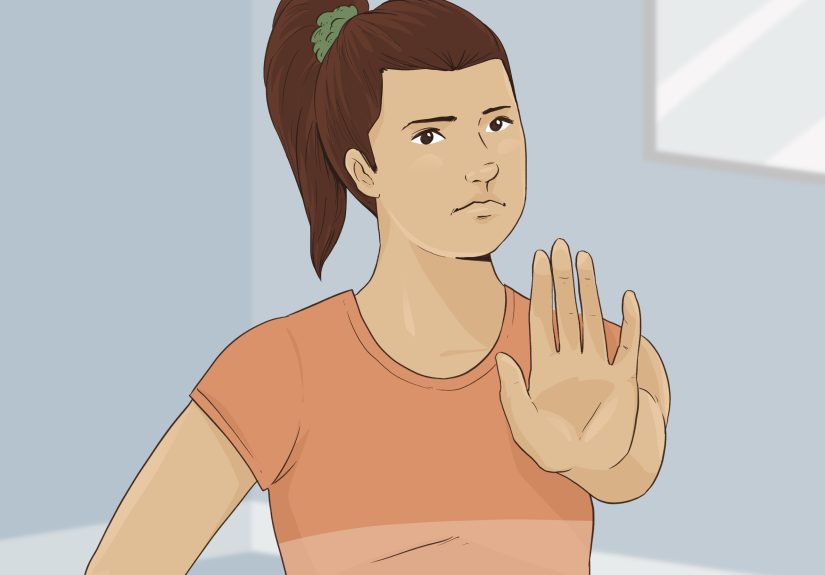
Compartmentalization is much easier when your life has actual boundaries. If work texts arrive at midnight, if you say yes to everything, or if you never get time alone to process what you feel, your compartments will start leaking.
Boundaries can be simple and firm: no checking email after a certain hour, no discussing work during dinner, scheduling time to process a hard event, or limiting constant exposure to distressing news. Boundaries are not selfish. They are structural support for your mental health.
7. Schedule a Return Time
This is the step people skip, and then they wonder why their feelings come back at 2:13 a.m. with a megaphone. If you compartmentalize something difficult, decide when you will return to it. That could be tonight, this weekend, or in your next therapy session.
You can say, I will think about this from 7:30 to 8:00 tonight or I will bring this up with my counselor on Thursday. When your brain trusts that the issue is not being abandoned, it is more willing to set it aside for the moment.
8. Process, Do Not Just Postpone
Healthy compartmentalization always includes processing. That might look like journaling, prayer, talking with a trusted friend, going to therapy, taking a walk without your phone, or reflecting on what triggered you and why. The processing part is where growth happens. The compartment is just the waiting room.
Ask yourself: What was I feeling? What story was I telling myself? What do I need now? Is there an action I need to take, or do I simply need to feel what I feel? Sometimes the answer is a tough conversation. Sometimes it is rest. Sometimes it is both.
Examples of Healthy Compartmentalization
At work: You are upset after a disagreement with your partner, but you have a client call in 10 minutes. You acknowledge the emotion, write one sentence in your notes app to revisit later, take a few breaths, and focus on the call.
At home: Work was chaotic, but your family deserves your attention. Before walking in, you sit in the car for two minutes, breathe, and tell yourself that work will still be there tomorrow. Tonight, your job is dinner and real conversation.
During caregiving or crisis: When someone you love is sick or in trouble, you may need to function first and feel later. This is a classic moment for healthy compartmentalization. You handle logistics, communicate clearly, and return to your own emotional response when the immediate emergency has passed.
With world events: It is possible to care deeply without consuming every distressing headline all day. You can stay informed and still decide that now is not the time to scroll through upsetting news. That is not apathy. That is emotional pacing.
Signs You May Be Overdoing It
Compartmentalization becomes a problem when it turns into chronic disconnection. Watch for signs like emotional numbness, trouble accessing your feelings, irritability that seems to come out of nowhere, sleep problems, constant tension, difficulty being present in relationships, or a sense that you are always “on” but never truly okay.
If you only know how to function and not how to feel, that is not resilience. That is exhaustion wearing a nice blazer. Likewise, if compartmentalizing becomes your default response to trauma, grief, or major conflict, it may be worth getting professional support.
When to Seek Extra Help
If you feel detached from yourself, overwhelmed by stress, stuck in survival mode, or unable to return to painful emotions without spiraling, a licensed mental health professional can help. Therapy can be especially useful if compartmentalization is tied to trauma, chronic anxiety, burnout, or long-standing patterns of emotional suppression.
There is no prize for handling everything alone. There is also no gold medal for pretending your nervous system is fine when it is clearly filing complaints. Support can help you build healthier coping skills, stronger boundaries, and better emotional regulation so you do not have to choose between being productive and being human.
Conclusion
Learning how to compartmentalize is really about learning how to stay present without abandoning yourself. It is the art of saying, This matters, but this is not the moment. When done well, compartmentalization helps you focus, protect your relationships, and move through stressful situations with more steadiness and less emotional chaos.
But the real magic is not in putting feelings away. It is in putting them away temporarily and then coming back to them with honesty, care, and enough space to deal with them well. That is the difference between emotional maturity and emotional traffic congestion. One creates clarity. The other creates a pileup.
So if your mind has been feeling crowded, try this: name the issue, choose the moment, create a container, regulate your body, and promise yourself a return time. You do not need to carry every thought into every room. Sometimes the healthiest thing you can do is set something down, handle what is in front of you, and return to the rest when you are ready.
Experiences Related to “How to Compartmentalize”
One of the most common experiences people describe is the feeling of wearing different hats all day and not knowing how to take any of them off. A manager leaves a stressful meeting, drives home, and realizes the meeting is still happening in their head during dinner. A parent gets an email from work during a child’s soccer game and suddenly misses half the game while mentally drafting replies. A college student tries to study while replaying an argument with a friend and ends up reading the same paragraph six times like it is a legal curse. In each case, the problem is not that the person cares too much. The problem is that one part of life is bleeding into another without permission.
Another common experience happens during crisis. Someone gets a scary call about a family emergency and instantly becomes calm, focused, and practical. They make appointments, send texts, drive where they need to drive, and answer questions like a champion. Then two days later, after everything quiets down, they cry in the grocery store because the cereal aisle played the wrong song. That delayed emotional reaction can feel strange, but it is often a sign that the person compartmentalized to survive the urgent moment and only later had enough safety to feel the full weight of it.
People also talk about workplace compartmentalization as both a superpower and a trap. It can be helpful to set aside personal stress during a presentation, a classroom lesson, a patient interaction, or a negotiation. But when people keep doing that day after day without any emotional processing, they often report burnout, numbness, or sudden outbursts over small things. The forgotten lunch, the slow Wi-Fi, the colleague who says “per my last email” one too many times. Tiny triggers become the final straw because the larger emotions were never actually addressed.
There are positive experiences, too. Many people find that once they start using deliberate rituals, life feels lighter. A short walk after work becomes a mental bridge. Writing worries in a notebook before bed helps the mind stop performing midnight theater. Turning off notifications during family time makes conversations feel real again. Scheduling a weekly check-in with yourself or a therapist can reduce the fear that emotions will take over, because you know they have a place to go.
Perhaps the most encouraging experience is this: healthy compartmentalization does not make people cold. It often makes them more available. When you are not dragging every worry into every moment, you can listen better, work better, rest better, and connect more honestly. You do not become less emotional. You become more intentional. And that, for most people, feels less like shutting down and more like finally breathing with the whole brain instead of just the panicked part.