Table of Contents >> Show >> Hide
- What Are Blackheads, Exactly?
- Why Blackheads Keep Coming Back
- Best Blackhead Removal Treatments That Actually Work
- 1. Salicylic Acid: The Classic Blackhead Fighter
- 2. Adapalene and Other Retinoids: The Long-Game MVP
- 3. Alpha Hydroxy Acids and Gentle Exfoliants
- 4. Azelaic Acid for Stubborn, Sensitive, or Uneven Skin
- 5. Clay Masks for Temporary Oil Control
- 6. Professional Extraction
- 7. Chemical Peels and Microdermabrasion
- What Usually Does Not Work Well
- A Simple Skin Care Routine for Blackheads
- How Long Does It Take to Get Rid of Blackheads?
- How to Prevent Blackheads From Coming Back
- When to See a Dermatologist
- Common Experiences People Have While Treating Blackheads
- Final Thoughts
Blackheads are one of those tiny skin annoyances that somehow manage to feel way bigger than they are. They camp out on your nose, chin, or forehead like they pay rent, and every magnifying mirror in the world seems personally invested in making them look dramatic. The good news? You do not need a ten-step ritual, a steel willpower challenge, or a vacuum-looking gadget from the internet to deal with them.
If you want to know how to get rid of blackheads, the answer is usually less about “ripping stuff out of your pores” and more about keeping those pores from clogging in the first place. The best blackhead removal treatments are the boring-but-effective kind: ingredients that dissolve buildup, speed up skin cell turnover, and stop fresh clogs from forming. Glamorous? Not exactly. Effective? Very much so.
This guide breaks down what blackheads are, what causes them, which blackhead treatments actually work, which trendy habits can backfire, and how to build a routine that helps without turning your face into a dry, angry tomato. Let’s talk pores.
What Are Blackheads, Exactly?
Blackheads are a type of acne called open comedones. They form when a pore gets clogged with oil, dead skin cells, and debris. Unlike whiteheads, which stay closed under the skin, blackheads are open at the surface. That open top is why they look dark.
And no, blackheads are not proof that your face is “dirty.” That myth has unfairly slandered many innocent noses. Blackheads are mostly about oil production, sticky skin cells, and clogged pores, not a failure to wash your face like a civilized human.
They tend to show up where oil glands are most active, especially on the nose, chin, forehead, chest, and back. Hormones, oily skin, heavy products, and inconsistent exfoliation can all make them more likely. Some people are just more prone to them because their pores clog more easily. Skin can be rude like that.
Why Blackheads Keep Coming Back
If you have ever removed blackheads only to see them return like an unwanted sequel, there is a reason. Blackheads are not a one-time event. They are part of an ongoing cycle.
Your skin is constantly shedding dead cells. Your oil glands are constantly making sebum. When those two things mingle inside a pore and do not exit politely, a clog forms. If the pore remains open, you get a blackhead. So while one extraction may clear what is already there, it does not fix the process that created the clog in the first place.
That is why the best treatment for blackheads is usually preventative, not just corrective. In other words, the goal is not only to remove what you can see today, but also to reduce the chances of tomorrow’s pore drama.
Best Blackhead Removal Treatments That Actually Work
1. Salicylic Acid: The Classic Blackhead Fighter
If blackheads had a natural enemy, it would be salicylic acid. This beta hydroxy acid is oil-soluble, which means it can get into pores and help break apart the mix of oil and dead skin cells that causes congestion. It also exfoliates the skin’s surface, which helps prevent fresh buildup.
That is why salicylic acid is one of the most recommended ingredients for treating blackheads. You will find it in cleansers, leave-on serums, pads, toners, and spot treatments. For most people, a gentle cleanser or leave-on treatment used consistently works better than going full “acid experiment” all at once.
If your skin is sensitive, start slow. A product once a day or a few times a week may be enough at first. More is not always better. Sometimes more is just flaking.
2. Adapalene and Other Retinoids: The Long-Game MVP
When dermatologists talk about comedonal acne, which includes blackheads and whiteheads, topical retinoids are often the star players. Retinoids help normalize skin cell turnover, which means fewer dead cells get trapped inside pores. They also help prevent microcomedones, the tiny clogged pores that eventually become visible blackheads.
Adapalene is a popular over-the-counter retinoid and one of the best blackhead treatments if you want something proven and widely available. It is not usually an overnight miracle. It is more of a “trust the process” ingredient. But with steady use, it can make a real difference in texture, congestion, and repeat breakouts.
There is a catch, because of course there is a catch. Retinoids can cause dryness, peeling, and irritation at the beginning. The fix is simple: use a pea-sized amount, apply it at night, start every other night if needed, and pair it with a gentle moisturizer. Your skin likes patience more than panic.
3. Alpha Hydroxy Acids and Gentle Exfoliants
Blackhead removal treatments do not have to begin and end with salicylic acid. Some people also benefit from alpha hydroxy acids, such as glycolic acid or lactic acid, which exfoliate the surface of the skin and help smooth rough texture. These can be useful if your skin feels dull, bumpy, or uneven in addition to being clogged.
That said, there is a difference between chemical exfoliation and aggressive scrubbing like you are sanding a deck. A gentle leave-on exfoliant can help. A harsh gritty scrub used with enthusiasm and regret can make your skin more irritated and inflamed.
4. Azelaic Acid for Stubborn, Sensitive, or Uneven Skin
Azelaic acid does not always get the loudest applause, but it deserves a seat at the table. It can help with clogged pores, acne, and post-inflammatory discoloration. That makes it especially interesting if your blackheads come with leftover marks or if your skin is too temperamental for stronger exfoliating products every day.
Think of azelaic acid as the quietly competent friend who never brags but always gets things done.
5. Clay Masks for Temporary Oil Control
Clay masks are not the ultimate cure for blackheads, but they can help absorb excess oil and make pores look cleaner for a while. They are most useful as a support act, not the headliner. If you enjoy using one once or twice a week, great. Just do not expect a single mask to erase weeks of clogged pores and emotional damage from close-up bathroom lighting.
6. Professional Extraction
When blackheads are stubborn, deeply packed, or just not responding to over-the-counter care, professional extraction can help. A dermatologist or licensed skin professional can remove blackheads using proper tools and technique. This is far safer than squeezing with fingernails in a mirror-fueled spiral at 11:48 p.m.
Extraction can improve how your skin looks right away, but it is usually not enough on its own. Without preventive treatment, blackheads often come back. Think of extraction as cleanup, not a permanent cure.
7. Chemical Peels and Microdermabrasion
For persistent congestion, some people benefit from in-office treatments like chemical peels or microdermabrasion. These treatments can help remove buildup, improve texture, and support clearer pores. They are best considered when a simple home routine is not cutting it, or when you want extra help from a dermatologist.
Not every face needs a procedure. But for some people, professional blackhead removal treatments make sense, especially when blackheads are widespread or paired with other acne issues.
What Usually Does Not Work Well
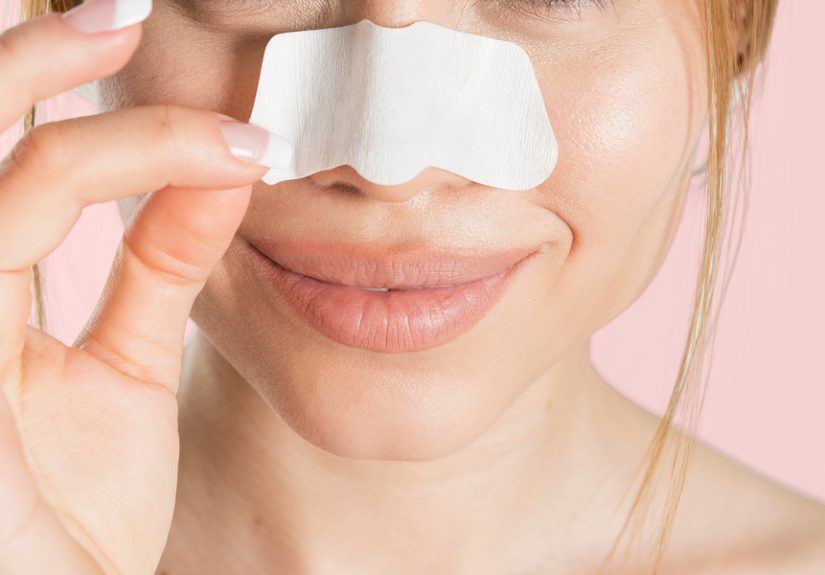
Pore Strips
Pore strips can be wildly satisfying for about six seconds. Unfortunately, they are often more dramatic than useful. They may remove surface debris temporarily, but they do not fix the underlying clogging process. In some cases, they can also irritate the skin.
So yes, they can give you a satisfying “look what came out” moment. No, they are not a long-term blackhead strategy.
Scrubbing Harder
Blackheads do not respond well to aggression. Harsh scrubs, rough cleansing brushes, and over-washing can irritate your skin barrier and make acne worse. If your current routine feels like punishment, it is probably not helping.
Squeezing and Picking
Tempting? Extremely. Smart? Usually not. Squeezing blackheads can push debris deeper, inflame the skin, and increase the risk of discoloration and scarring. Your fingers are not sterile surgical tools, no matter how confident they feel in the moment.
Using Too Many Actives at Once
Layering salicylic acid, retinoids, scrubs, masks, and three random acids from social media is a strong way to end up with irritated skin. A simpler routine tends to work better. Give products time before deciding they have betrayed you.
A Simple Skin Care Routine for Blackheads
Morning
- Wash with a gentle cleanser or a salicylic acid cleanser if your skin tolerates it well.
- Apply a lightweight, non-comedogenic moisturizer.
- Use broad-spectrum sunscreen every day. Yes, even when the weather is gloomy and your motivation is lower than your battery percentage.
Night
- Cleanse gently to remove oil, sunscreen, and makeup.
- Apply adapalene or another retinoid if you are using one.
- Follow with moisturizer to reduce dryness and irritation.
If your skin is sensitive, alternate nights or use salicylic acid in the morning and a retinoid at night only a few times per week at first. The best routine is the one you can actually stick with.
How Long Does It Take to Get Rid of Blackheads?
This is the part nobody loves: blackhead treatments usually take time. You may notice some improvement within a few weeks, but real change often takes six to twelve weeks of consistent care. Sometimes longer. Skin cells do not read deadlines.
If you switch products every four days because you are not seeing magic, you may end up irritating your skin and slowing progress. Consistency beats chaos. The skin care aisle will continue to exist tomorrow.
How to Prevent Blackheads From Coming Back
- Use non-comedogenic skin care and makeup products.
- Remove makeup before bed.
- Cleanse gently, especially after sweating.
- Use ingredients that keep pores clear, such as salicylic acid or adapalene.
- Avoid heavy oils and greasy hair products around the face if they seem to trigger congestion.
- Do not over-exfoliate. Your skin barrier deserves rights.
When to See a Dermatologist
It is time to call in a professional if your blackheads are severe, spread beyond a few problem areas, leave dark marks, come with inflamed acne, or do not improve after a couple of months of consistent treatment. A dermatologist can help you figure out whether you are dealing with blackheads, sebaceous filaments, or a broader acne issue and can prescribe stronger options if needed.
You should also get medical advice if you develop significant redness, swelling, blistering, or signs of an allergic reaction after using an acne product. Rare serious reactions can happen with some over-the-counter acne treatments.
Common Experiences People Have While Treating Blackheads
One of the most common experiences people have when trying to get rid of blackheads is assuming that if a little treatment is good, a lot must be amazing. So they buy a cleanser with salicylic acid, then a toner with salicylic acid, then a scrub, then a peel, then a mask, and suddenly their skin is dry, shiny, irritated, and somehow still clogged. This is incredibly common. Blackhead-prone skin can be oily, but oily does not mean indestructible. In fact, once skin gets irritated, it often becomes harder to manage.
Another very typical experience is disappointment during the first few weeks of a new routine. Someone starts using adapalene or another retinoid, expects their pores to vanish by next Tuesday, and instead gets dryness, flaking, or a phase where the skin looks awkwardly in-between. That can make it feel like the product is not working, when really it may just be early days. Blackhead treatment is rarely dramatic in the beginning. It is usually subtle, gradual, and deeply unimpressed by your impatience.
Many people also realize that what they thought were blackheads are not always true blackheads. On the nose especially, sebaceous filaments can look like tiny dark dots and are often mistaken for blackheads. That leads to a cycle of squeezing, pore strips, and aggressive scrubbing that never seems to “fix” the problem. Why? Because you are trying to remove something normal. Once people understand that not every dot needs to be attacked, their routine often gets gentler and their skin gets happier.
There is also the emotional side of blackheads, which is more real than people sometimes admit. Tiny bumps on the nose should not have this much power, yet somehow they do. People often feel polished and put together one day, then catch their reflection in bright bathroom lighting and suddenly feel like they need an emergency skin intervention. That emotional whiplash is part of why blackhead treatments are such a huge topic. The goal is not perfection. The goal is progress, texture improvement, and a routine that makes you feel more comfortable in your own skin.
A surprisingly common win happens when people stop doing the most. They switch to a gentle cleanser, add one evidence-based active ingredient, moisturize properly, wear sunscreen, and quit picking. It sounds almost too reasonable, which is probably why it gets ignored in favor of dramatic hacks. But this calmer approach is often what leads to the best results. Skin usually responds better to consistency than chaos.
Finally, many people discover that the best blackhead removal treatments are not necessarily the fanciest ones. A basic salicylic acid cleanser, a non-comedogenic moisturizer, sunscreen, and adapalene at night can outperform a whole shelf of trendy products that promise to vacuum, erase, melt, or “instantly detox” your pores. It is not the most exciting answer, but it is often the most honest one. And when it comes to blackheads, honest is better than flashy every time.
Final Thoughts
If you want to know how to get rid of blackheads, focus on treatments that actually address clogged pores instead of chasing instant gratification. Salicylic acid, retinoids such as adapalene, gentle exfoliation, and non-comedogenic skin care are some of the best blackhead removal treatments because they help prevent the problem while also improving what is already there.
The biggest mistake is treating blackheads like they are dirt that must be scrubbed away. They are a pore issue, not a cleanliness contest. Be gentle, be consistent, and resist the urge to wage war on your face. Your skin tends to cooperate a lot more when it is treated like skin and not like a kitchen stain.
And remember: if your blackheads are stubborn, widespread, or paired with inflamed acne, a dermatologist can help you level up your treatment plan. Sometimes the best move is not another viral hack. Sometimes it is actual expertise. Revolutionary, I know.