Table of Contents >> Show >> Hide
- What Counts as a TMJ Disorder (TMD), Anyway?
- Can a TMJ Disorder Cause Swelling?
- Symptoms: The Full “Is This TMD?” Checklist
- Causes and Risk Factors: Why TMD Happens
- Why Swelling Happens: A Closer Look (and a Reality Check)
- Diagnosis: How Clinicians Figure Out What’s Going On
- Treatment: What Actually Helps (from Simple to Specialized)
- Practical Examples: What TMD With Swelling Can Look Like
- When to See a Dentist or Doctor (and When It’s Urgent)
- Prevention and Flare-Up Control: Keeping Your Jaw Out of Trouble
- Frequently Asked Questions
- Real-Life Experiences (500+ Words): What People Commonly Notice and What Helps
- Conclusion
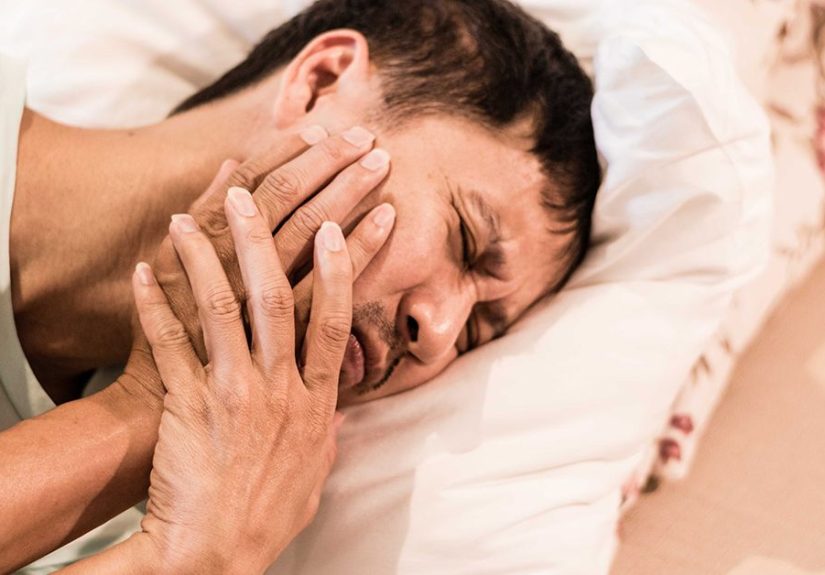
Your jaw is basically a high-performance hinge that works overtime: talking, chewing, yawning, singing in the shower, silently judging a too-chewy bagelpretty much nonstop. So when the temporomandibular joint (TMJ) and the muscles around it get irritated, you can feel it everywhere: jaw pain, headaches, ear-ish discomfort, clicking, and sometimes (surprise!) swelling that makes you look like you lost a boxing match with a marshmallow.
The tricky part: “TMJ” gets used as a catch-all, but the real term is temporomandibular disorders (TMDs)a group of conditions affecting the jaw joints, jaw muscles, and related structures. Swelling isn’t the most common TMD symptom, but it can happen, especially when inflammation is involved or when something else is masquerading as a jaw-joint problem.
This guide breaks down what swelling can mean, what symptoms matter most, why TMD starts in the first place, and which treatments actually make sensestarting with the simplest options and moving up only when needed. (And yes, we’ll also cover the “When should I stop Googling and call a professional?” moment.)
What Counts as a TMJ Disorder (TMD), Anyway?
The TMJ connects your lower jaw (mandible) to your skull right in front of your ear on each side. It’s not just a hingethere’s a disc, cartilage, ligaments, and muscles coordinating like a tiny orchestra that somehow plays perfectly while you eat chips.
TMD is an umbrella term. Common categories include:
- Muscle-related pain (myofascial pain): soreness and tightness in the jaw/face muscles.
- Joint-related problems: inflammation, disc displacement, arthritis, or mechanical issues that limit motion.
- Mixed patterns: because bodies love multitasking.
TMJ vs. TMD (Quick Clarity)
People say “TMJ” when they mean the disorder, but TMJ is the joint. TMD is the disorder. It’s like calling a sprained ankle “ankle.” Understandable, but your healthcare provider may gently correct you while you both pretend it’s not awkward.
Can a TMJ Disorder Cause Swelling?
Sometimesyes. But it’s important to be precise about what “swelling” means, because jaw-area swelling can come from several places. With TMD, swelling is more likely when there’s inflammation inside the joint or significant muscle irritation. And sometimes swelling near the jaw is not TMJ at all (more on that soon).
What TMD-Related Swelling Often Feels/Looks Like
- Puffiness near the joint (in front of the ear), sometimes more on one side.
- Tenderness to touch, especially at the joint or chewing muscles.
- Warmth or a “full” feeling near the jaw.
- Worse with chewing, yawning, clenching, or long conversations.
Why Swelling Can Happen With TMD
Swelling is basically your body’s “We need a meeting” signal. In TMD, it may reflect:
- Inflammation of joint tissues (for example, arthritis-related irritation).
- Disc irritation (the disc and surrounding tissues can get inflamed in some cases).
- Muscle overuse from clenching/grinding or guarding the joint because it hurts.
- Referred irritation where the pain pattern makes the area feel swollen even when swelling is mild.
One key reality check: visible facial swelling isn’t the classic hallmark of TMD. So if swelling is prominent, rapidly worsening, or comes with systemic symptoms (fever, feeling ill), you should think broader than TMJ.
Symptoms: The Full “Is This TMD?” Checklist
TMD symptoms can be loud and obviousor annoyingly subtle. Many people have jaw clicking without pain, and that alone doesn’t automatically mean a disorder. What matters is the overall pattern: pain, dysfunction, and how often it disrupts daily life.
Common TMD Symptoms
- Jaw pain or tenderness (joint area or chewing muscles)
- Clicking, popping, or grating when opening/closing
- Jaw stiffness (often worse in the morning)
- Limited opening or jaw “locking” (open or closed)
- Pain with chewing or fatigue while eating
- Headaches (especially temple-area tension-type patterns)
- Ear-related symptoms (pressure, discomfort, ringingsometimes)
- Changes in bite or feeling like teeth don’t fit the same
Symptoms That Suggest Swelling Might Not Be “Just TMJ”
Because jaw swelling can signal other conditions, pay attention if you have:
- Fever or feeling generally sick
- Red, hot, rapidly expanding swelling
- Tooth pain, pus, or a bad taste (possible dental infection)
- Swallowing or breathing difficulty (urgent)
- Severe sore throat or neck stiffness with swelling
- Swelling under the jaw with pain when eating (possible salivary gland issue)
If any of those are present, don’t “power through.” Get prompt medical/dental evaluation.
Causes and Risk Factors: Why TMD Happens
TMD usually isn’t a single-cause story. It’s more like a group chat where several factors chime in at once. Common contributors include muscle tension, joint irritation, bite forces, injury, and stress-related habits.
Common Causes/Contributors
- Bruxism (clenching or grinding), especially during sleep
- Stress and anxiety leading to jaw tension
- Jaw injury (sports impact, accident, dental procedure strain, wide-mouth events)
- Arthritis (osteoarthritis or inflammatory arthritis affecting the joint)
- Disc displacement (the cushioning disc shifts and irritates tissues)
- Posture and muscle mechanics (neck/shoulder tension feeding jaw tension)
- Habits: gum chewing, nail biting, “jaw juts,” chewing pens, one-sided chewing
Who’s More Likely to Get TMD?
TMD is common and tends to show up most often in adulthood. Some reviews estimate a prevalence in the ballpark of single digits to low teens percentage-wise, depending on how it’s defined and measured. The most important takeaway: this is not rare, and most cases are manageable with conservative care.
Why Swelling Happens: A Closer Look (and a Reality Check)
If swelling is part of your picture, you want to know whether it’s: (1) joint inflammation, (2) muscle irritation, or (3) something else nearby. Here’s how those differ.
1) Joint Inflammation (Synovitis, Arthritis, Irritation)
The TMJ has joint lining and tissues that can become inflamed. When this happens, you may feel pain directly over the joint, discomfort when chewing, and sometimes mild swelling in front of the ear. In inflammatory states, swelling tends to feel “deeper,” like it’s coming from inside the hinge rather than the surface.
2) Muscle Overload (The “Overworked Chewing Muscles” Problem)
Clenching and grinding can leave the masseter and temporalis muscles feeling sore and thicksometimes enough to create a puffy or enlarged look, especially along the jaw angle. Some people notice this after stressful weeks or after chewing tough foods for a long time. The swelling here is often more about muscle tightness and inflammation than fluid buildup.
3) Not TMJ: Common Look-Alikes Near the Jaw
This is the part people skipand it’s important. Swelling near the jaw can also be caused by:
- Dental infection (abscess): often tooth pain, tenderness, sometimes fever.
- Salivary gland issues (like parotid/submandibular inflammation or blockage): pain/swelling that worsens with eating.
- Sinus or ear issues: facial pressure or ear symptoms can overlap with jaw pain.
- Lymph node swelling: from infections in the mouth, throat, or skin.
Translation: swelling doesn’t automatically equal TMJso if swelling is a major feature, get evaluated to confirm the source.
Diagnosis: How Clinicians Figure Out What’s Going On
Most TMD diagnoses start with the basics: your symptom history and a hands-on exam of jaw motion, joint sounds, bite function, and muscle tenderness. You may be asked about clicking, locking, grinding, headaches, stress, and chewing habits.
What the Exam Usually Includes
- Measuring how wide you can open comfortably
- Checking jaw tracking (does it deviate to one side?)
- Feeling the joint and muscles for tenderness
- Listening/feeling for clicks or grinding
- Screening for dental issues that could mimic jaw pain
When Imaging Is Considered
Imaging isn’t always needed. But if symptoms are severe, persistent, involve locking, or suggest joint pathology, clinicians may consider: X-rays for bony changes, CT for detailed bone assessment, or MRI for disc and soft tissue evaluation. The goal is not “fancy pictures,” but the right diagnosisbecause treatment depends on what’s actually happening.
Treatment: What Actually Helps (from Simple to Specialized)
The best TMD plans typically start conservative. Many cases improve with a combination of self-care, habit changes, and targeted therapy. More invasive options exist, but they’re usually reserved for specific diagnoses or persistent dysfunction.
Step 1: At-Home Care That’s Worth Your Time
- Jaw rest: soft foods, smaller bites, avoid chewy/ crunchy/ sticky foods for a stretch.
- Stop “non-food chewing”: gum, pens, ice, nailsyour jaw is not a stress ball.
- Heat or ice: heat for muscle tightness; ice for acute soreness or suspected inflammation.
- Gentle jaw stretches: slow, controlled, never forced. (Pain is not a motivational coach.)
- Relaxed jaw posture: tongue resting lightly on the roof of the mouth, teeth apart, jaw unclenched.
- Stress downshift: breathing, brief walks, sleep supportbecause clenching loves anxiety.
Step 2: Over-the-Counter (OTC) Options
OTC pain relievers can help in the short term: NSAIDs (like ibuprofen or naproxen) may reduce pain and inflammation; acetaminophen can help pain. If you have medical conditions, take other medications, or need these frequently, check with a clinician.
Step 3: Professional Treatments That Often Make a Big Difference
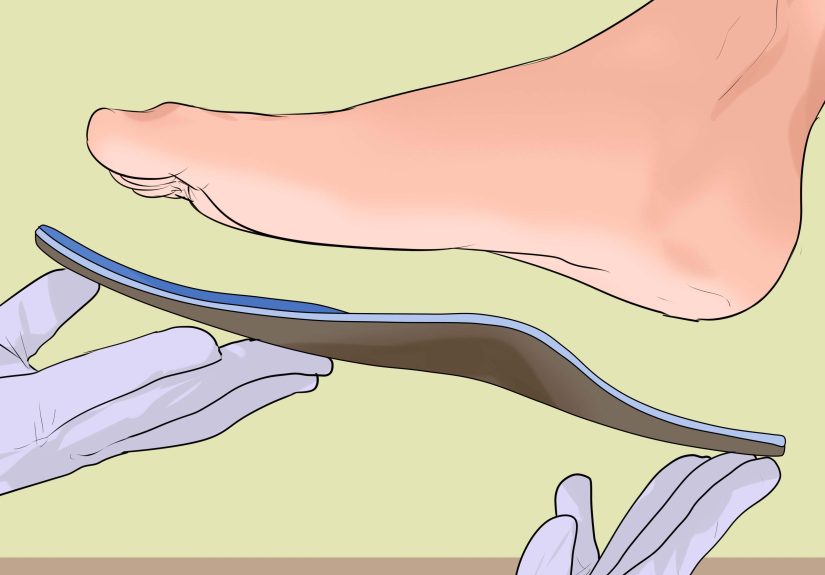
1) Oral Appliances (Splints/Night Guards)
Oral appliances are commonly usedespecially when clenching or grinding is part of the problem. Some are designed to reduce overload on the joint and protect teeth. They’re not magic, but when properly fitted, they can reduce flare-ups and morning jaw pain for many people.
2) Physical Therapy (PT) and Targeted Exercises
PT can address jaw mobility, muscle tension, and neck/posture factors that feed jaw pain. It may include manual therapy, stretches, movement retraining, and education on habits that keep symptoms simmering. A big win here is learning what not to dolike stretching aggressively or chewing through pain.
3) Behavioral Strategies (Because Your Jaw Has Feelings)
If stress-driven clenching is a key trigger, approaches like biofeedback, cognitive behavioral strategies for pain, and sleep hygiene can matter. This isn’t “it’s all in your head.” It’s “your nervous system and muscles are connected,” which is inconvenient but true.
4) Prescription Medications (Short-Term, Diagnosis-Driven)
Depending on symptoms and diagnosis, clinicians may use short courses of medications such as anti-inflammatories, muscle relaxants, or low-dose medications used for chronic pain patterns. The point is targeted relief while other therapies fix the underlying drivers.
Step 4: Injections and Procedures (For Specific Cases)
If joint inflammation is significant or there’s a structural issue, some patients may be offered:
- Corticosteroid injections (aimed at reducing joint inflammation; not for everyone, not endlessly repeatable)
- Trigger point injections for muscle pain patterns in selected cases
- Botulinum toxin (Botox) in certain situations to reduce overactive muscles (use is diagnosis- and provider-dependent)
- Arthrocentesis (joint lavage) or arthroscopy for particular intra-articular problems
Step 5: Surgery (Usually the Last Stop, Not the First)
Surgery is typically reserved for clear structural joint disease, severe degeneration, or persistent dysfunction that doesn’t respond to conservative treatment. Options range from minimally invasive procedures to more complex joint surgery in specialized settings. If someone recommends surgery immediately without a careful diagnostic workup, it’s reasonable to seek a second opinion.
Practical Examples: What TMD With Swelling Can Look Like
Example 1: The “Morning Jaw, Midday Puffiness” Pattern
You wake up with a sore jaw and a tension headache. By lunchtime, chewing makes the joint area feel tender, and you notice mild puffiness near one TMJ. This pattern often fits sleep bruxism plus muscle overload. Helpful moves: a soft-food day, heat to relax muscles, a dental evaluation for a night guard, and stress/sleep support to reduce clenching.
Example 2: The “Click, Then Suddenly Stuck” Pattern
You’ve had clicking for months, then one day your jaw feels like it “catches,” and opening becomes limited. You may also feel fullness near the joint. This can happen with certain disc/joint mechanics issues. This is a good time for a professional evaluationespecially if locking persists.
Example 3: The “Swelling + Tooth Pain” Red Flag
You have jaw swelling, but also a throbbing tooth and sensitivity. That’s not a “tough it out” situationdental infections can worsen quickly and need timely care. TMD can coexist with dental problems, but swelling plus tooth pain deserves a direct look.
When to See a Dentist or Doctor (and When It’s Urgent)
Make an Appointment Soon If You Have:
- Jaw pain lasting more than 1–2 weeks
- Frequent headaches with jaw tightness
- Recurring swelling near the joint
- Jaw locking or progressively limited opening
- Signs of grinding (worn teeth, morning soreness)
Seek Urgent Care If You Have:
- Rapidly worsening swelling
- Fever with facial/jaw swelling
- Difficulty swallowing or breathing
- Severe pain with a feeling of being unwell
Prevention and Flare-Up Control: Keeping Your Jaw Out of Trouble
- Reduce clenching cues: set reminders to drop your shoulders and relax your jaw.
- Upgrade your desk posture: neck tension can feed jaw tension.
- Choose jaw-friendly foods during flares: softer textures, smaller bites.
- Protect sleep: poor sleep can worsen pain sensitivity and clenching.
- Use appliances as directed: “sometimes” use can mean “sometimes helps.”
Frequently Asked Questions
Is jaw clicking always a TMJ disorder?
No. Clicking without pain or dysfunction can be common. It becomes more clinically meaningful when it’s paired with pain, limited motion, frequent locking, or significant functional disruption.
Can TMD cause ear pain?
It can. The TMJ sits close to the ear, and the nerve pathways can overlap. That said, true ear infections and ear disorders existso persistent ear symptoms should be evaluated.
How long do TMD flare-ups last?
It varies. Many flare-ups calm down with conservative care over days to weeks. If symptoms persist, recur frequently, or worsen, a targeted plan is worth it.
Real-Life Experiences (500+ Words): What People Commonly Notice and What Helps
People rarely describe TMD in a neat, textbook way. Real life is messierand honestly, more useful. Here are experience-based patterns clinicians hear often, plus what tends to move the needle. (These are general experiences, not a substitute for individualized care.)
“I didn’t realize I was clenching until my jaw got loud about it.”
A lot of people discover clenching the same way they discover a leaky roof: when the damage finally shows up. They’ll say things like, “I thought I was just stressed,” or “I wake up tired, like I’ve been chewing all night.” The swelling part can be subtlemore like puffiness at the jaw angle or soreness in front of the ear that makes them rub the spot without noticing they’re doing it. What often helps first is not an exotic treatment, but a simple routine: soft foods for a few days, heat on the masseter muscles, and the habit of resting the tongue gently on the roof of the mouth with teeth apart. That tiny posture change can feel strangely powerfullike giving your jaw permission to stop working a double shift.
“It started after dental work / a big yawn / a long appointment.”
Some people notice symptoms after their mouth has been open wide for an extended timedental procedures, certain medical exams, or even an enthusiastic yawn. They may develop joint tenderness, clicking, or a tight feeling that makes the jaw feel “swollen” even if the swelling is mild. In these situations, clinicians often focus on calming inflammation and restoring normal movement gently rather than forcing the jaw open. People frequently report that aggressive stretching backfires, while guided, pain-free range-of-motion exercises and short-term anti-inflammatory strategies feel more stabilizing. The emotional relief matters too: realizing you didn’t “break your jaw,” but irritated a very busy joint, can reduce fear-driven guardingwhich itself can worsen pain.
“My face looks puffy on one side and it freaks me out.”
When swelling is visible, anxiety tends to spikeunderstandably. People worry about infection, tumors, or something catastrophic. In many cases, the swelling is mild and tied to inflammation or muscle spasm, but the important point is that visible swelling deserves a real evaluation. Patients often say that the most helpful moment was getting a clear diagnosis: “It’s the joint,” or “It’s the muscle,” or “This is actually a dental issue.” Once the source is confirmed, the plan gets much simpler. For joint inflammation, ice and anti-inflammatories may be emphasized. For muscle-driven puffiness, heat, massage, and stress reduction become central. For non-TMD causes, getting the correct treatment can resolve swelling much faster than trying to “TMJ” your way out of a dental abscess (which, to be clear, is not a recommended life strategy).
“The night guard helped… but not instantly.”
A common misconception is that a night guard is like flipping a switch. Many people report gradual improvement: fewer morning headaches, less jaw fatigue, and fewer flare-ups over weeks. Others need adjustments because an ill-fitting appliance can irritate symptoms. The people who do best tend to combine the appliance with habit changescutting gum, avoiding hard foods during flares, and working on posture and breathing. In other words: the guard protects the joint and teeth, but your daily habits stop re-lighting the fire.
“Physical therapy was the missing piece.”
Many patients are surprised that jaw pain can relate to neck and shoulder tension. PT often helps connect the dots: forward-head posture, tight upper traps, and jaw clenching can form a loop. People commonly report that when they improve posture and learn jaw-friendly movement, swelling episodes become less frequent and jaw motion feels smoother. The biggest “aha” is usually learning to do less, not more: fewer giant bites, less chewing through pain, less clenching during concentration (hello, emails), and more recovery time for tissues that are irritated.
The recurring theme across experiences is reassuring: most people improve with conservative, consistent care. The key is getting the diagnosis rightespecially if swelling is prominentthen matching the treatment to the real driver.
Conclusion
TMD can be annoying, confusing, and weirdly good at impersonating other problems. Add swelling, and it can feel even more alarming. The good news is that most TMJ-related symptoms respond to a smart, conservative plan: calm the irritation, reduce overload, retrain habits, and bring in targeted therapies like appliances or physical therapy when needed.
The most important rule: don’t guess for too long. If swelling is significant, persistent, or comes with red-flag symptoms, get evaluated. Once you know whether it’s joint inflammation, muscle overload, or a look-alike condition, the path forward becomes clearerand your jaw can get back to its real job: helping you enjoy food, not fear it.