Table of Contents >> Show >> Hide
- 1. Refresh Your Curb Appeal
- 2. Upgrade to Energy-Efficient Windows or Doors
- 3. Give Your Kitchen a Mini Makeover
- 4. Turn Your Bathroom into a Mini Spa
- 5. Create a Legit Home Office
- 6. Improve Comfort with Insulation and Sealing
- 7. Add Storage and Organization Where You Need It Most
- 8. Build an Outdoor Living Space You’ll Actually Use
- How to Choose the Right Upgrade for Your Tax Refund
- Bonus: Real-Life Experiences Using a Tax Refund for Home Upgrades
Your tax refund just landed in your bank account and is quietly whispering,
“Treat yourself.” Before you blow it all on takeout and impulse buys, hear
this out: the average federal tax refund in recent years has hovered around
$3,000enough to fund a small but mighty home upgrade that actually makes
your life better and may even boost your home’s value over time.
Think of your tax refund as a mini home-improvement budget that shows up
once a year. Used wisely, it can help you tackle projects you’ve been
putting off, from energy-efficient upgrades to creating a cozy outdoor
oasis. The key is choosing home improvements that give you a good mix of
daily enjoyment, potential resale value, and, in some cases, tax benefits.
Below are eight smart home upgrades you can do with your tax refund, plus a
bonus section at the end with real-world style tips and experiences to help
you decide what’s worth it for your lifestyle.
1. Refresh Your Curb Appeal
First impressions matter, and your home’s exterior is basically its
profile picture. A portion of your tax refund can go a long way toward
making the front of your house look fresh and inviting.
Small curb-appeal wins
- Paint or stain the front door. A bold color, updated hardware, and a fresh doormat can instantly modernize your entry.
- Update exterior lighting. New fixtures at the front door or garage make your home look more upscale while improving safety.
- Add low-maintenance landscaping. Think mulch, hardy shrubs, and a few statement plants rather than a high-maintenance flower jungle.
Many real estate pros point out that curb appeal projects offer solid ROI
because they influence buyers before they even step inside. A weekend of
work plus a chunk of your tax refund can make your place look like it got a
full glow-up, not just a quick filter.
2. Upgrade to Energy-Efficient Windows or Doors
If your home still has old, drafty windows that rattle in the wind like a
haunted house, your tax refund might be the perfect excuse to start
upgrading. While replacing all the windows in a home can be expensive,
using your refund to replace the worst offenderslike a leaky patio door or
a few key windowscan make a noticeable difference in comfort.
Why this upgrade makes sense
- Lower energy bills. Energy-efficient windows and doors help keep heated or cooled air inside, reducing your monthly costs.
- Improved comfort. Fewer drafts mean your living room doesn’t feel like a wind tunnel every winter.
- Potential tax credits. Some energy-efficient improvements may qualify for federal tax credits, especially under newer clean energy and efficiency programs. Always check current IRS rules or talk to a tax professional first.
Even if you only replace a few units this year and keep going over the next
couple of refund seasons, you’re building long-term value and comfort into
your home.
3. Give Your Kitchen a Mini Makeover
A full kitchen remodel can easily hit five figures or more, but a
tax-refund-sized budget is perfect for a “mini makeover” that still looks
dramatic. You don’t have to tear down walls to make your kitchen feel new.
High-impact, tax-refund-friendly ideas
- Paint or refinish cabinets. Swapping dark, dated cabinets for a lighter color instantly brightens the space.
- Update cabinet hardware. Modern pulls and knobs can make older cabinets look custom and current.
- Upgrade lighting. Add under-cabinet lights or replace a tired overhead fixture with something stylish and bright.
- Replace a tired faucet or sink. A sleek, high-arc faucet with a pull-down sprayer feels luxurious every time you use it.
Designers consistently rank kitchens as one of the rooms that most
influence resale value. Strategic, cosmetic upgrades funded by your refund
can make your home more enjoyable now and more attractive later if you
decide to sell.
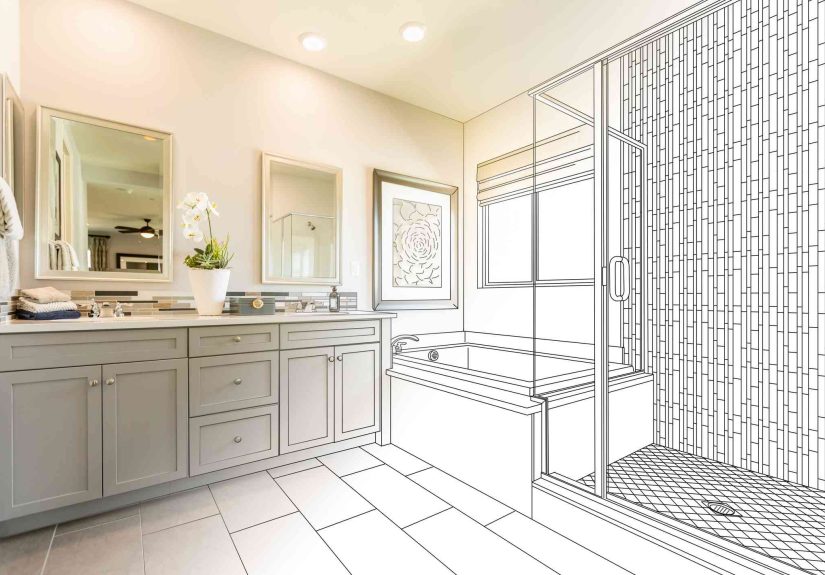
4. Turn Your Bathroom into a Mini Spa
You don’t need a full gut renovation to upgrade your bathroom. With a
modest budget from your tax refund, you can focus on the details people
actually notice: fixtures, lighting, storage, and comfort.
Bathroom upgrades that feel luxurious
- New faucets and showerhead. A rainfall or multi-spray showerhead plus a modern faucet can make daily routines feel spa-like.
- Improved lighting. Swap harsh, yellow bulbs for bright, flattering LED fixtures.
- Low-flow toilet or fixtures. These help conserve water and may qualify for rebates in some areas.
- Better ventilation. A quiet, effective exhaust fan reduces humidity and helps prevent mold.
Bathrooms are another high-impact area for both comfort and value. Even a
few hundred dollars can make the room feel cleaner, brighter, and more
relaxingwhich is priceless when you finally get five minutes to yourself.
5. Create a Legit Home Office
If you’ve been working from the couch, the bed, or that random corner of
the dining room, your tax refund can help you upgrade to a real home
office. Your back, your productivity, and your Zoom background will all
thank you.
Smart ways to invest in a home office
- Ergonomic desk and chair. A height-adjustable desk and supportive chair can prevent a lot of aches and pains.
- Storage and organization. Shelving, file cabinets, or wall-mounted organizers keep clutter under control.
- Sound management. Rugs, curtains, and even acoustic panels help reduce echo and outside noise during calls.
- Task lighting. A good desk lamp makes long work sessions easier on your eyes.
In some cases, if you’re self-employed and meet strict IRS rules about
business use of your home, certain expenses related to a dedicated home
office may be deductible. Always confirm the rules with a tax professional,
since the criteria are specific and missteps can cause headaches later.
6. Improve Comfort with Insulation and Sealing
One of the least glamorous, but most effective, ways to spend your tax
refund is on the stuff you rarely see: insulation and air sealing. It’s not
Instagram-friendly, but it can have a big impact on comfort and energy
bills.
Where to focus
- Attic insulation. Adding or upgrading attic insulation is often cited as one of the best bang-for-your-buck improvements for energy efficiency.
- Air sealing. Caulking gaps around windows, doors, and penetrations, plus weatherstripping, helps keep conditioned air inside.
- Smart thermostat. Pairing insulation improvements with a programmable or smart thermostat helps optimize your heating and cooling schedule.
These upgrades are the definition of “quietly powerful.” You may not notice
them daily, but you will notice more stable indoor temperatures and
potentially lower utility bills. In some cases, energy-efficiency
improvements may also be eligible for federal tax credits or local rebates,
which can stretch your refund even further.
7. Add Storage and Organization Where You Need It Most
Clutter makes even beautiful homes feel chaotic. Using your tax refund to
add smart storage is one of the most underrated upgrades you can make. It
doesn’t just tidy things up; it changes how you use your space.
High-value organization projects
- Closet systems. Custom or semi-custom closet componentsshelves, drawers, and double hanging rodsturn a basic closet into a workhorse.
- Garage storage. Wall panels, ceiling racks, and sturdy shelving get tools and seasonal items off the floor.
- Pantry upgrades. Adjustable shelves, clear bins, and lazy Susans make it easier to see what you have (and avoid buying duplicate ketchup).
- Entryway drop zone. Hooks, a bench, and cubbies near the door help corral shoes, bags, and keys.
Potential buyers love storage, and even if you’re staying put, future you
will be thrilled every time you open a closet and aren’t attacked by an
avalanche of stuff.
8. Build an Outdoor Living Space You’ll Actually Use
If you have a yard, patio, or even a tiny balcony, a portion of your tax
refund can transform it into extra living space. Outdoor areas became a
major priority for many homeowners in recent years, and that trend isn’t
going anywhere.
Outdoor upgrades to consider
- Simple patio or seating area. Pavers, gravel, or an outdoor rug plus comfortable seating can create a defined hangout zone.
- String lights and landscape lighting. Good lighting makes outdoor spaces usable and magical at night.
- Shade solutions. Umbrellas, pergolas, or shade sails help you actually enjoy the space when the sun is blazing.
- Starter fire pit area. If local rules allow, a safe, code-compliant fire pit area is perfect for gatherings and s’mores season.
An inviting outdoor area feels like adding another room to your home
without dealing with permits and structural work. It’s also a mood booster:
fresh air plus comfy seating is a pretty good return on investment.
How to Choose the Right Upgrade for Your Tax Refund
With so many options, how do you decide where your refund should go? A
simple framework can help you rank your choices:
- Safety first. If there’s anything unsafelike failing steps, outdated electrical, or water leaksfix those before cosmetic upgrades.
- Comfort second. Think about what bothers you daily: drafty rooms, poor lighting, no storage, or an uncomfortable workspace.
- Value third. Prioritize projects that tend to have a good track record for resale, like curb appeal, kitchen and bath improvements, and energy efficiency.
- Personal joy last (but not least). Leave some room in the budget for something that just makes you happy, whether it’s a nicer showerhead or dreamy patio lights.
Also remember: not all home improvements are tax-deductible in the year you
pay for them. Some may qualify for credits or affect your tax situation
later when you sell your home. Documentation is your friendkeep receipts
and notes, and talk with a tax pro if you’re unsure how a project might
affect your taxes.
Bonus: Real-Life Experiences Using a Tax Refund for Home Upgrades
To make this more than just a theoretical list, let’s talk about what
actually happens when people use their tax refunds for home upgrades.
These are common patterns homeowners describe when they look back a year or
two later and evaluate whether their refund projects were “worth it.”
“I can’t believe we waited so long” upgrades
Many homeowners say this about insulation, windows, and basic comfort
projects. They lived for years with drafty rooms or big temperature swings,
then finally used a tax refund to add attic insulation, seal cracks, or
replace a couple of key windows. The result? The home feels less
“extreme”cooler in summer, warmer in winterand the HVAC system doesn’t
work as hard.
Even when they don’t track the exact dollar savings, people often notice
indirect benefits: fewer arguments about the thermostat, better sleep, and
less reluctance to use rooms that used to be “too cold” or “too hot.”
Comfort is hard to measure, but once you have it, it’s obvious.
The “this changed our daily routine” projects
Kitchen and bathroom mini makeovers almost always fall into this category.
A family that spends their refund painting cabinets, adding under-cabinet
lighting, and installing a deep, single-bowl sink often reports that
cooking and cleanup are less stressful. Suddenly, the kitchen isn’t just a
place to scramble around at dinnertimeit’s somewhere they actually enjoy
hanging out.
Similarly, a modest bathroom improvementlike a new showerhead, better
lighting, and increased storagecan make mornings smoother. People stop
tripping over toiletries, can actually see themselves in the mirror, and
don’t feel like they’re showering in a dim cave.
Home office upgrades that pay off in productivity
Another common story: someone who has been balancing a laptop on the coffee
table finally dedicates their tax refund to a real workspace. They buy a
good chair, a desk, maybe some shelving, and a decent lamp. Within weeks,
they notice fewer headaches, less back pain, and better focus.
For remote workers or freelancers, that productivity can translate directly
into income. It’s not just a “nice to have”; it becomes a business asset.
Even salaried employees often find that having a designated, comfortable
space helps them maintain boundaries between work and home life.
Outdoor upgrades that boost quality of life
Outdoor projects are where people often report the biggest “happiness”
gains for the money. A simple seating area with string lights turns an
unused patch of yard into a favorite evening hangout. Parents might use
their tax refund to create a safer play area or a small patio where they
can relax while the kids run around.
Many homeowners say these spaces encourage them to invite friends over
more, eat outside more often, or just unwind after work without staring at
another screen. Those benefits don’t show up on a spreadsheet, but they
absolutely matter.
Lessons learned from “meh” projects
Not every use of a tax refund is a home run. Some homeowners look back and
realize they spent their refund entirely on decortrendy pieces that looked
great for a year and then felt dated. Others regret going all-in on a
luxury feature that didn’t change their daily life (think jetted tub that
no one uses).
The main lesson from those stories? Balance is key. Using some of your tax
refund on aesthetic upgrades is totally fine, but pairing them with at
least one project that improves function, comfort, or efficiency gives you
a longer-lasting payoff.
Final thoughts
Your tax refund doesn’t have to disappear into random spending or sit
quietly in your checking account until it’s accidentally consumed by
everyday bills. By directing it toward targeted home upgradescurb appeal,
energy efficiency, organization, better workspaces, or outdoor livingyou
turn a once-a-year windfall into improvements you enjoy every single day.
Just remember: choose projects that fit your budget, your home’s needs, and
your long-term plans. And when in doubt about how an improvement affects
your taxes, keep your receipts and talk with a qualified tax professional.
Your future selfand your future utility billswill be glad you treated
your tax refund like a tool, not just a bonus.