Table of Contents >> Show >> Hide
- Jump to
- Why Pork Chops Make Great Fajitas
- Ingredients
- Fajita Seasoning + Quick Marinade
- Step-by-Step Skillet Method
- Sheet Pan Pork Chop Fajitas (Hands-Off Option)
- Grill Option (Maximum Summer Energy)
- Toppings, Sides, and Serving Ideas
- Troubleshooting + Pro Tips
- Make-Ahead, Storage, and Leftovers
- FAQ
- Real-Kitchen Experiences (The Stuff Recipes Don’t Always Say Out Loud)
Some dinners show up in your life wearing sweatpants and still manage to look cool. Pork chop fajitas are that dinner.
They’re fast, loud (in a good, sizzling way), and suspiciously good at making a Tuesday feel like a tiny fiesta.
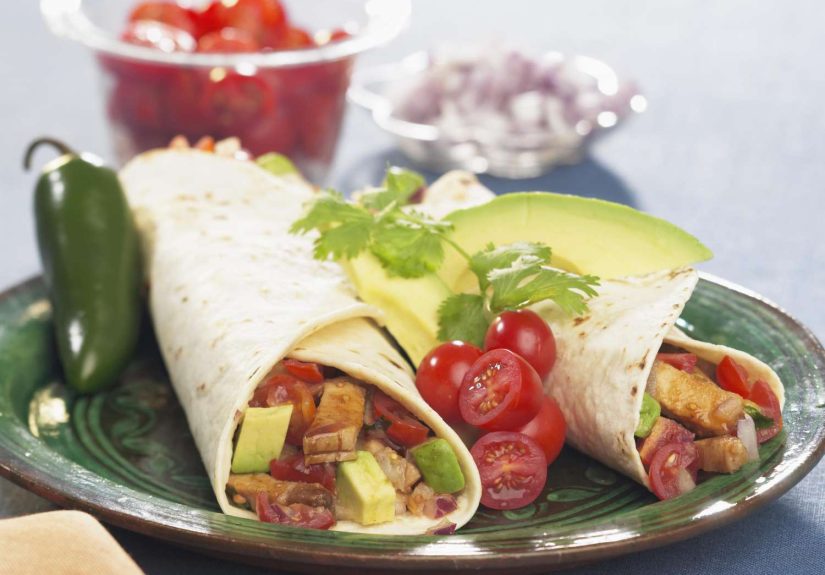
You get juicy pork, sweet-charred peppers and onions, warm tortillas, and a choose-your-own-adventure topping bar.
Nobody has to know you made it in one pan while listening to a podcast about haunted lighthouses.
This recipe takes the classic fajita vibebold spices, bright citrus, high heatand swaps in pork chops for a
tender, budget-friendly protein that cooks quickly. The secret is simple: slice the pork thin, season like you mean it,
sear hard, then stop cooking the moment it’s done. Pork is not a “let’s see what happens if we keep it on heat for another
ten minutes” type of ingredient.
Why Pork Chops Make Great Fajitas
Fajitas traditionally lean on beef (often skirt steak), but the “fajita method” is more about technique than a single
cut: flavorful strips + high-heat cooking + peppers/onions + tortillas. Pork chopsespecially bonelessfit that method
beautifully because they’re easy to slice, cook quickly, and stay tender when you don’t overdo them.
What you’re aiming for
- Thin slices so the pork sears fast instead of steaming.
- Hot pan for browned edges (that restaurant-style “sizzle” energy).
- Bright finish with lime and maybe cilantro so it tastes like fajitas, not “pork and vegetables, politely cooked.”
Ingredients
Serves: 4 | Prep: 15 minutes | Cook: 15–20 minutes
For the pork and veggies
- 1 1/2 pounds boneless pork chops (about 4 chops, 3/4–1 inch thick)
- 3 bell peppers (any colors), sliced into 1/4-inch strips
- 1 large onion (yellow, white, or red), sliced
- 2–3 tablespoons neutral oil (avocado, canola, or vegetable), divided
- 1 lime (plus extra wedges for serving)
- Salt and black pepper
For fajita flavor (choose one)
- Option A: Homemade fajita seasoning (recommended)
- Option B: Store-bought fajita seasoning (1 1/2–2 tablespoons, adjust to taste)
Tortillas and toppings
- 8 small flour tortillas (or corn tortillas)
- Suggested toppings: pico de gallo, salsa, guacamole, sour cream/crema, shredded cheese, cilantro, pickled jalapeños
Fajita Seasoning + Quick Marinade
Homemade fajita seasoning (makes ~3 tablespoons)
- 2 teaspoons chili powder
- 1 teaspoon ground cumin
- 1 teaspoon smoked paprika (or regular paprika)
- 1/2 teaspoon dried oregano
- 1/2 teaspoon garlic powder (or 2 fresh cloves, minced)
- 1/2 teaspoon onion powder (optional, but helpful)
- 1/4 teaspoon cayenne (optional, for heat)
- 1 teaspoon kosher salt (use less if your chili powder is salty)
- 1/2 teaspoon black pepper
Quick marinade (10 minutes to overnight)
You can cook these fajitas with a dry rub onlybut a quick marinade adds tang, helps the seasoning cling, and gives you
that “why does this taste like a restaurant?” boost.
- 2 tablespoons lime juice
- 2 tablespoons oil
- 2 tablespoons fajita seasoning (from above)
- 1 teaspoon brown sugar or honey (optional, encourages browning)
- 1 teaspoon soy sauce or Worcestershire (optional, adds savory depth)
Marinating time: 10–30 minutes is great for weeknights; up to 8 hours is excellent if you plan ahead.
Don’t marinate for an entire day unless you love the idea of citrus trying to “cook” your pork like it’s auditioning for ceviche.
Step-by-Step Skillet Method
This is the classic “one hot pan” approach that gets you browned pork, tender-crisp veggies, and maximum flavor with minimal cleanup.
A cast-iron skillet is ideal, but any large heavy pan works.
1) Slice the pork like you mean it
Pat pork chops dry. Slice into 1/4-inch strips. If your chops have a fat cap, leave a littleit’s flavor insurance.
If you can spot the grain, slice against it for tenderness.
2) Season (or marinate) the pork
Toss pork strips with the marinade (or coat with oil + seasoning). Let it sit while you slice peppers and onions.
This small pause is not “wasting time”it’s “investing in flavor.”
3) Sear the pork in batches
- Heat 1 tablespoon oil in a large skillet over medium-high heat until shimmering.
- Add pork in a single layer (don’t crowd). Cook 2–3 minutes per side until browned.
- Transfer pork to a plate. Repeat as needed.
Why batches matter: Crowding makes the pork steam, and steamed fajitas are just… sautéed sadness with tortillas.
4) Cook the peppers and onions
- Add 1 tablespoon oil to the same skillet.
- Add onions and peppers with a pinch of salt.
- Cook 6–9 minutes, stirring occasionally, until tender with charred edges.
If you like your veggies softer, lower heat slightly and cook a couple minutes longer. If you want more char, let them sit
undisturbed for 45–60 seconds at a time.
5) Finish together + add lime
- Return pork and any juices to the skillet.
- Toss 1–2 minutes to warm through.
- Squeeze fresh lime over everything. Taste and adjust salt.
6) Warm tortillas and serve
Warm tortillas directly over a gas flame for a few seconds per side, or in a dry skillet. Keep them wrapped in a towel
so they stay soft. Pile pork and veggies into tortillas, then add toppings with joyful abandon.
Food safety note (quick but important)
Pork chops are at their best when cooked to a safe internal temperature and then rested briefly. Use a thermometer if you can
it removes guesswork and prevents “dry pork regret.”
Sheet Pan Pork Chop Fajitas (Hands-Off Option)
If you want fajitas but don’t want to stand at the stove like a short-order cook, sheet pan fajitas are your friend.
The oven does the heavy lifting, and a quick broil at the end mimics that restaurant-style char.
How to do it
- Heat oven to 425°F. Line a sheet pan with foil for easy cleanup.
- Toss sliced peppers and onions with 1 tablespoon oil and a pinch of salt.
- Toss pork strips with marinade/seasoning + 1 tablespoon oil.
- Spread everything on the sheet pan in a single layer (use two pans if crowded).
- Roast 14–18 minutes, tossing once halfway.
- Broil 1–2 minutes for extra browning (watch closely).
- Finish with lime and serve.
Tip: Keep your cuts uniformsimilar thickness means everything finishes together, not in a chaotic timeline where peppers are perfect and pork is over it.
Grill Option (Maximum Summer Energy)
Grilling is fantastic for fajitas because char = flavor. If grilling pork chops whole, don’t slice firstgrill, rest,
then slice into strips. This keeps the meat juicy and easier to manage.
Quick grill method
- Heat grill to medium-high.
- Marinate pork chops (whole) 30 minutes to 8 hours.
- Grill 3–5 minutes per side (depends on thickness) until safely cooked.
- Grill peppers and onion slices in a grill basket or on skewers until charred-tender.
- Rest pork 3 minutes, then slice thin. Toss with veggies and lime.
Toppings, Sides, and Serving Ideas
Classic topping board
- Fresh: cilantro, lime wedges, diced onions, pico de gallo
- Creamy: sour cream, Mexican crema, guacamole, sliced avocado
- Cheesy: shredded cheddar/Monterey Jack, crumbled queso fresco
- Spicy: salsa roja, salsa verde, pickled jalapeños, hot sauce
Easy sides
- Cilantro-lime rice or simple white rice
- Black beans or refried beans
- Charred corn, elote-style (or just butter + lime + chili powder)
- Crunchy salad with lime vinaigrette
More ways to serve (same delicious filling)
- Fajita bowls: rice + fajita filling + toppings. Easy meal prep win.
- Quesadillas: tuck leftovers into tortillas with cheese and toast in a skillet.
- Nachos: chips + pork/veg + cheese + broil, then add cold toppings.
- Low-carb: serve over lettuce, cauliflower rice, or in a big salad with avocado.
Troubleshooting + Pro Tips
Keep pork chops juicy
- Don’t overcook: the fastest route to dry pork is “just one more minute.”
- Use a thermometer: it’s the easiest upgrade for consistent results.
- Slice thin: thin strips cook fast and stay tender.
- Rest if grilling whole: resting helps juices redistribute before slicing.
Get restaurant-style char
- Preheat the skillet well before adding pork or veggies.
- Don’t overcrowd (steam is the enemy of browning).
- Let food sit for short bursts without stirring so it can brown.
- Finish with a quick broil if using the oven.
Balance the flavor
Great fajitas hit four notes: salty, smoky, tangy, and a little sweet. If your fajitas taste flat, try one of these:
- Add a pinch more salt.
- Squeeze more lime.
- Stir in a tiny bit of honey or brown sugar.
- Add something punchy: salsa, pickled jalapeños, or a dash of Worcestershire/soy.
Make-Ahead, Storage, and Leftovers
Make-ahead
- Slice peppers and onions up to 2 days ahead; store in an airtight container.
- Mix fajita seasoning weeks ahead; keep in a jar in a cool pantry.
- Marinate pork up to 8 hours ahead for best texture and flavor balance.
Storage
- Refrigerate cooked pork and veggies in a sealed container for 3–4 days.
- Reheat in a skillet over medium heat with a splash of water, broth, or lime juice to loosen everything up.
- Microwave works toojust keep it short so the pork doesn’t toughen.
Leftover glow-up ideas
- Breakfast tacos: scramble eggs, add fajita leftovers, top with salsa.
- Fajita fried rice: chop leftovers smaller and stir-fry with rice and an egg.
- Loaded baked potatoes: fajita filling + sour cream + cheese = comfort-food magic.
FAQ
Can I use bone-in pork chops?
Yes, but it’s easier to cook them whole (skillet or grill), rest, then slice off the bone. Boneless is simpler for quick strips.
What if I only have thick pork chops?
Thick chops are greatjust slice carefully into thinner strips, or cook whole and slice after. If cooking whole, add a few extra minutes and check temperature.
Can I make these spicy?
Absolutely. Add jalapeño slices to the pan, increase cayenne, or finish with a smoky chipotle sauce. Heat is negotiable; flavor is not.
Flour or corn tortillas?
Flour tortillas are soft and stretchy (great for big fajitas). Corn tortillas bring a more traditional corn flavor and can be fantasticjust warm them well so they don’t crack.
Real-Kitchen Experiences (The Stuff Recipes Don’t Always Say Out Loud)
Here’s what tends to happen when real people make pork chop fajitas in real kitchenssmall wins, small hiccups, and the
kind of lessons you only learn mid-sizzle.
1) The “why is there no char?” moment
A super common first attempt goes like this: everything hits the pan at once, the skillet temperature drops, and instead of
browning you get a gentle simmer. The fix is less dramatic than it soundscook in batches. When pork has breathing room,
moisture evaporates quickly and you get those browned edges that make fajitas taste like fajitas. The difference is so noticeable
that it feels like a cooking magic trick you can repeat forever.
2) The tortilla learning curve
Tortillas are basically edible mood rings: warm and flexible means happiness; cold and stiff means instant cracking.
Many cooks find that warming tortillas (even briefly) is the single easiest upgrade. A dry skillet works, the oven works,
and if there’s a gas flame available, a few seconds per side gives that lightly toasted aroma that screams “Tex-Mex night.”
Once tortillas are warm, wrap them in a towel so they stay soft while everyone builds their fajitas.
3) The topping bar turns into a personality quiz
Fajitas expose everyone’s priorities. Some folks are “extra lime, extra cilantro” people. Others are “I need cheese involved
or this is not dinner.” Someone will absolutely build a fajita that is 70% guacamole. Let them. A topping bar keeps the meal
fun and solves the universal problem of feeding a group: different tastes, same skillet.
4) Pork chop confidence (and the thermometer breakthrough)
Plenty of home cooks have old memories of pork chops that were… let’s call them “historically dry.” Modern best practice is
cooking pork to a safe temperature without blasting it into sawdust territory. The first time someone uses a thermometer and
pulls pork at the right moment, it’s usually a revelation: juicy, tender, and actually flavorful. That one tool can turn pork chop
fajitas from “pretty good” into “why aren’t we making this every week?”
5) Leftovers that get better (seriously)
Pork and peppers mellow overnight in the fridge, and the flavors knit together. The next day, leftovers are unbelievably useful:
fajita bowls, quesadillas, breakfast tacos, nachossuddenly you have a whole mini-menu. Many cooks end up making a double batch on
purpose just to guarantee “future fajitas,” which is a very respectable life strategy.
6) The “accidentally made a burrito” rite of passage
There’s always that one fajita that starts as a normal tortilla and ends as a fully loaded situation that cannot be folded,
rolled, or negotiated with. The solution is to embrace it: grab a fork, call it a fajita plate, and keep going. The food still tastes
greateven if the structural engineering got away from you.
Bottom line: pork chop fajitas are forgiving, fast, and fun. Once you’ve made them once, you’ll start treating them like a framework
rather than a strict recipedifferent peppers, different heat levels, different saucessame sizzling happiness. And if the kitchen smells
so good that people wander in “just to check,” congratulations: you made fajitas correctly.