Table of Contents >> Show >> Hide
- First: What “Hip Pain” Might Actually Be
- What Chiropractors Can (and Can’t) Do for Hip Pain
- When Seeing a Chiropractor for Hip Pain Makes Sense
- When You Should NOT Start With a Chiropractor
- Safety: Risks and Realistic Expectations
- Chiropractor vs. Physical Therapy vs. Orthopedics: Who Should You See?
- How to Choose a Chiropractor for Hip Pain (Without Regret)
- What a Good First Visit Should Look Like
- A Simple Decision Guide
- 500+ Words of Real-World Experiences: What People Commonly Report
- Experience 1: “I thought it was my hip, but my back was the real culprit.”
- Experience 2: “My outer hip pain hated stairs and side-sleeping.”
- Experience 3: “I have hip arthritis and wanted to move better without jumping straight to injections.”
- Experience 4: “I had clicking and sharp groin pain… and conservative care wasn’t enough.”
- Experience 5: “The difference between a great chiropractor and a not-great one was communication.”
- Bottom Line
- SEO Tags
Hip pain has a special talent: it can make you feel 87 years old while you’re tying your shoes, then disappear the moment you finally get a doctor’s appointment. It’s also one of those “is it the hip… or is it not the hip?” mysteries. Sometimes the problem is the joint itself. Sometimes it’s a nearby tendon, muscle, or bursa. And sometimes your low back or sacroiliac (SI) joint is basically sending your hip a prank call.
So, should you see a chiropractor for hip pain? The most honest answer is: maybebut it depends on what’s causing your pain, whether there are any red flags, and whether the chiropractor you choose works like a thoughtful clinician (not a salesperson with a spine poster).
This guide will help you sort out what chiropractors can realistically help with, when you should start somewhere else, and how to make a smart, safe decisionwithout turning your hip into a long-running subscription service.
First: What “Hip Pain” Might Actually Be
“Hip pain” is a location, not a diagnosis. Where it hurtsand what makes it worsecan offer big clues.
Common causes of hip-area pain
- Hip osteoarthritis (OA): Often feels like deep aching in the groin or front of the hip, stiffness after sitting, and reduced range of motion over time.
- Bursitis / greater trochanteric pain syndrome: Pain on the outside of the hip, often worse when lying on that side, climbing stairs, or getting up from a chair.
- Muscle or tendon strain: Pain after a new workout, sprinting, heavy lifting, or a sudden twist. Usually more “sore and specific” than “deep and mysterious.”
- Hip labral tear or impingement: Groin pain, clicking/catching/locking sensations, pain with pivoting or deep hip bending (like squats or getting in/out of a car).
- Referred pain from the low back or SI joint: Hip or buttock pain that flares with prolonged sitting, bending, or certain back movementseven when the hip joint itself tests normal.
- Nerve irritation: Burning, tingling, numbness, or pain that travels down the leg can point to nerve involvement (not a “tight hip flexor,” no matter what your gym buddy says).
Why does this matter? Because chiropractic care (and any manual therapy) tends to help most when the issue is mechanicalthink stiffness, movement sensitivity, joint mobility problems, or muscle guardingrather than infection, fracture, advanced structural damage, or inflammatory disease.
What Chiropractors Can (and Can’t) Do for Hip Pain
Chiropractors are licensed clinicians who commonly treat musculoskeletal pain. Many people associate chiropractic care with spinal adjustmentsand yes, that’s a common tool. But many chiropractors also use other approaches that may target the hip area more directly.
What chiropractic care for hip pain often includes
- Clinical evaluation: History, posture/movement assessment, orthopedic tests, neurologic screening, and checking the low back/SI joint because hip pain often overlaps.
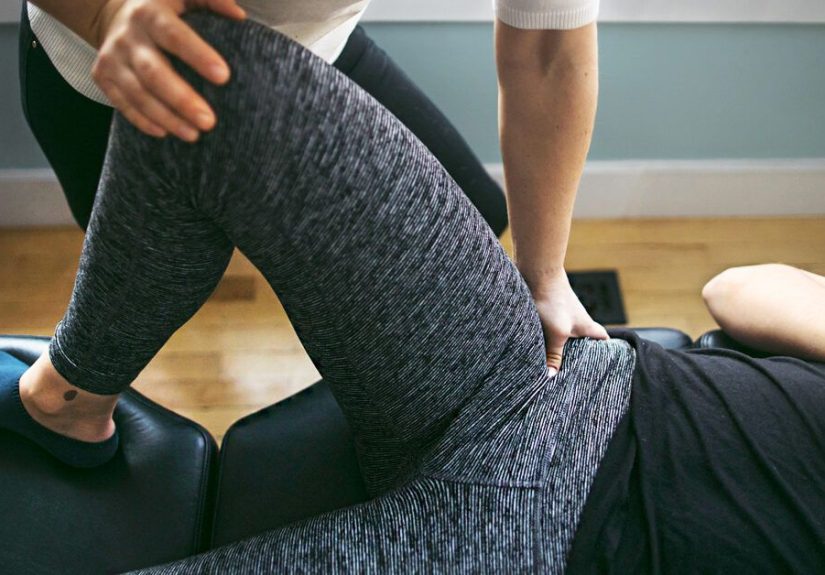
- Manual therapy: This can include joint mobilization/manipulation (hip, pelvis, or lumbar spine), soft-tissue work, and stretching.
- Exercise guidance: Strengthening the glutes/hip stabilizers, improving hip mobility, and addressing movement patterns that keep re-irritating the area.
- Activity modification: Adjusting training, work setup, sitting patterns, sleep positions, and daily habitsbecause your hip has to live with you 24/7.
- Referrals when appropriate: A good chiropractor will refer you to primary care, physical therapy, sports medicine, or orthopedics when the situation needs imaging, medication, injections, or surgical input.
What a chiropractor should not do
- Promise a “cure” without a diagnosis or a reasonable plan for progress.
- Ignore red flags like fever, trauma, inability to bear weight, progressive weakness, or unexplained weight loss.
- Sell a massive prepaid package before you’ve even had a chance to see whether you respond to care.
In short: chiropractic care can be one piece of hip pain treatmentbut it should look like healthcare, not a timeshare presentation.
When Seeing a Chiropractor for Hip Pain Makes Sense
If your hip pain has the “classic mechanical vibe,” chiropractic care may be reasonable to tryespecially when it’s paired with exercise and a plan to restore function (not just chase temporary relief).
Scenario 1: Your “hip pain” is actually coming from the low back or SI joint
This is common. The hip and low back share muscles, nerves, and movement patterns. If your pain changes a lot with posture, sitting, bending, or back movementsor if it’s more in the buttock than the groinyour spine and pelvis deserve attention.
Spinal manipulation is included among recommended non-drug options in several clinical guidelines for certain types of low back pain. If a clinician thinks your hip symptoms are largely driven by back/SI mechanics, a trial of conservative care (which may include manipulation and exercise) can be reasonableprovided there are no warning signs.
Scenario 2: Mild to moderate hip osteoarthritis (OA) and you want non-surgical options
Hip OA is often managed with a combination of education, exercise, and sometimes manual therapy. In real life, many people need help improving hip mobility, building strength (especially glutes and thigh muscles), and pacing activity so they can walk, climb stairs, and sleep more comfortably.
Chiropractors who focus on evidence-informed care may provide manual therapy and movement coaching that overlaps with what physical therapy offers. The key is that the plan should emphasize active rehab (strength, mobility, endurance) rather than passive treatment forever.
Scenario 3: Lateral hip pain that behaves like bursitis / tendon irritation
Pain on the outside of the hip can respond well to load management (reducing aggravating activity), progressive strengthening, and improving how your hip muscles control the pelvis during walking and stairs. Soft-tissue work may feel good, but lasting improvement usually comes from the right exercise progression and lifestyle tweaks (sleep positioning, avoiding prolonged side-lying on the painful side, and not repeatedly poking the sore spot like it owes you money).
Scenario 4: You want conservative care before escalating
If your pain is persistent but not alarming, and you’re trying to avoid immediate imaging, injections, or specialist visits, a time-limited trial of conservative care can be a reasonable step. “Time-limited” is important: you want measurable progress, not an endless loop of “we’ll keep adjusting until the universe is aligned.”
When You Should NOT Start With a Chiropractor
Some hip pain requires urgent medical evaluation. Others require a more direct path to imaging, labs, or specialist care. If any of the following are true, start with urgent care, the emergency department, or your primary care clinician (depending on severity):
Go get medical care now if you have
- Recent major trauma (fall, car accident) or you suspect a fracture/dislocation
- Inability to bear weight, severe pain, or a visibly deformed joint/leg
- Fever, chills, or warmth/redness around the joint (possible infection)
- Sudden swelling or significant color change in the leg
- New or worsening numbness, tingling, or weakness in the leg
- Bowel or bladder changes (especially with back pain)
- Unexplained weight loss, history of cancer, or feeling generally unwell
These don’t automatically mean something scary is happeningbut they do mean you deserve a proper medical workup before anyone starts manual treatment.
Safety: Risks and Realistic Expectations
Most people who try hands-on care experience either improvement or “meh, not for me.” The most common side effects are typically short-lived soreness or fatiguesimilar to how you might feel after trying a new workout.
More serious complications from manual therapy are uncommon, but the risk discussion should be honest. For example, some sources highlight rare but serious risks associated with certain kinds of neck manipulation. Hip pain care usually focuses on the low back, pelvis, and hip areanot the neckbut this is still part of informed consent and an important sign of a clinician who takes safety seriously.
What results should you expect?
- Short-term: Less pain with walking/sitting, improved motion, easier sleep positions, and reduced “protective” muscle tightness.
- Medium-term: Improved strength, endurance, and confidence movingespecially if you do the home program.
- Long-term: Better function and fewer flare-ups, which usually depends more on exercise and habits than on any single technique.
Translation: the adjustment (or manual therapy) might open the door, but your daily movement choices are what keep the door from slamming shut again.
Chiropractor vs. Physical Therapy vs. Orthopedics: Who Should You See?
These options aren’t enemies. They’re different tools for different situations.
Consider starting with a chiropractor if
- Your pain seems mechanical and not medically urgent
- You suspect a back/SI component and want non-drug conservative care
- You prefer hands-on treatment plus an exercise plan
Consider starting with physical therapy if
- You want a structured rehab plan focused heavily on strength, gait mechanics, and progressive loading
- You have hip OA, tendinopathy, or recurrent overuse pain and need a long-term strategy
- You’re returning to sport and need performance-focused progression
Consider starting with primary care or orthopedics if
- You have red flags, significant trauma, or systemic symptoms
- You suspect a labral tear/impingement with persistent catching/locking
- You’re not improving with conservative care and may need imaging, injections, or surgical evaluation
In practice, many people do best with a collaborative approach: conservative care + rehab exercises + medical evaluation when needed.
How to Choose a Chiropractor for Hip Pain (Without Regret)
If you decide to try chiropractic care, choose like you’re hiring someone to work on a valuable piece of equipment. (Because you are. The equipment is you.)
Look for these green flags
- They do a real exam and ask detailed questions about your symptoms, training, work, and medical history.
- They screen for red flags and are comfortable referring out.
- They explain a working diagnosis in plain English and outline what would make them change course.
- They give you a home plan (even a simple one) and track outcomes.
- They set a time-limited trial (for example: “Let’s reassess in 2–4 weeks”).
Be cautious if you see these red flags
- “Everyone needs X-rays” on day one, without a clear reason
- Scare tactics about your spine being “degenerating” or “out of alignment” as a sales pitch
- Pressure to prepay a long plan before you’ve seen any progress
- No exercise or self-management guidanceonly repeated passive treatment
What a Good First Visit Should Look Like
A quality first visit for hip pain should feel structured and individualized, not rushed and generic.
Expect some combination of
- History: Where it hurts (front/groin vs side vs buttock), onset, triggers, walking tolerance, sleep impact, and any neurologic symptoms.
- Movement testing: Squat, step, hip rotation, walking pattern, single-leg balance, and lumbar/SI screening.
- Palpation and special tests: Checking for tendon/bursa tenderness, joint range of motion, and signs that point toward back-related pain.
- Clear plan: What they think is happening, what they’ll do today, and what you’ll do at home.
If imaging is needed (for example, after trauma or when symptoms suggest fracture or significant structural issues), you should be guided toward appropriate medical evaluation rather than “let’s just adjust it and see what happens.”
A Simple Decision Guide
- Is there trauma, fever, severe swelling, inability to bear weight, or progressive weakness? If yes, get medical care first.
- Is the pain deep in the groin with catching/locking? Consider primary care/sports medicine/orthopedics for evaluation.
- Is the pain mostly outside the hip and worse lying on that side? Conservative care with strengthening and load management is often helpful; chiropractor or PT may be appropriate.
- Does your pain change with back movements or prolonged sitting? A back/SI component is likely; conservative care may help.
- Can you commit to a home program? If yes, your odds of success go up (a lot).
- Will the provider reassess and change course if you’re not improving? If not, pick someone else.
500+ Words of Real-World Experiences: What People Commonly Report
Note: The scenarios below are composite “typical experiences” based on common clinical patterns people describe. They’re not personal stories from the author, and they’re not a substitute for medical advicejust a practical way to recognize what your situation might resemble.
Experience 1: “I thought it was my hip, but my back was the real culprit.”
A lot of people show up saying, “My hip hurts,” but the pain lives more in the buttock or the side of the hip and spikes after long sitting (hello, homework, gaming, desk job, long drive). They notice it’s worse when bending forward, twisting, or standing up after being parked in a chair for an hour. In these cases, a provider may find that certain back movements reproduce the pain, and the hip joint itself moves pretty normally.
When conservative care helps, people often describe a quick shift: walking feels smoother, the “pinchy” sensation backs off, and the pain becomes less reactive. The biggest difference-maker tends to be the home plansimple glute work, gentle mobility, and breaking up long sitting. The “hands-on” part can help calm things down, but the long-term win is learning what triggers the pain and how to manage it.
Experience 2: “My outer hip pain hated stairs and side-sleeping.”
This is the classic lateral hip pain pattern. People describe it like a bruise on the outside of the hip, especially when lying on that side or climbing stairs. Sometimes it shows up after ramping up walking, running, or hiking too fast. They may have tried stretching the hip over and over because it feels tightonly to find the tightness comes back immediately (because the tissue is irritated, not “short”).
The most helpful experiences usually involve a provider who explains load management: “Let’s reduce what flares it for a short period, then build tolerance back.” People report the best improvement when they start targeted strengthening (side-lying leg raises, bridges, step-down progressions) and adjust sleep position (pillow between knees, avoid direct pressure on the painful side). When care doesn’t go well, it’s often because the plan is only passive treatment with no progressionso the pain quiets down temporarily, then returns as soon as normal activity resumes.
Experience 3: “I have hip arthritis and wanted to move better without jumping straight to injections.”
With hip OA, people commonly describe stiffness after sitting, aching in the groin/front of the hip, and a gradual sense that the hip is “not as smooth” as it used to be. When conservative care works, the improvement is often functional: easier sock/shoe time, longer walking tolerance, less night discomfort, and fewer flare-ups after busy days.
The best experiences involve realistic expectations: no one is promising to “reverse arthritis,” but the plan focuses on strength, mobility, and pacing. People often say the turning point was consistencyshort, repeatable routines they could do at home. Manual therapy may feel like it frees up motion temporarily, which makes exercise easier. But the lasting progress tends to come from building hip and leg strength and staying active in a way the joint can tolerate.
Experience 4: “I had clicking and sharp groin pain… and conservative care wasn’t enough.”
Some people report sharp groin pain with pivoting, deep squats, or getting in and out of a carplus clicking/catching/locking. They might try chiropractic care or physical therapy first, which is often reasonable if there are no urgent red flags. But if symptoms persist or mechanical catching is significant, many end up needing imaging and a sports medicine or orthopedic evaluation. In these cases, the “good” experience is actually the referral: the provider recognizes the pattern, avoids endless treatment, and helps the person get the right next step.
Experience 5: “The difference between a great chiropractor and a not-great one was communication.”
People who feel good about their care often describe the same themes: the clinician listened, explained the plan, and set checkpoints (“If you’re not 30% better by visit X, we reassess”). They weren’t pressured into prepaying for a long series of visits. They were given exercises that matched their ability level and were adjusted over time.
On the flip side, people who regret starting care often describe a sales-forward experience: scary language, big promises, and no clear endpoint. The biggest lesson from these stories is simple: hip pain deserves a plan, not a pitch.
Bottom Line
Seeing a chiropractor for hip pain can be a reasonable option when the problem appears mechanical, there are no red flags, and the care includes a thoughtful exam, informed consent, and an active rehab plan. It’s not the best first stop for traumatic injuries, infection-like symptoms, significant neurologic changes, or persistent mechanical catching that suggests deeper joint pathology.
If you choose chiropractic care, pick someone who treats you like a personnot a punch card. Your hip doesn’t need hype. It needs clarity, safety, and a plan you can actually live with.