Table of Contents >> Show >> Hide
- The Quick Answer
- What’s in Coffee Grounds, Anyway?
- What Tomato Plants Actually Need (So We Don’t Treat Them Like a Compost Bin)
- How Coffee Grounds Can Help Tomatoes (When Used Like a Grown-Up)
- How Coffee Grounds Can Hurt Tomatoes (Yes, Even the “Natural” Stuff)
- The Best Ways to Use Coffee Grounds for Tomato Plants
- How Much Coffee Ground Use Is “Too Much”?
- Common Coffee-Ground Myths (Tomato Edition)
- Tomato-Friendly Alternatives If You’re After Better Soil
- Troubleshooting: If You Already Used Coffee Grounds and Now Your Tomatoes Look Weird
- Bottom Line
- Experiences Related to Coffee Grounds and Tomatoes (What Gardeners Commonly Notice)
- SEO Tags
If you’ve ever stared at a sad pile of used coffee grounds and thought, “You deserve a second life,” you’re not alone.
Gardeners have been “recycling” their morning brew into garden beds for decadesespecially around tomatoes, the drama
queens (and kings) of the summer garden.
But are coffee grounds actually good for tomato plants… or are we just trying to justify our caffeine habit with
a little compost guilt relief?
The truth is delightfully boring (and therefore trustworthy): coffee grounds can help indirectly by improving
soil life and organic matterwhen used correctly. Used wrong, they can create problems like nitrogen
tie-up, crusty soil, and unhappy seedlings. Let’s break down what coffee grounds do, what they don’t do, and the
smartest ways to use them so your tomatoes get fruitnot just leafy attitude.
The Quick Answer
Yescoffee grounds can be good for tomato plants, but mainly when they’re composted first or applied in thin,
careful layers. Coffee grounds are not a complete fertilizer, they won’t reliably change your soil pH, and dumping a thick
“espresso carpet” around tomato stems can backfire.
What’s in Coffee Grounds, Anyway?
Spent coffee grounds still contain organic matter and nutrients. They’re commonly treated as a “green” compost ingredient
(nitrogen-containing material), and they can support soil microbesthe tiny underground workforce that turns raw organic
material into plant-available nutrients.
Myth check: “Coffee grounds are super acidic.”
This is one of the most persistent garden legends, right up there with “talking nicely to your zucchini makes it less bitter.”
After brewing, used coffee grounds are typically close to neutral, and any pH effect in soil tends to be temporary and localized.
Translation: coffee grounds aren’t a reliable way to acidify soil.
They still have bioactive compounds
Coffee grounds may contain leftover compounds (including small amounts of caffeine and other plant chemicals). That matters
because these compounds can influence germination and early growth. It’s one reason many science-based gardening sources
advise caution with heavy or direct applicationsespecially near seeds or delicate starts.
What Tomato Plants Actually Need (So We Don’t Treat Them Like a Compost Bin)
Tomatoes are “heavy feeders,” but they’re picky about how they’re fed. In general, tomatoes perform best in a
slightly acidic soiloften cited in the ballpark of pH 6.2 to 6.8. They also thrive with consistent moisture,
good drainage, and balanced nutrition (not just nitrogen).
Too much nitrogen = gorgeous leaves, fewer tomatoes
Nitrogen is important, but excess nitrogen often pushes the plant into leafy growth instead of fruiting. If your tomato plant
looks like it’s training for a leafy bodybuilding competition and refuses to set fruit, too much nitrogen is a usual suspect.
Calcium problems aren’t always “not enough calcium”
Blossom end rot (that black, sunken spot on the bottom of tomatoes) is tied to calcium issues in the fruit, but it’s frequently
caused by irregular watering or root stress that prevents calcium from moving properly into developing tomatoesnot because
you didn’t sprinkle enough magic powder around the plant.
How Coffee Grounds Can Help Tomatoes (When Used Like a Grown-Up)
1) They shine in compost
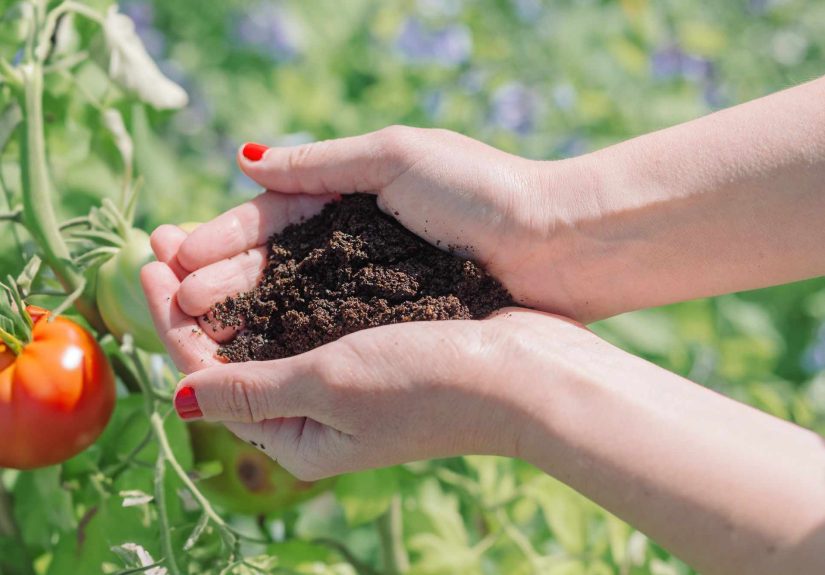
Composting is the safest, most effective way to use coffee grounds for tomato plants. When grounds break down with other
organic materials, their nutrients become more plant-available and their potentially troublesome compounds are reduced.
In compost, coffee grounds behave like a helpful ingredientnot the whole recipe.
Think of it this way: coffee grounds are not “tomato fertilizer.” They’re more like a supporting actor that makes the whole
soil ecosystem work better over time.
2) They can improve soil structure and biology
Adding composted organic material can help sandy soils hold moisture and improve the texture of heavier soils. It also feeds
microbes that drive nutrient cycling. Tomatoes love a soil community that’s active and diverse because it helps them access
nutrients steadily rather than in unpredictable spikes.
3) Potential disease-suppression benefits (with a big asterisk)
Some controlled research suggests decomposing coffee-ground composts can influence microbes in ways that may help suppress
certain plant pathogens. The key phrase is “controlled conditions.” In a real backyard bed, results vary, and you should not treat
coffee grounds as a disease-control product.
How Coffee Grounds Can Hurt Tomatoes (Yes, Even the “Natural” Stuff)
1) Fresh or heavy applications can reduce growth
Directly applying coffee groundsespecially thicklyhas been associated with reduced germination and stunted growth in various
experiments. This is why many extension services recommend avoiding coffee grounds in seed-starting areas and discouraging
heavy use as a stand-alone mulch.
2) Thick layers can compact and form a crust
Coffee grounds are fine-textured. When applied in a thick mat, they can compact, reduce airflow, and interfere with how water moves
through the soil. That’s not what tomato roots want. Tomato roots want oxygen; they are not aquatic mammals.
3) Nitrogen tie-up is real
When uncomposted organic material is mixed into soil, microbes can temporarily “borrow” available nitrogen while they break it down.
That can leave your tomato plant short on nitrogen at the exact moment it’s trying to grow. You might see pale leaves or slow growth,
even though you thought you were “feeding” the plant.
4) Container tomatoes can be more sensitive
Containers have limited soil volume and drain differently than in-ground beds. Overdoing coffee grounds in pots can contribute to
moisture retention and compaction, which may lead to root stress. If you’re growing tomatoes in containers, your margin for “oops”
is smaller.
The Best Ways to Use Coffee Grounds for Tomato Plants
Option A: Compost them first (recommended)
This is the “most reward, least regret” method.
- Add grounds as a compost “green”, balanced with “browns” like dried leaves, shredded paper, straw, or woodier material.
- Mix well to avoid dense pockets that stay soggy.
- Keep it moderately moist (like a wrung-out sponge) and turn it so oxygen can do its job.
- Use finished compost as a top-dress around tomatoes or incorporate it into beds before planting.
Practical tip: if you’re generating a lot of grounds (or scoring free bags from a café), spread additions over time. Compost piles do better
with variety than with a single ingredient takeover.
Option B: Use composted coffee grounds as a thin top-dress
If you have composted grounds (or compost that includes grounds), apply them like a light seasoning, not a casserole layer.
A thin layer can be usefulespecially when covered with a coarser mulch on top to prevent compaction.
Option C: If you must apply directly, go thin and cover
Some guidance recommends keeping any coffee-ground layer very thin and covering it with a more open-textured mulch (like wood chips
or chopped leaves) to prevent the grounds from compacting into a crust.
Also: keep grounds away from the tomato stem. Tomatoes don’t need a damp collar around their neck like they’re headed to a spa.
How Much Coffee Ground Use Is “Too Much”?
There’s no one-size-fits-all number because soil texture, rainfall, irrigation habits, and organic matter all matter. But here are
science-based guardrails that keep you on the safe side:
- In compost: keep coffee grounds as a portion of the pile, not the majority. Balance with browns.
- In raised beds/soil mixes: use composted grounds sparingly as part of a broader compost or soil blend.
- As mulch: avoid thick, stand-alone layers; if used, keep it thin and cover with a chunky mulch to reduce compaction.
If you want to be extra confident, do a soil test periodically. It’s the gardening equivalent of checking your bank account before buying a
cart full of “plant food” you saw on social media.
Common Coffee-Ground Myths (Tomato Edition)
Myth 1: “Coffee grounds will acidify soil for tomatoes.”
Tomatoes like slightly acidic soil, but coffee grounds aren’t a reliable tool for changing soil pH. If you truly need to adjust pH, soil testing
and proven amendments are the grown-up path.
Myth 2: “Coffee grounds are a complete fertilizer.”
Coffee grounds contain nutrients, but they’re not a balanced tomato fertilizer. Tomatoes need a range of nutrients and consistent availability.
Grounds work best as organic matter in compost, supporting the overall soil system rather than acting like a standalone feed.
Myth 3: “Coffee grounds prevent blossom end rot.”
Blossom end rot is usually managed through consistent watering, protecting roots, and avoiding excessive fertilization that disrupts nutrient
uptake. Coffee grounds are not a targeted fix.
Myth 4: “Coffee grounds repel pests.”
The internet loves a simple pest hack. Reality is messier. Coffee (and caffeine) has been studied in some contexts, but coffee grounds aren’t
a proven, reliable pest-control method in the garden. Use physical barriers, habitat management, and integrated pest approaches instead.
Tomato-Friendly Alternatives If You’re After Better Soil
If your goal is healthier tomatoes (and not just a moral victory over landfill waste), these options are usually more effective:
- Finished compost from mixed inputs (kitchen scraps, leaves, grass clippings, etc.)
- Leaf mold for moisture retention and soil structure
- Mulch (straw, shredded leaves, wood chips in paths/around beds) to stabilize moisture and temperature
- Targeted fertilizer based on soil test results (especially for containers and high-production varieties)
Troubleshooting: If You Already Used Coffee Grounds and Now Your Tomatoes Look Weird
If growth seems stalled or leaves look pale
- Pull back any thick coffee-ground layer and replace with a coarser mulch.
- Top-dress with finished compost (not raw grounds).
- Consider a balanced fertilizer if soil testing or symptoms suggest deficiency.
If soil feels crusty and water pools on top
- Gently break up the surface without damaging roots.
- Add a breathable mulch layer (like shredded leaves) and improve watering technique.
- In the future, keep coffee ground layers thin and covered.
If seedlings failed or germination was poor
- Skip coffee grounds near seed-starting areas.
- Use sterile seed-starting mix for germination and transplant seedlings later into amended soil.
Bottom Line
Coffee grounds can be a helpful ingredient in a tomato gardenas part of compost or used carefully in thin applicationsbecause they support soil
organic matter and microbial life. But they’re not a magic tomato booster, and heavy direct use can cause compaction, nitrogen problems, and reduced growth.
If you want the most tomato-friendly approach: compost your grounds, feed your soil, mulch for steady moisture, and keep nutrition balanced. Your tomatoes will
reward you with fruit instead of leafy theatrics. (Probably. Tomatoes still have a flair for drama.)
Experiences Related to Coffee Grounds and Tomatoes (What Gardeners Commonly Notice)
In many home gardens and community plots, the most common “coffee grounds + tomatoes” story starts the same way: someone brings a bucket of café grounds,
everyone cheers because it feels wonderfully resourceful, and then a well-meaning person spreads it like they’re frosting a cake. A week or two later, the soil
surface looks darker…and also oddly sealed, like a brownie that formed a crust. Water starts pooling instead of soaking in, and the tomatoes don’t look thrilled.
Gardeners often describe the bed as “hard on top” or “weirdly soggy underneath.” That pattern lines up with what happens when fine-textured grounds compact
into a mat.
The happier experiences tend to come from gardeners who treat coffee grounds as a compost ingredient, not a direct amendment. In shared gardens,
a common practice is to mix grounds into a compost pile with dry leaves and shredded paper, then let the pile mature. When that finished compost is spread
around tomato plants, gardeners often report steadier growth and easier moisture managementless cracking fruit, fewer stressy wilt afternoons, and soil that
stays crumbly instead of crusty. The grounds aren’t acting like a “secret tomato fertilizer”; they’re contributing to a compost that improves the whole soil
environment.
Another frequent real-world observation: coffee grounds are easiest to manage when gardeners already mulch and water consistently. Tomatoes are extremely
responsive to stable moisture, so gardeners who mulch (straw, shredded leaves, or similar) and water on a consistent schedule tend to see fewer problems
overallwhether coffee grounds are involved or not. In those gardens, a small amount of compost containing coffee grounds rarely causes issues because the
soil surface stays protected and the organic matter is integrated gradually.
Container growers share a different set of experiences. Because pots have limited airflow and can stay wet longer, gardeners often find that adding raw grounds
directly to containers can make the mix heavier and wetter than expected. The “tomato jungle” might look lush at first, but later the plant can stall or show
signs of stress, especially if the potting mix doesn’t drain well. Gardeners who report the best results in containers typically keep coffee grounds inside
compost (or use compost that includes them) and use that compost in small proportions within a quality potting mixrather than sprinkling grounds on top.
There’s also a practical “coffee logistics” experience many gardeners recognize: grounds arrive in bursts. One week you have a mountain; the next week, none.
People who do well with coffee grounds usually develop a routine: freeze or dry small amounts until there’s enough to add to compost, or add smaller
quantities regularly rather than dumping a huge load at once. Some gardeners pick up grounds from local coffee shops (including programs that give away used
grounds) and then portion them into compost batches so the pile stays balanced. The consistent theme in successful stories is moderation: coffee grounds work
best when they’re one ingredient among many, used steadily over time, not as a dramatic one-day makeover for a tomato bed.
Finally, gardeners often say coffee grounds are most satisfying when used for what they reliably do: reduce waste and feed compost. When expectations stay
realistic“this helps my compost, which helps my soil, which helps my tomatoes”the results tend to be positive. When expectations turn into a miracle claim
“this will fix pH, pests, and blossom end rot by Tuesday”tomatoes usually respond by doing what tomatoes do best: humbling us.