Table of Contents >> Show >> Hide
- What “Airy” Really Means (Hint: It’s Not Just White Paint)
- The Setting: Where Spain’s Mediterranean Coast Feels Most “Guest House Perfect”
- Architecture That Works With the Climate (Because the Sun Is Not Playing)
- Interior Design: Mediterranean Minimalism With Texture (Not the “Sad Beige” Kind)
- Rooms That Feel Like a Breeze (Even When You Close the Door)
- Food: Breakfast That Tastes Like a Sea Breeze
- Why a Guest House Feels Different From a Big Hotel (In the Best Way)
- Things to Do Near an Airy Mediterranean Guest House (Beyond Perfecting Your Balcony Sit)
- Crowd-Smart Travel: How to Keep the Coast Relaxing
- A Quick Practical Checklist (So Your “Airy” Trip Stays Airy)
- Conclusion: The Airy Guest House Is a Feeling You Can Choose
- Extra: of Experiences to Make This Guest House Live in Your Head Rent-Free
Picture this: you push open a wooden gate (it squeaks in a charming way, not a horror-movie way), and the Mediterranean immediately starts doing what it does bestshowing off. Sunlight bounces off whitewashed walls, a courtyard olive tree pretends it’s not impressed by you, and a breeze slides through the house like it owns the place. (To be fair, it kind of does.)
This is the magic trick of an airy Spanish guest house on the Mediterranean coast of Spain: it feels light without being empty, relaxed without being sloppy, and stylish without making you scared to put your suitcase down. Whether you’re planning a real trip, scouting inspiration for a coastal remodel, or just mentally relocating to a place where your biggest problem is “sparkling or still,” here’s a deep dive into what makes these guest houses so irresistibleand how to find (or recreate) the vibe without accidentally building a wind tunnel.
What “Airy” Really Means (Hint: It’s Not Just White Paint)
“Airy” is a whole system, not a color palette. The best Mediterranean guest houses are designed around how heat, light, and wind behave. Airiness usually shows up as:
- Cross-breezes that move through rooms (so you can nap without becoming a human puddle).
- Shaded outdoor spacespatios, terraces, pergolasso “outside” is usable all day.
- Materials with texture (plaster, stone, terracotta) that feel cool and look warm.
- Natural light that’s filtered, not blindingmore glow, less squinting.
- Clutter controlbecause the breeze can’t do its job if it’s trapped behind six decorative lanterns.
The secret sauce is balance: enough openness to feel breezy, enough substance to feel grounded. Think of it as the architectural equivalent of a perfectly toasted slice of breadcrisp, but not shattered.
The Setting: Where Spain’s Mediterranean Coast Feels Most “Guest House Perfect”
Spain’s Mediterranean coastline isn’t one single mood; it’s a whole playlist. Picking the right stretch depends on whether you want rugged coves, elegant promenades, or a calm little town where the loudest sound is an ice cube surrendering to your drink.
Costa Brava (Catalonia): Rocky coves, artsy villages, serious food
Costa Brava is for travelers who like dramageological drama. Cliffs, hidden calas (coves), and fishing villages that look like they were styled by someone with a PhD in “charming.” Towns like Cadaqués and Calella de Palafrugell are famous for the whitewashed-house-meets-sea look, and inland areas like Empordà bring vineyards and medieval stone villages into the mix.
Costa Blanca (Valencian Community): Sun, beaches, and easy logistics
Costa Blanca tends to be a smoother, sun-forward experiencewide beaches, bright water, and towns like Altea and Calpe that mix postcard scenery with practical comfort. It’s a solid pick if you want the Mediterranean glow with less “cliff-hugging adventure” and more “morning swim, afternoon café, repeat.”
Costa del Sol (Andalusia): Big energy, warm nights, Moorish influence
Head south and the Mediterranean gets hotter, later, and more theatrical. Andalusia layers in Moorish geometry, courtyards, fountains, and shaded gardensdesign moves that aren’t just pretty, they’re climate strategy. If you love warm evenings, street life, and the idea of a terrace dinner that starts at “American bedtime,” this coast understands you.
Timing tip: For many coastal areas, late spring and early fall often deliver the sweet spot: beach weather without peak-summer intensity. Shoulder seasons also tend to feel more “guest house” and less “human traffic jam.”
Architecture That Works With the Climate (Because the Sun Is Not Playing)
Mediterranean architecture is basically centuries of people saying, “Okay, but what if we didn’t melt?” The airy guest house is usually built on a few proven ideas:
1) Whitewashed walls and plaster finishes
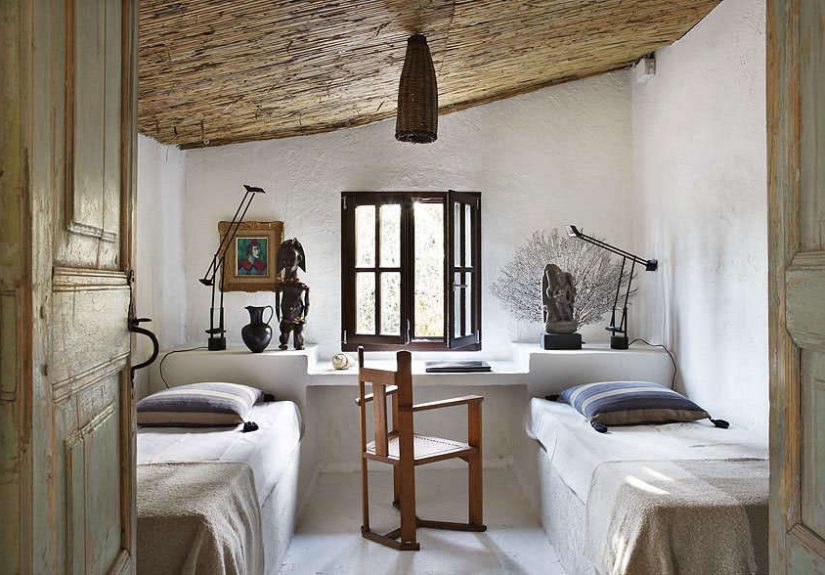
White surfaces bounce light and help spaces feel bigger. But the real win is how plaster and limewash create a soft, breathable lookbright without feeling sterile. Bonus: textured walls hide tiny scuffs, which is excellent news if you travel with… literally any luggage.
2) Patios and courtyards: the house’s “lungs”
A central patio is more than a pretty Instagram set. It’s a ventilation engine and a lifestyle anchor. Morning coffee happens there. Nightcap happens there. Unexpected friendship with the neighbor’s cat happens there. Courtyards also let rooms open inward for privacy while still getting light and air.
3) Shutters, deep window reveals, and intentional shade
Mediterranean guest houses are masters of filtered sunlight. Wooden shutters, linen curtains, and recessed windows let you control heat and glare while still keeping the place luminous. The goal is to feel sun-kissed, not sun-punched.
4) Natural ventilation (with a little common sense)
“Airy” often means using breezes and warm-air rise to move air through the buildingespecially when evenings cool down. Operable windows placed high and low can encourage hot air to exit and fresh air to enter. The important caveat: in humid conditions, constant open-air living can invite moisture problems, so good design is paired with smart habits (and sometimes discreet mechanical support).
Interior Design: Mediterranean Minimalism With Texture (Not the “Sad Beige” Kind)
The best airy guest houses don’t look empty; they look edited. They often rely on a restrained base white walls, pale stone, warm woodthen layer in texture so the space feels human:
- Natural fibers like linen, cotton, jute, rattan, and straw for rugs, baskets, and chairs.
- Handmade ceramics that feel local and slightly imperfect (in the best way).
- Stone and terracotta underfoot for coolness and visual warmth.
- Simple, sculptural formsarched doorways, curved niches, thick plaster edges.
- Nature as décor: olive branches, citrus, rosemarythings that smell like vacation.
Color shows up like a good guest: it doesn’t dominate the conversation. A muted terracotta throw, a cobalt tile detail, a vintage posterenough to feel alive, not enough to feel busy.
Rooms That Feel Like a Breeze (Even When You Close the Door)
In an ideal Spanish guest house, rooms are designed to sleep wellmeaning they manage light, sound, and heat without making you work for it.
What to look for in a truly airy room
- Two-sided airflow if possible (windows or doors on different sides or to a patio).
- Blackout options (shutters, heavy curtains), because sunrise is beautiful and also slightly rude.
- Ceiling fans or quiet ventilation for still nights.
- Materials that breathecotton bedding, linen curtains, natural rugs.
- Storage that hides clutter so the room stays visually calm.
And yes, the best rooms usually have at least one “I could live here” moment: a balcony chair, a tiny desk by a window, or a built-in bench that practically begs you to read half a novel and pretend it’s “cultural research.”
Food: Breakfast That Tastes Like a Sea Breeze
A coastal guest house breakfast in Spain often leans into Mediterranean simplicity: great ingredients, minimal fuss, and zero shame about olive oil before noon. Expect some combination of:
- Pan con tomate (or pa amb tomàquet in Catalonia): toast + tomato + olive oil + garlic = happiness.
- Seasonal fruitfigs, oranges, melondepending on the region and month.
- Yogurt, nuts, and honey for the “I’m being healthy” storyline.
- Local cheeses, maybe a little jam, maybe a little “oops, I ate three servings.”
- Coffee strong enough to restart your personality.
Mediterranean-style eating is famously plant-forward, anchored by olive oil, legumes, whole grains, and seafood, with red meat more occasional than starring. In guest houses that care about quality, you’ll see local olive oil, market produce, and simple dishes that let the ingredients do the flexing.
Why a Guest House Feels Different From a Big Hotel (In the Best Way)
A Spanish guest housewhether it’s labeled hostal, pensión, or something more boutiqueoften prioritizes intimacy over infrastructure. Instead of a grand lobby, you get a warm welcome and a key that feels satisfyingly old-fashioned (or a smart lock that still somehow feels friendly).
The signature guest-house perks
- Human-scale hospitality: owners or staff who actually know the neighborhood.
- Design with personality: antiques, local craft, and rooms that don’t look cloned.
- Quiet corners: patios, rooftops, reading nooksspaces built for lingering.
- Local rhythm: breakfast timing, afternoon calm, evening social energy.
The trade-off is usually fewer “hotel facilities” (big gym, multiple restaurants). But if your vacation goals include “fresh air, beautiful light, and not hearing 400 doors slam,” you’re winning.
Things to Do Near an Airy Mediterranean Guest House (Beyond Perfecting Your Balcony Sit)
The Mediterranean coast rewards curiosity. A great guest house doesn’t just sit near the sea; it connects you to coastal life.
Coastal walks and hidden coves
On the Costa Brava, the Camí de Ronda (coastal path) is a classic way to stitch together coves, headlands, and villages on foot. Even short segments deliver that “I’m in a travel documentary” feelingminus the narrator calling your sweaty face “rugged.”
Markets, ceramics, and slow shopping
Mediterranean towns take markets seriously. Go early, buy fruit you can eat with your hands, and pick up something made locallyceramic bowls, woven baskets, olive-wood utensils. These are souvenirs you’ll actually use instead of storing forever in the “miscellaneous memories” drawer.
Vineyards and long lunches
Regions near the coastespecially in Cataloniapair beach time with wine country energy. You can do a tasting, take a scenic drive, then return to your guest house for a nap that feels medically necessary (in a good way).
Architecture and history that doesn’t feel like homework
Along the southern Mediterranean, Moorish influence appears in arches, tile patterns, courtyards, and water featuresdesign that’s both beautiful and engineered for heat. Even if you don’t know a muqarnas from a mozzarella, you’ll feel the logic: shade, airflow, cool surfaces, repeat.
Crowd-Smart Travel: How to Keep the Coast Relaxing
Spain remains wildly popular, and some coastal hotspots can feel busy in peak season. The guest-house strategy for staying sane is simple:
- Pick a base with breathing rooma smaller town near bigger attractions, not directly on top of them.
- Travel in shoulder seasons for warm weather with fewer elbows.
- Start early: beaches and old towns belong to morning people until about 11 a.m.
- Build in rest: a midday pause makes evenings better (and keeps everyone nicer).
The win is that the coast feels like the coast again: salty air, unhurried meals, and the ability to hear waves instead of a Bluetooth speaker battling three other Bluetooth speakers.
A Quick Practical Checklist (So Your “Airy” Trip Stays Airy)
- Light layers for breezy nights and shoulder-season mornings.
- A small dry bag if you’re doing coves, kayaking, or boat days.
- Comfortable walking shoes for cobblestones and coastal paths.
- Sun protection: hat, sunscreen, and the humility to reapply.
- Reusable water bottle, because hydration is not a personality flaw.
- A “nice but not fussy” outfit for dinners that start late and end even later.
Conclusion: The Airy Guest House Is a Feeling You Can Choose
An airy Spanish guest house on the Mediterranean coast isn’t just a place to sleepit’s a small, well-designed lifestyle experiment. It teaches you to live with less clutter, more light, and better bread. It invites you to plan your days around wind, shade, and water. And it reminds you that “luxury” can mean something wonderfully simple: a cool room, a warm welcome, and a terrace where time slows down on purpose.
If you want the real essence, look for guest houses that respect the climate, use natural materials, and build daily life around patios, breezes, and local flavor. The Mediterranean will handle the restenthusiastically.
Extra: of Experiences to Make This Guest House Live in Your Head Rent-Free
Morning starts with shutters. Not an alarmshutters. You crack them open and the room fills with that pale, honeyed light that makes even your jet lag look artistic. Outside, the air smells like salt and something green, like rosemary warming up for the day. The courtyard is already awake: a quiet clink of cups, a soft conversation drifting from a table under a pergola, and the faintest rustle of an olive tree pretending it’s not eavesdropping.
Breakfast is simple in the way that only confident food can be. There’s toast that’s actually toasted (not warmed in a way that inspires sadness), ripe tomatoes, a garlic clove, and olive oil that tastes like it has a backstory. You assemble pan con tomate like a tiny ritualrub, drizzle, pinch of saltand suddenly you understand why Mediterranean people look so calm all the time. It’s not a secret. It’s just better ingredients and fewer emails.
By late morning, you’ve done the coastal thing: a short walk to a cove where the water is clear enough to reveal the seabed like a brag. Maybe you swim. Maybe you float and let the sea hold your thoughts for a while. If you’re on the Costa Brava, you take a piece of the coastal path and bounce between viewpoints that make you stop mid-step, partly from awe and partly because your camera roll is about to file a complaint.
Afternoon arrives with heat and permission to slow down. Back at the guest house, the patio is shaded and cool, and the interior feels noticeably calmer than the outside worldthick walls, filtered light, and a breeze that slips through without asking. You read. You nap. You do absolutely nothing and feel strangely accomplished. Someone pours sparkling water into a glass and the sound is so satisfying it should come with a soundtrack credit.
Evening is when the guest house turns social without becoming loud. People drift to the terrace like moths to a very tasteful lamp. There’s vermut or wine, olives that disappear faster than you expect, and recommendations traded like treasure: “Go early,” “skip the crowded spot,” “try the bakery near the square,” “that little beach past the rocks is the one.” Dinner happens late, because the Mediterranean doesn’t rush and neither should you. When you finally head back, you close the shutters againnot to block the world out, but to hold this calm in place for one more night.