Table of Contents >> Show >> Hide
- The quick safety answer
- What honeycomb actually is (and why it’s so satisfying)
- Is it safe to eat the wax in honeycomb?
- Potential benefits of eating honeycomb (what’s plausible, what’s overhyped)
- How to eat honeycomb (without turning it into a sticky situation)
- Practical uses for honeycomb in the kitchen
- Buying and storing honeycomb safely
- Who should be extra cautious?
- FAQs
- Real-world experiences with honeycomb (about )
- Conclusion
Honeycomb has a special talent: it looks like something you should frame, not snack on. And yetyes, for most people,
you can safely eat honeycomb. The honey is obviously edible, but the part that makes first-timers pause is the
chewy, waxy “packaging.” That’s beeswax, and it’s generally safe to chew and swallow in small amounts, even if your body
treats it more like a “visitor” than a nutrient.
The big caveat (and it’s a non-negotiable one): do not give honey or honeycomb to infants under 12 months old.
For everyone else, honeycomb can be a delicious, slightly messy, surprisingly fancy way to enjoy honeyplus it shines on
cheese boards, breakfast plates, desserts, and even the occasional “I made this salad exciting” moment.
The quick safety answer
- Most adults and kids over 1 year: Honeycomb is generally safe in normal portions.
- Infants under 12 months: Avoid all forms of honey (including honeycomb and honey-containing products).
- People with bee/pollen allergies: Use caution or skip it.
- Anyone watching sugar intake: Honeycomb is still honeysweet, concentrated, and best enjoyed in moderation.
- Going wild with huge amounts of wax: Rarely, very large intake can cause digestive issues.
What honeycomb actually is (and why it’s so satisfying)
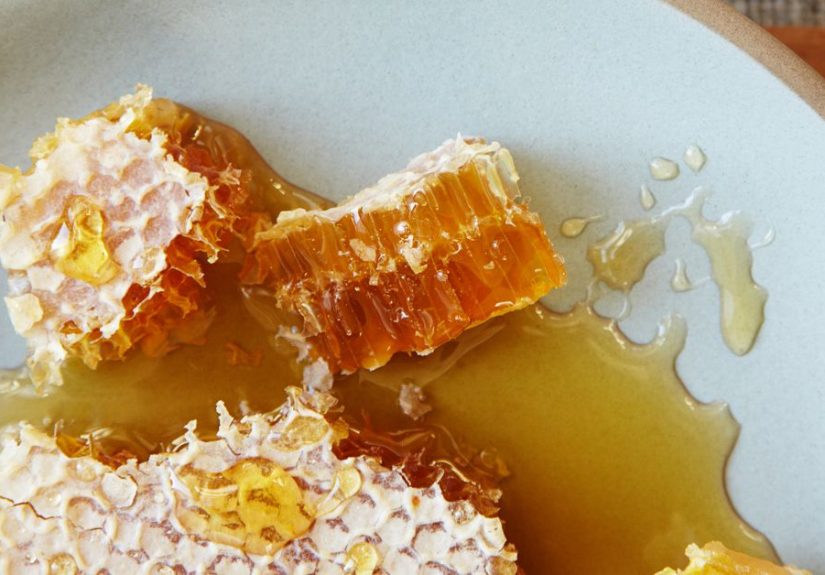
Honeycomb is the structure honey bees build inside the hive: a sheet of hexagonal cells made of beeswax. Those little
wax “rooms” hold honey (and sometimes pollen; in other parts of the hive, they can hold developing bees). When you buy
honeycomb for eating, it’s typically “comb honey” taken from frames meant for honey storageso you’re mostly getting
wax plus raw honey sealed inside.
Compared with the squeeze-bottle stuff, honey in the comb is usually less processed. That can mean more of honey’s
naturally occurring enzymes and aromatic compounds survivethough “more natural” doesn’t automatically mean “health food.”
Think of honeycomb as a better experience, not a magic spell.
Is it safe to eat the wax in honeycomb?
Beeswax: edible, but not your body’s favorite homework assignment
Beeswax is considered edible. But “edible” and “digestible” aren’t identical twins. Your digestive system doesn’t break
beeswax down the same way it handles carbs or fats, so a lot of it passes through. That’s why many people chew honeycomb
like gum: enjoy the honey as it melts out, then either swallow the softened wax or spit it outyour call.
The #1 rule: never give honeycomb to babies under 1 year
Honey (and honeycomb, since it contains honey) can sometimes contain spores that may cause infant botulism in babies
under 12 months because their digestive systems aren’t mature enough to handle them. This warning applies even if the
honey is “natural,” “local,” “organic,” or shaped like an adorable bear on the label. Cute packaging doesn’t change biology.
Allergies: the “know yourself” category
If you’re allergic to bee venom, pollen, or other bee-related products, honeycomb may trigger a reaction. Honeycomb can
contain tiny traces of pollen and other hive materials. If you have a history of severe allergiesor you’ve never tried
bee products beforestart with a very small amount or talk with a clinician for personalized guidance.
Sugar is still sugar (even when it comes in a hexagon)
Honeycomb tastes like dessert because it basically is dessert with better marketing. Honey is mostly sugars and water,
and it’s easy to overdo it when it’s wrapped in an Instagrammable grid. If you’re managing diabetes, insulin resistance,
triglycerides, dental cavities, or you’re simply trying to keep added sugars reasonable, portion size matters.
Rare but real: too much wax can upset your stomach
In normal portions, honeycomb is unlikely to cause problems. But extremely large daily amountsespecially swallowing lots
of waxcan lead to digestive discomfort. Rare medical case reports have described obstructions when people consumed huge
quantities. The practical takeaway: treat honeycomb like a treat, not a life mission.
Potential benefits of eating honeycomb (what’s plausible, what’s overhyped)
Honeycomb’s benefits mostly come from the honey. The wax contributes texture and may contain small amounts
of compounds, but it’s not a vitamin powerhouse. Still, honeycomb can have some meaningful upsidesespecially when it
replaces ultra-processed sweets in your routine.
1) Antioxidants and plant compounds
Honey contains polyphenols and other antioxidant compounds. Darker honeys often have more of these compounds than lighter
varieties. Antioxidants help neutralize oxidative stress in the body, which is why they’re often linked (carefully) with
general wellness. This doesn’t mean honeycomb “prevents disease,” but it can be part of a balanced pattern that favors
less refined sugar and more minimally processed foods.
2) Soothing coughs and scratchy throats
Honey has a long track record as a home remedy for cough. Modern research supports that it can reduce cough frequency and
severity in upper respiratory infectionsespecially in children old enough to safely consume honey. Honeycomb likely offers
similar soothing effects, since the honey coats the throat. (If you’re sick, you still need common sense: hydration, rest,
and medical care when symptoms are severe or persistent.)
3) Antimicrobial activity (in the “lab and real life” sense)
Honey has properties that can inhibit certain microbes, in part due to its acidity, sugar concentration, and enzymes that
generate low levels of hydrogen peroxide. That’s one reason honey shows up in discussions of wound care and throat relief.
Eating honeycomb isn’t the same as medical-grade topical honey, but as a food, it can be a smarter sweetener choice than
candy when you want something sweet.
4) Beeswax compounds: interesting, but not a shortcut
Some studies have explored components in beeswax (like certain long-chain compounds) for potential effects on cholesterol,
insulin resistance, and liver markers. The catch: research often uses extracted compounds in specific dosesnot “a casual
nibble of honeycomb after lunch.” Enjoy honeycomb for what it is, and treat any deeper health claims as “promising but not
proven.”
5) The “local honey for allergies” debate
You’ll hear people swear that local honey (and honeycomb) helps seasonal allergies. Evidence is limited and mixed, and the
mechanism isn’t straightforward because many seasonal allergies are triggered by wind-borne pollen (like ragweed), while bees
often collect different pollens. Some people still find it helpful, others feel no difference. If you want to try it and
you’re not allergic to honey/bee products, consider it an experimentnot a replacement for proven allergy treatments.
How to eat honeycomb (without turning it into a sticky situation)
Method 1: The simple bite
- Cut a small cube (start about the size of a sugar cube).
- Chew slowly; the honey releases as the wax softens.
- Swallow the wax or spit it outboth are common.
Method 2: The cheese-board power move
Honeycomb is basically the social butterfly of snacks. Pair it with:
- Sharp or aged cheeses (cheddar, gouda, parmesan)
- Soft cheeses (brie, chèvre)
- Fresh fruit (figs, pears, apples, berries)
- Toasted nuts and seeded crackers
Pro tip: a small chunk goes a long way. Honeycomb is the “tiny hat” of foodcute, memorable, and best in moderation.
Method 3: Breakfast glow-up
Add small pieces on:
- Greek yogurt with berries and granola
- Oatmeal (especially with cinnamon and sliced bananas)
- Warm toast with butter or ricotta
- Pancakes or waffles (use chunks as a topping, not a batter ingredient)
Method 4: Drinks (with a wax reality check)
Dropping honeycomb into hot tea sounds romantic, but beeswax doesn’t dissolve like sugar. It may soften and float. If you
don’t want waxy bits, squeeze or scrape honey out first and use that to sweeten your drink.
Practical uses for honeycomb in the kitchen
1) Dessert topper that looks like you tried
Honeycomb makes ice cream, cheesecake, and fruit tarts look restaurant-level with almost no effort. Add it right before
serving so it stays pretty and doesn’t melt into a sticky abstract painting.
2) Charcuterie and party platters
If you host, honeycomb is your cheat code. It signals “I’m sophisticated” while requiring the same level of skill as
placing a napkin on a plate.
3) Salad and savory dishes
Try small bits with arugula, toasted walnuts, goat cheese, and a tangy vinaigrette. Sweet + peppery + creamy is a trio that
rarely disappoints.
4) Gifting
A small container of honeycomb (especially from a reputable local beekeeper) makes a thoughtful gift. It’s edible, pretty,
and doesn’t require knowing someone’s sweater size.
Buying and storing honeycomb safely
- Buy from reputable sources: farmers markets, established beekeepers, or trusted retailers.
- Look for “comb honey” or “cut comb”: typically intended for eating.
- Store covered at room temperature: honeycomb keeps well. Crystallization is normal and still edible.
- Avoid moisture: water can encourage fermentation over time.
Who should be extra cautious?
- Infants under 12 months: avoid honey and honeycomb completely.
- People with known bee/pollen allergies: avoid or consult a clinician.
- Those managing blood sugar: treat honeycomb as a concentrated sweetener.
- Anyone prone to GI issues with high-fat or unusual textures: start small; don’t swallow large quantities of wax.
FAQs
Does eating honeycomb give you more benefits than honey?
Honeycomb can be less processed than some bottled honey, and it offers a unique texture. Nutritionally, the main benefit
is still the honey. The wax is mostly there for the experience.
Can you cook with honeycomb?
You can, but it’s usually better as a topping. Beeswax changes texture when heated and can separate. If a recipe needs
liquid honey, use liquid honey. Save honeycomb for finishing touches.
Is honeycomb safe for toddlers and older kids?
After age one, honey is generally considered safe from the infant botulism perspective. Still, honeycomb is sticky and
sweet, so portions should be small, and brushing teeth afterward is a smart move.
Real-world experiences with honeycomb (about )
The first time most people try honeycomb, the reaction is some variation of: “Wait… I’m chewing wax?” Then the honey
hitsbright, floral, and surprisingly complexand suddenly the wax part feels less like a dare and more like a feature.
The texture is the whole point: a soft crunch at first, then a slow melt as the honey releases. It’s a little like bubble
gum designed by bees who took a geometry class.
One of the most common “aha” moments happens on a cheese board. A tiny piece of honeycomb on a salty cracker with a sharp
aged cheese can taste like a full recipe, even though you assembled it in the time it takes to blink. People often notice
that honeycomb’s sweetness feels more rounded than a spoonful of plain honeypartly because you’re chewing it, not just
swallowing it, and that slows everything down. It turns dessert into an experience, which is honestly a great strategy
for enjoying sweets without inhaling them.
Breakfast is another place honeycomb shines. A couple of small chunks on Greek yogurt can make a plain bowl feel like a
café order. The wax gives a gentle chew that contrasts with creamy yogurt and crunchy granola. The “experience” factor is
big here: it encourages slower eating, and slower eating tends to make people feel more satisfied. The flip side is that
honeycomb is so easy to keep nibbling that it can quietly turn into “just one more piece” territory. A useful habit is
cutting a portion first, putting the rest away, and enjoying what you platedlike you would with cookies, except the bees
did the baking.
Honeycomb also tends to spark conversations. At gatherings, someone inevitably asks if it’s real, if you can eat the wax,
and whether it’s “healthier.” That’s the perfect moment to keep it honest: it’s a beautiful, delicious sweetener with
some antioxidant compounds, but it’s still sugar. Most people appreciate that balanceespecially when it’s paired with an
easy suggestion, like trying it with strawberries or draping it over warm toast.
Finally, there’s the practical learning curve: honeycomb is sticky, and it doesn’t care about your outfit. The people who
enjoy it most tend to serve it at room temperature (so it’s easier to cut), use a sharp knife, and keep napkins nearby.
Once you do that, honeycomb becomes one of those small luxuries you can add to a normal day: a little sweetness, a little
ritual, and a reminder that nature occasionally packages food like it’s trying to win a design award.
Conclusion
Socan you safely eat honeycomb? For most people over age one, yes. Honeycomb is edible, the wax is generally safe in
small amounts, and the honey inside offers antioxidant compounds and soothing qualities that make it more than just a
pretty snack. The smart approach is simple: buy from reputable sources, avoid giving it to infants under 12 months, watch
for allergy risks, and enjoy it like the treat it is. Honeycomb doesn’t need to be a superfood to be worth eatingit just
needs to be delicious, used wisely, and served with a napkin.