Table of Contents >> Show >> Hide
- What Social Media Actually Needs From a Camera (And What It Definitely Doesn’t)
- Meet the Lumix S9: Full-Frame Quality in a “Throw It in Your Bag” Body
- The Real Time LUT Button: Your Look, Instantly (No Laptop Required)
- Open-Gate Video: Shoot Once, Crop Everywhere
- Stabilization That Makes Handheld Social Video Look… Not Handheld
- Autofocus and Subject Detection: For When You’re the Talent (and the Camera Operator)
- Photo Quality: Full-Frame Glow-Up Without the Full-Time Editor
- Lenses That Make the Lumix S9 Feel Like a Social Media Superpower
- The Trade-Offs: What the Lumix S9 Does (and Doesn’t) Do
- How It Compares: The S9 vs. Popular Creator Alternatives
- Creator Setup Tips: Get the “Social Media Look” Without the Social Media Stress
- Conclusion: Why the Panasonic Lumix S9 Makes Sense for Social Media Creators
- Creator Experiences: What Using the Lumix S9 Feels Like in Real Life (500+ Words)
Social media doesn’t reward “someday I’ll edit it.” It rewards now. Now, with a consistent look. Now, without you living inside a timeline like a raccoon rummaging through color wheels at 2 a.m. That’s the world the Panasonic Lumix S9 was built forcreators who want real camera quality, phone-like speed, and a vibe that doesn’t scream “I brought a whole production crew to brunch.”
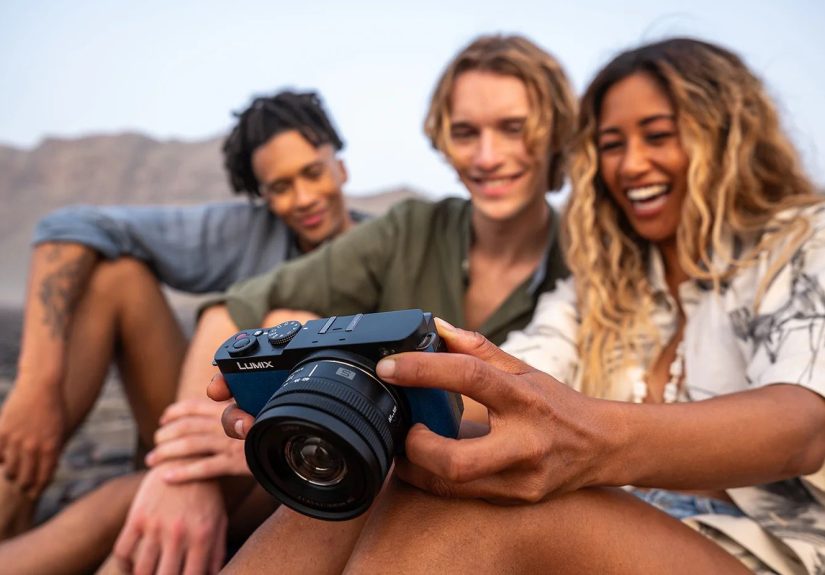
The Lumix S9 is Panasonic’s love letter to Reels, TikTok, and YouTube Shorts: a compact full-frame mirrorless camera that leans hard into fast sharing, in-camera looks (hello, Real Time LUT button), and creator-friendly video options like open-gate recording. It’s not trying to replace your phonebecause nothing replaces the phone that’s already in your hand. It’s trying to beat it where it counts: image quality, lens flexibility, and that delicious shallow depth-of-field that makes your background melt like ice cream on a July sidewalk.
What Social Media Actually Needs From a Camera (And What It Definitely Doesn’t)
Let’s be honest: social media camera advice is usually either “just use your phone” or “buy a cinema rig and a therapist.” The truth is somewhere in the middle. If you’re creating consistently, you need a setup that’s:
- Fast to publish (because your audience isn’t waiting while you render ProRes into the void)
- Vertical-friendly (9:16 is the new default, whether we like it or not)
- Consistent-looking (your “brand” is basically your color palette and how often you post)
- Handheld-stable (because gimbals are great… until you forget them at home)
- Small enough to bring (the best camera is the one you don’t leave in the closet)
What you don’t need every day: a giant viewfinder hump, dual card slots, and an “advanced menu system” that makes you feel like you’re filing taxes. The Lumix S9 intentionally trims the “pro-body” bits to focus on what creators actually use when the goal is publishable content, not a 40-minute behind-the-scenes documentary about your desk setup.
Meet the Lumix S9: Full-Frame Quality in a “Throw It in Your Bag” Body
The Lumix S9 is a compact full-frame interchangeable-lens camera built around a 24.2MP sensor. Translation: you get the bigger-sensor advantagescleaner low-light, better dynamic range, and real background blur without carrying something that looks like it should have its own seat on the plane.
Panasonic also made the S9 look like it belongs in social media: it comes in multiple color options, and it’s designed to be “camera-in-the-frame” friendly. If you’ve ever filmed a talking-head clip and thought, “My phone on a clamp looks… deeply unromantic,” you understand the mission.
One deliberate choice: no built-in viewfinder. Purists will gasp into their vintage straps, but it’s the trade that keeps the body slimmer. For a creator camera, the rear screen does most of the work anywayespecially when you’re filming yourself.
The Real Time LUT Button: Your Look, Instantly (No Laptop Required)
If the Lumix S9 had a theme song, it would be “Skip the extra steps.” The headline feature is the dedicated Real Time LUT buttonbasically Panasonic’s “push here to make it look good” shortcut.
What’s a LUT, and why should social media creators care?
A LUT (Look Up Table) is a color preset that changes the feel of your photo or videothink: warmer skin tones, cooler shadows, punchier contrast, film-ish vibes, or that clean “bright lifestyle” look that makes your iced latte appear to have health insurance. On most cameras, using LUTs is either a “post-production only” thing or a “congratulations, you now have homework” thing. The S9 makes it a shooting thing.
How the S9 turns color into a workflow (not a weekend project)
Pair the camera with Panasonic’s LUMIX Lab app and you get a creator-focused loop: build or grab looks on your phone, send them to the camera, and shoot with them applied. The point isn’t just aestheticsit’s speed and consistency. If your “look” is already baked in, you can publish faster and keep your feed cohesive without doing a full edit session for every post.
This is especially clutch for creators who batch content: shoot a week’s worth of clips in one afternoon, apply the same Real Time LUT, and your posts stop looking like they came from seven different eras of your personality.
Open-Gate Video: Shoot Once, Crop Everywhere
Social platforms can’t agree on a single aspect ratio, so creators end up shooting “safe” and cropping later. The Lumix S9 fights that problem with open-gate recording, which uses more of the sensor so you can reframe in post without feeling like you’re zooming into pixel soup.
Why open gate is a big deal for Reels, TikTok, and Shorts
Here’s the practical win: you can shoot one clip and confidently deliver it in 9:16 vertical, 1:1 square, or 16:9 without reshooting. That’s not just a technical flexit’s a creator sanity feature. You can film a recipe for vertical, then repurpose it for YouTube in widescreen, then make a square teaser for Instagram and pretend you have a full-time editor named “Steve.”
MP4(Lite): Smaller files for faster posting
Panasonic also leans into upload reality with MP4(Lite), a format aimed at quick transfers and fast social posting. It’s the “I want this on my phone immediately” optionespecially helpful if you’re shooting a lot of clips, traveling, or living that heroic life where your phone storage is always at 97% full.
Stabilization That Makes Handheld Social Video Look… Not Handheld
The S9 brings strong in-body stabilization for a compact camera, plus modes designed to keep walking-and-talking footage usable without a full rig. For social media creators, stabilization isn’t a nice-to-haveit’s the difference between “engaging vlog” and “motion sickness simulator.”
Real-world examples where stabilization matters
- Street b-roll: filming storefronts, neon signs, city textures while moving
- Travel clips: handheld video in museums, markets, and “I swear it looked calmer in person” crowds
- Home creator setups: filming product closeups or cooking shots without turning your kitchen into a studio
Is it a gimbal replacement for every scenario? No. But the point is you can get stable-enough footage for social, more often, with less gear. And “less gear” is a creative advantage because you’ll actually bring the camera.
Autofocus and Subject Detection: For When You’re the Talent (and the Camera Operator)
The Lumix S9 uses a hybrid autofocus approach and includes subject detection modes that matter for creators: people, animals, and even vehicles. In plain terms: it’s meant to keep up when you’re filming yourself, filming your friends, filming your dog, or filming that cool motorcycle you absolutely do not need but are emotionally attached to.
Creator-friendly autofocus moments
If you’ve ever tried to film a “casual” clip and watched your phone lock focus on the background lamp instead of your face, you know autofocus is a trust exercise. The S9’s goal is to be reliable enough that you stop thinking about focus and start thinking about the contentlike whether your hook should be “You’re making coffee wrong” or “This changed my life.”
Photo Quality: Full-Frame Glow-Up Without the Full-Time Editor
Phones are amazing. Phones are also tiny sensors doing heroic math. Full-frame is still full-frame, and the S9’s images can look cleaner in low light, smoother in tonal transitions, and more “real camera” in how it handles depth and highlights.
Where the S9 noticeably beats a phone
- Night scenes: less smeary noise reduction, more natural detail
- Portraits: real optical blur instead of “AI guessed your hairline” blur
- Product shots: better texture and cleaner edges, especially with good lighting
- Creative lenses: wide, tight, macro-ish, fast primesyour phone can’t swap eyeballs like that
And yes, you can still keep it simple. If your end goal is social media, the S9’s whole pitch is that you can capture a high-quality image that already looks “ready” with the right Real Time LUTthen move on with your day.
Lenses That Make the Lumix S9 Feel Like a Social Media Superpower
The Lumix S9 uses the L-Mount, which opens the door to Panasonic, Leica, and Sigma lenses. That’s a big deal because your camera body is only half the storylenses decide your vibe.
Small-lens combos that match the S9’s “carry it everywhere” personality
- 26mm f/8 pancake: ultra-compact, simple, and great for bright-day street/travel content when you want the smallest setup possible.
- 18–40mm zoom: versatile everyday range for travel, food, lifestyle, and handheld vlogging where you want wide and “normal” in one lens.
- 20–60mm kit zoom: a practical creator staplewide enough for selfies/vlogs, flexible enough for general shooting.
- 28–200mm zoom: travel-friendly reach when you want one lens to cover nearly everything.
Smart social shooting tip: build a “two-look, two-lens” kit
If you want to keep life simple, try this: pick two Real Time LUT looks (one clean, one stylized) and pair them with two lenses (one wide/standard zoom, one small prime). That combo covers most creator situations: talking head, b-roll, travel, street, and product shotswithout turning your bag into a gym workout.
The Trade-Offs: What the Lumix S9 Does (and Doesn’t) Do
“Perfect camera” doesn’t mean “perfect for everyone.” The S9 is optimized for creators, and that comes with real compromises. Knowing them up front helps you decide if the S9 is your dream camera or just a really cute distraction.
No built-in viewfinder
You’ll compose on the rear screen. In bright sun, that can be annoying. If you’re an EVF diehard, you’ll feel this immediately. If you mostly shoot video and selfies, you’ll shrug and keep rolling.
Creator-first controls and ports
The S9 is designed around fast creation and sharing, not full “pro video body” ergonomics. For example, creators who need constant audio monitoring may miss a dedicated headphone output.
Electronic-shutter reality
The S9’s compact design choices can introduce typical electronic-shutter considerations (like rolling shutter in fast motion or banding under certain lights). For social media contentvlogs, travel, lifestyle, product shotsmost creators won’t hit the edge cases daily. But if you shoot fast action under nasty indoor lighting, it’s worth understanding the limits.
How It Compares: The S9 vs. Popular Creator Alternatives
The Lumix S9 lives in a spicy neighborhood: creator cameras from Sony, Fujifilm, Canon, and Nikon all want your attention. Here’s the simplest way to think about it:
Choose the Lumix S9 if…
- You want full-frame quality in a compact body
- You care about open-gate video for multi-platform reframing
- You want in-camera looks that speed up your workflow (Real Time LUTs)
- You like the idea of shooting high-quality content and sharing it quickly from your phone
You might prefer something else if…
- You need a built-in EVF for outdoor photography all day
- You want a body that feels more “pro-cinema” with all the usual monitoring conveniences
- You want the simplest possible learning curve and don’t care about interchangeable lenses
The S9’s niche is clear: it’s a social-first full-frame mirrorless camera, designed for creators who want more than a phone but less than a full production rig.
Creator Setup Tips: Get the “Social Media Look” Without the Social Media Stress
1) Shoot open gate when you’re repurposing content
If you post to multiple platforms, open gate is your best friend. Frame your subject with a little breathing room and crop for each platform later. One shoot, many posts, fewer reshoots.
2) Build a LUT “starter pack”
Make (or download) three Real Time LUT looks: Clean (natural skin tones), Bold (more contrast/saturation), and Moody (deeper shadows, cooler highlights). That covers 90% of creator aesthetics without turning you into a color scientist.
3) Pick one lens and commit for a week
Gear hopping kills momentum. If you’re building a habit, use a versatile zoom (like 18–40mm or 20–60mm) for a week straight. Learn it. Then add a prime later when you want more character.
4) Make audio boring (that’s a compliment)
Social video lives or dies by audio. Use a simple external mic setup when you can, keep levels safe, and let the camera focus on the visuals. “Boring audio” means nobody notices itwhich is exactly the point.
Conclusion: Why the Panasonic Lumix S9 Makes Sense for Social Media Creators
The Panasonic Lumix S9 is “perfect” in the way a great everyday tool is perfect: it’s designed around what you actually do. You shoot short-form content. You post often. You want it to look good without a production pipeline. You want a consistent style without spending your life editing.
With its compact full-frame body, creator-friendly open-gate video, fast-sharing mindset, and the genuinely fun Real Time LUT workflow, the S9 hits a sweet spot: real camera quality with social media speed. It’s not a do-everything pro brickand that’s the point. It’s a camera that respects your time.
Creator Experiences: What Using the Lumix S9 Feels Like in Real Life (500+ Words)
Let’s talk “experience,” not spec sheetsbecause social media isn’t shot in a lab. It’s shot in kitchens, cafes, sidewalks, airports, and that one corner of your apartment where the light magically behaves for 27 minutes a day. The Lumix S9 fits into that reality in a very specific way: it makes your workflow feel more like a phone, but your results feel more like a camera.
Imagine a typical creator week. Monday: you’re filming a quick “day in the life” reel. The S9 comes out of the bag because it’s small enough that you don’t talk yourself out of bringing it. You flip out the screen, hit record, and you’re rolling. The big difference vs. a phone isn’t just the image qualityit’s the intentionality. When you pick up a camera with a real lens, you naturally shoot with more purpose. You get cleaner separation between you and the background, and suddenly your footage looks less “random clip” and more “this person has a style.”
Tuesday: you’re capturing b-roll for a product. This is where full-frame and lenses quietly do their best work. You can shoot close-ups with more texture and less crunchy sharpening. Highlights roll off more gracefully, and your subject looks premium even if it cost $12 and arrived in a suspiciously thin box. You set a clean Real Time LUT look so everything matches, and you don’t have to color-correct each clip like it’s a feature film.
Wednesday: you shoot something that needs multiple cropsmaybe a recipe video. Open gate is the hero here. You film once, then you crop vertical for TikTok, widescreen for YouTube, and square for a feed post. That’s not just convenient; it changes how you plan content. Instead of thinking “I need three versions,” you think “I need one solid take.” The mental load drops, and you create more.
Thursday: you’re out at night, filming city lights. A phone can do it, but it often looks like a watercolor painting made of aggressive noise reduction. With the S9, you can keep the scene feeling more natural: lights look like lights, shadows look like shadows, and your face doesn’t turn into a smooth plastic mask. You still need decent technique (steady hands help), but the camera gives you more to work with.
Friday: you’re tired, your schedule is chaos, and you still have to post. This is where the S9’s “publishability” matters. If your look is already applied and your files are easy to move to your phone, you can go from “shot it” to “posted it” without the dreaded multi-step ritual of exporting, syncing, color grading, second guessing, and then posting at midnight anyway. The S9 nudges you toward consistency, and consistency is basically the social media algorithm’s love language.
The best part? The camera doesn’t demand that you become a technical wizard. You can go deep if you wantmanual settings, careful lighting, intentional lens choices. But you can also keep it simple, use open gate for flexibility, pick a LUT that matches your vibe, and focus on making content people actually want to watch. In creator life, that’s not just helpful. That’s survival.