Table of Contents >> Show >> Hide
- Orthopedics definition: what it covers (and what it doesn’t)
- What does an orthopedic doctor actually do?
- Common conditions orthopedics treats
- Types of orthopedics: subspecialties you might run into
- Orthopedic treatments: nonsurgical options first (often)
- Orthopedic surgery: when it’s the right tool
- When should you see an orthopedist?
- What to expect at an orthopedic appointment
- How to choose an orthopedic specialist
- Keeping your bones and joints happier (prevention tips that actually help)
- Real-life experiences with orthopedics (the human side) about
- Conclusion
Orthopedics (also spelled orthopaedics) is the medical specialty focused on the parts of you that keep you upright,
moving, and occasionally doing something questionablelike trying to lift a “definitely-not-that-heavy” box with your back
instead of your legs. In plain terms: orthopedics takes care of your musculoskeletal systemyour bones,
joints, muscles, tendons, ligaments, cartilage, and the nerves that help coordinate movement.
If your body were a house, orthopedics would handle the foundation (bones), hinges (joints), cables (tendons and ligaments),
and the entire “why does that creak when I stand up?” department. And no, you’re not “getting old” at 29sometimes you’re
just getting an overuse injury with a side of stress and poor chair posture.
Orthopedics definition: what it covers (and what it doesn’t)
Orthopedics is the branch of medicine that diagnoses, treats, prevents, and rehabilitates conditions and
injuries affecting the musculoskeletal system. That can range from sudden injuries (like a fracture after a fall) to slow,
stubborn problems (like arthritis or chronic back pain).
Orthopedist vs. orthopedic surgeon: what’s the difference?
You’ll hear a few terms tossed around:
- Orthopedist: commonly used to mean an orthopedic doctor; in everyday conversation it may refer to an orthopedic specialist.
- Orthopedic surgeon: a physician trained to treat musculoskeletal problems, including performing surgery when needed.
- Sports medicine doctor, hand specialist, spine surgeon, etc.: orthopedic subspecialists who focus on specific body regions or patient needs.
Many orthopedic specialists use both nonsurgical and surgical treatments. Surgery is a tool,
not a personality trait. A good orthopedic clinician typically tries the simplest effective option first (when it’s safe),
and escalates only when the situation calls for it.
How orthopedics overlaps with other specialties
Orthopedics often works shoulder-to-shoulder (sometimes literally) with:
- Rheumatology for inflammatory joint diseases and systemic conditions (like certain types of arthritis).
- Physical medicine & rehabilitation (PM&R) for functional recovery, pain management, and return-to-activity planning.
- Physical therapy and occupational therapy for strengthening, mobility, and daily-life adaptations.
- Neurology and neurosurgery when nerves and the spine are deeply involved.
- Primary care for overall health context (weight, diabetes, heart health, medication interactions, and more).
What does an orthopedic doctor actually do?
Orthopedic care usually follows a simple goal: help you move better with less pain. That can mean fixing
something that broke, calming down something inflamed, stabilizing something wobbly, or replacing something worn out.
Common ways orthopedic clinicians help
- Diagnose injuries and conditions through history, physical exam, and imaging.
- Treat pain and dysfunction using therapies, medications, injections, or surgery.
- Rehabilitate with a plan that gets you back to work, sport, or normal life safely.
- Prevent repeat injuries by addressing mechanics, strength, and risk factors.
Tools of the trade: how orthopedics finds the problem
Most visits start with questions like: When did this start? What makes it worse? What makes it better? Any popping, locking,
numbness, or instability? Then comes a hands-on examrange of motion, strength tests, joint stability, gait, and sometimes
very specific maneuvers that feel like a weird handshake for your knee.
Imaging may include:
- X-rays (great for bones, alignment, arthritis changes).
- MRI (soft tissues like ligaments, tendons, cartilage, discs).
- CT scans (fine bone detail, complex fractures).
- Ultrasound (tendons and guiding injections in some settings).
Common conditions orthopedics treats
Orthopedics covers a wide range of problems. Some are dramatic (a broken bone), and some are annoyingly subtle (a shoulder
that “just doesn’t feel right” until it suddenly really doesn’t).
Everyday examples you’ve probably heard of
- Arthritis (especially osteoarthritis of knees, hips, hands, spine).
- Fractures and dislocations from falls, sports, or accidents.
- Sprains and strains (ankle sprains, hamstring strains, etc.).
- Tendon problems like tendinitis or tendinopathy (Achilles, rotator cuff, tennis elbow).
- Back and neck pain, including disc issues and spinal stenosis.
- Carpal tunnel syndrome and other nerve entrapments.
- Sports injuries (ACL tears, meniscus tears, labral tears).
- Pediatric concerns like growth plate injuries or certain alignment issues.
Sometimes orthopedic care is about “fixing,” and sometimes it’s about “managing.” For example, not every case of back pain
needs surgery. Many cases improve with a targeted plan: movement, strengthening, and timeyes, the least exciting ingredient.
Types of orthopedics: subspecialties you might run into
Orthopedics is a big umbrella. Many orthopedic surgeons and clinicians focus on a subspecialtyoften by body region, patient
age group, or type of injury.
Adult reconstruction and joint replacement
This area focuses on worn-out or damaged jointsmost famously hips and knees. Joint replacement can be life-changing for
severe arthritis when nonsurgical options no longer control pain or maintain function.
Sports medicine
Sports medicine orthopedics helps athletes and active people recover from injuries and return to activity. It often includes
arthroscopic (“camera”) procedures and structured rehab plans for issues like ACL tears, shoulder instability, and meniscus
injuries.
Spine
Spine specialists evaluate neck and back problems such as disc herniations, spinal stenosis, deformity (like scoliosis), and
certain nerve compression conditions. Many spine problems improve without surgery, but some need procedures to relieve
pressure on nerves or stabilize the spine.
Hand and upper extremity
This subspecialty covers the hand, wrist, forearm, elbow, and often parts of the shoulder. Conditions might include carpal
tunnel syndrome, trigger finger, tendon injuries, arthritis, fractures, and nerve problems.
Foot and ankle
Foot and ankle specialists treat everything from ankle sprains and tendon problems to bunions, arthritis, and complex
injuries. Because your feet take thousands of steps per day (on average), small issues can become big, annoying ones fast.
Pediatric orthopedics
Kids aren’t just small adultsespecially when growth plates are involved. Pediatric orthopedics focuses on fractures,
developmental conditions, limb alignment, scoliosis, and sports injuries in growing bodies.
Orthopedic trauma
Trauma orthopedics treats serious injuries such as complex fractures, pelvic injuries, and damage from high-impact events.
The priority is restoring alignment, stability, and functionand preventing complications.
Orthopedic oncology
Orthopedic oncologists diagnose and treat tumors of bone and soft tissue. These cases often involve coordination with
radiology, pathology, and cancer specialists to plan the safest, most effective approach.
Orthopedic treatments: nonsurgical options first (often)
Orthopedics isn’t “surgery by default.” A lot of orthopedic care is about calming things down, restoring motion, and
rebuilding strength.
Common nonsurgical treatments
- Activity modification: changing how you move (temporarily) to let tissue recover.
- Physical therapy: strength, mobility, balance, and movement retraining.
- Occupational therapy: function-focused rehab (especially hands/upper extremity and daily activities).
- Braces, splints, or casts: protection and support while healing.
- Medications: anti-inflammatory medicines or pain relievers when appropriate.
- Injections: sometimes used to reduce inflammation or pain in specific situations.
- Orthotics: inserts or supports that change biomechanics for foot/ankle problems.
The best plans are usually boring in a good way: consistent rehab, realistic timelines, and gradual progression. The goal
isn’t just “pain gone today,” but “problem less likely to come back next month.”
Orthopedic surgery: when it’s the right tool
Surgery can be the best option when the structure is too damaged to heal well on its own, when a joint is severely worn out,
or when nerves are at risk. The key phrase is “right tool”not “first tool.”
Common types of orthopedic surgery
- Arthroscopy: minimally invasive procedures using a small camera to repair or clean up joint problems.
- Fracture fixation: plates, screws, rods, or pins to stabilize broken bones for healing.
- Joint replacement: replacing damaged joint surfaces (often hip or knee) to restore function and reduce pain.
- Ligament and tendon repair/reconstruction: like ACL reconstruction or rotator cuff repair.
- Spine procedures: decompressing nerves or stabilizing segments when necessary.
Recovery isn’t just “healing time”it’s rehab time. Many orthopedic surgeries succeed because of what happens
after the operation: physical therapy, gradual strengthening, and smart return-to-activity planning.
When should you see an orthopedist?
You don’t have to wait until you’re dramatically clutching your knee while staring at the horizon like a movie character.
Consider an orthopedic evaluation if you have:
- Pain lasting more than a few weeks despite rest and basic care.
- Swelling that doesn’t improve or keeps returning.
- Limited range of motion or stiffness that affects daily activities.
- Instability (a joint that “gives out” or feels unreliable).
- Numbness, tingling, or weakness, especially if it’s progressing.
- Injuries from sports, falls, or accidents where you suspect a tear or fracture.
Seek urgent care or emergency care right away if:
- You suspect a fracture with severe deformity, uncontrolled pain, or inability to bear weight.
- You have an open wound with possible bone exposure.
- Your limb is cold, pale, numb, or you can’t move fingers/toes normally.
- You have sudden weakness, loss of bladder/bowel control, or severe neurological symptoms (especially with back pain).
If you’re unsure where to start, primary care can help triage. But if you already know it’s a bone/joint/ligament issue,
orthopedics is the right neighborhood.
What to expect at an orthopedic appointment
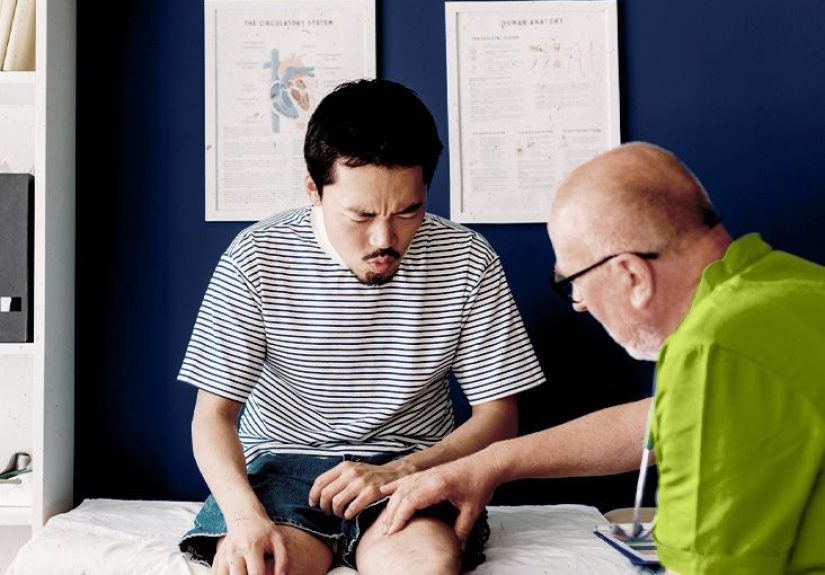
A typical orthopedic visit is part detective work, part coaching session. Expect questions, a physical exam, and a plan.
To make your appointment more useful (and less like a “guess what I did last month” game), consider bringing:
- A list of symptoms and how long they’ve been happening.
- What makes it better or worse (stairs? sleep? typing? running?).
- Any previous injuries, surgeries, or imaging results if you have them.
- Your current medications and relevant medical history.
Questions worth asking (because you deserve clarity)
- What’s the most likely diagnosisand what else could it be?
- What are my nonsurgical options, and how long should I try them?
- What’s a realistic timeline for improvement?
- What would make you recommend surgery?
- What does success look likeand how do we measure it?
How to choose an orthopedic specialist
Not all orthopedic care is the same, and you’re allowed to be picky. Consider:
- Subspecialty fit: a hand problem? Look for a hand/upper extremity specialist. Hip arthritis? Consider a joint replacement expert.
- Board certification and training background.
- Communication style: you want someone who explains options without treating you like a broken chair.
- Team approach: strong coordination with PT/OT and other specialists is a good sign.
- Shared decision-making: the best plan should match your goals, lifestyle, and health situation.
A small note that matters: “Best” isn’t just the fanciest procedure. Often, the best orthopedic outcome is the one that gets
you back to living your life with the least risk and the most confidence.
Keeping your bones and joints happier (prevention tips that actually help)
Orthopedics is great at fixing problems, but preventing them is even bettermostly because it’s cheaper than surgery and you
get to keep your weekend plans.
Simple habits with big payoff
- Strength train (even lightly): muscles support joints like helpful friends who show up on time.
- Warm up before activity and progress gradually (your tendons are not impressed by your motivation).
- Work on balance to reduce falls, especially as you age.
- Prioritize sleep: recovery is a biological process, not a vibe.
- Mind your ergonomics: small posture changes add up over thousands of hours.
- Nutrition matters: protein supports muscle; calcium and vitamin D support bone health (ask your clinician what’s appropriate for you).
- Don’t ignore “early warning” pain: it’s easier to treat small problems than big ones.
Real-life experiences with orthopedics (the human side) about
If you ask people what orthopedics “feels like,” you won’t get a dictionary definition. You’ll get storiesusually starting
with, “So I did something dumb…” and ending with, “Honestly, physical therapy was harder than the injury.”
Experience #1: The knee that kept “talking.”
One common journey starts with a knee that clicks, pops, or feels a little unstable. At first, it’s easy to shrug off:
“It’s probably fine.” Then stairs become a negotiation. After a visit, the orthopedic clinician might explain that the knee
is a complex hinge with cartilage and ligaments doing constant teamwork. The plan often begins with strengthening the hips
and quads, improving movement patterns, and dialing back the activities that spike pain. The surprising lesson for many
people: better knees aren’t always built in the knee. Sometimes the fix begins at the hip and ankle.
Experience #2: The weekend warrior shoulder.
Another classic: someone plays a pickup game after months of being “busy,” feels a sharp shoulder pain, and suddenly can’t
reach into the back seat without wincing. Orthopedics helps sort out whether this is a simple strain, an irritated tendon,
or something like a rotator cuff problem. Many people are relieved to hear that surgery isn’t automaticoften the first move
is guided rehab, posture and mechanics work, and time. The emotional win is getting a clear roadmap instead of Googling at
2 a.m. and deciding you definitely have a rare condition discovered in 1847.
Experience #3: The kid with a limp.
Pediatric orthopedic visits can feel differentparents are worried, kids are bored, and everyone is trying to figure out how
a child can have so much energy while also being “too tired” to walk to the kitchen. Pediatric orthopedics focuses on growth
plates, alignment, and injuries that may look small but matter because kids are still developing. Families often appreciate
the reassurance of a careful exam and a plan that balances caution with practicality (because telling a child to “rest”
can be like telling a squirrel to “stop being a squirrel”).
Experience #4: Arthritis and the moment life got smaller.
Many people with hip or knee arthritis describe a gradual shrinking of their world: fewer walks, fewer outings, fewer
“I’ll just run in real quick” errands. Orthopedics can help with a stepwise approachexercise, weight-bearing guidance,
pain strategies, injections in select cases, and eventually discussing joint replacement if function and quality of life are
truly limited. For many, the biggest “aha” moment is realizing the goal isn’t chasing a perfect X-ray; it’s getting back to
a life that feels open again.
Across these experiences, the common thread is this: orthopedics is rarely a single event. It’s a processdiagnosis,
decision-making, rehab, and prevention. The best outcomes usually happen when you understand the plan, do the rehab, and
treat your body like something you plan to live in for a while (which, ideally, you do).
Conclusion
Orthopedics is the medical home for bones, joints, muscles, and the connective tissues that make movement possible. It covers
everything from sprains and fractures to arthritis and complex surgeriesbut it also includes prevention, rehab, and smart,
practical strategies to keep you doing what you love. If pain or limitation is changing how you live, you don’t have to
“tough it out.” Orthopedic care is about getting you back to functionwithout turning your life into a constant
negotiation with your own knee.