Table of Contents >> Show >> Hide
- Jump to
- Why This Vegan Meatloaf Works (So You Don’t Have to “Wing It”)
- Ingredients (Plus Easy Substitutions)
- Step-by-Step: How to Make Vegan Meatloaf (The Easy Way)
- Easy Glaze Options (Pick Your Personality)
- Printable Recipe Card: Easy Vegetarian Vegan Meatloaf Recipe
- Troubleshooting: Fix the Usual Vegan Meatloaf Drama
- Make-Ahead, Storage, and Freezing
- Serving Ideas (Because Meatloaf Loves a Supporting Cast)
- FAQ
- Experience Notes (): What People Actually Run Into With Vegan Meatloaf
- Conclusion
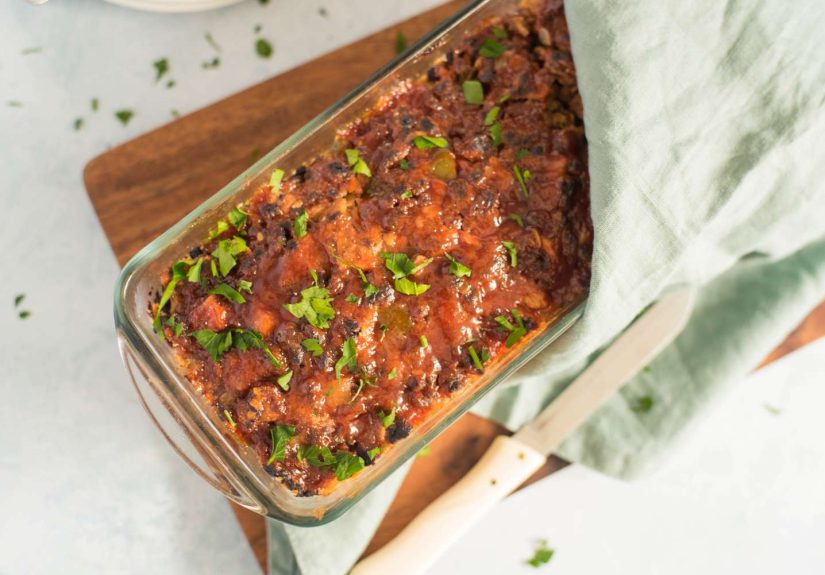
Meatloaf is one of those classic comfort foods that feels like a warm hug… until you remember it’s basically a brick you have to slice politely at dinner. The good news? You can absolutely get that cozy, sliceable, “why is this so satisfying?” vibe without meat, eggs, or dairy. This easy vegetarian vegan meatloaf recipe (often called lentil loaf) is hearty, flavorful, and sturdy enough to hold together which is the meatloaf equivalent of winning an Olympic gold medal.
Below you’ll find a foolproof method, ingredient swaps, and the “why it works” details that keep the loaf from turning into either crumbly confetti or wet stuffing cosplay. Let’s bake.
Why This Vegan Meatloaf Works (So You Don’t Have to “Wing It”)
A great vegan meatloaf needs three things: structure, savory depth, and the right moisture level. Traditional meatloaf relies on fat, eggs, and meat proteins to bind. In plant-based land, we build that same “sliceable loaf” texture with a team effort:
- Lentils = the hearty base. They bring body, protein, and that classic “fork resistance” you want in a loaf.
- Mushrooms + onions = umami and richness. When cooked down, they add a meaty vibe without tasting like… well, sadness.
- Walnuts (or sunflower seeds) = texture + richness. They mimic the satisfying bite of a traditional loaf and keep things from tasting flat.
- Oats + breadcrumbs = the structural crew. They absorb moisture and help bind everything into clean slices.
- Flax “egg” = the vegan glue. Ground flax + water forms a gel that helps hold the loaf together.
The biggest secret is also the least glamorous: cook the vegetables first. Raw veggies release water while baking, which can make a loaf soggy or prevent it from setting. Sautéing drives off excess moisture and concentrates flavortwo wins for the price of one skillet.
Ingredients (Plus Easy Substitutions)
Base Ingredients
- Cooked lentils (about 3 cups cooked; from ~1 1/4 cups dry brown/green lentils)
- Cremini or button mushrooms (8 oz), finely chopped
- Yellow onion (1 medium), finely diced
- Carrots (1–2), grated or minced
- Celery (1–2 ribs), minced (optional but great)
- Garlic (3–4 cloves), minced
- Walnuts (3/4 cup), pulsed into coarse crumbs
- Rolled oats (1 cup)
- Breadcrumbs (1/2 cup) or more oats for oat-only
- Ground flaxseed (2 tbsp) + water (5 tbsp) for flax “eggs”
- Tomato paste (2 tbsp) or ketchup (3 tbsp)
- Soy sauce or tamari (1–2 tbsp) for savory depth
- Nutritional yeast (2–3 tbsp, optional but adds a “savory-cheesy” note)
- Spices: smoked paprika (1 tsp), dried thyme (1 tsp), black pepper (1/2 tsp), salt (to taste)
Substitutions That Actually Work
- Nut-free: swap walnuts for sunflower seeds or pumpkin seeds.
- Gluten-free: use GF oats + GF breadcrumbs (or oat flour).
- Bean variation: replace 1 cup of lentils with mashed chickpeas or black beans for a different texture.
- Extra “meaty” flavor: add 1 tsp Worcestershire-style vegan sauce (check label) or a pinch of MSG (optional).
- Vegetarian (not vegan): you can use 2 eggs instead of flax eggs and add 1/2 cup shredded cheese for a richer loaf.
Step-by-Step: How to Make Vegan Meatloaf (The Easy Way)
1) Prep the flax “eggs”
In a small bowl, mix 2 tbsp ground flaxseed with 5 tbsp water. Stir and let sit for 5–10 minutes until gel-like. (Yes, it looks a little weird. No, we don’t judge.)
2) Cook the lentils (or use leftovers)
Cook brown or green lentils until tender but not falling apart. Drain well and cool a bit. If your lentils are watery, your loaf will be tooso let them steam off for a minute in the colander.
3) Sauté the vegetables (this prevents a soggy loaf)
Heat a skillet over medium heat with 1–2 tbsp olive oil (or broth for oil-free). Cook onion, mushrooms, carrots, celery, and garlic for 8–12 minutes until the mixture is softened and most moisture has cooked off. You want “fragrant and a little browned,” not “wet salad.”
4) Pulse for texturedon’t puree
In a food processor, pulse walnuts into coarse crumbs. Add about 2 cups of lentils and pulse just a few times. You want a mix of mashed and whole lentils. This “partial mash” is a big reason the loaf holds together and still has bite.
5) Mix everything
In a large bowl, combine:
- Processed lentil-walnut mixture + remaining lentils
- Sautéed vegetables
- Oats, breadcrumbs, tomato paste, soy sauce/tamari
- Flax mixture, spices, nutritional yeast (if using)
Mix until cohesive. The mixture should be moist but not wet. If it feels sloppy, add 2–4 tbsp breadcrumbs. If it feels dry and crumbly, add 1–2 tbsp broth or ketchup.
6) Pack the loaf firmly
Line a loaf pan (9×5) with parchment (makes lifting out easier), or grease it well. Press the mixture in firmlythink “snowball packing,” not “gentle spa treatment.”
7) Glaze + bake
Spread glaze over the top (options below). Bake at 375°F for 45–55 minutes, until the top looks set and slightly caramelized.
8) Rest before slicing (this is not optional)
Let the loaf rest 15–20 minutes before slicing. This helps it firm up and slice cleanly. If you slice immediately, it may crumble because the binders haven’t finished setting.
Easy Glaze Options (Pick Your Personality)
Classic Sweet-Tangy Ketchup Glaze
- 1/3 cup ketchup
- 1 tbsp balsamic vinegar
- 1–2 tsp brown sugar or maple syrup
- 1/2 tsp garlic powder (optional)
BBQ Glaze (Smoky + Bold)
- 1/3 cup BBQ sauce
- 1 tsp mustard
- 1 tsp apple cider vinegar
Spicy “I Came to Win” Glaze
- 1/3 cup ketchup
- 1–2 tsp sriracha or hot sauce
- 1 tsp maple syrup
Printable Recipe Card: Easy Vegetarian Vegan Meatloaf Recipe
Ingredients
- 1 1/4 cups dry brown/green lentils (or ~3 cups cooked)
- 8 oz mushrooms, finely chopped
- 1 medium onion, diced
- 1–2 carrots, grated/minced
- 1–2 celery ribs, minced (optional)
- 3–4 cloves garlic, minced
- 3/4 cup walnuts, pulsed into crumbs (or sunflower seeds)
- 1 cup rolled oats
- 1/2 cup breadcrumbs (GF if needed)
- 2 tbsp ground flaxseed + 5 tbsp water
- 2 tbsp tomato paste (or 3 tbsp ketchup)
- 1–2 tbsp soy sauce or tamari
- 2–3 tbsp nutritional yeast (optional)
- 1 tsp smoked paprika, 1 tsp thyme, 1/2 tsp black pepper, salt to taste
- Glaze of choice (see above)
Instructions
- Preheat oven to 375°F. Line a 9×5 loaf pan with parchment.
- Mix flaxseed + water; let gel 5–10 minutes.
- Cook lentils until tender. Drain well and cool slightly.
- Sauté onion, mushrooms, carrots, celery, garlic 8–12 minutes until moisture cooks off.
- Pulse walnuts, then pulse ~2 cups lentils briefly (do not puree).
- Mix lentils, veggies, oats, breadcrumbs, flax gel, tomato paste, soy sauce, spices, and optional nutritional yeast.
- Press mixture firmly into pan, spread glaze on top.
- Bake 45–55 minutes. Rest 15–20 minutes before slicing.
Troubleshooting: Fix the Usual Vegan Meatloaf Drama
“My loaf fell apart.”
- Most common cause: not enough binder or not enough rest time.
- Fix: add 2–4 tbsp breadcrumbs or oat flour; pack firmly; rest at least 15 minutes.
- Texture trick: pulse part of the mixture so some lentils are mashed (this improves cohesion).
“It’s mushy in the middle.”
- Most common cause: vegetables and/or lentils were too wet.
- Fix: sauté longer to cook off moisture; drain lentils well; add oats/breadcrumbs.
- Next time: cool the veggie mixture before mixing so it doesn’t steam the loaf.
“It tastes bland.”
- Fix: add soy sauce/tamari, tomato paste, smoked paprika, and a pinch more salt.
- Flavor boosters: nutritional yeast, a little mustard, or chopped fresh parsley.
Make-Ahead, Storage, and Freezing
- Make ahead: Mix and shape the loaf up to 24 hours ahead; cover and refrigerate. Glaze and bake when ready.
- Leftovers: Cool, then store slices in an airtight container. Great for sandwiches, grain bowls, or crumbled into pasta sauce.
- Freezing: Freeze as a whole loaf or as slices. Wrap well to avoid freezer burn. Thaw overnight in the fridge for best texture.
- Reheating tip: Warm slices in the oven (covered) so they stay moist, or pan-sear lightly for crisp edges.
Serving Ideas (Because Meatloaf Loves a Supporting Cast)
- Classic comfort plate: mashed potatoes + green beans + extra glaze on the side
- Sandwich mode: toasted bread, vegan mayo, mustard, lettuce, pickles
- Meal-prep bowl: quinoa + roasted broccoli + tahini drizzle
- “Sneaky delicious”: crumble leftovers into tacos with salsa and avocado
FAQ
Can I make this oil-free?
Yes. Sauté veggies in broth or water instead of oil. The loaf will still work; walnuts (or seeds) help keep the texture satisfying.
Do I need a food processor?
Not strictly. You can finely chop walnuts and mash some lentils with a fork or potato masher. A processor just makes it faster and more consistent.
How do I make it extra firm for neat slices?
Two tips: (1) press the mixture firmly into the pan, and (2) let it cool longer before slicing. The loaf slices even cleaner after chilling, so it’s amazing for next-day lunches.
Experience Notes (): What People Actually Run Into With Vegan Meatloaf
If you’ve ever tried a vegan meatloaf recipe and ended up with something that looked like it should be served with a ladle, you’re not alone. Plant-based loaves are less forgiving than meat versions because plants don’t have the same protein structure that tightens as it cooks. That’s why the “boring” steps (draining, sautéing, resting) matter more than fancy ingredients. In home kitchens, the biggest difference between “sliceable loaf” and “accidental lentil crumble” is moisture control.
Here’s the pattern most cooks discover: the first time, they’re generous with vegetables (great!) but skip cooking them down (not great), or they dump in lentils straight from the pot (also not great). The loaf tastes good but refuses to behave. The fix isn’t complicated it’s just a little patient. Cooking vegetables until the pan isn’t watery concentrates flavor and keeps the loaf from steaming itself into mush. Draining lentils well (and letting them cool a bit) stops them from adding hidden liquid to the mix.
The second most common real-life issue is texture expectation. Some people want their vegan meatloaf to mimic deli-slice firmness. Others want “soft but sliceable.” You can steer the outcome either way. For firmer slices, pulse part of the lentils and add oat flour or breadcrumbs until the mixture holds shape when pressed. Pack it firmly into the pan. And give it that 15–20 minute rest. For a softer, more tender loaf, keep more lentils whole, use slightly fewer dry binders, and don’t overbake.
Then there’s the flavor curve. Traditional meatloaf brings its own depth from browned meat and fat, so vegan meatloaf needs a few flavor anchors. A little soy sauce or tamari gives savory backbone. Tomato paste adds richness. Smoked paprika gives that “was this cooked on a grill?” illusion. Mushrooms help too, but only if they’re cooked long enough to brown and lose water. If you want the loaf to impress skeptical eaters, don’t be shy about seasoning the base mixture before baking. (Yes, taste itthere’s no raw meat here to haunt you.)
Finally, the most underrated “experience” tip is how leftovers behave. Vegan meatloaf often slices better the next day. As it chills, the oats and breadcrumbs finish absorbing moisture, and the flax binder firms up. That’s why this recipe is secretly a meal-prep hero. Bake it once, then enjoy sandwiches, bowls, and crispy-edged pan-seared slices all week. It’s comfort food that pulls double duty which is honestly the most meatloaf thing about it.
Conclusion
This easy vegetarian vegan meatloaf recipe proves you don’t need meat (or eggs) to make a hearty, classic comfort-food centerpiece. Keep moisture in check, build layers of savory flavor, let the loaf rest, and you’ll get clean slices with that nostalgic meatloaf energy minus the “why is there a meat brick in my oven?” part.