Table of Contents >> Show >> Hide
- What a Car Fuse Actually Does
- 7 Common Symptoms of a Blown Car Fuse
- 1. One Electrical Feature Suddenly Stops Working
- 2. Several Related Features Quit at the Same Time
- 3. The Problem Is Intermittent Before It Becomes Permanent
- 4. You Notice a Brief Burning Smell or Heat-Related Odor
- 5. A Warning Message, Dead Indicator, or No-Response Circuit Appears
- 6. The Fuse Looks Bad on Visual Inspection
- 7. The Replacement Fuse Blows Again
- How to Confirm a Car Fuse Is Blown
- Blown Fuse vs. Bad Battery vs. Bad Relay vs. Dead Component
- Common Mistakes to Avoid
- When You Should Call a Professional
- Final Thoughts
- Driver Experiences: What Blown Fuse Problems Often Feel Like in Real Life
If your radio suddenly goes silent, your power windows stop mid-dramatic roll, or your cabin fan checks out like it already clocked out for the weekend, a blown car fuse may be the culprit. The good news? Fuses are small, inexpensive, and usually easy to inspect. The less-fun news is that a blown fuse can also be your car’s way of saying, “Hey, something deeper is wrong in this circuit.”
That is why knowing the common symptoms of a blown car fuse matters. It can save you time, prevent unnecessary parts swapping, and help you avoid turning a simple electrical issue into a full-blown diagnostic soap opera. In this guide, we will break down how to tell if a car fuse is blown, what the top warning signs look like in the real world, how to confirm the problem, and when replacing the fuse is only the beginning.
What a Car Fuse Actually Does
A car fuse is a small protective device designed to break the circuit if too much electrical current flows through it. Think of it as the bodyguard for your vehicle’s wiring and electronics. When a short circuit, overload, or sudden spike happens, the fuse sacrifices itself so your wiring harness, switches, control modules, or accessories do not get cooked.
Modern vehicles use fuses for everything from headlights and power locks to infotainment systems, blower motors, and 12-volt outlets. Some fuses protect a single item. Others protect a small family of related components. That is why one blown fuse might kill only your dome light, while another can take out your power windows, mirror controls, and sunroof in one dramatic plot twist.
7 Common Symptoms of a Blown Car Fuse
1. One Electrical Feature Suddenly Stops Working
This is the classic sign. A single accessory works fine one minute and then stops the next. Common examples include a dead radio, a power outlet that no longer charges your phone, interior lights that refuse to turn on, windshield wipers that do nothing, or a horn that has decided silence is its new personality.
What makes this symptom suspicious is the suddenness. A fuse-related failure usually feels abrupt, not gradual. Motors and switches often get weak before they die. A fuse tends to be more dramatic: on, then off, with no sentimental farewell.
2. Several Related Features Quit at the Same Time
If multiple components stop working together, there is a strong chance they share the same fuse or circuit. For example, all power windows may stop responding, or your HVAC fan, rear defroster, and accessory outlet may all act up at once depending on the vehicle’s design.
This is one of the easiest clues to miss because people often assume several bad components failed at the same time. That can happen, but it is far less common than one shared fuse blowing. When related systems go dark together, start with the fuse box before blaming every switch in the car.
3. The Problem Is Intermittent Before It Becomes Permanent
Sometimes a fuse issue shows up like a flaky roommate. The radio flickers. The blower fan works only on certain bumps. The wipers stutter, recover, and then stop entirely. In some cases, the fuse is not the original problem but the final victim. A chafed wire, loose connection, or failing motor may overload the circuit off and on until the fuse finally gives up.
If a circuit behaves inconsistently and then dies completely, checking the fuse is smart. Just do not stop there if the new fuse blows again. Repeated fuse failure usually means the fuse is doing its job and protecting you from a deeper wiring or component problem.
4. You Notice a Brief Burning Smell or Heat-Related Odor
Not every blown fuse comes with a smell, but some do. A short-lived burning odor, hot-plastic scent, or faint electrical smell can happen when the fuse element melts. If you notice that smell right when a feature stops working, the fuse deserves a look.
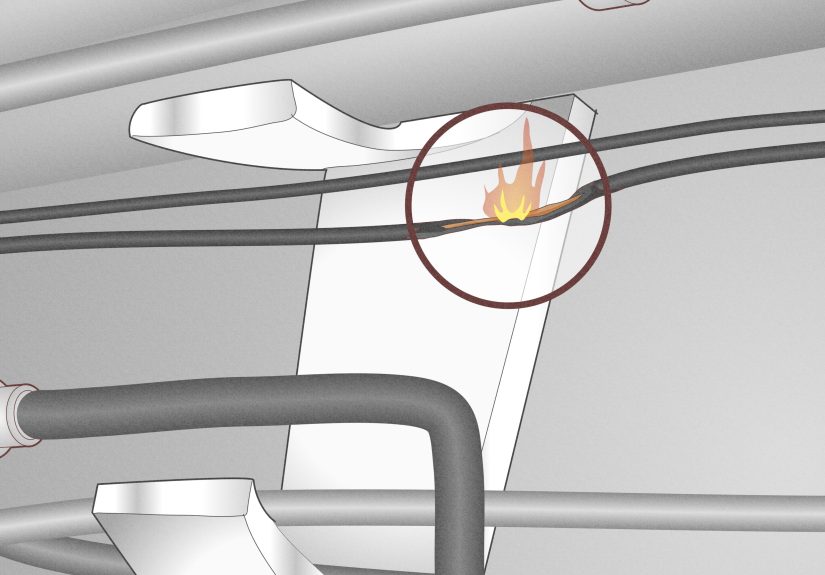
That said, do not romanticize the smell test. If you notice lingering heat, melted plastic around the fuse, or visible damage to the fuse box, stop troubleshooting casually and get the issue inspected properly. That points beyond “tiny fuse drama” and closer to “electrical system with anger issues.”
5. A Warning Message, Dead Indicator, or No-Response Circuit Appears
Some vehicles will trigger a warning message or make it obvious that a protected circuit has failed. You may see a dead accessory display, an inactive switch light, or a warning related to the affected system. In newer vehicles, a blown fuse can also make a feature seem completely unresponsive even though the component itself is still fine.
For example, pressing the power lock switch may do absolutely nothing. No click. No motor noise. No half-hearted attempt. That total silence is often a clue that power never reached the component at all.
6. The Fuse Looks Bad on Visual Inspection
Sometimes the fuse practically confesses. Most blade-style automotive fuses have a visible metal strip inside a plastic housing. If that strip is broken, burned, or separated, the fuse is blown. You may also see dark discoloration, cloudiness, or melting.
Visual inspection is helpful, but it is not perfect. Some fuses fail in ways that are hard to see, especially in poor lighting or if the plastic body is tinted. That is why a multimeter or test light is often the better confirmation tool.
7. The Replacement Fuse Blows Again
This is the symptom that changes the story. If you replace a blown fuse with one of the same amperage and it blows again quickly, the fuse was not the root problem. It was the messenger. And, unfortunately, someone keeps shooting the messenger.
Repeat failures often point to a short circuit, rubbed-through wire insulation, moisture intrusion, a seized motor, or a component drawing too much current. A fuse that blows again is less of a repair and more of a diagnostic invitation.
How to Confirm a Car Fuse Is Blown
Spotting the symptoms is helpful, but confirmation matters. Here is the practical process:
- Find the right fuse box. Many vehicles have one under the dashboard and another under the hood.
- Use the owner’s manual or fuse-box diagram. Do not guess. Modern fuse layouts can look like alphabet soup with amperage ratings.
- Pull the suspected fuse carefully. A plastic fuse puller is best, though needle-nose pliers can work gently.
- Inspect the fuse visually. Look for a broken internal strip, blackening, or melted plastic.
- Test it with a multimeter or test light. Continuity testing is more reliable than eyeballing it.
- Replace it only with the same amperage rating. If the old fuse is 15A, use 15A. Not 20A. Not “close enough.” Not “this is what I had in the glovebox.”
If the system comes back to life and keeps working, you may have solved it. If the new fuse blows again, the real issue is somewhere in the circuit, not in the fuse itself.
Blown Fuse vs. Bad Battery vs. Bad Relay vs. Dead Component
Electrical symptoms love to impersonate one another. A blown fuse can look like a bad switch. A dying battery can look like a fuse issue. A failed relay can imitate both while sitting there smugly.
Here is a simple way to think about it:
- Blown fuse: Usually affects one circuit or a group of related features suddenly.
- Weak battery: Often causes widespread symptoms like slow cranking, dim lights, or multiple electronics acting weird at once.
- Bad relay: Can cause a single system not to engage even though its fuse is good.
- Failed motor or switch: The fuse may be fine, but the component still does not operate.
If the symptom is isolated, sudden, and silent, start with the fuse. If the whole car acts haunted, the battery and charging system deserve attention too.
Common Mistakes to Avoid
- Using a higher-amperage fuse: This is the big one. It can allow too much current through the circuit and damage wiring or modules.
- Replacing the fuse without finding repeat causes: If it blows again, there is a reason.
- Assuming every dead accessory means a blown fuse: Switches, relays, wiring, motors, modules, and batteries also fail.
- Ignoring moisture or corrosion: Water intrusion can create recurring electrical issues that keep taking out fuses.
- Testing randomly: Always identify the correct fuse by diagram or manual before pulling parts like a game-show contestant.
When You Should Call a Professional
A single blown fuse with an obvious, one-time cause is often manageable for a DIYer. But you should get professional help if:
- the same fuse keeps blowing,
- there is melting in the fuse box,
- you smell persistent burning,
- important systems like headlights, ABS-related circuits, wipers, or engine-management components are affected, or
- you are tracing a short and realize the wiring disappears into half the dashboard like a magician’s scarf.
Electrical diagnosis can be straightforward, but modern cars pack a lot of electronics into tight spaces. Sometimes the cheapest move is paying for accurate diagnosis before buying parts that were innocent the whole time.
Final Thoughts
If you are wondering how to tell if a car fuse is blown, the biggest clues are usually simple: one or more electrical features stop working suddenly, the affected circuit goes totally silent, the fuse looks burned or broken, or a replacement fuse blows again. In many cases, the fuse is easy to check and cheap to replace. The real trick is knowing when a blown fuse is the problem and when it is only the symptom.
Start with the fuse because it is fast, logical, and inexpensive. But if the issue keeps returning, do not keep feeding the fuse box like it is a vending machine. Your car is asking for diagnosis, not just another tiny plastic sacrifice.
Driver Experiences: What Blown Fuse Problems Often Feel Like in Real Life
In real-world driving, a blown fuse rarely announces itself with a neat label and a dramatic soundtrack. It usually shows up in the middle of normal life. A commuter gets into the car before sunrise, hits the rear defroster, and nothing happens. The radio still works, the engine starts, and the headlights are fine, so the problem feels oddly specific. That kind of narrow failure is exactly why people often overlook a fuse at first. They think, “Maybe the button is bad,” when the real answer is much smaller and much cheaper.
Another common experience happens with power windows. A driver stops at a gate, taps the switch, and gets absolutely nothing. No motor sound, no glass movement, no reluctant half-inch drop. If all the windows are dead at once, the owner may panic and imagine a major electrical failure. In many cases, though, one fuse protects the whole system. The moment that fuse goes, the car acts like the window switches have been put on permanent vacation.
Cabin fans create another classic blown-fuse story. You turn on the heat or A/C, and the controls light up, but no air comes out. The cabin remains as still as a waiting room. Many drivers assume the blower motor has failed, and sometimes that is true. But the first practical check is still the fuse. It is much easier to inspect a fuse than to tear into the dash and declare war on the blower assembly.
Then there is the phone-charger mystery. A driver plugs into the 12-volt outlet or accessory socket and gets no charging at all. The cable is fine. The phone is fine. The frustration is not fine. Accessory outlets are famous for blown fuses because they often handle portable inflators, adapters, dash cams, and chargers. One overloaded plug can pop the fuse, and suddenly your car becomes a dead zone for battery percentages.
Some experiences are a little more unsettling. Imagine hitting the wiper switch during unexpected rain and getting no sweep from the blades. Or trying the horn and hearing nothing when traffic suddenly gets creative. These are the moments when a blown fuse stops feeling like a small annoyance and starts feeling like a real safety issue. That is why electrical problems affecting wipers, exterior lights, or safety-related systems deserve faster attention.
Perhaps the most frustrating experience is replacing the fuse, watching everything work again, and then having the new fuse blow two days later. That is when the emotional journey shifts from relief to suspicion. Drivers often describe this stage as feeling like the car is playing games. In reality, the fuse is simply proving that another problem exists somewhere in the circuit. A rubbed wire, moisture in a connector, or a motor pulling too much current can hide behind that repeat failure.
The most useful takeaway from these experiences is this: blown fuse symptoms usually feel sudden, specific, and oddly localized. One system fails, or a few related ones fail together, while the rest of the car behaves normally. When that pattern shows up, checking the fuse box is not just smart; it is often the fastest path from confusion to clarity.