Table of Contents >> Show >> Hide
When it comes to indulgent, comforting dishes, few can rival the savory richness of a terrine. This traditional French dish is known for its depth of flavor, and the combination of duck and pork elevates the experience to something truly extraordinary. If you’re looking for a way to impress your guests at your next dinner party, a Duck and Pork Terrine is the way to go. In this article, we’ll walk you through the steps to make this delectable dish at home, with tips and tricks to help you succeed every time.
What Is a Duck and Pork Terrine?
A terrine is a type of pâté or meat loaf traditionally made by slowly cooking a mixture of ground meat and fat, often with vegetables and seasonings, in a covered dish. While terrines can be made with a variety of meats, the combination of duck and pork is especially popular due to the balance of flavor and texture. The duck brings a rich, gamey quality, while the pork adds moisture and sweetness. Together, they create a harmonious and indulgent dish that’s perfect for a special occasion.
Ingredients for Duck and Pork Terrine
To make a Duck and Pork Terrine, you will need a few key ingredients. Here’s a simple list to get you started:
- 1 lb duck breast (preferably skin-on, for extra flavor)
- 1 lb pork shoulder or pork belly
- 1/2 lb pork fatback
- 2 medium shallots, finely chopped
- 2 cloves garlic, minced
- 1/2 cup cognac or brandy
- 1/4 cup heavy cream
- 1 teaspoon thyme
- 1/2 teaspoon allspice
- 1/2 teaspoon nutmeg
- Salt and freshly ground black pepper to taste
- 1/4 cup fresh parsley, chopped
- 2 strips of bacon (optional, for added flavor)
- Pate mold or loaf pan
How to Make Duck and Pork Terrine
Step 1: Prepare the Meat
Start by trimming your meats. Cut the duck breast and pork shoulder into cubes, making sure they are of roughly the same size for even grinding. If you’re using pork fatback, chop it into small pieces as well. This will help ensure that the fat is evenly distributed throughout the terrine.
Next, grind the meats. You can use a meat grinder, or if you don’t have one, a food processor will work just as well. Grind the meats and fat in batches to avoid overloading the machine. The goal is to create a fine, but not mushy, texture. Once all the meat is ground, transfer it to a large mixing bowl.
Step 2: Season the Meat
Now comes the fun partseasoning! Add the shallots, garlic, thyme, allspice, nutmeg, and salt and pepper to the ground meat. Be sure to mix everything thoroughly so that the spices are evenly distributed. Next, add the cognac (or brandy) and heavy cream. These ingredients will help bind the mixture together and add a touch of richness. If you want a more intense flavor, you can even marinate the mixture overnight in the fridge, but this step is optional.
Step 3: Add the Parsley and Bacon
Once your mixture is well-seasoned, stir in the fresh parsley for a burst of color and freshness. If you’re using bacon, chop it into small pieces and add it to the mixture as well. Bacon will infuse the terrine with an irresistible smoky flavor that complements the richness of the duck and pork.
Step 4: Prepare the Mold
Now it’s time to prepare the mold. If you’re using a traditional terrine mold, line it with parchment paper or lightly grease it to prevent the terrine from sticking. If you don’t have a terrine mold, a loaf pan will work just fine. To ensure even cooking, place a layer of bacon strips at the bottom of the mold, if desired. This will also add a lovely layer of crispy texture to the final dish.
Step 5: Fill the Mold
Carefully spoon the duck and pork mixture into the mold, pressing it down to eliminate air pockets. Be sure to fill the mold all the way to the top, as the mixture may shrink slightly during cooking. Once the mold is filled, cover it with foil or a lid and refrigerate it for at least 30 minutes to firm up the mixture.
Step 6: Bake the Terrine
Preheat your oven to 325°F (163°C). Place the terrine mold in a water bath (a larger baking dish filled with hot water that reaches halfway up the sides of the terrine). This will ensure that the terrine cooks evenly and doesn’t dry out. Bake the terrine for about 2 hours, or until the internal temperature reaches 160°F (71°C).
Step 7: Let It Rest
Once the terrine is cooked, remove it from the oven and allow it to cool in the mold for at least an hour. Then, refrigerate it for a few hours or overnight to let the flavors develop. The terrine will firm up as it cools, making it easier to slice.
Serving Your Duck and Pork Terrine
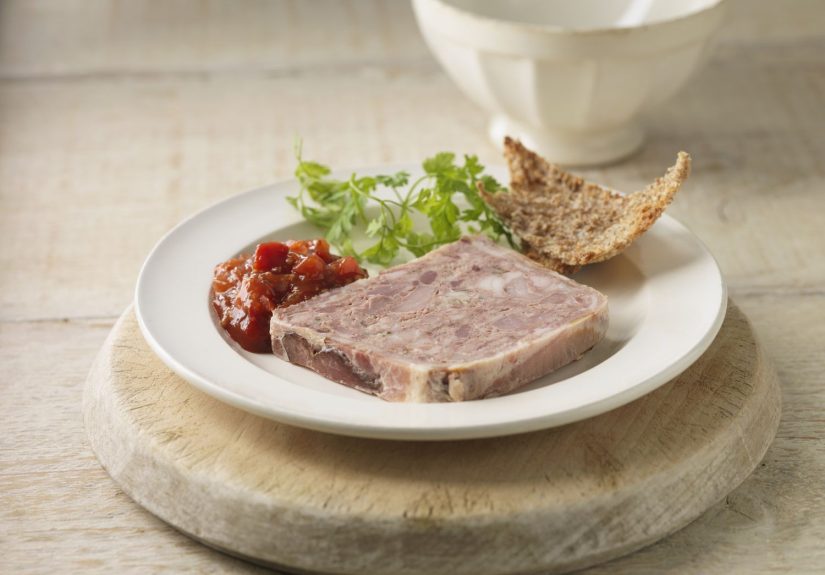
When you’re ready to serve the terrine, remove it from the mold and slice it into thick, beautiful pieces. Duck and Pork Terrine pairs wonderfully with crusty bread, pickles, or a tangy chutney. It also makes an excellent appetizer or even a main course if you’re looking for something unique and impressive.
For an added touch, serve the terrine with a fresh salad or a light, crisp white wine, such as Chardonnay or Sauvignon Blanc. The richness of the terrine will complement the acidity of the wine, creating a perfectly balanced dining experience.
Tips for Success
- Choose quality meats: The key to a great terrine is using high-quality duck and pork. Opt for organic or pasture-raised meats for the best flavor and texture.
- Don’t rush the process: Terrines require patience. Let the flavors develop by refrigerating the mixture before baking, and allow it to rest after cooking.
- Experiment with spices: Feel free to play around with different herbs and spices to personalize the flavor of your terrine. Rosemary, bay leaves, and orange zest are all great options to try.
Why Make a Duck and Pork Terrine?
Making a Duck and Pork Terrine at home is not only a fun and rewarding project, but it’s also a fantastic way to impress guests with your culinary skills. Whether you’re planning a fancy dinner party or simply craving something indulgent, this terrine is sure to satisfy your taste buds.
Related Recipes
If you love the rich, savory flavors of terrine, you might also enjoy other French specialties such as:
Conclusion
Duck and Pork Terrine is a classic dish that combines bold flavors and a smooth, rich texture. With a little patience and the right ingredients, you can create a terrine that will elevate any meal. So why not give it a try and add this gourmet dish to your recipe collection? You’ll be surprised at how satisfying it is to make and even more delighted by the delicious results.
Experience with Duck and Pork Terrine
Over the years, I’ve had the pleasure of experimenting with various terrine recipes, and the combination of duck and pork remains one of my absolute favorites. The first time I made a Duck and Pork Terrine, I was amazed by how something so simple could have such depth of flavor. The process of grinding the meats and carefully seasoning the mixture was therapeutic, and the end result exceeded my expectations. It was the perfect balance of rich, savory duck and moist, tender pork, with a subtle kick from the spices.
Since then, I’ve made this terrine several times, each time tweaking the recipe slightly based on what I had on hand or my guests’ preferences. I’ve experimented with adding dried fruits like apricots or figs, which lend a sweet contrast to the savory richness of the meats. One memorable variation included adding a splash of red wine to the mix for extra depth.
In terms of presentation, serving the terrine with a side of crunchy, tangy pickles has always been a hit. The acidity cuts through the richness of the terrine, making each bite more refreshing. I also recommend pairing it with a crisp white wine to complement the dish’s luxurious flavors. As a host, there’s nothing quite like watching your guests take their first bite and see their eyes light up with surprise and pleasure. Duck and Pork Terrine is a conversation starter and a showstopper, and it’s the perfect dish to impress any foodie.