Table of Contents >> Show >> Hide
- Why Potassium Matters in Kidney Diets
- The Big Truth: There Are Few Truly Low-Potassium Animal Proteins
- Lower-Potassium Meat and Fish Choices to Know
- What Makes a Meat or Fish Choice Kidney-Friendlier?
- Best Meat and Fish Strategies for Different Kidney Diet Situations
- Easy Lower-Potassium Meal Ideas
- Common Mistakes to Avoid
- How to Read Labels Like a Kidney-Diet Pro
- Final Takeaway
- Practical Experiences: What This Topic Looks Like in Real Life
- SEO Tags
Note: This article is for general education and should not replace advice from your nephrologist or renal dietitian.
Shopping for protein on a kidney diet can feel a little like dating apps: lots of options, not enough context, and at least a few choices that look promising until you read the fine print. If you need to limit potassium, meat and fish can absolutely stay on the menu. The trick is knowing that “kidney-friendly” is not just about protein. It is also about portion size, sodium, phosphorus additives, and whether that innocent-looking package is secretly wearing a potassium chloride disguise.
Here is the good news: many fresh, plain meat and seafood options can fit into a kidney diet. Here is the less-fun-but-important news: there are very few animal proteins that are truly low in potassium in generous portions. In real life, the goal is usually to choose lower-potassium meats and fish, keep portions realistic, and avoid processed products that pile on sodium and phosphorus. In other words, this is not a “never eat protein again” situation. It is more of a “choose wisely and do not let the deli counter run your life” situation.
Why Potassium Matters in Kidney Diets
Potassium helps your nerves and muscles work properly. Your body needs it. But when kidney function drops, potassium can build up in the blood instead of being filtered out the way it should. That can become dangerous, especially for the heart. This is why some people with chronic kidney disease are told to follow a lower-potassium eating plan.
That said, not everyone with kidney disease needs the same potassium restriction. Kidney diets are highly personal. A person with stage 3 CKD and normal potassium labs may get very different advice from someone with stage 5 CKD, someone on dialysis, or someone taking medicines that raise potassium. That is also why random internet food fear rarely helps. Lab values, stage of disease, and a renal dietitian’s guidance matter more than a dramatic headline about bananas.
Protein needs also change depending on the situation. People with CKD who are not on dialysis often need to be careful not to overdo protein. People on dialysis usually need more high-quality protein. So the question is not only, “Is this meat low in potassium?” It is also, “How much protein do I need, and what is the cleanest way to get it?”
The Big Truth: There Are Few Truly Low-Potassium Animal Proteins
Many people assume meat is automatically low in potassium. Not exactly. Meat, poultry, and fish all contain potassium. Some choices are lower than others, and serving size changes everything. A modest 3-ounce portion may fit your plan nicely. A huge steak the size of a laptop? That can push potassium, protein, sodium, and phosphorus all in the wrong direction at once.
A practical way to think about animal protein on a kidney diet is this:
Best fit: fresh, unprocessed meat or seafood in controlled portions.
Sometimes fit: moderate-potassium options paired with lower-potassium sides.
Usually less ideal: processed meats, heavily seasoned meats, enhanced meats, breaded seafood, deli meats, and anything with lots of sodium or phosphorus additives.
Lower-Potassium Meat and Fish Choices to Know
Based on kidney-diet food guides, these examples can help you make smarter picks. Potassium numbers vary by brand, cut, preparation, and serving size, so think of these as practical reference points rather than holy scripture delivered by a grocery store angel.
| Protein Choice | Typical Portion | Potassium Level | What to Know |
|---|---|---|---|
| Clams | 3 ounces | Very low for seafood | A standout choice if you want seafood with relatively low potassium. |
| Oysters | About 6 oysters | Low | Can fit well in a kidney diet, depending on sodium in preparation. |
| Smoked salmon or lox | 3 ounces | Low by potassium count | Watch sodium closely. Great example of why one nutrient never tells the whole story. |
| Cod | 3 ounces | Moderate | Often a smart seafood choice when portions stay modest. |
| Lobster | 3 ounces | Moderate | Reasonable occasionally, especially if not drenched in salty seasoning. |
| Scallops | 3 ounces | Moderate | Easy to pair with rice or pasta and lower-potassium sides. |
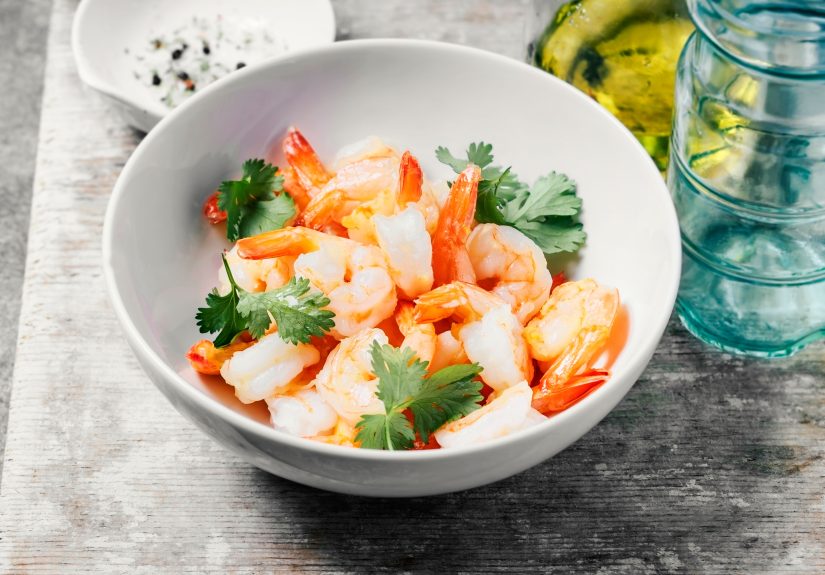
| Shrimp | 3 ounces | Moderate | Kidney-diet friendly in many plans, but check sodium if pre-seasoned or frozen in sauce. |
| Light tuna in water | 3 ounces | Moderate | Convenient and workable; drain and rinse if canned to help reduce extra sodium. |
| Skinless chicken breast | 3 ounces | Moderate | One of the most practical everyday choices for many kidney diets. |
| Fresh turkey or lean pork | 3 ounces | Often higher than chicken | Not forbidden, but not automatically the best lower-potassium pick. |
| Ground beef, roast beef, lamb | 3 ounces | Often higher | Can be more challenging for non-dialysis CKD plans, especially when eaten often. |
| Fresh tuna steaks, pollock, haddock, farmed salmon | 3 ounces | Higher | Nutritionally valuable in some ways, but not the lowest-potassium seafood choices. |
What Makes a Meat or Fish Choice Kidney-Friendlier?
1. Portion Size Does a Lot of Heavy Lifting
For many kidney meal plans, 3 ounces of cooked meat or fish is the standard reference portion. That is about the size of your palm or a deck of cards. It is not glamorous, but it works. A moderate-potassium protein can fit much more easily when you keep the portion in check. A larger serving turns “reasonable” into “why are my labs yelling at me?” surprisingly fast.
2. Fresh Beats Processed Almost Every Time
Fresh fish, fresh chicken, fresh turkey, and plain cuts of meat are usually far better picks than deli meats, hot dogs, sausages, canned chili, breaded frozen entrees, or pre-marinated meats. Processed products are often high in sodium, and many also contain phosphorus additives. Some enhanced meats and packaged “low-sodium” products may also sneak in potassium chloride. That is one of those label-reading plot twists kidney diets do not warn you about soon enough.
3. Sodium Matters Right Alongside Potassium
Even when potassium is the headline nutrient, sodium is still very much in the cast. High sodium can worsen fluid retention and blood pressure, which is bad news for kidneys. Fish can be excellent for a kidney diet, but fresh fish is usually better than canned or smoked versions if sodium needs to stay low. If you do use canned meat or canned fish, drain and rinse it.
4. Phosphorus Additives Can Turn “Protein” into a Poor Trade
Many kidney-friendly discussions focus on potassium, but phosphorus deserves a seat at the table too. Processed meats and enhanced meats can contain phosphorus additives that are highly absorbable. On ingredient lists, look for words with “phos” in them. If the label reads like a chemistry quiz, your kidneys probably will not clap.
5. Cooking Method Changes the Outcome
Broiled, baked, grilled, poached, sautéed, or air-fried proteins usually work better than breaded, battered, heavily sauced, or cured options. Lemon, garlic, pepper, parsley, dill, onion powder, and other herbs can add plenty of flavor. Salt substitutes are not a free pass; many contain potassium chloride and can be a problem for people on potassium-restricted diets.
Best Meat and Fish Strategies for Different Kidney Diet Situations
For CKD Stages 3 to 5 Not on Dialysis
The usual goal is to get enough protein without overloading the kidneys. Lean proteins such as chicken, eggs, and fish are often easier fits than large portions of red meat. Many kidney-friendly plans for non-dialysis CKD also encourage limiting red meat and avoiding organ meats. In this phase, quality matters more than protein bravado. Nobody wins a medal for eating a giant porterhouse “for the protein.”
For Dialysis
People on dialysis usually need more high-quality protein. Meat, poultry, fish, and eggs often become more important. But more protein does not mean processed meats get a magical health halo. The best choices are still typically fresh, plain, and portioned with the rest of the meal in mind. Fish can be especially useful because it offers quality protein, and many varieties also provide heart-healthy fats.
Easy Lower-Potassium Meal Ideas
Lemon cod with rice and green beans: A cleaner option than breaded fish with fries and salty tartar sauce.
Chicken breast with pasta and roasted cabbage: Familiar, filling, and easier to control than a deli sandwich loaded with tomato, cheese, and processed meat.
Shrimp tossed with garlic, olive oil, and noodles: Great for nights when you want something fast but not packaged into sodium oblivion.
Tuna salad made with rinsed canned light tuna: Keep the portion sensible and skip overly salty add-ins.
Oysters or clams as an occasional protein centerpiece: Less common, but helpful examples of seafood that can be relatively low in potassium.
Common Mistakes to Avoid
The first mistake is assuming all fish is low in potassium. It is not. Some fish choices are much better than others, and portion size still matters. The second mistake is assuming “low-sodium” means kidney-safe. Some low-sodium foods use potassium chloride instead of regular salt, which can backfire if you need to limit potassium. The third mistake is focusing only on the meat while forgetting the sides. A modest chicken breast can fit nicely, but not if it comes with tomato sauce, potatoes, and a sports drink playing backup singer.
Another common mistake is leaning too hard on convenience foods. Rotisserie chicken, deli turkey, flavored tuna packets, frozen breaded fish, and sausage may save time, but they often bring extra sodium, additives, or both. Convenience is nice. So are kidneys. Sometimes they are not on the same team.
How to Read Labels Like a Kidney-Diet Pro
Look for these clues before you buy meat or fish:
- Choose fresh or minimally processed products first.
- Watch serving size carefully; nutrients add up fast when portions double.
- Avoid products with potassium chloride if you are on a potassium restriction.
- Watch for phosphorus additives by scanning for ingredients containing “phos.”
- Pick lower-sodium options whenever possible.
- Be careful with smoked, cured, marinated, seasoned, and “enhanced” meats.
Final Takeaway
The best low-potassium meat and fish choices for kidney diets are usually the simplest ones: fresh, plain, modest portions of protein that do not come wrapped in extra sodium, phosphorus additives, or potassium chloride. Clams and oysters stand out as surprisingly low-potassium seafood options. Skinless chicken breast, cod, scallops, shrimp, lobster, and canned light tuna can also fit well in many kidney meal plans when portions stay controlled. Heavily processed meats, deli meats, hot dogs, breaded seafood, and large red-meat portions are generally harder fits.
If there is one message worth taping to your refrigerator, it is this: do not chase a mythical “perfect” protein. Build a repeatable system instead. Choose fresh over processed, keep portions honest, pair proteins with lower-potassium sides, and check labels like you mean it. Kidney diets are detail-oriented, yes, but they do not have to be joyless. A well-seasoned piece of fish and a smart plate can still taste like dinner, not punishment.
Practical Experiences: What This Topic Looks Like in Real Life
One of the most common experiences people have when they first start a lower-potassium kidney diet is pure grocery-store confusion. Chicken seems fine, then someone says turkey is healthier, then a package says “low sodium,” and suddenly the ingredient list includes potassium chloride. It can feel like the food label is playing a game of hide-and-seek with minerals. In real life, many people eventually discover that the easiest strategy is also the least flashy: buy plain proteins first, then season them yourself at home.
Another real-world lesson is that portion size matters more than people expect. Many adults are used to restaurant servings, oversized meal-prep containers, or “high-protein” social media meals that treat 8 ounces of meat like a warm-up act. Then they learn that a palm-sized 3-ounce serving is the reference point for many kidney meal plans, and it feels almost comically small at first. But after a few weeks, that portion starts to look normal, especially when the rest of the plate includes filling sides that fit the diet.
There is also the issue of convenience. People often say they did well until life got busy. When that happens, deli turkey, frozen breaded fish, canned soups, or pre-marinated meats suddenly look very attractive. The challenge is that these foods often bring sodium, phosphorus additives, and sometimes hidden potassium ingredients. A common success strategy is keeping a few quick, cleaner proteins around, such as plain frozen shrimp, fresh chicken, eggs, or no-salt-added canned fish that can be drained and rinsed.
Dining out is another frequent learning curve. A grilled fish entrée sounds healthy, but then it arrives with tomato relish, seasoned rice, salty broth, and enough sauce to season a small nation. Over time, many people get more comfortable making simple requests: no added salt, sauce on the side, substitute rice or pasta for potatoes, or swap in a lower-potassium vegetable. At first those requests can feel awkward. Later they feel normal, especially when the alternative is getting home and regretting dinner.
Families often go through an adjustment too. One person in the household may need lower potassium, while everyone else still wants familiar meals. In that situation, what tends to work best is building a flexible base meal. For example, cook plain chicken or fish for everyone, then customize the sides and sauces separately. That way the person with kidney disease is not eating sad “special food” while the rest of the family enjoys actual dinner.
Emotionally, many people say the hardest part is food fatigue. The diet can feel overly technical at first. But once they find five or six dependable protein meals that taste good and fit their labs, things get easier. That is usually the turning point: not perfection, but pattern recognition. The people who succeed long term are often the ones who stop hunting for miracle foods and start building repeatable habits. Kidney-friendly eating gets much less overwhelming when dinner is no longer a daily chemistry experiment.