Table of Contents >> Show >> Hide
- Why Jute Rugs Need Special Cleaning
- What You Need Before You Start
- Step 1: Vacuum and Remove Loose Dirt
- Step 2: Spot Clean Spills and Stains Fast
- Step 3: Deodorize and Refresh Without Overwetting
- Step 4: Dry Thoroughly and Protect the Rug for the Future
- Common Mistakes to Avoid When Cleaning a Jute Rug
- When to Call a Professional Rug Cleaner
- How Often Should You Clean a Jute Rug?
- Practical Experiences and Everyday Lessons From Cleaning Jute Rugs
- Final Thoughts
Jute rugs are the cool, laid-back cousins of the rug world. They bring texture, warmth, and that effortlessly natural look that makes a room feel pulled together without trying too hard. But when it comes to cleaning them, jute rugs can also be a little dramatic. Give them too much water, too much scrubbing, or the wrong cleaner, and suddenly your beautiful earthy rug starts acting like it has been personally offended.
The good news is that cleaning a jute rug does not have to feel like a high-stakes hostage negotiation. With the right method, you can remove dust, deal with spills, cut down odors, and help the rug last longer without wrecking the natural fibers. The secret is simple: go dry first, use very little moisture, and work gently.
In this guide, you will learn exactly how to clean a jute rug in 4 steps, what mistakes to avoid, how often to clean it, and how to handle those annoying real-life messes like muddy shoes, coffee drips, and mystery crumbs that seem to multiply overnight.
Why Jute Rugs Need Special Cleaning
Before diving into the steps, it helps to understand what makes a jute rug different from a synthetic or washable rug. Jute is a natural plant fiber. It is strong, textured, and attractive, but it is also highly absorbent. That means it does not love excess water, soaking, steam cleaning, or harsh chemical products.
In plain English, your jute rug is sturdy enough for everyday life, but not sturdy in the “blast it with a carpet shampooer and hope for the best” way. Too much moisture can lead to browning, weakening of the fibers, lingering odors, mildew, or a misshapen rug that suddenly looks like it has had a very rough week.
That is why the best jute rug care routine focuses on regular vacuuming, quick spill response, dry deodorizing, and fast drying. Think of it as maintenance instead of punishment.
What You Need Before You Start
- Vacuum with suction only or a brush roll you can turn off
- Clean, dry microfiber cloths or white towels
- Dull spoon or spatula for lifting solids
- Baking soda or dry carpet cleaning powder safe for natural fibers
- Mild dish soap without bleach
- Small bowl of cool water
- Soft brush or soft cloth
- Fan or hair dryer on a cool or low setting
That is it. No need to assemble a chemistry lab in your living room.
Step 1: Vacuum and Remove Loose Dirt
The first step in cleaning a jute rug is also the one most people skip until the rug looks like it has been through a harvest festival. Regular dry cleaning removes the dust, grit, crumbs, and loose debris that settle into the woven fibers and make the rug look dingy.
How to vacuum a jute rug the right way
Use a vacuum on a low setting or suction-only mode. If your vacuum has a rotating brush or beater bar, turn it off. Those aggressive brush rolls can tug at the weave, rough up the fibers, and create extra shedding. Jute already likes to leave a little fiber dust behind, so there is no need to help it along.
Vacuum slowly in multiple directions to lift dirt from the weave. In high-traffic areas, take a few extra passes. Then lift the rug and vacuum underneath it as well. A surprising amount of dust and loose jute fiber can collect under the rug over time.
For extra dust removal
If the rug is small enough to manage, take it outside and give it a gentle shake. This helps remove loose dirt before you do any spot cleaning. Just do not go full action-movie rug beating unless the rug is sturdy and you know what you are doing. Jute prefers a calmer lifestyle.
Best practice: Vacuum once or twice a week in normal-use rooms, and more often in entryways, dining rooms, or homes with pets and kids.
Step 2: Spot Clean Spills and Stains Fast
If you remember only one rule from this article, make it this: never let a spill sit on a jute rug. Jute fibers absorb liquid quickly, which gives stains a head start and makes cleanup harder. The faster you act, the better your odds of saving the rug and your mood.
How to clean a fresh spill
Blot the spill immediately with a dry white cloth or paper towel. Press firmly to absorb as much liquid as possible. Do not rub. Rubbing pushes the stain deeper into the fibers and spreads the mess around like a bad rumor.
If there are solids involved, such as food, mud, or pet mess, lift them carefully with a spoon or dull spatula first. Then blot the area dry.
How to treat a remaining stain
If blotting alone does not solve the problem, mix a tiny amount of mild dish soap into cool water. Dip a soft cloth into the solution, wring it out extremely well, and dab the stained area lightly. The cloth should be barely damp, not wet. Follow with a clean dry cloth to blot away moisture immediately.
You can also use a dry cleaning solvent or dry carpet cleaner labeled safe for natural-fiber rugs if the manufacturer allows it. Always test any product on a hidden corner first before using it on a visible area. Jute does not enjoy surprises.
What to avoid during spot cleaning
- Do not soak the rug
- Do not use bleach, ammonia, or harsh stain removers
- Do not steam clean
- Do not scrub aggressively
- Do not use hot water
After spot cleaning, dry the area right away with a fan or hair dryer on a cool or low setting. Jute and lingering moisture are not friends.
Step 3: Deodorize and Refresh Without Overwetting
Sometimes a jute rug is not stained, exactly. It just smells a little tired. Maybe it is trapped cooking odors, pet funk, damp weather, or the kind of mystery scent that appears after a busy week. This is where dry deodorizing saves the day.
Use baking soda for odor control
Sprinkle a light, even layer of baking soda over the rug. Let it sit for several hours, or overnight if the rug needs a deeper refresh. Then vacuum thoroughly. This helps absorb odors and lift some embedded dirt without introducing excess moisture.
If you prefer, you can use a dry carpet cleaning powder formulated for natural fibers. Just follow the product instructions carefully and make sure it is compatible with jute.
Brush gently if needed
For textured or chunky jute weaves, a soft brush can help loosen trapped debris before vacuuming. Brush lightly and with the weave rather than fighting against it. Your goal is to encourage the dirt out, not start a wrestling match with the rug.
This step is especially helpful when the rug looks dull but is not technically dirty enough for stain treatment. It is the rug equivalent of drinking water, washing your face, and pretending you got a full eight hours of sleep.
Step 4: Dry Thoroughly and Protect the Rug for the Future
The final step is where many good cleaning efforts go wrong. Even a small amount of moisture left in a jute rug can turn into odor, discoloration, or fiber damage. So once the rug is cleaned, your job is not over until it is thoroughly dry.
How to dry a jute rug properly
Blot the cleaned area with dry towels until no more moisture transfers. Then speed up airflow with a fan, open windows if the weather is dry, or use a hair dryer on a cool or low setting. Make sure both the top and underside of the rug stay dry.
If the spill soaked through, lift the rug and check the floor underneath. Moisture trapped between the rug and the floor can create a second problem you did not ask for.
How to protect your jute rug after cleaning
- Rotate the rug every few months to reduce uneven wear
- Use a rug pad to improve airflow and reduce friction
- Keep the rug out of very damp rooms such as bathrooms
- Use doormats at entrances to cut down dirt and mud
- Treat spills immediately instead of “dealing with it later”
That last one matters more than most people would like to admit.
Common Mistakes to Avoid When Cleaning a Jute Rug
Even well-meaning homeowners can accidentally make a jute rug look worse while trying to make it look better. Here are the most common mistakes:
Using too much water
This is the big one. Saturating a jute rug can cause browning, warping, mildew, and weakened fibers.
Using the wrong vacuum setting
A rotating brush may be great for some carpets, but it can be too rough on jute. Gentle suction wins here.
Letting stains sit
The longer a spill stays on the rug, the more likely it is to leave a mark or an odor behind.
Scrubbing hard
Heavy scrubbing can rough up the fibers, distort the weave, and spread the stain.
Trying to machine wash it
A natural jute rug is not a washable synthetic rug. Unless the manufacturer clearly says otherwise, keep it out of the washing machine.
When to Call a Professional Rug Cleaner
There is no shame in outsourcing when the rug situation gets serious. Call a professional if:
- The stain is large, dark, or old
- The rug has moldy or musty odors that do not improve
- The rug is antique, expensive, or sentimental
- Pet accidents have soaked into the backing
- The rug needs a full deep clean beyond light spot treatment
Look for a cleaner with experience handling natural-fiber rugs. Jute is not the place for guesswork or heroic DIY confidence.
How Often Should You Clean a Jute Rug?
A smart maintenance schedule keeps a natural fiber rug looking fresh without over-cleaning it.
- Vacuum: once or twice a week
- Spot clean: immediately after spills
- Deodorize with baking soda: every few months or as needed
- Rotate: every three to six months
- Professional cleaning: occasionally, depending on wear and manufacturer guidance
That routine is much easier than trying to rescue a neglected rug in one exhausting weekend.
Practical Experiences and Everyday Lessons From Cleaning Jute Rugs
Anyone who lives with a jute rug long enough learns that the rug is both forgiving and picky. Forgiving, because it hides everyday dust better than many plush rugs. Picky, because the second you spill iced coffee on it, the clock starts ticking and your peaceful morning becomes a speed round of blot, blot, blot.
One of the most common experiences people have with jute rugs is the false sense of security they create. From a distance, the rug looks relaxed and low-maintenance. It is earthy. It is textured. It says, “I probably meditate and own a ceramic vase.” Then a splash of water lands on it, and suddenly the rug says, “Actually, I require immediate and precise handling.”
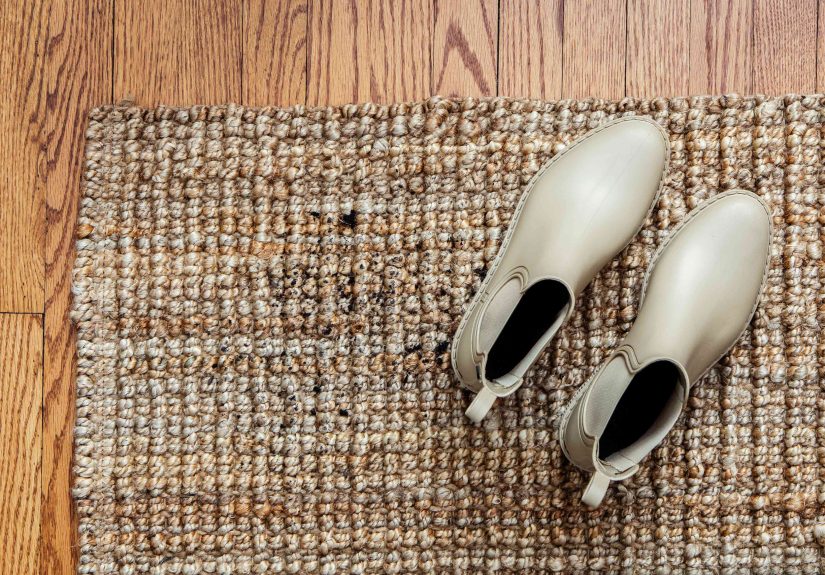
Entryways are another classic learning zone. A jute rug near a front door looks beautiful, but it becomes a magnet for shoes, grit, and damp footprints. Many homeowners discover that the rug still looks fine on top while hiding an entire side hustle of dust underneath. That is why vacuuming under the rug matters more than people expect. The first time you lift it and see the debris below, it feels less like cleaning and more like uncovering archaeological evidence of your household habits.
Dining areas can also be revealing. Dry crumbs usually come up easily with a vacuum, which makes jute seem like a genius choice. But sauces, juice, or salad dressing teach a harsher lesson. Liquid sinks into the weave fast, and rubbing only makes the situation bigger and sadder. People who handle those spills well usually do the same thing every time: lift solids first, blot quickly, use almost no moisture, and dry the area immediately. The people who panic-scrub often end up with a bigger stain and a stronger opinion about washable rugs.
Pet owners have their own version of jute-rug wisdom. Fur is manageable. Dirt from paws is manageable. Mystery wet spots are where the romance ends. A jute rug can survive a lot of ordinary life, but repeated moisture is what shortens its patience and its lifespan. Many experienced homeowners solve this by using jute in low-moisture spaces like living rooms, bedrooms, or home offices while keeping more washable options in mudrooms, kitchens, and pet-heavy zones.
There is also the emotional experience of realizing that “clean” does not always mean “like new.” Jute is a natural material, and part of its charm is that it develops character. A little softening in color, some slight variation in texture, and the occasional tiny imperfection are not signs of failure. They are signs that the rug is doing its job. In real homes, perfect is overrated. Clean, dry, and well-cared-for is the actual goal.
The best long-term experience with a jute rug usually comes down to realistic expectations. Clean it gently, vacuum it often, react fast to spills, and do not treat it like a synthetic carpet that can survive anything. Respect the fiber, and it rewards you with warmth, texture, and a room that feels instantly more grounded. Ignore its limits, and it will absolutely let you know. Usually at the worst possible time. Probably right before guests arrive.
Final Thoughts
Learning how to clean a jute rug in 4 steps is really about learning restraint. Vacuum regularly. Blot spills fast. Refresh with dry deodorizing methods. Dry thoroughly and protect the rug from future damage. That is the formula.
Jute rugs are stylish, natural, and wonderfully textured, but they do best with gentle care and a light touch. Treat them like the beautiful, slightly high-maintenance home accessory they are, and they can stay fresh and attractive for years. Treat them like a synthetic carpet that can survive a flood and a bottle of bleach, and, well, let us just say the rug will remember.