Table of Contents >> Show >> Hide
- Why Overwintering Tropical Plants Indoors Works
- My Step-by-Step Routine for Bringing Tropical Plants Indoors
- 1. I Move Them Inside Before Cold Weather Gets Pushy
- 2. I Clean, Trim, and Inspect Like a Border Agent
- 3. I Don’t Throw Them From Summer Into Winter in One Afternoon
- 4. I Match the Plant to the Brightest Spot It Can Actually Use
- 5. I Water Less Than My Heart Wants To
- 6. I Stop Feeding Them Like They’re Training for the Olympics
- 7. I Raise Humidity Without Turning the House Into a Swamp
- 8. I Keep Plants Away From Drafts, Heat Blasts, and Cold Glass
- Which Tropical Plants Usually Do Best Indoors in Winter?
- Common Mistakes I Avoid Now
- My Indoor Overwintering Setup
- My Real-Life Experience Overwintering Tropical Plants Indoors
- Final Thoughts
- SEO Tags
If you’ve ever dragged a giant monstera, a diva-level hibiscus, and a suspiciously heavy bird of paradise through your front door while muttering, “You all better appreciate this,” welcome. You are among friends.
Every fall, I overwinter my tropical plants indoors because I’m not emotionally prepared to say goodbye to plants I babied all summer. Also, tropical plants are expensive, and I prefer to keep my money in my wallet instead of handing it over again in spring for the exact same alocasia with the exact same attitude problem.
Over the years, I’ve learned that bringing tropical plants indoors for winter is less about luck and more about timing, setup, and resisting the urge to love them to death with too much water. If you want to know how to overwinter tropical plants indoors without turning your living room into a plant emergency room, this is the routine I actually use.
Why Overwintering Tropical Plants Indoors Works
Tropical plants are built for warmth, stable moisture, and brighter growing conditions than most winter homes naturally offer. Once outdoor nights start getting chilly, they stop acting relaxed and start acting betrayed. That’s why overwintering tropical plants indoors is really a controlled transition: less light, drier air, less active growth, and much slower water use.
The trick is not trying to recreate a jungle in your den. The real goal is simpler: keep the plants healthy enough to survive winter, avoid major pest outbreaks, and send them back outside in spring without having to issue a formal apology.
My Step-by-Step Routine for Bringing Tropical Plants Indoors
1. I Move Them Inside Before Cold Weather Gets Pushy
I do not wait for a dramatic frost warning and then sprint around the yard in pajamas. I start watching nighttime temperatures early. Once nights consistently slide toward the low- to mid-50s, I get serious. Tender tropicals can suffer fast when temperatures dip too low, and “just one chilly night” has a way of becoming a whole personality change.
If you’re figuring out when to bring tropical plants inside for winter, earlier is better than heroic. A calm move before the weather turns ugly is easier on the plant and much easier on your back.
2. I Clean, Trim, and Inspect Like a Border Agent
Before anything comes inside, every plant gets a full inspection. I check leaf undersides, stems, growing tips, and the soil surface. I’m hunting for common indoor troublemakers like spider mites, mealybugs, scale, whiteflies, aphids, and fungus gnats. These freeloaders love a free ride indoors, where there are no rainstorms, fewer predators, and plenty of central heating.
I remove dead leaves, broken stems, and random debris first. Then I hose plants off outdoors to knock down dust and hitchhiking insects. If a plant looks suspicious, I isolate it and treat it before it goes anywhere near my other houseplants. A little prevention here saves a lot of winter drama later.
For larger plants, I may trim lightly to reduce size, especially if they spent summer growing like they were auditioning for a jungle documentary. I avoid extreme pruning unless the plant really needs it, because the move indoors is already stressful enough.
3. I Don’t Throw Them From Summer Into Winter in One Afternoon
One of the biggest mistakes people make with indoor tropical plant care is assuming plants can go straight from bright outdoor conditions to the much lower light inside a house without complaining. Oh, they complain. Usually with yellow leaves.
So I acclimate them first. For about a week or two, I move them into deeper shade outdoors or onto a more protected porch before bringing them fully inside. This helps them adjust to lower light levels gradually. It’s basically plant jet lag management.
If I skip this step, the plants usually respond by dropping leaves, sulking, or doing that thing where they look “fine” for four days and then suddenly act like I ruined their life.
4. I Match the Plant to the Brightest Spot It Can Actually Use
Once inside, placement matters more than optimism. Tropical plants indoors in winter need all the light they can reasonably get. Plants that spent summer in full sun go into my brightest windows. Shade-loving plants still need good light, just not scorching exposure right against icy glass.
My basic rule is simple:
- Sun-loving tropicals like hibiscus, mandevilla, and bananas get the brightest window available.
- Foliage tropicals like philodendrons, schefflera, palms, and many ficus types go in bright indirect light.
- Plants that start leaning or fading get supplemental grow lights.
Grow lights are not cheating. Grow lights are winter survival gear. Shorter days and weaker light can leave tropicals limp, leggy, and deeply unimpressed. A decent light setup can make the difference between “survived winter” and “staged a comeback.”
5. I Water Less Than My Heart Wants To
This is the hard part for plant lovers. In winter, most tropical plants slow down. That means they use less water, dry more slowly, and are much more vulnerable to root rot if you water like it’s still July. I let the soil dry more between waterings and check the top inch or two before I do anything.
I also empty saucers so roots never sit in water. That is not luxury spa treatment. That is root-rot roulette.
For plants that go semi-dormant or fully dormant, I water very sparingly. If a plant pauses growth, loses some leaves, or looks like it’s taking a winter nap, I don’t panic and start flood-irrigating the pot. I just scale back and let the plant rest.
6. I Stop Feeding Them Like They’re Training for the Olympics
When growth slows, fertilizer usually slows too. I generally stop fertilizing during the darkest part of winter and wait for signs of active new growth before resuming. Feeding a plant that is barely growing is like handing a gym membership to someone who wants a nap.
In late winter or early spring, once I see stronger light and fresh growth, I gradually restart feeding. That timing works much better than pushing soft, weak growth in the middle of December.
7. I Raise Humidity Without Turning the House Into a Swamp
Winter indoor air is dry. Tropical plants notice. Brown leaf tips, crisp edges, and a general look of personal disappointment often point to humidity issues. I deal with this by grouping plants together, running a humidifier in the driest rooms, and keeping plants away from heating vents and fireplaces.
I do not rely on dramatic misting sessions alone. A quick spritz can make me feel productive, but it doesn’t reliably solve a dry-air problem for very long. Steadier humidity makes a bigger difference.
8. I Keep Plants Away From Drafts, Heat Blasts, and Cold Glass
Temperature swings are sneaky. A plant can have beautiful bright light in a window and still suffer if it’s pressed against freezing glass or blasted by a nearby heater. I keep foliage a little back from the window, avoid drafty doors, and never park tender plants where hot, dry air is constantly blowing on them.
Overwintering tropical plants indoors works best when temperatures stay comfortably warm and stable, not when the plant experiences all four seasons between the curtain and the radiator.
Which Tropical Plants Usually Do Best Indoors in Winter?
In my experience, foliage plants are usually the easiest. Philodendrons, pothos, palms, schefflera, ficus, and many elephant ear relatives often adapt better than tropical flowering plants. They may slow down, but they usually keep enough dignity to make it through winter with minimal theatrics.
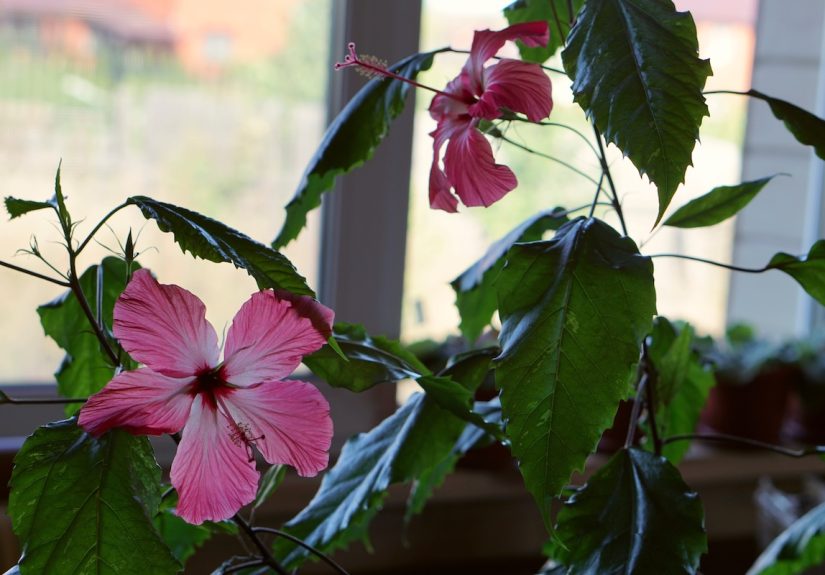
Flowering tropicals can be a little more dramatic. Hibiscus, for example, may drop leaves after the move and stop blooming for a while. That doesn’t always mean it’s dying. Sometimes it simply means it hates change, which honestly is relatable.
For huge plants that are impractical to keep actively growing indoors, I sometimes switch strategies and overwinter them in a more dormant state. Some tender tropicals can be cut back and stored cool, frost-free, and barely watered until spring. Others are easier to save as cuttings if the full plant is too large.
Common Mistakes I Avoid Now
- Waiting too long: bringing plants in after cold damage has already started.
- Skipping pest checks: this is how one mealybug becomes a whole management issue.
- Overwatering: the classic winter mistake.
- Fertilizing too early: weak winter growth is not a prize.
- Ignoring light levels: “bright room” and “bright enough for a tropical plant” are not always the same thing.
- Putting plants too close to vents or cold windows: harsh air movement can wreck otherwise healthy foliage.
My Indoor Overwintering Setup
I keep my tropical plants in zones. The brightest room gets the sun-hungry crowd. A second space with bright indirect light gets foliage plants that are more flexible. New arrivals and anything suspicious go into quarantine first. Yes, it sounds intense. No, I do not apologize.
I also rotate pots occasionally so plants don’t lean like they’re trying to escape the room. I wipe dusty leaves because clean foliage captures light better. And I check plants every time I water, not just for moisture, but for pests, yellowing, mushy stems, and early warning signs that something is off.
My Real-Life Experience Overwintering Tropical Plants Indoors
The first year I tried to overwinter my tropical plants indoors, I treated the whole thing like a rescue mission powered mostly by enthusiasm. I hauled in a hibiscus, a bird of paradise, two alocasias, a croton, and a mandevilla on the same chilly weekend. I gave them all a nice spot, plenty of water, and exactly zero transition time. In other words, I did nearly everything wrong with confidence.
Within two weeks, the hibiscus had dropped half its leaves, the croton looked personally insulted, and the alocasias responded by pretending they had never met me. I assumed every yellow leaf meant thirst, so I watered more. This, unsurprisingly, made things worse. The soil stayed damp forever, the house air was dry, and one tiny pest issue turned into a full winter soap opera.
That messy first attempt taught me the most useful lesson of all: tropical plants indoors in winter are not in active summer mode, so they cannot be treated like patio containers in July. Once I understood that, my care routine changed completely.
Now I move plants in earlier, before cold snaps force a dramatic evacuation. I clean them, inspect them, and quarantine the questionable ones. That single habit has probably saved me more frustration than any fancy product ever has. One overlooked mealybug can become a whole tiny civilization if you are not paying attention.
I also stopped expecting perfection. Some leaf drop is normal. Some slowdown is normal. Some tropicals need a few weeks indoors before they settle down and stop acting like they’ve been relocated to another planet. My hibiscus still throws a little tantrum most years, but I no longer interpret that as a death certificate. I just keep the light strong, the watering measured, and the patience level high.
The biggest improvement came when I got serious about light. Before that, I thought a bright room was enough. It often wasn’t. Once I started placing full-sun tropicals in my brightest windows and adding grow lights where needed, the difference was obvious. Fewer pale leaves, less stretching, and much better recovery by late winter.
I’ve also become a lot less generous with water. That was hard. Watering feels like care. But winter plant care is often about restraint, not action. These days, I check the soil first, lift the pot if I can, and wait longer than my inner overachiever wants to. My plants are healthier for it, even if my watering can feels emotionally neglected.
What I love most about overwintering tropical plants indoors is that it changes the rhythm of the house in winter. The rooms feel greener, softer, and more alive when everything outside looks bare and tired. There is something deeply satisfying about keeping a banana plant, a palm, or a glossy philodendron going through the darkest months of the year. It feels a little rebellious, like refusing to let winter have the final word.
So yes, tropical plants can be dramatic. Yes, some of them will test your patience. But once you learn their winter rules, overwintering stops feeling intimidating and starts feeling like part of the gardening year. By spring, when those same plants wake up and push fresh growth, the effort feels completely worth it. Even the divas. Especially the divas.
Final Thoughts
If I had to sum up how I overwinter my tropical plants indoors, it would be this: move them in early, clean them thoroughly, give them more light than you think, less water than you want, and a lot more patience than seems reasonable. That combination has kept my winter houseplant care practical, realistic, and much less chaotic.
Overwintering tropical plants indoors isn’t about perfection. It’s about helping warm-weather plants survive a season they were never built for. Do that well, and when spring returns, you won’t be starting from scratch. You’ll already have healthy plants ready to step back outside like they own the place.