Table of Contents >> Show >> Hide
If your bedroom has been feeling a little “meh” latelylike a hotel room after checkouta goldenrod bed cover might be the style upgrade you didn’t know you needed. This warm, deep yellow (think sun at golden hour, not highlighter pen) instantly makes a bed look cozy, welcoming, and just a bit designer. The best part? You don’t have to repaint walls or buy new furniture. Swap the bed cover and suddenly the whole room looks intentional.
In this guide, we’ll walk through what a goldenrod bed cover is, how to style it, what fabrics and weaves to choose, and how to care for it so it stays soft and vibrant for years. We’ll finish with some real-life style experiences so you can picture how goldenrod bedding behaves in different homes and lifestyles.
What Is a Goldenrod Bed Cover, Exactly?
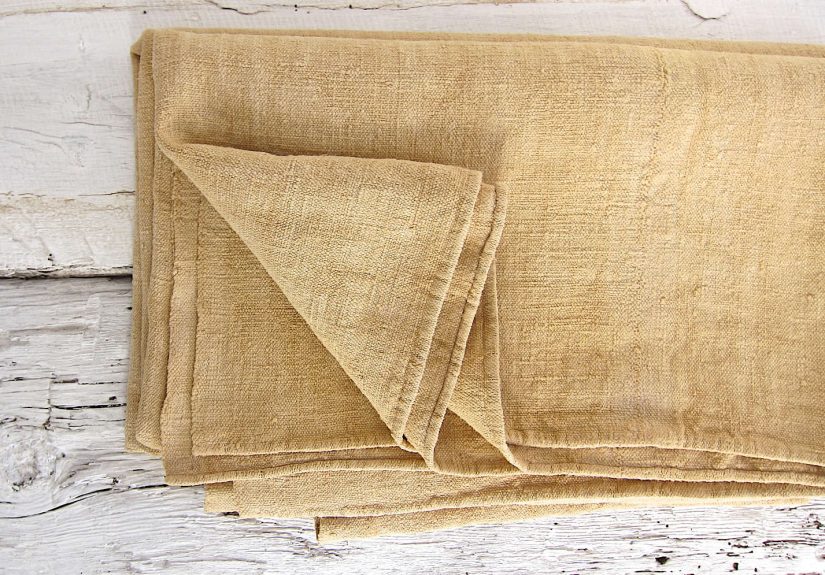
“Goldenrod” is a warm, earthy yellow inspired by the late-summer wildflower. It’s deeper than pastel yellow and more muted than bright sunflower or neon tones. On bedding, goldenrod reads as sophisticated, cozy, and slightly vintagebut with the right styling, it can feel modern and minimal too.
A goldenrod bed cover can take several forms:
- Coverlet or quilt: Light to medium weight, often quilted, perfect for layering over sheets or under a heavier duvet.
- Duvet cover: A removable fabric shell that slips over a comforter or insert, usually with ties and a zipper or button closure.
- Bedspread: A larger cover that drapes almost to the floor, giving a more traditional “finished” look.
Many goldenrod bed covers are made from breathable cotton, cotton sateen, percale, linen, or a cotton–poly blend. Natural fibers like cotton and linen are popular because they regulate temperature well and feel comfortable against the skin, while synthetics like microfiber tend to be budget-friendly and wrinkle-resistant.
Why Goldenrod Works So Well in a Bedroom
Color psychology matters a lot in bedrooms. We want a space that feels restful, but not boring; cozy, but not cave-like. Goldenrod threads this needle beautifully.
Warmth Without Overstimulation
Bright lemon or neon yellows can feel a bit loud on large surfaces like bedding. Goldenrod, on the other hand, is a muted yellow with brown and gold undertones. That warmth makes the room feel inviting and grounded, but because the color isn’t screaming-bright, it still works in a restful space.
In darker or north-facing bedrooms, a goldenrod bed cover can visually “turn up the thermostat,” adding a sunny focal point where natural light might be lacking. In bright, airy rooms, it deepens the palette so the space doesn’t feel washed out.
Surprisingly Versatile With Other Colors
You might assume goldenrod would be hard to match, but it plays nicely with a lot of common bedroom palettes:
- Neutrals: Pair a goldenrod bed cover with white, cream, taupe, or soft gray sheets for a timeless, calming look.
- Deep jewel tones: Navy, emerald, or charcoal add drama and make the goldenrod really pop without overwhelming the eye.
- Earthy combinations: Rust, terracotta, olive green, and warm wood furniture create a cozy, fall-inspired vibe year-round.
- Soft pastels: Blush pink, dusty blue, or sage can soften goldenrod into a more romantic, cottagecore mood.
Think of goldenrod as your “hero color.” You don’t need it on every surface. Keeping it on the bed cover and maybe one or two throw pillows is enough to anchor the room.
Choosing the Right Goldenrod Bed Cover
Not all bed covers are created equal. When you’re choosing a goldenrod bed cover, consider three big factors: material, construction, and weight.
1. Pick the Best Material for How You Sleep
Here’s a quick breakdown of common options:
- Cotton: A classic for a reason. It’s breathable, durable, and easy to wash. Long-staple or combed cotton feels smoother and typically lasts longer. Percale weave is crisp and cool, ideal for hot sleepers; sateen is silkier and has more sheen, great if you like a slightly warmer, more luxurious feel.
- Linen: If you like relaxed, “I woke up in a design magazine” vibes, linen is your friend. It’s very breathable and great for fluctuating temperatures. Linen does start out a bit textured but softens beautifully over time. A goldenrod linen bed cover instantly gives you that airy, European boutique aesthetic.
- Cotton–poly blends: Often more affordable and wrinkle-resistant, but they generally trap more heat and don’t breathe as well as 100% cotton or linen. They can work for guest rooms or cooler climates.
- Microfiber: Soft and budget-friendly, but usually the least breathable. If you tend to overheat at night, you’re better off with cotton or linen and using layers for warmth rather than thick synthetic covers.
If you’re unsure, a cotton coverlet or duvet cover in goldenrod is usually the safest starting point: easy to style, easy to wash, and comfortable for most sleepers.
2. Decide Between Coverlet, Quilt, Duvet Cover, or Bedspread
The shape and construction of the bed cover affect both the look and function of your bed:
- Coverlet: A thin, usually quilted layer that reaches just past the mattress. Perfect for layering over a blanket or duvet. Ideal for warmer climates or hot sleepers who like just a bit of weight.
- Quilt: Two fabric layers sewn around a thin fill and stitched in patterns. Quilts in goldenrod can add subtle texture thanks to the quilting, and a lightweight quilt can work year-round if you adjust what you layer beneath it.
- Duvet cover: Best if you want flexibility. Swap different inserts for summer and winter while keeping the same goldenrod look on the outside. Also easier to wash than a full comforter.
- Bedspread: Offers full coverage almost to the floor for a more formal or traditional look. Great for hiding under-bed storage or an older bed frame you’re not in love with.
For most everyday bedrooms, a goldenrod duvet cover or quilt hits the sweet spot between style, comfort, and practicality.
3. Consider Weight and Seasonality
One of the best things about a goldenrod bed cover is that you can use it year-round by layering:
- Warm climates or hot sleepers: A lightweight cotton coverlet or quilt on its own may be enough for most of the year.
- Cooler seasons: Layer the goldenrod bed cover over a duvet insert or blanket. In winter, a flannel sheet under a cotton or linen bed cover gives warmth without feeling smothered.
- Transitional seasons: Keep the goldenrod cover on the bed and just swap the weight of your insert or add a folded throw at the foot of the bed.
How to Style a Goldenrod Bed Cover Like a Designer
You’ve got the bed cover. Now what? The difference between “threw something on the bed” and “Pinterest-worthy” is usually just a few intentional choices.
Layer With Neutrals
Start with neutral sheetsbright white, warm ivory, or soft greige. This keeps the bed from feeling too busy and lets the goldenrod shine. Neutral pillowcases are your safety net; if you later add patterned shams or throws, the bed still looks cohesive.
Add Texture, Not Just Color
A goldenrod bed cover naturally draws the eye, so build on that with texture:
- Knit or chunky woven throws in cream or taupe.
- Velvet or linen throw pillows in complementary colors like navy, forest green, or rust.
- Subtle quilting, ribbing, or matelassé patterns on the cover itself.
Texture keeps the bed from looking flat, especially if you’re sticking mainly to solids.
Repeat the Color Elsewhere (But Lightly)
To make the goldenrod bed cover feel intentional rather than random, echo the color in two or three small accents:
- A goldenrod or brass picture frame.
- A small vase, lamp base, or artwork with similar tones.
- Patterned curtains or a rug that includes a touch of golden yellow.
You don’t want the whole room to be yellowjust enough repetition that your eye understands it’s part of a palette.
Caring for Your Goldenrod Bed Cover
Good news: caring for a goldenrod bed cover is mostly about following the care label and not going rogue with harsh products or super-high heat.
Washing Basics
- Frequency: Wash a frequently used bed cover every 1–2 weeks, especially if it’s your main blanket. If it’s layered over another quilt or duvet and mostly decorative, once a month or even less may be enough, depending on use.
- Temperature: Most cotton and linen covers do best in cool to warm water, not boiling hot. Warm water helps lift body oils and dirt without fading colors as quickly.
- Detergent: Use a mild detergent and avoid bleach on goldenrod; bleach can strip color and leave uneven patches. If you need extra stain-fighting power, use an oxygen-based booster instead.
- Load size: Don’t jam the washer full. Giving the cover room to move allows for better cleaning and less wrinkling.
Drying and Ironing
Tumble dry on low or medium heat if the label allows, or line-dry if you prefer a more eco-friendly option and want to minimize fading. Taking the cover out of the dryer slightly damp and smoothing it over the bed can release many wrinkles on its own.
Linen covers rarely need perfect smoothnessthey look great a bit rumpled. If you’re using sateen or a smoother cotton and want a crisp hotel look, a quick pass with a warm iron or steamer on the edges and visible areas is usually enough.
Protecting the Color
To keep that goldenrod tone rich:
- Wash with similar colors to avoid lint transfer from dark items.
- Avoid frequent high-heat drying cycles, which can fade dyes over time.
- Keep the bed cover out of direct, intense sunlight for long periods if your windows are unshaded.
With gentle care and reasonable washing habits, a quality goldenrod bed cover can stay vibrant season after season.
Real-Life Experiences With Goldenrod Bed Covers
It’s one thing to talk about color theory and fabric weaves. It’s another to actually live with a goldenrod bed cover day after day. Here are a few lived-in, real-world perspectives that can help you decide if this sunny shade belongs in your home.
The Small-Apartment Bedroom Makeover
Picture a tiny city bedroom: white walls, one window facing a brick wall, and a basic bed frame. The room feels more like a storage unit with a mattress than an oasis. Swapping a plain gray comforter for a goldenrod bed cover instantly changes the mood. Suddenly, the bed becomes the focal point, and the rest of the room feels more intentional, even if the furniture didn’t change.
The experience here is all about visual warmth. Even on cloudy mornings, the goldenrod color bounces just enough light to keep the room from feeling gloomy. A simple addition of white sheets, two neutral nightstands, and a plant created the “after” photo without major renovations. That’s the power of a strategically chosen bed cover.
The Guest Room That Finally Gets Used
Guest rooms often suffer from hand-me-down energy: old furniture, random bedding, and a pile of things that didn’t fit anywhere else. One homeowner decided to treat her guest room like a mini boutique hotel. She chose a goldenrod quilted bed cover, crisp white sheets, and two striped throw pillows in navy and goldenrod to tie everything together.
The feedback from guests? They felt like they were staying in a thoughtfully designed retreat instead of a spare storage room. The goldenrod cover made the room feel sunny and welcoming, even for guests arriving late at night. It also photographed beautifully for the rental listing, which didn’t hurt.
The Pet-Friendly Home
If you share your bed with a dog or cat, color and fabric really matter. Many pet owners discover that darker bedding shows all the fur and lighter bedding reveals every paw print. Goldenrod can be a surprisingly forgiving middle ground, especially in textured weaves like quilted cotton or linen.
One pet owner swapped a black duvet for a goldenrod cotton bed cover. The verdict after a few weeks? Dog hair was still present (because of course it was), but it blended better visually, and the texture hid minor paw marks between washes. The golden color also masked slight discoloration over time better than pure white would have. Paired with a washable throw at the foot of the bed, it became both practical and stylish.
The Seasonal Mood-Shifter
Another common experience: using goldenrod bedding as a seasonal mood-boost. In late summer and fall, a goldenrod bed cover feels perfectly in step with turning leaves, pumpkin-spice-everything, and warm drinks. But it also works surprisingly well in winter, when we crave warmth and coziness most.
One couple keeps two main looks for their bedroom: a lighter neutral cover for spring and early summer, and a goldenrod quilt for late summer through winter. They report that switching the bed cover is the quickest way to refresh the entire space. With the goldenrod on the bed, they automatically reach for chunkier throws, candles, and softer lighting, which turns the room into a real cold-weather sanctuary.
The Minimalist Who Didn’t Want Color (Until Now)
Minimalists often resist bold hues, preferring whites, grays, and beiges. But some eventually feel their space has drifted from “calming” to “clinical.” Goldenrod is a fantastic gateway colorwarm, grounded, and not too loud.
One minimalist homeowner had a strictly neutral palette but decided to experiment with a goldenrod bed cover. The rest of the room stayed the same: white walls, pale wood nightstands, neutral curtains. The result? The bed suddenly looked like a deliberate design statement instead of a blank rectangle in the middle of the room.
The experience here is about controlled contrast. Goldenrod adds personality without chaos. It lets minimalists keep their clean lines and uncluttered surfaces while avoiding that “rental staging” feeling.
So, Is a Goldenrod Bed Cover Right for You?
If you want your bedroom to feel warmer, more inviting, and more put together without remodeling, a goldenrod bed cover is a smart move. It’s flexible enough to work with many color schemes, easy to swap on and off with the seasons, and practical for everyday life if you choose breathable materials and follow simple care steps.
Whether you live in a studio apartment, a busy family home, or a minimalist retreat, this one piece of bedding can make your space feel more like yousunny, cozy, and intentionally styled, even on the days when the rest of your life feels a little messy.