Table of Contents >> Show >> Hide
- What counts as intermittent fasting?
- What the research says overall (and what it doesn’t)
- Why women may experience intermittent fasting differently
- Potential benefits for women (when it’s a good fit)
- Potential downsides (and why “healthy” isn’t one-size-fits-all)
- Who should avoid intermittent fasting (or get medical guidance first)
- If you and your clinician decide to try it: a “gentler” approach for women
- A simple way to decide: “Is this making my life better?”
- Bottom line
- Experiences with intermittent fasting: what women say (and what it can feel like in real life)
- Experience #1: “It made my evenings calmer”
- Experience #2: “My mornings were rough… until I stopped going extreme”
- Experience #3: “I liked the structure… but my cycle didn’t”
- Experience #4: “It worked until stress hit, then it backfired”
- Experience #5: “Postpartum and breastfeeding made it a no-go”
- Experience #6: “I realized it wasn’t healthy for my relationship with food”
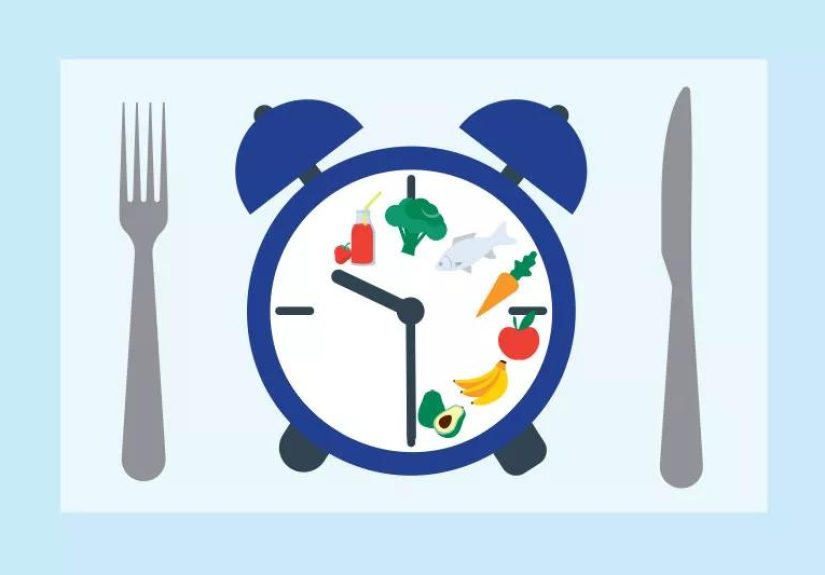
Intermittent fasting (IF) is basically the Internet’s favorite way to turn eating into a scheduling app.
And to be fair, it can be a useful tool. But when the conversation shifts from “Will this help me feel better?”
to “Is this actually healthy for women?” the answer becomes a very adult-sounding: it depends.
(Sorry. Even nutrition has fine print.)
Here’s the real deal: IF can improve certain health markers for some people, but women often have extra variables in
the mixmenstrual cycles, fertility considerations, pregnancy/postpartum needs, and a higher risk of dieting-related
stress and disordered eating patterns. In other words, your body isn’t a calculator. It’s a whole committee.
This article breaks down what intermittent fasting is, what research suggests, where women may respond differently,
who should skip it entirely, and what a more cautious “if you try it” approach can look like.
What counts as intermittent fasting?
“Intermittent fasting” isn’t one dietit’s an umbrella term for eating patterns that create longer stretches of time
without calories. The most common options include:
-
Time-restricted eating (TRE): You eat within a daily window (like 10–12 hours, or 8 hours), and fast the rest.
Popular example: 16:8 (16 hours fasting, 8 hours eating). - 5:2 approach: Five days “normal eating,” and two non-consecutive days with very low calories.
- Alternate-day fasting: Alternating a low-calorie day with a regular day. (This is the “hard mode” many people don’t sustain.)
Most medical guidance treats “fasting” here as no-calorie fasting, typically allowing water and sometimes unsweetened tea/black coffee.
(If your “fast” includes a latte with caramel drizzle, that’s not fastingthat’s just breakfast with ambition.)
What the research says overall (and what it doesn’t)
Research on intermittent fasting and time-restricted eating has grown quickly. Overall, studies and reviews suggest IF can:
help some people reduce calorie intake naturally, improve insulin sensitivity, lower blood pressure, and improve certain lipid markersespecially in people with metabolic risk factors.
Some NIH-supported work has also found modest benefits for people with metabolic syndrome when eating is limited to an 8–10 hour window over a few months.
But here’s the important part: benefits are not guaranteed, and they’re not always “because fasting is magical.”
Sometimes results come from simpler shifts that happen alongside IFfewer late-night snacks, fewer ultra-processed foods, more consistent routines, or improved sleep timing.
Also, the science is still sorting out the best “dose” (how long the eating window should be), the best timing (earlier vs. later in the day),
and who benefits most. And while women are included in some studies, many trials historically have not been designed to answer
women-specific questions about cycles, fertility, perimenopause, or symptom changes.
Why women may experience intermittent fasting differently
Women’s bodies are not “more fragile.” They’re just running more systems that respond to energy availability.
Reproductive hormones are sensitive to stress, sleep disruption, and prolonged energy deficitsespecially when fasting becomes restrictive,
inconsistent, or paired with intense exercise and not enough overall nutrition.
1) Menstrual cycle and ovulation can be sensitive to energy stress
Some clinicians note that aggressive fasting (especially long fasts or very small eating windows) can affect cycle regularity for some women.
That doesn’t happen to everyone, and research isn’t definitive across all groupsbut it’s a practical “pay attention” area.
If your cycle changes noticeably after starting IF (late periods, missed periods, worsened PMS, new spotting), that’s a reason to pause and talk to a clinician.
2) Stress hormones and sleep matter more than most people think
If fasting makes you wired, anxious, or sleep-deprived, that’s not a badge of disciplineit’s a signal.
For some people, fasting can raise perceived stress and lead to irritability, headaches, and poor sleep early on.
If the pattern continues, it can backfire on energy, mood, and cravings.
3) Many women juggle higher nutrition demands at certain life stages
Pregnancy, breastfeeding, postpartum recovery, and adolescence (yesteens) are stages where energy and nutrient needs are higher and more consistent.
Many mainstream medical sources advise avoiding intermittent fasting in pregnancy and breastfeeding, and not using meal-skipping patterns for people under 18.
Potential benefits for women (when it’s a good fit)
When intermittent fasting works well, it often looks… surprisingly un-dramatic. Not starvation. Not “earning” food.
More like: a consistent schedule, fewer late-night snacks, and meals that actually satisfy you.
Better metabolic markers (especially with a reasonable eating window)
Time-restricted eating in the 8–12 hour range has been associated in multiple studies with improvements in insulin sensitivity,
blood pressure, and other cardiometabolic markersespecially among people with elevated risk.
Some research suggests earlier eating windows (more daytime eating, less late-night eating) may work better with circadian rhythms.
A simpler structure that reduces “all-day grazing”
Plenty of people don’t overeat because they’re morally weakthey overeat because the kitchen is always “open,” stress is high,
and food is the fastest comfort available. A gentle eating window can reduce mindless snacking simply by creating boundaries.
Possible helpful tool for some women with PCOS (with caveats)
PCOS is closely linked with insulin resistance for many women. While evidence is still evolving, some women find that a structured eating window
helps stabilize hunger and energy. The key is that it must still support adequate protein, fiber, and overall intake.
If fasting turns into under-fueling, PCOS symptoms and stress can worsen.
Potential downsides (and why “healthy” isn’t one-size-fits-all)
Intermittent fasting can be “healthy” for one woman and a mess for another. Here are the most common issues clinicians flag:
1) It can trigger disordered eating patterns
This is the biggest non-negotiable. IF is rule-based restriction, and for some people that’s a straight line to
obsessive thoughts, binge-restrict cycles, or relapse into an eating disorder. If you have a history of disordered eating,
IF is generally considered a poor choice. Health isn’t just what your blood sugar doesit’s also what your brain does around food.
2) It can be risky with diabetes medications
Fasting can increase the risk of hypoglycemia (low blood sugar) for people using insulin or certain oral medications.
Anyone with diabetes (or frequent low blood sugar symptoms) should only consider fasting patterns with medical supervision and a plan.
3) Headaches, fatigue, constipation, and mood changes happensometimes for a reason
Short-term side effects can include headaches, weakness, irritability, nausea, and concentration issues.
Sometimes this improves as routines stabilize. Sometimes it’s a sign the plan is too aggressive, hydration is low,
sleep is off, or meals aren’t balanced.
4) New questions about long-term heart outcomes
In 2024, an American Heart Association news release about a conference abstract reported an association between eating within
a very short window (under 8 hours/day) and higher cardiovascular mortality. Important context: this type of finding is observational,
can’t prove cause-and-effect, and may be influenced by diet quality, existing illness, weight changes, sleep, socioeconomic factors,
and how accurately people report what they eat. Still, it’s a useful reminder that “popular” doesn’t always mean “proven.”
Who should avoid intermittent fasting (or get medical guidance first)
Many reputable health organizations and medical centers advise avoiding IFor at least getting personalized guidanceif you’re in one of these groups:
- Pregnant (or trying to conceive and noticing cycle disruption)
- Breastfeeding (milk supply and energy demands can be affected)
- Under 18 (meal-skipping patterns are generally not recommended for teens)
- History of eating disorders or disordered eating
- Diabetes on insulin or blood-sugar–lowering meds (hypoglycemia risk)
- People prone to migraines, fainting, or low blood pressure (fasting can worsen symptoms)
- Athletes with heavy training loads (under-fueling can impair performance and recovery)
If any of these apply, you’re not “failing” fasting. You’re just choosing not to pick a tool that doesn’t match the job.
If you and your clinician decide to try it: a “gentler” approach for women
If intermittent fasting is going to be healthy, it usually looks less like a social media challenge and more like a sustainable routine.
Consider these evidence-aligned, lower-risk principles:
Start with a 12-hour overnight fast (yes, that counts)
A 12:12 schedule (for example, finishing dinner at 7 p.m. and eating breakfast at 7 a.m.) is a solid baseline.
It supports circadian rhythm and reduces late-night snacking without pushing your body into a stress response.
Keep the eating window reasonable (often 10–12 hours works better than 6–8)
Extremely short windows can make it hard to meet protein, fiber, iron, calcium, and overall calorie needsespecially for active women.
Many people do better (physically and socially) with a 10–12 hour window than with a strict 16:8 routine.
Prioritize meal quality so you’re not “fasting your way into a nutrient gap”
Healthy fasting isn’t just about when you eatit’s about what your meals contain:
- Protein at meals (helps satiety and muscle maintenance)
- Fiber (vegetables, beans, berries, whole grains)
- Healthy fats (olive oil, nuts, avocado, fatty fish)
- Iron and calcium sources (especially important for many women)
Don’t treat hunger as a character flaw
If you’re consistently ravenous, dizzy, or obsessing about food, something is offtiming, portion sizes, stress, sleep, or the plan itself.
The goal is steady energy and improved health markers, not white-knuckling through your day like it’s a reality show finale.
Watch for cycle changes and adjust
Some women prefer a more flexible approach around their menstrual cyclekeeping a longer eating window during days when sleep and cravings shift,
or when training volume is higher. If your period becomes irregular or symptoms worsen, stop and get medical advice.
A simple way to decide: “Is this making my life better?”
Intermittent fasting is only “healthy” if it improves health without harming your relationship with food or your daily functioning.
Ask yourself:
- Do I have steadier energy and mood, or do I feel anxious and depleted?
- Am I meeting my nutrient needs (protein, fiber, iron, calcium), or just eating less?
- Is my sleep better, worse, or unchanged?
- Is my cycle stable?
- Do I feel more calm around foodor more obsessive?
- Can I do this socially without feeling like a food timekeeper?
If fasting improves structure and health markers, great. If it turns eating into an all-day math problem, it’s not the right tool.
You can get many of the same benefits from a Mediterranean-style pattern, balanced meals, adequate protein and fiber, and consistent sleep.
Bottom line
Intermittent fasting can be healthy for some womenparticularly when it’s gentle, nutritionally adequate,
and supports better routines (sleep, meal quality, reduced late-night eating).
But it’s not a universal wellness hack, and it’s often not recommended for pregnancy, breastfeeding,
people under 18, those with a history of disordered eating, or anyone who needs careful blood sugar management.
If you’re curious, start with a modest overnight fast (around 12 hours), keep meals high-quality, and pay attention to your body’s feedback.
“Healthy” should feel like stabilitynot like you’re in a constant debate with your stomach.
Experiences with intermittent fasting: what women say (and what it can feel like in real life)
Research matters, but lived experience fills in the gapsespecially for women, where individual responses can vary a lot.
Below are common themes women report in clinical settings and everyday conversations. Think of these as “pattern stories,” not promises.
(Human bodies love to be mysterious. It’s their hobby.)
Experience #1: “It made my evenings calmer”
A common positive report comes from women who realize their biggest challenge isn’t breakfastit’s the
after-dinner snack parade. For them, a gentle eating window (say, 8 a.m. to 6 p.m. or 9 a.m. to 7 p.m.)
creates a clear endpoint. They describe fewer impulsive snacks, less “kitchen wandering,” and a surprisingly calmer bedtime routine.
The best versions of this experience usually include satisfying dinners with enough protein and fiberbecause if dinner is basically
crackers and vibes, late-night hunger will show up like it pays rent.
Experience #2: “My mornings were rough… until I stopped going extreme”
Some women try a strict 16:8 window right away and feel shaky, headache-y, or irritable in the morning.
They may push through at first, but the ones who do better often pivot to a less aggressive schedule: 12:12 or 14:10.
That small change can reduce stress and make it easier to eat balanced meals.
The takeaway many share is that “intermittent fasting” doesn’t have to mean “intermittent functioning.”
Experience #3: “I liked the structure… but my cycle didn’t”
Another theme: women who enjoy the simplicity of an eating windowuntil they notice cycle changes.
Some report worsened PMS, new spotting, delayed periods, or feeling more run-down during certain phases of the month.
In these cases, women often do better with flexibility: a longer eating window during higher-hunger days,
or returning to regular meals entirely.
The most helpful mindset shift is treating cycle changes as useful data, not as something to “power through.”
Experience #4: “It worked until stress hit, then it backfired”
A pattern many women recognize: intermittent fasting feels manageable during calm weeks, but collapses during stressful seasons.
When work deadlines, family demands, exams, or sleep disruption pile up, fasting can amplify stress and cravings.
Some women describe the “rubber band effect”holding tight all day, then snapping into overeating at night.
Often, the fix isn’t more discipline; it’s less restriction: regular meals, better sleep, and making stress management the priority.
(Your body does not give extra credit for suffering.)
Experience #5: “Postpartum and breastfeeding made it a no-go”
Many postpartum women report that fasting feels dramatically harderespecially while breastfeeding.
Hunger is stronger, energy demands are higher, and sleep is unpredictable. Some notice dips in milk supply or feel lightheaded.
A common “healthy pivot” here is focusing on meal quality and consistency instead of time restriction.
In this season, nourishment is not optionalit’s part of the job description.
Experience #6: “I realized it wasn’t healthy for my relationship with food”
Perhaps the most important experience to name: some women find that fasting rules quickly become mentally loud.
They think about food more, feel guilt when plans change, or become anxious around social meals.
For women with a history of dieting or body image stress, IF can slide into an unhelpful patterneven if lab markers look fine.
In these situations, many women report that returning to balanced meals (and sometimes working with a registered dietitian or therapist)
feels like getting their brain back. That is health, too.
If you see yourself in any of the “backfire” stories, it doesn’t mean you did it wrongit means your body is communicating.
The healthiest eating pattern is the one that supports your physical markers and your mental well-being,
without turning food into a full-time job.