Table of Contents >> Show >> Hide
- The Entryway: First Impressions Matter, But Clutter Happens
- The Kitchen: The Heart of the Home, Yet Full of Clutter
- The Closet: A Never-Ending Struggle
- The Bathroom: A Space That Needs Organization, Too
- The Living Room: Where Things End Up (Whether You Want Them To or Not)
- The Garage: A Graveyard for Forgotten Items
- Creating Functional Spaces: The Key to Reducing Clutter
- Personal Experiences with Clutter
Clutter is one of those things that slowly creeps up on us, often starting with a few misplaced items here and there, but before you know it, your home feels more like a storage unit than a peaceful haven. For professional organizers, this is a common challenge they tackle in homes across the country. The truth is, certain areas of the home tend to become clutter hotspots, and if you’ve ever felt overwhelmed by piles of things that seem to accumulate no matter how hard you try to keep things tidy, you’re not alone. Here, we’ll explore the most cluttered areas that pro organizers encounter in every home and offer strategies to keep these spaces organized and functional.
The Entryway: First Impressions Matter, But Clutter Happens
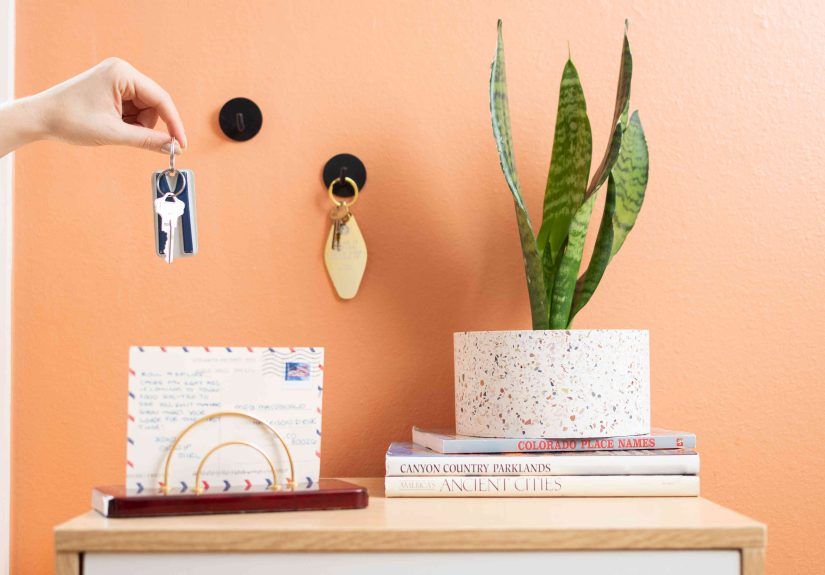
When it comes to clutter, the entryway is a major offender. It’s the first place you see when you enter your home, but it’s also the spot where you drop your bags, shoes, keys, and anything else you’re carrying. Over time, this small space quickly turns into a catch-all zone, where jackets, mail, and even shoes pile up, creating chaos right at your doorstep. Pro organizers often find that a lack of proper storage or a defined place for each item is the root cause.
To fix this, it’s important to create functional entryway storage. Install hooks for coats and bags, provide a bench or shelving for shoes, and keep a tray or basket for keys and mail. These simple steps can help keep your entryway neat and welcoming, rather than a cluttered mess every time you come home.
The Kitchen: The Heart of the Home, Yet Full of Clutter
The kitchen, the heart of every home, can also be one of the most cluttered spaces. While it’s a place for cooking and gathering, it’s also where miscellaneous items tend to collect. Whether it’s a pile of bills that never seem to get put away, dishes that pile up faster than you can wash them, or gadgets that never get used but somehow end up on the countertops, the kitchen can quickly become overwhelmed.
Pro organizers suggest taking a hard look at your countertops. Do you really need all of those appliances sitting out? Do you have items that could be tucked away in cabinets or drawers to clear up valuable space? One pro tip is to have a “catch-all” drawer or a space for frequently used items like keys or your phone charger. Also, regularly decluttering the fridge and pantry can go a long way in keeping the kitchen organized.
The Closet: A Never-Ending Struggle
Clothing and accessories are another area where clutter tends to build up over time. Closets are notorious for becoming dumping grounds for everything from clothes that don’t fit anymore to seasonal items that are only worn a few times a year. Pro organizers often find that the closet is an area that’s most in need of sorting and streamlining.
One of the most effective methods to keep closets organized is the “one-in, one-out” rulewhen you buy something new, get rid of something old. This simple rule helps prevent unnecessary items from taking over your space. Also, investing in storage solutions such as bins, hanging organizers, or drawer dividers can help make the most of your closet space and keep things tidy.
The Bathroom: A Space That Needs Organization, Too
Bathrooms often fall victim to clutter because of the sheer number of products we store in them. Between toiletries, cleaning supplies, and towels, it’s easy for the bathroom to become overcrowded. Add in a few items that don’t belong, such as clothes, trash, or products that have expired, and the bathroom can quickly feel cramped and chaotic.
Professional organizers recommend going through your bathroom once a season to declutter. Toss expired products, old toiletries, or anything you no longer use. Consider adding baskets or drawer organizers to keep makeup, skincare, and cleaning supplies in order. A well-organized bathroom not only feels better but also makes it easier to find what you need in the morning rush.
The Living Room: Where Things End Up (Whether You Want Them To or Not)
The living room is often a gathering space for family and friends, but it’s also a place where things tend to get left behind. Whether it’s kids’ toys, magazines, remote controls, or piles of laundry that never quite make it to the laundry room, the living room can become a cluttered zone without even realizing it.
To prevent the living room from becoming a clutter magnet, create defined spaces for everything. Invest in storage solutions like baskets, decorative bins, or a storage ottoman to corral things like toys or blankets. Keep a designated area for electronics and make sure that every item has a place to return to when it’s no longer in use. Regularly tidying up the living room can help prevent it from becoming overwhelmed with clutter.
The Garage: A Graveyard for Forgotten Items
The garage is another common area that tends to accumulate clutter, especially if you’re using it as a storage space for everything from old furniture to holiday decorations. Without proper organization, the garage can easily become a chaotic mess where finding anything becomes an impossible task.
Pro organizers recommend starting with a full purge of items you no longer need. Once you’ve decluttered, it’s time to invest in shelving, bins, and labeled storage containers. Consider vertical storage for items like bikes or tools to save floor space. With a little planning, your garage can go from being a cluttered dumping ground to a highly functional storage area.
Creating Functional Spaces: The Key to Reducing Clutter
Ultimately, reducing clutter in any area of your home comes down to creating functional spaces and regularly maintaining them. It’s important to be intentional about the way you store your things, ensuring that every item has a designated place. Here are some general tips that can help you tackle clutter in any room:
- Declutter regularly: Make it a habit to go through items and purge things you no longer need.
- Invest in storage solutions: Bins, baskets, shelves, and organizers can help make any space more efficient.
- Keep surfaces clear: Try to limit what gets placed on countertops, tables, and other flat surfaces.
- Don’t forget to maintain: Once your space is organized, keep it tidy by following a daily or weekly cleaning routine.
Personal Experiences with Clutter
As a professional organizer, I’ve worked in hundreds of homes, and it’s fascinating to see how different people approach organization. The most common challenge that clients face is the accumulation of “stuff.” Whether it’s sentimental items that they can’t part with or simply a lack of time to deal with the clutter, the home quickly becomes overwhelmed.
One of the most rewarding aspects of my job is seeing the transformation that occurs when a cluttered home is turned into a well-organized space. For example, one client had a garage that was so full of old furniture and unused equipment that she couldn’t park her car inside. After a few days of sorting, purging, and organizing, she not only reclaimed the garage but also found a sense of relief and peace. It’s incredible how much emotional weight can be lifted once the clutter is gone.
Another client struggled with a constantly messy kitchen. The countertops were always cluttered with papers, bags, and random items, leaving no space to cook or even enjoy a cup of coffee. By introducing simple systems like a mail tray, a designated spot for keys, and reducing the number of items on the counters, we were able to clear up space and make the kitchen a functional and enjoyable space again. It’s amazing how a little bit of organization can completely change the feel of a room.
From experience, the key to long-term success in maintaining an organized home is to stay consistent. Clutter doesn’t happen overnight, and it doesn’t disappear on its own. Regularly reevaluating your space and committing to a system that works for your lifestyle is the secret to keeping your home clutter-free.
Conclusion
While clutter is inevitable in every home, the good news is that it can be managed. By focusing on the most cluttered areas, such as the entryway, kitchen, closet, bathroom, living room, and garage, you can reclaim your space and reduce the stress that comes with disorganization. The key is to create functional spaces, purge what you no longer need, and maintain the organization systems you put in place. With a little effort and intention, you can transform your home into a peaceful, clutter-free sanctuary.