Table of Contents >> Show >> Hide
- What Makes a Film “Surrealist” (Instead of Just Weird)?
- Best Surrealist Films to Watch
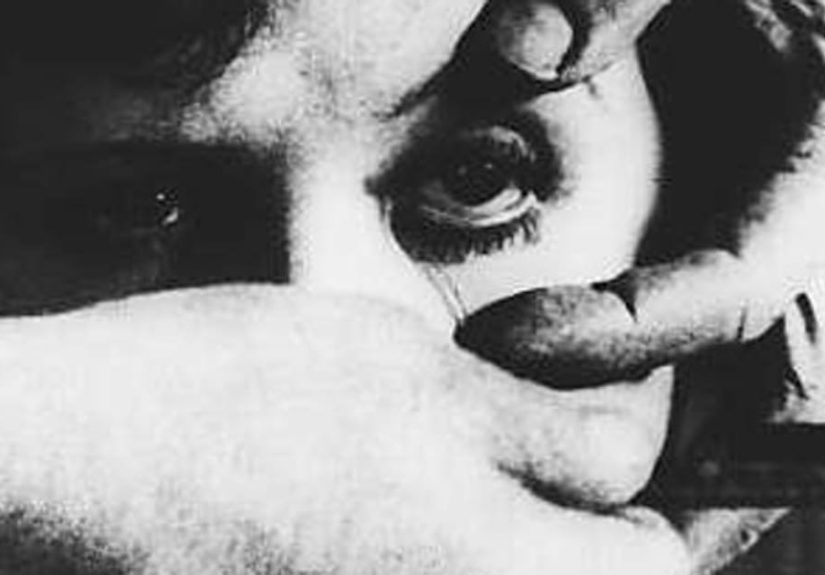
- Un Chien Andalou (1929) The Original “Nope, That’s Not How Movies Work”
- L’Âge d’Or (1930) Romance, Rage, and the Social Order Getting Roasted
- Meshes of the Afternoon (1943) A Dream Loop You Can’t Wake Up From
- The Exterminating Angel (1962) The Polite Dinner Party That Becomes a Trap
- Persona (1966) Identity Melts in Real Time
- The Discreet Charm of the Bourgeoisie (1972) Dreams, Detours, and Social Comedy With Teeth
- The Holy Mountain (1973) A Visionary Fever Dream (Bring Your Bravest Brain)
- Eraserhead (1977) Industrial Nightmares and the Sound of Anxiety
- Brazil (1985) Bureaucracy as a Surreal Prison
- Alice (1988) Childhood Wonder, But Make It Unsettling
- Naked Lunch (1991) Writing as Body Horror, Comedy, and Hallucination
- Mulholland Drive (2001) Hollywood as a Dream That Dreams You Back
- If You Loved These, Try Next
- How to Watch Surrealist Films Without Forcing Them Into a “Normal” Movie Box
- of Viewing “Experience” (What Surrealist Films Feel Like)
- Conclusion
Some movies tell a story. Surrealist films tell your subconscious, “Hold my espresso,” and then sprint barefoot through a hallway of floating doors.
If you’ve ever finished a film thinking, “I loved it… I think… wait, did a lamp just emotionally manipulate me?”congratulations. You’ve met surrealism in cinema.
This guide rounds up the best movies about surrealismclassic, modern, and “what did I just witness?”with enough context to help you enjoy the dream logic
instead of trying to wrestle it into a neat little plot summary (surrealism hates neat little plot summaries).
What Makes a Film “Surrealist” (Instead of Just Weird)?
Surrealism isn’t randomness for randomness’ sake. Surrealist cinema is built around the irrational: dream logic, strange juxtapositions, symbolic imagery,
and the feeling that reality has been replaced with a convincing imitation made of velvet, ants, and unresolved childhood metaphors.
In practice, surrealist movies often do at least a few of these:
- Reject normal cause-and-effect: events happen because they feel right, not because they “make sense.”
- Use shocking or uncanny images: not just to scare you, but to short-circuit your usual interpretations.
- Turn symbols into characters: desire, guilt, fear, social rulessuddenly they’re walking around in a trench coat.
- Make you an active viewer: you’re not just watching; you’re assembling meaning in real time.
Think of it like this: a typical movie is a road trip with directions. A surrealist film is a road trip where the GPS whispers secrets, the highway becomes a staircase,
and you arrive at an emotional destination you didn’t know you needed.
Best Surrealist Films to Watch
Below are standout surrealist films and surreal-leaning masterpieces that capture the movement’s core spirit: the subconscious on-screen, social rules bent into pretzels,
and images that stick to your brain like gum on a theater seat.
Un Chien Andalou (1929) The Original “Nope, That’s Not How Movies Work”
If surrealist cinema had a birth certificate, this short film would be the ink. It’s famous for refusing narrative logic and embracing pure, unsettling association:
images cut abruptly, meaning shifts mid-scene, and the film dares you to stop asking “why” and start asking “what does this do to me?”
It’s not long, but it’s powerfullike a tiny espresso shot that makes your dreams file a complaint.
L’Âge d’Or (1930) Romance, Rage, and the Social Order Getting Roasted
Where Un Chien Andalou is a surrealist punch, L’Âge d’Or is a surrealist bonfire. Desire clashes with polite society, institutions wobble,
and the film’s provocations feel aimed straight at hypocrisy and repression.
It’s a reminder that surrealism isn’t only about dream imageryit can also be a weaponized eye-roll at the “respectable” world.
Meshes of the Afternoon (1943) A Dream Loop You Can’t Wake Up From
This landmark of American experimental cinema turns a simple domestic space into a psychological maze. Repetition, doubling, and symbolic objects create a spiraling,
hypnotic experience where the line between inner and outer reality keeps dissolving.
It’s the kind of film that makes you notice your own habitsthen wonder if your habits have been noticing you back.
The Exterminating Angel (1962) The Polite Dinner Party That Becomes a Trap
A group of well-to-do guests attend a fancy gathering… and then discover they can’t leave. No locked doors, no obvious villainjust an invisible barrier that turns
manners into panic, status into desperation, and social masks into something far more revealing.
It’s surrealism as social satire: reality remains “normal,” yet the situation is impossibleand the impossibility exposes everyone.
Persona (1966) Identity Melts in Real Time
Two women, one silence, and an intimacy so intense it starts bending the film itself. Persona slides between psychological realism and surreal rupture,
using fragmentation, mirrored selves, and startling formal choices to explore identity, performance, and emotional bleed-through.
It’s not “surreal” because it’s silly. It’s surreal because it’s preciselike a dream that knows exactly where to aim.
The Discreet Charm of the Bourgeoisie (1972) Dreams, Detours, and Social Comedy With Teeth
People keep trying to have a meal together. Reality keeps interrupting. Then dreams interrupt reality. Then you start wondering if you are the meal.
This film turns polite routine into an endlessly derailed loop, revealing how fragile “normal” is when desire, anxiety, and hypocrisy seep in.
It’s sly, funny, and quietly radicalsurrealism served on fine china, with chaos hiding under the napkin.
The Holy Mountain (1973) A Visionary Fever Dream (Bring Your Bravest Brain)
If you want a surrealist film that feels like an art museum got struck by lightning, this is it. Symbol-heavy, confrontational, and sometimes intentionally overwhelming,
The Holy Mountain blends mysticism, satire, ritual, and spectacle into a parade of images that dare you to interpret themor simply survive them.
It’s not subtle. It’s a cinematic dare.
Eraserhead (1977) Industrial Nightmares and the Sound of Anxiety
Eraserhead isn’t just dreamlike; it’s dreadlike. The world feels half-familiar and half-wrong, built from oppressive sound design, stark visuals,
and a logic that behaves like a nightmare: emotionally consistent, plot-wise uncooperative.
This is surrealism as atmospherewhere the setting becomes a nervous system.
Brazil (1985) Bureaucracy as a Surreal Prison
A dystopian satire with absurdist visuals and a reality that keeps slipping into fantasy, Brazil turns paperwork into horror and daydreams into lifelines.
The film’s surreal energy comes from contrast: mundane systems versus impossible visions, hopeful imagination versus crushing control.
It’s proof that surrealism can be hilarious and heartbreaking in the same breathlike laughing right before the elevator drops.
Alice (1988) Childhood Wonder, But Make It Unsettling
This isn’t a cozy bedtime Alice. It’s a tactile, uncanny trip where ordinary objects feel alive in the wrong way. The film’s surrealism thrives on texture:
dolls, bones, dust, and cabinets that seem to remember secrets.
If you like your dream logic with a side of stop-motion unease, welcome home.
Naked Lunch (1991) Writing as Body Horror, Comedy, and Hallucination
Part noir, part nightmare, part dark joke told by your strangest friend at 2 a.m., Naked Lunch blurs addiction, creativity, paranoia, and fantasy until
the borders stop mattering. It’s surreal not because it’s incoherent, but because it dramatizes inner experience as physical reality.
The result is bizarre, funny, and oddly humanlike a confession delivered by a typewriter with opinions.
Mulholland Drive (2001) Hollywood as a Dream That Dreams You Back
Few films capture modern surrealism like this one: identity shifts, scenes echo themselves, and the emotional truth remains strong even when the plot fractures.
It’s both a mystery and an anti-mysteryless about solving and more about sinking into mood, desire, fear, and fantasy.
It’s the rare surrealist movie that can feel like a puzzle and a poem at the same time.
If You Loved These, Try Next
Want more surreal movies that scratch the same itch? Here are a few strong follow-ups (with different flavors of strange):
- Inland Empire longer, rougher, and even more dream-immersive.
- 3 Women identity drift and eerie calm that slowly turns the lights “off.”
- The Phantom of Liberty surreal vignettes that dismantle social rules with a grin.
- Mad God handcrafted nightmare imagery that feels carved from the subconscious.
- Beau Is Afraid anxiety as a surreal odyssey where the world won’t stop escalating.
Pro tip: don’t marathon too many at once unless you enjoy waking up at 3 a.m. to Google, “Why was the hallway singing?” and getting zero closure.
How to Watch Surrealist Films Without Forcing Them Into a “Normal” Movie Box
1) Watch for emotional logic, not plot logic
Ask: What feeling is this scene generating? Fear? Desire? Shame? That specific anxiety you get when your email says “Just circling back”?
Surrealism often makes sense emotionally even when it refuses explanation.
2) Treat symbols like recurring characters
Objects repeat for a reason. Doors, mirrors, insects, food, rooms, doublesthese are often the film’s vocabulary. You don’t need a dictionary; you need attention.
3) Accept that confusion is part of the design
If you’re slightly lost, you’re not “missing it.” You’re experiencing it. Surrealism isn’t a test you pass; it’s a mood you enter.
of Viewing “Experience” (What Surrealist Films Feel Like)
Watching the best surrealist films is a specific kind of experienceless like reading a book and more like stepping into someone else’s dream while trying not to
disturb the furniture. If you’re new to movies about surrealism, here are common sensations viewers report, plus a few ways to enjoy them instead of wrestling them.
First, there’s the tilt: the moment you realize the film isn’t going to explain itself in a friendly, linear way. Your brain reaches for its usual tools
(plot prediction, character motivation, “act structure”), and the movie gently removes them from your hands like, “No sharp objects in the dream pool, please.”
That tilt can feel frustrating for about five minutesthen it becomes liberating. You stop trying to “solve” the movie and start noticing how it moves.
Next comes the hyper-awareness. Surrealist cinema often makes ordinary details feel charged: a hallway that’s too long, a room that’s too quiet, a smile
that lasts one second too many. You begin watching faces, objects, and transitions with extra attention, because the film has trained you that anything might matter.
Not in a clue-hunt wayin a poetry way.
Many viewers also describe a body-level reaction. The best surrealist movies don’t only “tell” you something; they make you feel it physicallythrough
sound, repetition, strange rhythm, and uncanny imagery. Sometimes it’s delight (your imagination doing cartwheels). Sometimes it’s discomfort (your nervous system
politely requesting a snack break). Both are valid. Surrealism is allowed to be funny, unsettling, tender, and absurdsometimes in the same scene.
Another classic experience is the delayed understanding. You might finish a film and feel like you have nothing to say beyond,
“Well! That certainly happened!” Then, laterwhile folding laundry or staring into the fridgeyou suddenly connect an image to a theme: desire versus control,
identity versus performance, status versus fear. Surrealist films often “unpack themselves” after the credits because they communicate like dreams:
not as arguments, but as associations.
If you want to make the experience richer, try a simple ritual: watch with the lights low, silence your phone, and keep a note nearby for three words
after the filmjust three. Not a plot summary. A feeling summary: “hunger / masks / vertigo,” or “tender / trapped / neon,” or “bureaucracy / longing / screaming.”
Those three words will usually tell you more truth than a thousand “explainer” threads.
Finally, give yourself permission to like a surrealist film for irrational reasons. Maybe you loved a specific scene, a texture, a sound, a look on someone’s face.
Surrealism is the art of the subconsciousso if your subconscious applauds, you don’t need a receipt.