Table of Contents >> Show >> Hide
- Meet the St. James Glass Double-Door Sideboard & Hutch
- Why This Hutch Still Turns Heads
- Styling Your St. James Glass Sideboard & Hutch
- Where a Glass Double-Door Sideboard & Hutch Works Best
- How the St. James Hutch Compares to Other Glass-Door Cabinets
- Practical Care and Maintenance Tips
- Real-Life Experiences with the St. James Glass Double-Door Sideboard & Hutch
- Conclusion
Some furniture pieces feel trendy for a season. The St. James Glass Double-Door Sideboard & Hutch looks like it walked straight out of a turn-of-the-century Parisian townhouse and decided to stay for good. With its towering profile, glass-paneled doors, and serious architectural details, this classic Restoration Hardware design is part storage hero, part display cabinet, and part instant “I have my life together” statement.
Even though this exact model has cycled in and out of availability over the years, its design DNA keeps showing up in high-end catalogs, resale markets, and design blogs. Homeowners still hunt it down for dining rooms, living rooms, and even open-plan kitchens, using it as a hardworking anchor for dishes, glassware, bar setups, and pretty things that deserve to be seen, not hidden. Let’s take a closer look at why the St. James hutch still has such a devoted fan base and how you can style and care for a similar glass-door sideboard in your own home.
Meet the St. James Glass Double-Door Sideboard & Hutch
Turn-of-the-century charm in furniture form
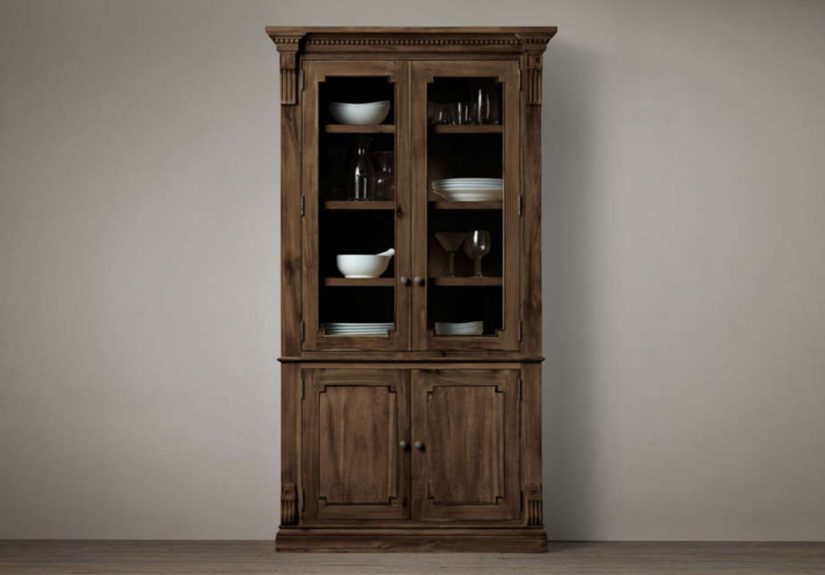
The St. James collection was designed to evoke the architectural classicism of turn-of-the-century Europethink tall townhouses with carved cornices, deep moldings, and elegant proportions. The glass double-door sideboard & hutch carries that same language into a single piece: a lower sideboard base with paneled doors and drawers, topped by a tall hutch with glass-front doors that frame your favorite china and collectibles like a curated gallery.
Signature details typically include:
- Hand-carved cornices and trim that echo traditional crown molding
- Fluted or paneled pilasters that make the piece feel “built in” even when it’s freestanding
- Glass double doors on the upper hutch to showcase dishes and décor
- Solid or paneled doors below for the less glamorous items (hello, extra placemats and random serving pieces)
- Substantial metal hardware, often in bronze or antiqued finishes, to match the historic vibe
The overall impression is grand but not fussy. It’s the kind of sideboard and hutch combo you can dress up with fine china or dress down with stoneware, cookbooks, and woven baskets without losing that “heritage furniture” look.
Construction and craftsmanship
While exact construction details vary by production year and finish, pieces in the St. James line are known for hardwood framing, close-set wood panels, and traditional joinery like mortise-and-tenon connections and multi-step hand-applied finishes. That puts it in the same quality category as other premium dining cabinets from brands that emphasize solid wood, kiln-dried lumber, and classic woodworking techniques.
For you as a homeowner, this typically means:
- Heft and stability this is not a lightweight, flat-pack piece
- Doors that close cleanly and stay aligned over time
- Finishes that age gracefully instead of peeling at the first sign of a water ring
- Shelves engineered to hold heavy stacks of dishes and glassware without bowing
All of this makes the St. James Glass Double-Door Sideboard & Hutch feel more like a built-in architectural feature than a piece you assembled on a Saturday with an Allen wrench and a prayer.
Why This Hutch Still Turns Heads
Display and storage in one elegant package
Glass-door sideboards and hutches are a smart hybrid: they give you enclosed storage and open display at the same time. The upper glass doors of the St. James hutch protect delicate pieces from dust while letting you actually enjoy them every day. The closed base hides extra table linens, seasonal serveware, or that one giant salad bowl that only appears at potlucks.
Compared to simpler buffets or media consoles, a glass-door sideboard:
- Turns your dinnerware into part of the décor instead of something you only see on holidays
- Makes entertaining easier because you can spot what you need at a glance
- Adds vertical height and drama to a room, drawing the eye up
- Feels more timeless than open shelving, which can read more casual or trendy
Timeless style that plays nicely with different décor
The St. James Glass Double-Door Sideboard & Hutch leans classic, but it’s surprisingly flexible:
- Traditional dining rooms: Pair with upholstered chairs, a wood trestle table, and a crystal chandelier for a polished, formal look.
- Modern farmhouse spaces: Layer rustic ceramics, woven baskets, and matte black accents for a collected, cozy vibe.
- Transitional homes: Use simple white dishes, clear glassware, and clean-lined art to keep the look tailored and current.
Because the piece is so architecturally strong on its own, you can change the styling and table settings over time without worrying that the hutch will look dated. It’s more like a backdrop that adapts to your evolving taste.
Styling Your St. James Glass Sideboard & Hutch
Curate the inside like a mini gallery
The fastest way to make a glass-door cabinet look cluttered is to cram in every mug and souvenir you own. Instead, treat the St. James hutch like a mini gallery wall inside a cabinet:
- Start with a color story. Pull together dishes and décor that share a simple palettemaybe white and wood tones with a hint of brass, or soft blues and neutrals. Keeping your base tones cohesive lets a few special pieces really stand out.
- Group like with like. Stack dinner plates together, cluster glassware, and keep similar objects in the same zone. This creates visual order and helps the cabinet look thoughtfully styled rather than random.
- Play with height and “the triangle rule.” Create small groupings where items rise and fall in height, forming loose triangles across each shelf. This keeps your eye moving and avoids a flat, boring line of objects.
- Mix functional and decorative. Yes, your everyday dishes can live herebut so can a favorite framed photo, a small sculpture, or a vintage cookbook with a beautiful spine.
If you’re worried about visual noise, tuck small or colorful items into simple storage boxes or baskets, then let just a few pieces take center stage behind the glass.
Think beyond the shelves: doors, lighting, and backdrop
With a glass-door sideboard and hutch, the frame is just as important as what’s inside:
- Add subtle lighting. Interior cabinet lighting or small LED puck lights can highlight glassware and make the cabinet glow at night. Even a simple strip light mounted along the top interior can make everything feel more special.
- Use the back panel. If your hutch has a solid back, consider adding removable wallpaper or a painted panel for contrast. A gentle contrast color or pattern can make white dishes and glassware pop without feeling busy.
- Decorate the outside sparingly. A seasonal wreath on one of the doors, a small garland along the top, or a pair of candlesticks on the sideboard surface is plenty. You want to frame the cabinet, not bury it under décor.
The goal is to highlight the architecture of the St. James hutch and the objects inside, not compete with them.
Where a Glass Double-Door Sideboard & Hutch Works Best
Dining room classic, but not only there
The obvious home for the St. James Glass Double-Door Sideboard & Hutch is the dining room, where it can store plates, glasses, table linens, and serveware. But this type of cabinet also works beautifully in:
- Open-plan living/dining areas: Use it as a visual anchor on a long wall to define the “dining zone.”
- Large kitchens: Style it as a dedicated coffee or tea bar, with mugs, canisters, and a small tray for syrups and spoons.
- Living rooms: Turn it into a display cabinet for books, framed photos, ceramics, and collected objects, with the lower cabinets holding board games or media.
Because the piece is tall and substantial, it’s important to give it enough breathing room. Measure your wall, ceiling height, and adjacent furniture. The hutch should feel like a deliberate focal point, not something squeezed between a door and a window.
Scale, proportion, and traffic flow
When placing a large sideboard and hutch, keep a few practical guidelines in mind:
- Leave at least 36 inches of clearance behind dining chairs so people can walk comfortably, even when the sideboard is loaded for a dinner party.
- Aim to center the hutch on a wall or between architectural elements (like windows) so it feels balanced.
- Keep electrical outlets, air vents, and light switches in mindyou don’t want to completely block access.
Done right, the St. James hutch becomes the visual “exclamation point” in the room: striking, but in proportion to everything else.
How the St. James Hutch Compares to Other Glass-Door Cabinets
Glass-door sideboards and hutches are now widely available at many price pointsfrom budget-friendly flat-pack cabinets to custom solid-wood pieces with artisan finishes. So where does the St. James Glass Double-Door Sideboard & Hutch sit in that landscape?
Design and character
Many mass-market sideboards with glass doors emphasize clean lines and minimal hardware. They’re great for modern interiors and often come in compact sizes. The St. James, by contrast, leans heavily into architectural detail and classic European inspiration. The carved cornice, deep base, and substantial hardware make it feel like something you’d see in an old-world townhouse, not a minimalist loft.
That added character is a big part of why design lovers still seek it out on resale sites and in inspiration photos, even when the exact model isn’t always available new.
Materials and longevity
Budget glass-door cabinets often rely on engineered wood and thinner glass to keep costs and shipping weight down. That’s not necessarily a bad thingespecially in apartments or starter homesbut it does affect how a piece feels and how long it’s likely to last.
By comparison, the St. James hutch’s hardwood framing, traditional joinery, and intensive finishing process are designed for the long game. It feels heavier, more substantial, and more “built-in,” which is exactly what many homeowners want in a forever dining room piece.
Price and value
New, the St. James Glass Double-Door Sideboard & Hutch historically sat firmly in premium territory. You’re paying for materials, craftsmanship, and design pedigree. But that also means:
- The piece tends to have a strong resale market when kept in good condition.
- It can move with you from home to home without feeling out of place as your style evolves.
- It can anchor a room so strongly that you may need fewer additional pieces or decorations to make the space feel finished.
If your budget is more modest, you can still take inspiration from the St. James design and look for glass-door sideboards with similar proportions and details, then elevate them with thoughtful styling.
Practical Care and Maintenance Tips
Keeping glass and wood looking their best
A tall glass-door sideboard can quickly show fingerprints and dust, but a few simple habits will keep your St. James hutch looking showroom-ready:
- Dust regularly. Use a soft microfiber cloth on the wood and a gentle glass cleaner (applied to the cloth, not directly to the glass) for the doors.
- Protect shelves. If you store heavy stacks of plates, occasionally rotate them or use felt pads between stacks to reduce scratching.
- Be kind to the finish. Skip harsh chemicals and abrasive sponges. A slightly damp cloth followed by a dry one is usually all you need for the wood.
- Check hardware. Every few months, make a quick pass to tighten any loose knobs or hinges so doors keep closing cleanly.
Editing your display over time
Treat the inside of your glass hutch as a living display, not a static museum. As your dishes, collectibles, or color preferences change, re-style the shelves. Swap in seasonal pieces, rearrange your color groupings, or introduce one new accent color to refresh the look without buying all new dinnerware. Because the St. James design is so classic, it happily supports whatever phase you’re inminimalist whites, moody stoneware, or full-on cottagecore florals.
Real-Life Experiences with the St. James Glass Double-Door Sideboard & Hutch
Design pros and homeowners alike tend to talk about the St. James Glass Double-Door Sideboard & Hutch with a certain amount of fondness, because it behaves like a reliable supporting character in the story of their home. Imagine a few scenarios that capture the experience of living with a piece like this.
In a city townhouse, a couple uses their St. James hutch as both china cabinet and bar. The upper shelves hold white everyday dishes, a few heirloom crystal glasses, and a lineup of wine stems. The lower sideboard hides a not-so-glamorous collection of reusable shopping bags, extra candles, and paper napkins. On Friday nights, they open both glass doors, pull down their favorite coupe glasses, and mix cocktails right in front of the cabinet. The hutch becomes a mini bar zone without needing a separate cart or console.
In a larger suburban home, a family of five turns the St. James into a seasonal storytelling piece. In the fall, the glass doors frame stacks of rust-colored stoneware, small pumpkins, and woven chargers. In December, out come the holiday dessert plates, a few nostalgic ornaments, and a garland draped gently across the cornice. In spring, pastel mugs and fresh flowers take over. The furniture doesn’t move an inch, but the mood of the room shifts with each new arrangement.
One design-conscious homeowner shares that the hutch actually helped control clutter. Before, they had open shelves that constantly looked messy and collected dust. Switching to a glass-door sideboard like the St. James forced them to edit what they displayed. Only pieces they truly loved made it behind the glass; everything else found a home in the closed base or was donated. The result was a room that felt calmer and more intentionalstill personal, but far less chaotic.
There are practical wins, too. A tall sideboard and hutch means fewer trips back and forth to distant cabinets during dinner parties. Platters, pitchers, and serving bowls live just steps from the table. When guests ask, “Where did you get this cabinet?”, hosts often say some version of: “It’s the St. James. We’ve had it for years, and I can’t imagine this room without it.”
Even when people eventually move ondownsizing, changing styles, or switching to built-insthe piece tends to find a second life through resale. That alone says a lot about its staying power. Furniture that looks good in listing photos, survives a move, and quickly finds a new home is doing something right.
Ultimately, the experience of owning a St. James Glass Double-Door Sideboard & Hutch comes down to this: it quietly upgrades the daily rhythm of your home. Setting the table feels a bit more special. Unloading the dishwasher becomes a chance to arrange things in a pleasing way. Hosting friends is easier because everything you need is right there, beautifully organized behind glass. It’s not just a cabinetit’s a piece that pulls your whole dining or living area together and makes it feel finished.
Conclusion
The St. James Glass Double-Door Sideboard & Hutch is more than a storage piece. With its classic architectural details, glass-paneled hutch, and substantial, heirloom-level construction, it behaves like a built-in feature that instantly elevates any dining or living space. Whether you track down the original design or choose a similar glass-door sideboard inspired by it, you’ll gain a practical workhorse that doubles as a stylish focal point. Curate the inside thoughtfully, treat the outside with care, and this kind of hutch can grow with you through countless dinners, holidays, and everyday moments.