Table of Contents >> Show >> Hide
- Why Hoka Has a Fan Club (and a Waiting List in Your Group Chat)
- Where Nortiv Fits In: Comfort-First Shoes at a Comforting Price
- Why Shoppers Keep Comparing Nortiv Shoes to Hokas
- Nortiv vs. Hoka: The Real Differences (Feature by Feature)
- The Price-to-Comfort Math: When Nortiv Makes Sense (and When Hoka Is Worth It)
- How to Choose: A Quick Decision Guide
- Make Either Shoe Work Better: Small Tweaks, Big Comfort
- A Quick Word on Foot Pain (Because the Internet Loves a Miracle Shoe)
- Real-World Shopper Experiences (Extra Notes From the “I Have Places to Be” Crowd)
- Conclusion
Somewhere between “I need a shoe that won’t bully my feet” and “I refuse to pay rent money for sneakers,” a
surprisingly common sentence has entered the chat: “These Nortiv shoes feel like my Hokas.”
Specifically, shoppers are talking about budget-friendly NORTIV 8 walking/running styles (often found on
Amazon) and comparing them to HOKA, the brand famous for its marshmallowy cushioning and smooth, rolling ride.
Is Nortiv really a Hoka twin separated at birth? Not exactly. But the comparison keeps popping up for a reason:
both brands often lean into the same “max cushion” lookthick midsoles, stable platforms, and an easy heel-to-toe
transition that can feel kind to tired legs. The difference is that Hokas are engineered performance shoes with
premium price tags, while Nortiv aims for comfort-first value at a fraction of the cost.
Let’s break down what shoppers mean when they say “Hoka-dupe,” where Nortiv wins, where Hoka still flexes,
and how to choose the right pair for your feet (because feet are dramatic and refuse to read product descriptions).
Why Hoka Has a Fan Club (and a Waiting List in Your Group Chat)
Hoka built its reputation on a simple idea: more cushion doesn’t have to mean clunky, and comfort can still be
quick. Many of its popular models use a thick, protective midsole and a signature rocking shape designed to help
you roll smoothly from heel to toeespecially noticeable on long walks, recovery runs, and all-day wear.
Hoka’s “secret sauce” is more than just squish
-
Max cushioning with structure: Plenty of foam underfoot, but usually on a stable platform that helps you
feel supported rather than wobbly. -
Rocker-style transitions: Many Hokas use a “Meta-Rocker” geometry (a curved sole) to encourage a smooth
stride that feels less “slap-slap” on pavement. -
Model variety for different needs: Neutral cushion (Clifton, Bondi), stability support (Arahi), trail grip
(Speedgoat/Mafate lines), and even slip-resistant work styles.
In plain English: Hokas are often comfortable because they’re designed to manage impact, guide the stride,
and stay consistent over many mileslike a supportive friend who texts, “Hydrate,” but doesn’t judge your life choices.
Where Nortiv Fits In: Comfort-First Shoes at a Comforting Price
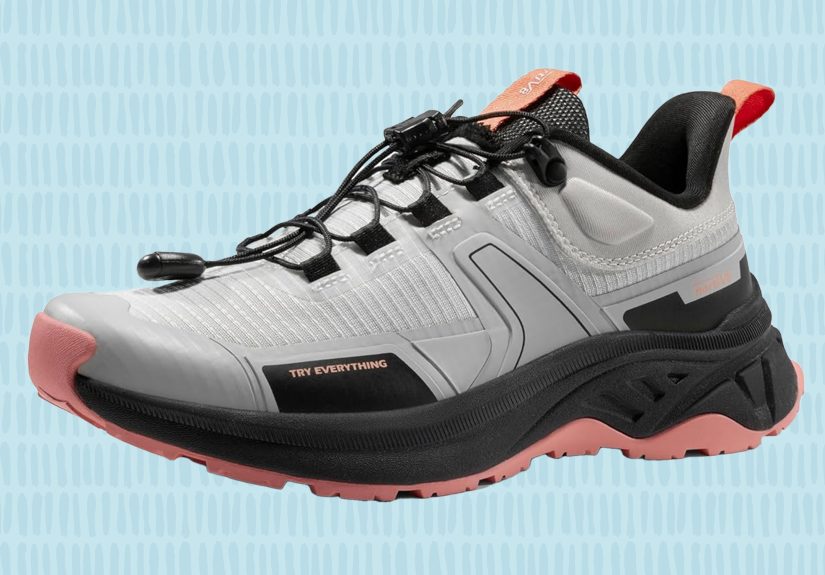
NORTIV 8 is a value-focused brand known for outdoor footwear and increasingly visible walking/running sneakers.
The models shoppers most often compare to Hokas typically feature:
- Thick EVA midsoles for shock absorption and a “bouncy” feel
- Breathable mesh uppers aimed at all-day comfort
- Rubber outsoles marketed for traction and everyday durability
- Details like reflective strips and stable heel shaping on some styles
In other words, Nortiv is trying to deliver that plush, easygoing ride people associate with Hokaswithout asking
your wallet to do a trust fall.
Why Shoppers Keep Comparing Nortiv Shoes to Hokas
The comparison isn’t coming out of thin air. Multiple mainstream lifestyle outlets have highlighted Nortiv 8 sneakers
as “Hoka-dupe” options based on shopper reviewsespecially for people who walk a lot (think travel days, busy retail
floors, healthcare shifts, or anyone chasing a step goal like it owes them money).
The recurring theme in these reviews is consistent: comfort right out of the box, a thick cushioned midsole,
and a supportive feel that makes long days more tolerable. Some shoppers even mention using them for foot
discomfort like plantar fasciitisthough it’s always smart to treat shoe claims like you treat skincare claims on TikTok:
interesting, but verify for your own body.
Nortiv vs. Hoka: The Real Differences (Feature by Feature)
Let’s do the comparison the way your brain actually shops: “How does it feel?” “Will it last?” “Is it worth it?”
“Will I regret this at mile three?”
1) Cushioning and Underfoot Feel
Hoka: Cushioning tends to feel “plush but controlled.” Many models use compression-molded EVA and tuned
geometries to absorb impact while keeping transitions smooth. Shoes like the Clifton are designed to feel light for
their cushioning, while Bondi-style options dial the plushness up even more.
Nortiv: The Nortiv styles that get compared to Hokas generally lean into a thick EVA midsole meant to feel soft,
bouncy, and joint-friendly for walking and casual running. For many shoppers, that’s enough to replicate the “cloud”
vibe they associate with Hokaespecially at lower speeds and shorter distances.
2) The Rocker Effect: Why “Rolling Forward” Feels Good
One reason Hoka feels smooth is the rocker-like sole shape that helps you roll from heel strike to toe-off. This
“rolling” sensation isn’t just a comfort gimmickit can change pressure patterns under the foot, which is one reason
rocker designs are sometimes discussed in contexts like forefoot pressure reduction.
Nortiv’s “Hoka-dupe” models often mimic this idea with a thick sole and a subtle rocking shape that makes walking feel
less harsh on hard surfaces. The ride can feel especially pleasant if your stride is naturally a little heavy-footed
(no shamegravity is undefeated).
3) Support and Stability
Hoka: Some models include stability-focused designs (for example, features intended to help manage overpronation)
and a stable base that can feel secure even with lots of foam. If you know you need stabilitybecause your ankles
love surprise plot twistsHoka’s dedicated stability lines can be a meaningful advantage.
Nortiv: Most Nortiv walking/running sneakers in this “dupe” conversation are more about general comfort than
precision stability engineering. They may feel stable because the sole is wide and the foam is thick, but they’re
not usually positioned as specialized stability trainers in the same way.
4) Upper Fit: Toe Box, Breathability, and All-Day Wear
Hoka: Many models use engineered knit or mesh uppers designed to be breathable and secure. Fit can vary by
model; some people find certain Hokas run narrow, while others love the locked-in feel.
Nortiv: Nortiv’s popular walking/running styles frequently emphasize breathable mesh and comfort. Reviewers
often mention that they work well for long shifts and lots of steps. Fit consistency can vary more with value brands,
so reading recent sizing reviews matters.
5) Outsole and Durability
Here’s where the price gap tends to show up.
Hoka: Many models use durable rubber placements to extend outsole life, especially in higher-wear zones.
As a general guideline, running shoes are often replaced after a certain mileage range depending on gait, surface,
and body weight.
Nortiv: Nortiv shoes often feature rubber outsoles marketed for traction and everyday durability, but the
long-term wear can be more variable. Some shoppers report surprisingly good longevity for the price, while others
treat them as a “great for now” shoe rather than a high-mileage workhorse.
The Price-to-Comfort Math: When Nortiv Makes Sense (and When Hoka Is Worth It)
| What You Care About | Nortiv (Budget-Friendly) | Hoka (Premium) |
|---|---|---|
| Upfront cost | Low to moderate (often under $100) | Higher (commonly $150+ depending on model) |
| Immediate comfort | Often very good for walking/standing | Often excellent, especially for long wear |
| Ride “smoothness” | Can feel rocker-like on some styles | Signature rocker feel on many models |
| Stability options | Mostly general comfort models | Dedicated stability shoes available |
| Long-term durability | Variable; often “good for the price” | More consistent, built for higher mileage |
| Best for | Walking, travel, shifts, casual workouts, tight budgets | Regular running, higher mileage, specific fit/support needs |
Think of Nortiv as the “practical friend” option: it may not have every performance credential, but it shows up,
does the job, and doesn’t demand a financial apology afterward. Hoka is the “specialist” option: you’re paying for
engineering, consistency, and a ride that stays dependable when you ask more of it.
How to Choose: A Quick Decision Guide
Choose Nortiv if you want:
- Max cushion feel on a budget for walking, errands, and everyday wear
- A travel shoe for long sightseeing days and lots of steps
- A “try it and see” option before investing in premium footwear
- A rotation shoe to give your pricier pair a break
Choose Hoka if you want:
- More consistent performance for regular running or high weekly mileage
- Purpose-built stability options if you know you need support
- Premium materials and design that tend to hold up better over time
- A predictable fit and ride when you’re training, not just strolling
Make Either Shoe Work Better: Small Tweaks, Big Comfort
- Use the “heel lock” (runner’s knot) lacing if your heel slips. A tiny lace change can prevent blisters.
-
Try supportive insoles if you need more arch structure. Many people mix a cushioned shoe with an insert
for a best-of-both-worlds setup. - Rotate shoes if you’re on your feet daily. Alternating pairs can help foam rebound and may reduce wear.
- Watch the outsole pattern. Uneven wear is a clue that your gait might prefer a different type of support.
A Quick Word on Foot Pain (Because the Internet Loves a Miracle Shoe)
Shoppers frequently mention wearing cushioned shoes for issues like plantar fasciitis or general foot fatigue. Comfort
matters, but foot pain isn’t one-size-fits-all. Many clinicians emphasize supportive footwear, adequate arch support,
and the option for inserts/orthotics when needed. If pain is persistent, it’s worth checking in with a qualified
professionalbecause “I read a review” is not the same as “my body agrees.”
Real-World Shopper Experiences (Extra Notes From the “I Have Places to Be” Crowd)
Below are common experience patterns shoppers describe when comparing Nortiv to Hoka. Consider these “real-life
scenarios” rather than guaranteesbecause feet are opinionated, and they will submit feedback with zero notice.
1) The 15,000-Step Travel Day Test
A frequent theme in Nortiv-vs-Hoka chatter is the travel stress test: airport terminals, city blocks, museum laps,
and that one friend who insists, “It’s only a 25-minute walk,” which is always a lie. Many shoppers say Nortiv’s thick
EVA cushion feels forgiving on pavement, especially if you’re walking at a steady pace and want a soft landing. Hoka
fans often describe a similar plushness, but with a smoother roll forwardless of a “thud” at the end of the day.
The biggest difference people mention is consistency: Hokas tend to feel reliably supportive across long days, while
Nortiv can feel amazing for the price but more dependent on fit and foot shape.
2) The 12-Hour Shift Reality Check
Nurses, retail workers, servers, and teachers show up repeatedly in these comparisons for one reason: standing and
walking for hours turns small shoe problems into big mood problems. Shoppers often say Nortiv feels comfortable right
away and helps reduce that “hot foot” fatigue by the final hours of a shift. Hoka wearers frequently highlight how the
rocker-like transition and stable platform help them stay comfortable when they’re moving all day, not just standing.
In this scenario, the best shoe often depends on whether you want maximum softness (comfort feel) or a balance of
softness plus guidance (support feel).
3) The “I Need Cushion, But I Don’t Want to Feel Wobbly” Situation
Some shoppers love thick foam… until it feels like walking on a mattress on top of another mattress. People who
prefer Hokas often say the platform feels stable even with high cushioning, especially in well-known daily trainers.
Nortiv shoppers who are happy with their pair often describe a pleasantly wide base and a “rolling” step that feels
natural on flat ground. The people who don’t love Nortiv as much tend to describe either sizing quirks or a ride that
feels a bit less controlledstill soft, but not always as “guided” through the step.
4) The Budget Experiment That Turns Into a Repeat Purchase
A classic pattern: someone buys Nortiv expecting “decent for the price,” then gets surprised when it feels genuinely
comfortable. That surprise often becomes: “I’m buying a second pair for work,” or “I’m keeping these as my travel
shoes so my expensive pair doesn’t get destroyed.” This is where Nortiv shineslow-risk entry, solid comfort, and
an easy justification if you want multiple pairs for different roles. Hoka buyers, on the other hand, often justify
the cost by pointing to higher mileage use, more frequent running, or needing a specific type of support and fit
that they trust.
5) The Compliment Factor (Yes, It Matters)
Shoppers sometimes mention getting more compliments on Nortiv than on their pricier shoes, mostly because many
modern max-cushion sneakers share a similar chunky silhouette. For some people, Nortiv hits the sweet spot of
“athleisure-friendly” and “comfortable enough to actually wear,” which is the holy grail of sneaker ownership.
Hoka has its own style reputation too, but the Nortiv conversation often includes a little delight: you can get the
look and a comfy ride without paying premium-brand prices.
6) The “Serious Running” Line in the Sand
When shoppers draw a boundary between Nortiv and Hoka, it’s often here: structured training, higher weekly mileage,
and performance expectations. Many people are perfectly happy using Nortiv for walking, casual runs, and gym sessions.
But for consistent runningespecially if you’re tracking mileage, dealing with recurring aches, or want predictable
performanceHoka tends to be the safer bet. The main reason isn’t hype; it’s that premium running shoes are usually
designed, tested, and refined for repeat impact over time. Nortiv can be a great value, but Hoka is generally built
with “do this again tomorrow” in mind.
Conclusion
So, are Nortiv shoes “just like Hokas”? Shoppers compare them because the comfort goal is similar: thick cushioning,
a smooth ride, and less foot fatigue. Nortiv can be a smart, budget-friendly way to get that plush feel for walking,
travel, and long days on your feetespecially if your priority is comfort per dollar. Hoka still earns its reputation
when you need consistent performance, stability options, and a ride that stays dependable as the miles (or shifts)
stack up.
If you’re curious, the best approach is simple: match the shoe to the job. Nortiv for value-driven comfort days. Hoka
for high-demand wear and specialized needs. Either way, your feet will let you know what they thinksometimes loudly,
usually during the least convenient moment.