Table of Contents >> Show >> Hide
- Quick refresher: what lymph nodes actually do
- Where are supraclavicular lymph nodes located?
- Supraclavicular lymph node anatomy: right vs. left matters
- Diagram: a simple mental map of where these nodes sit
- Function: what supraclavicular lymph nodes do all day (besides stress you out)
- Lymphatic drainage: what areas can “report” to supraclavicular nodes?
- Why supraclavicular swelling gets taken seriously (but not sensationally)
- How clinicians evaluate a supraclavicular lymph node
- When to call a clinician (and when to stop poking it every 12 minutes)
- Key takeaways
- Experiences people commonly have with supraclavicular nodes (the human side, ~)
If your body had a security team, lymph nodes would be the tiny bouncers checking IDs at every door.
Supraclavicular lymph nodes are the bouncers posted in a particularly strategic spot:
right above your collarbone (the clavicle), near a major “on-ramp” where lymph fluid eventually returns to the bloodstream.
Small location, big reputation.
In this guide, we’ll map out where these nodes sit, what they do, how doctors think about swelling in this area,
and why one node on the left side has a name that gets whispered like a plot twist: Virchow’s node.
(Don’t worrywe’ll keep it practical, not panic-y.)
Quick refresher: what lymph nodes actually do
Lymph nodes are small, bean-shaped structures packed with immune cells. They filter lymph fluid, trap germs and other
“unwanted guests,” and help coordinate immune responses. When they detect trouble (like an infection), they can enlarge
because immune cells multiply and inflammation increases. That’s why lymph nodes can swell when you’re sickeven if you
feel fine everywhere else.
Where are supraclavicular lymph nodes located?
“Supraclavicular” literally means above the clavicle. These nodes sit in the
supraclavicular fossathe shallow hollow just above your collarbone, toward the base of the neck.
Anatomically, they’re often discussed as part of the lower deep cervical lymph node region (think “lower neck” in lymph-map terms).
Landmarks you can picture without an anatomy degree
- Clavicle (collarbone): the “floor” under the region.
- Sternocleidomastoid (SCM) muscle: the prominent strap-like muscle that turns your head; the hollow near its lower end is often where clinicians palpate.
- Venous angle area: where major veins meet near the base of the neckimportant because lymph ultimately drains into the venous system nearby.
Clinically, providers often check this region during a neck exam because nodes here are more likely to reflect
issues coming from deeper areas (chest/abdomen) compared with some other neck nodes that mainly respond to local throat or dental infections.
Supraclavicular lymph node anatomy: right vs. left matters
Supraclavicular nodes exist on both sides, but they’re not identical in “drainage responsibility.”
Your lymphatic system routes fluid through different channels depending on which side of the body it’s coming from.
That’s why clinicians pay attention to which side is enlarged.
Right supraclavicular nodes: the “right upper quadrant” of lymph drainage
The right side tends to be more connected to lymph drainage from the right side of the chest
and nearby structures. In real-world terms, swelling here may be associated with conditions involving the chest,
lungs, or breast on that sidethough infections and inflammatory causes can still be the culprit.
Left supraclavicular nodes: home of Virchow’s node (the famous one)
On the left, one node in particular may be referred to as Virchow’s node.
It sits near the terminal drainage of the thoracic ductthe body’s main lymphatic “highway”
that carries lymph from much of the body back toward the bloodstream.
Because the thoracic duct collects lymph from large regions (including much of the abdomen),
an enlarged left supraclavicular node can sometimes be a cluehistorically called Troisier’s sign
that something deeper needs attention. Important note: “can be a clue” is not the same as “definitely means cancer.”
It’s a sign that deserves a thoughtful evaluation, not a midnight spiral.
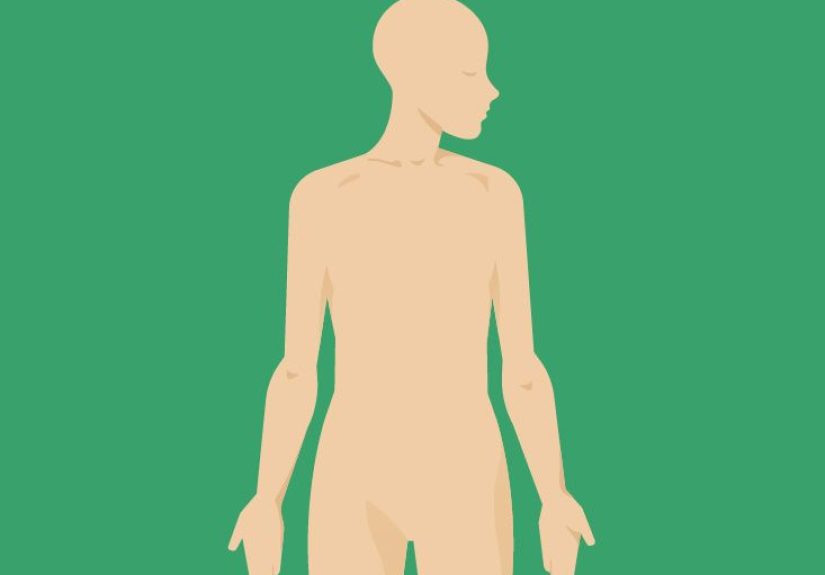
Diagram: a simple mental map of where these nodes sit
Real anatomy is more 3D and less ASCII-art-friendly, but the takeaway is simple:
these nodes sit at the base of the neck, just above the collarbone, near major vessels and major lymphatic drainage routes.
Function: what supraclavicular lymph nodes do all day (besides stress you out)
1) Filter lymph fluid
Lymph fluid carries proteins, immune cells, and cellular debris. Lymph nodes act like filtersscreening for bacteria,
viruses, and abnormal cells. If the immune system detects a problem, nodes can swell as they ramp up activity.
2) Coordinate immune response
Inside nodes, immune cells communicate, multiply, and prepare targeted responses. This is why lymph nodes can become
tender during infections: inflammation plus immune activation.
3) Serve as a “checkpoint” for drainage from broader regions
Supraclavicular nodes are positioned close to where lymph returns to the bloodstream. That makes them a key checkpoint.
In practice, they can reflect issues from areas beyond the neckparticularly on the left, because of the thoracic duct.
Lymphatic drainage: what areas can “report” to supraclavicular nodes?
Lymph drainage isn’t perfectly uniform (humans love variety), but clinicians use well-established patterns:
- Left supraclavicular (Virchow area): can receive lymph that ultimately includes contributions from the thoracic duct, which collects lymph from large portions of the body (including abdominal regions).
- Right supraclavicular: more often reflects drainage from the right upper body (right chest and nearby structures).
- Both sides: can enlarge due to local infections, systemic infections, autoimmune/inflammatory conditions, or cancers like lymphoma that involve lymphatic tissue itself.
Why supraclavicular swelling gets taken seriously (but not sensationally)
Providers pay close attention to supraclavicular lymphadenopathy because, compared with many other superficial lymph node areas,
enlargement here can have a higher association with significant underlying diseaseespecially if the node is
hard, fixed, growing, or persistent, or if it comes with systemic symptoms.
That’s why clinicians often don’t “watch and wait” as casually with supraclavicular nodes as they might with a small, tender node
that appears during a sore throat.
Common (often benign) reasons these nodes can enlarge
- Viral infections: upper respiratory infections, mono-like illnesses, etc. Nodes may feel tender and mobile.
- Bacterial infections: lymphadenitis can make nodes sore, warm, or associated with overlying skin changes.
- Inflammatory or immune conditions: less common, but possible depending on the whole clinical picture.
Reasons that require prompt medical evaluation
Swollen supraclavicular nodes can sometimes be linked to cancers (metastatic disease from other organs or lymphatic cancers like lymphoma).
This doesn’t mean swelling equals cancer; it means the risk profile of this location often justifies earlier evaluation.
Providers also consider the broader context: age, duration, the node’s feel (soft vs. rubbery vs. hard),
whether it’s movable or fixed, and whether you have red-flag symptoms.
How clinicians evaluate a supraclavicular lymph node
Step 1: History + physical exam (yes, the “questions” part matters)
A clinician will ask about recent infections, dental issues, travel, exposures (like cats, TB risk, etc.),
medications, and systemic symptoms. On exam, they’ll assess:
- Size (and whether it’s changing)
- Tenderness (tender can suggest inflammation/infection, though not always)
- Mobility (mobile vs. fixed to underlying tissue)
- Texture (soft, rubbery, firm, or hard)
- Single vs. multiple nodes and other regions involved
Step 2: Imaging when appropriate
If the clinical picture warrants it, clinicians may use imaging to characterize the node and look for a source:
ultrasound is common for superficial nodes (it can assess size, shape, internal architecture, and vascular patterns).
CT or other imaging may be added depending on suspected origin (neck, chest, abdomen).
Step 3: Biopsy if needed
When a node is suspicious or persistent without a clear benign explanation, tissue sampling may be recommended.
Options can include:
- Needle biopsy (often guided by ultrasound)
- Core needle biopsy (obtains a tissue “core” for more architecture)
- Excisional biopsy (surgical removal of all or part of a node)
The best approach depends on the clinical scenario and what diagnoses are being considered.
For example, lymphomas sometimes require more tissue architecture for a definitive diagnosis than a small needle sample provides.
Your clinician balances diagnostic yield with invasiveness.
When to call a clinician (and when to stop poking it every 12 minutes)
A practical rule: if you notice a new lump above the collarbone, it’s reasonable to arrange a medical evaluationespecially if it:
lasts more than a couple of weeks, grows, feels hard/fixed, or comes with systemic symptoms.
Red flags worth prompt evaluation
- Persistent node (doesn’t improve over ~2–3 weeks)
- Hard or fixed node
- Rapid growth
- Unexplained weight loss, fevers, or night sweats
- Shortness of breath, persistent cough, or swallowing changes
And yestry not to repeatedly mash it like a doorbell. Constant checking can irritate tissues and amplify anxiety.
Make a note of what you feel, then let a clinician do the detective work with the right tools.
Key takeaways
- Supraclavicular lymph nodes sit above the clavicle and act as immune “filters” near major lymph drainage routes.
- Left-sided enlargement (Virchow’s node area) can sometimes reflect drainage from broader regions, including abdominal sources.
- Supraclavicular swelling deserves evaluation, especially if persistent, hard, fixed, or associated with systemic symptoms.
- Workup may include history/exam, ultrasound or other imaging, and biopsy when needed.
Experiences people commonly have with supraclavicular nodes (the human side, ~)
For many people, the first “experience” with supraclavicular lymph nodes isn’t an anatomy lessonit’s a moment in front of a mirror.
You’re adjusting a shirt collar, scratching an itch, or putting on a necklace, and your fingers find a small bump you don’t remember ordering.
Cue the brain’s least helpful feature: the instant highlight reel of worst-case scenarios.
A common pattern is noticing the lump after a mild illness. Maybe you had a scratchy throat, a lingering cough, or a week of “meh”
energy that you brushed off as stress. Then, as you’re finally feeling better, the node is still therelike a party guest who didn’t get
the hint that the event ended. That lingering can be normal: immune activation can outlast symptoms, and some nodes shrink slowly over time.
People often describe the node as tender or “sore when I press it,” which frequently aligns with inflammation.
Another common experience is uncertainty about what’s actually being felt. The supraclavicular region has muscles, tendons, and normal
anatomical “edges” that can feel lumpy, especially in thinner individuals. Clinicians see this all the time: a patient points to a spot,
and the provider distinguishes between a lymph node, a muscle band, or a normal bony contour. That doesn’t make the concern sillyit just
means the neck is a busy neighborhood.
At the doctor’s office, the experience typically becomes more structured: questions about recent infections, dental issues, travel,
exposures, and systemic symptoms. Then comes palpationgentle, methodical pressing across multiple lymph node regions, not just the one you found.
Many patients are surprised by how much context matters. A small, mobile, tender node with a recent viral illness story reads very differently than
a firm, fixed node that’s enlarging with unexplained weight loss or night sweats.
If imaging is recommended, ultrasound is a frequent next step because it’s fast, noninvasive, and good at characterizing superficial nodes.
Patients often describe relief in simply “seeing” what’s going on: the report may mention features consistent with a reactive node, or it may
recommend follow-up or sampling. When biopsy is needed, people often fear the procedure more than the procedure deserves. Most describe needle sampling
as briefpressure, a pinch, then donefollowed by the harder part: waiting for results.
Emotionally, the experience is often a tug-of-war between logic and worry. A useful approach many patients adopt is to replace constant checking with
a simple tracking plan: note the approximate size once every few days, record any new symptoms, and keep the next appointment. It’s not about ignoring
your body; it’s about gathering calm, useful data instead of feeding the anxiety hamster wheel.
The most consistent “lesson learned” from real-world experiences is this: supraclavicular nodes are worth taking seriously, but they’re not a diagnosis.
They’re a signpost. With timely evaluation, the signpost can point to something minor and self-limitedor to something that needs treatment.
Either way, the best outcome comes from using the right next step, not the loudest fear.