Table of Contents >> Show >> Hide
- What Is Monolaurin?
- How Monolaurin Might Work (In Plain English)
- Potential Benefits: What the Evidence Really Says
- Monolaurin Forms You’ll See on Labels
- Dosage: How Much Monolaurin Do People Take?
- Side Effects and Safety Considerations
- How to Choose a Monolaurin Supplement (Without Getting Played by Marketing)
- FAQ
- Real-World Experiences (About ): What People Commonly Notice With Monolaurin
- Conclusion
Monolaurin sounds like a superhero name (and honestly, it kind of acts like one in a petri dish).
In the real world, it’s a supplement ingredient best known for one big promise: “antimicrobial support.”
The catch? A lot of the hype comes from lab research, not strong human supplement trials.
So if you’ve seen monolaurin described as a natural “germ bouncer,” you’re not crazy for being curiousjust don’t let the marketing write your medical plan.
This guide breaks down what monolaurin is, what the research actually suggests, how people commonly dose it (and why dosing is still a gray area),
and what side effects and safety considerations you should knowespecially if you’re under 18, pregnant, nursing, or managing a health condition.
What Is Monolaurin?
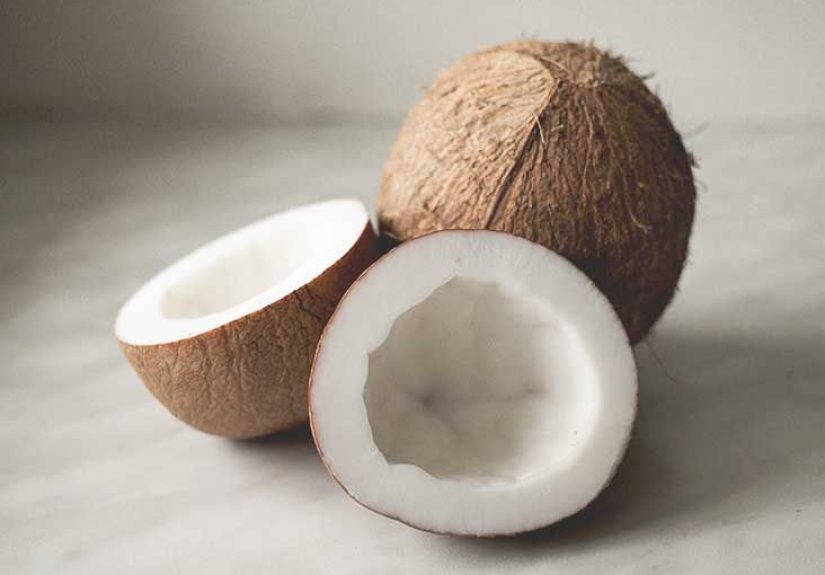
Monolaurin (also called glycerol monolaurate or glyceryl laurate) is a compound made from lauric acid
(a fatty acid found in coconut and palm kernel oils) and glycerol.
Lauric acid is also present in human breast milk, and monolaurin (or closely related forms) has been studied as one of the milk components that may contribute
to antimicrobial activity.
In foods, mono- and diglycerides (a broader category that can include lauric-acid-based forms) are widely used as emulsifiers.
In supplements, monolaurin is typically sold as capsules, pellets, or powderoften marketed for “immune support,” “gut health,” or “microbial balance.”
How Monolaurin Might Work (In Plain English)
Monolaurin is a type of fat-like molecule that can interact with lipid membranesthink of it like a wedge that can mess with the structure of certain microbes.
In lab studies, glycerol monolaurate (GML) can disrupt processes microbes need to function, and it’s been shown to reduce toxin production in some bacteria.
That’s one reason it’s been explored in contexts like menstrual toxic shock syndrome prevention strategies (in product materials and research settings).
Researchers have also studied GML’s effects on immune signaling in cells. That doesn’t automatically mean it “boosts immunity” (marketing loves that phrase),
but it does suggest monolaurin might influence inflammation and immune responses in specific experimental conditions.
Potential Benefits: What the Evidence Really Says
Here’s the honest headline: monolaurin has lots of promising lab research, but solid evidence for oral monolaurin supplements treating infections in humans is limited.
A clinical review of monolaurin noted that most antimicrobial data are in vitro (lab) and that human evidence for monolaurin as an oral dietary supplement is lacking,
with the strongest human data being for topical or local use in specific contexts.
1) Antimicrobial Activity (Mostly Lab Data)
In vitro studies suggest monolaurin can inhibit or interfere with certain bacteria, fungi, and some enveloped viruses under lab conditions.
It has also been studied for antibacterial “synergy” in combination with some antibiotics in experimental settings.
That’s scientifically interestingbut it’s not the same as proving a supplement will prevent or treat infections in people.
2) Vaginal Health Research (Targeted, Local Use)
One of the more concrete areas of human research involves local vaginal application (not swallowing capsules).
Studies have examined GML’s effects on vaginal microflora and its activity against organisms associated with bacterial vaginosis and yeast issues.
Separate research has looked at GML-treated tampon materials and reductions in Staphylococcus aureus growth or exotoxin measures during normal tampon use.
Translation: the most “real-world” evidence is tied to local delivery in controlled studiesnot general oral supplement use for broad infection prevention.
3) Oral and Dental Angles (Limited and Not Definitive)
Some discussions of monolaurin mention oral or dental use (like mouthwash-type applications).
The scientific takeaway remains the same: local exposure is easier to study, and it’s not a guarantee that swallowing a supplement produces the same effect where you want it.
4) Immune Signaling and Inflammation (Early-Stage Research)
Cell and mechanistic studies suggest GML can influence signaling pathways in immune cells (for example, T-cell activation signaling in laboratory settings).
This is a clue that monolaurin may have immunomodulatory effectsbut it’s not a green light to treat autoimmune conditions, chronic inflammation, or viral illness on your own.
5) Gut/Microbiome Interest (Mostly Animal and Preclinical)
There’s growing interest in how GML might affect gut barrier function, inflammation, and microbiota composition.
Some animal studies report changes in gut inflammation markers or intestinal structure when GML is added to diets.
These findings are worth watching, but they’re not the same as human clinical guidanceespecially because “microbiome-friendly” depends on dose, context, and the person.
So… Is Monolaurin “Worth It”?
It depends on your goal. If you’re hoping monolaurin is a supplement shortcut that replaces medical care for infections, that’s a bad bet.
If you’re using it cautiously as a general wellness supplement and you understand the evidence is limitedthen your focus should be on safety, reasonable dosing, and realistic expectations.
Monolaurin Forms You’ll See on Labels
- Pellets: often marketed as “slow release” or easier to titrate.
- Capsules/softgels: convenient, standardized amounts per serving.
- Powder: flexible dosing, but easier to overdo if you’re not measuring carefully.
Labels may also describe the product as “glycerol monolaurate (GML)” or “monolaurin.” Some products highlight a purity percentage.
If you’re comparing brands, pay attention to the actual milligrams per serving, not just the front-label buzzwords.
Dosage: How Much Monolaurin Do People Take?
There is no official standard dosage for monolaurin supplements because monolaurin isn’t approved by the FDA to treat a medical condition.
That means dosing guidance mostly comes from manufacturers, clinician anecdotes, and supplement articlesnot strong clinical trials.
Common Supplement Label Ranges
Many products land somewhere in the hundreds of milligrams per serving, and some people take multiple servings per day.
You’ll also find “protocol-style” recommendations online that escalate into gram-level daily totals.
The important point is that higher isn’t automatically betterespecially when human evidence is limited and side effects tend to be dose-related.
A Safer, More Boring Approach (Which Is Usually the Smart One)
- Start low to see how your stomach reacts.
- Split doses (morning/evening) rather than taking a big amount at once.
- Take with food if you notice nausea or GI discomfort.
- Reassess after 1–2 weeks instead of adding more and more “because the internet said so.”
If You’re Under 18
If you’re a teen, the safest move is to talk to a clinician (or a pharmacist) before using monolaurin regularly.
Most supplement dosing guidance is written for adults, and “natural” does not automatically mean “teen-tested.”
Side Effects and Safety Considerations
Monolaurin is widely used in food-related applications in broader mono-/diglyceride categories,
and glycerol monolaurate has a history of research use. Still, supplements can deliver much higher doses than you’d get from food.
Side effects are most often reported as digestive.
Possible Side Effects
- GI upset: nausea, stomach cramps, loose stool/diarrhea (more likely at higher doses).
- Headache or “off” feeling: nonspecific, can happen with many supplements.
- Skin reactions: uncommon, but possibleespecially if you have sensitivities.
- Allergy concerns: if you have a coconut allergy, be extra cautious with coconut-derived ingredients.
About the “Die-Off” Story
Some supplement communities talk about a “die-off” or “Herxheimer” reaction when starting antimicrobials.
In real medical contexts, Jarisch–Herxheimer reactions are specific and tied to particular infections and treatments.
For monolaurin supplements, many “die-off” reports could also be explained by dose-related GI irritation, changes in diet, stress, sleep, or expectations.
Bottom line: if you feel worse, don’t treat suffering as proof it’s working.
Who Should Talk to a Clinician First (or Skip It)
- Anyone who is pregnant or nursing (safety data for supplement-level dosing is limited).
- People with immune conditions or those taking immunosuppressive therapy.
- Anyone managing chronic GI conditions (because GI side effects are common).
- Those taking multiple medications where interactions haven’t been studied.
- Anyone using monolaurin to self-treat a suspected infection instead of getting care.
How to Choose a Monolaurin Supplement (Without Getting Played by Marketing)
Look for Quality Signals
- Clear dosing in mg per serving (not just “proprietary blend” vibes).
- Third-party testing (USP, NSF, or independent labsif listed).
- Simple formulations if you’re sensitive to fillers.
- Reasonable serving sizes that let you titrate instead of forcing mega-doses.
Match the Product to Your Goal
If your goal is general wellness, you likely don’t need extreme protocols.
If your goal is to manage a specific health issue, that’s your cue to involve a professionalbecause “supplement roulette” is rarely a winning strategy.
FAQ
Is monolaurin the same as coconut oil?
Not exactly. Coconut oil contains lauric acid, and monolaurin is derived from lauric acid combined with glycerol.
Taking coconut oil is not the same as taking purified monolaurinand neither is automatically a proven treatment for infections.
How long does monolaurin take to work?
There’s no universal answer because strong clinical evidence for oral monolaurin supplement outcomes is limited.
People who try it often judge by how they feel over days to weeks, but that can be influenced by many factors (sleep, hydration, diet, other supplements, timing).
Can monolaurin replace antibiotics or antivirals?
No. If you suspect an infectionespecially with fever, worsening symptoms, or severe painget medical care.
Supplements are not a substitute for diagnosis and appropriate treatment.
Real-World Experiences (About ): What People Commonly Notice With Monolaurin
Let’s talk about the part that rarely makes it into a supplement facts panel: what it’s actually like to try monolaurin in everyday life.
Not in a “this will change your life in 48 hours” waymore like the practical, human reality of adding a new supplement and watching your body react like,
“Oh cool, a new thing. Should I be impressed or annoyed?”
The most common early experience is… digestive feedback. Some people feel nothing at all. Others discover their stomach has opinions.
A frequent pattern is that monolaurin feels fine at a low dose, but gets spicy (read: bloating, rumbling, loose stool) when someone jumps too quickly
into higher amounts. That’s why many cautious users “start small” and split doses. If you’re the type who likes immediate results, monolaurin can be a lesson in patience:
the body rarely rewards the “double it and see what happens” approach.
Another common experience is expectation whiplash. If someone starts monolaurin during a season when they’re already run downbusy schedule, poor sleep,
not enough real mealsany change can feel dramatic. If they feel better, monolaurin gets the credit. If they feel worse, monolaurin gets blamed.
That doesn’t mean monolaurin does nothing; it means real life is messy. The most useful approach is to track basics for a week or two:
sleep, stress, hydration, diet, and any symptoms you’re monitoring. When people do this, they’re more likely to notice whether monolaurin is genuinely helpful,
or whether the real hero was going to bed before midnight.
You’ll also see a “stacking” habit: many people try monolaurin alongside vitamin D, zinc, probiotics, herbal blends, and whatever else their shopping cart collects at 2 a.m.
Then, when something changes, it’s impossible to know which ingredient mattered. People who report the clearest experiences often do the least glamorous thing:
they try monolaurin alone, keep everything else steady, and give it time. Not excitingbut effective.
There’s also the “die-off” storyline, where discomfort is interpreted as proof of microbial battle. Some people find that narrative motivating.
But a smarter (and kinder) interpretation is: if you feel worse, your dose may be too high, your timing may be off, or your body may not like that product.
Discomfort isn’t a bonus level. It’s a signal. The best real-world experiences tend to come from treating monolaurin like a cautious experiment,
not a test of toughness.
Finally, many people end up using monolaurin in a “seasonal” wayshort stretches rather than forever.
That approach can reduce side effects, prevent supplement fatigue, and keep the routine realistic.
If you decide to try monolaurin, the best experience is usually the one where you stay grounded: realistic expectations, reasonable dosing,
attention to side effects, and a willingness to stop if your body clearly votes “no.”
Conclusion
Monolaurin is a fascinating compound with strong laboratory evidence for antimicrobial activity and intriguing research on toxin reduction and immune signaling.
But the leap from “works in a lab” to “proven oral supplement for humans” is a big oneand it hasn’t been fully crossed.
If you use monolaurin, treat it as a cautious wellness supplement, not a replacement for medical care:
choose a reputable product, start low, watch for GI side effects, and talk to a clinician if you’re under 18 or managing health conditions.