Table of Contents >> Show >> Hide
- Why these three diets keep landing near the top
- What “ranked high” really means (and why it matters)
- Mediterranean diet: the #1 “this is how humans should eat” vibe
- DASH diet: the blood-pressure boss that quietly does everything else too
- Flexitarian diet: plant-forward, not plant-only (aka “I like vegetables and also birthdays”)
- Mediterranean vs. DASH vs. Flexitarian: which one should you choose?
- Common mistakes that make “healthy diets” feel hard
- Quick-start grocery list (mix-and-match friendly)
- FAQ: quick answers people actually want
- Real-life experience: what it actually feels like to live this way (about )
- Conclusion
Every January, a familiar trio shows up at the top of expert diet roundups like the friend group that always arrives early, brings snacks, and somehow still looks put-together: the Mediterranean diet, the DASH diet, and the Flexitarian diet. They aren’t flashy. They don’t promise you’ll “melt belly fat by Tuesday.” They just keep winning because they do the one thing most diets forget to do: work in real life.
Big annual rankings (including U.S. News & World Report’s Best Diets) consistently place these eating patterns near the top because they’re evidence-based, nutrient-dense, and actually doable long-term. Translation: you can eat like a grown-up without living on sadness and celery.
Why these three diets keep landing near the top
Let’s be honest: most “diets” fail because they’re either too strict, too confusing, or require you to purchase a magical powder that tastes like vanilla-flavored drywall. The Mediterranean, DASH, and Flexitarian patterns rank high for the opposite reasons:
- They’re flexible. No food police. No “one wrong grape and you’re out.”
- They’re built around whole foods. Fruits, vegetables, legumes, whole grains, nuts, and healthy fats do the heavy lifting.
- They’re supported by decades of research. Particularly for heart health, blood pressure, metabolic health, and healthy aging.
- They’re sustainable. You can do them at restaurants, at family gatherings, and during weeks when life is a chaotic mess.
Think of them less as “diets” and more as eating patternsthe kind you can keep even when motivation is low and your schedule is rude.
What “ranked high” really means (and why it matters)
Diet rankings typically score patterns across categories such as overall healthfulness, ease of sticking with it, heart health, diabetes support, blood pressure outcomes, nutritional completeness, and safety. A diet can look amazing on paper but still flop if it’s miserable to follow. These three tend to excel because they combine health impact with practicality.
In recent best-diet roundups, the Mediterranean pattern repeatedly holds the top “overall” spot, DASH is frequently highlighted for blood pressure and heart health, and Flexitarian stays near the top for people who want plant-forward eating without going full-time vegetarian.
Mediterranean diet: the #1 “this is how humans should eat” vibe
The Mediterranean diet isn’t one rigid meal plan. It’s a style of eating inspired by traditional patterns in Mediterranean-region cultures: lots of minimally processed plant foods, olive oil as a primary fat, seafood more often than red meat, and meals that feel like mealsnot math problems.
What you eat most of the time
- Vegetables and fruits (fresh, frozen, cannedyes, canned counts)
- Whole grains (oats, brown rice, farro, whole-wheat pasta, barley)
- Legumes (beans, lentils, chickpeas)
- Nuts and seeds
- Olive oil as a main cooking and dressing fat
- Seafood regularly; poultry/eggs in moderation; red meat less often
Why it’s ranked so high
The Mediterranean pattern is strongly associated with better cardiovascular outcomes, metabolic health, and healthy aging. It’s also easy to follow because it doesn’t ban entire food groups. You can still have pasta. You can still have bread. You can still have dessert. You just don’t build your entire personality around them (looking at you, office donut box).
A realistic Mediterranean plate
- Half the plate: vegetables (roasted, sautéed, salad, soupanything)
- One quarter: protein (salmon, sardines, beans, chicken, eggs)
- One quarter: whole grains or starchy veg (brown rice, quinoa, potatoes)
- Plus: olive oil, herbs/spices, and a side of “this actually tastes good”
Sample day of Mediterranean-style eating
Breakfast: Greek yogurt with berries, walnuts, and a drizzle of honey
Lunch: Chickpea salad (cucumber, tomato, olive oil, lemon, feta) + whole-grain pita
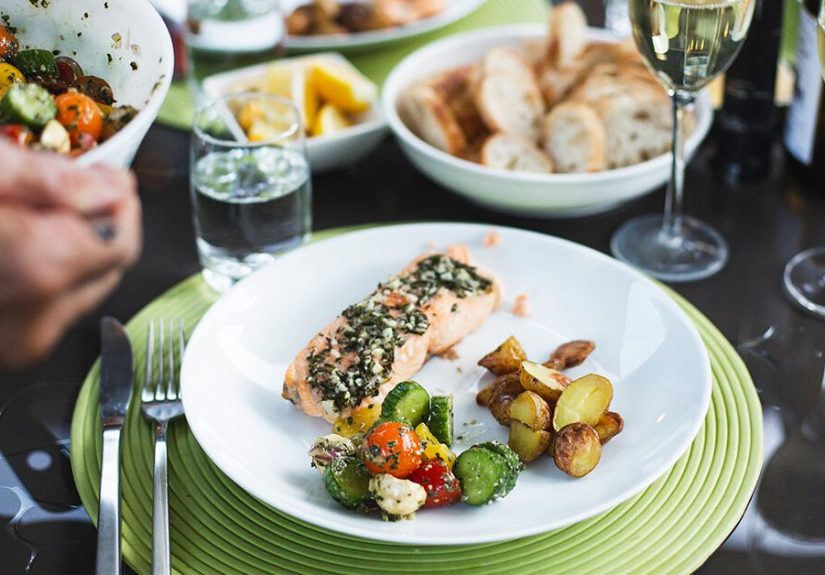
Dinner: Sheet-pan salmon, roasted vegetables, and farro with herbs
Snack: Apple + peanut butter or olives + hummus
DASH diet: the blood-pressure boss that quietly does everything else too
DASH stands for Dietary Approaches to Stop Hypertension. It was designed with cardiovascular health in mind and is widely recognized for helping manage high blood pressure. Unlike trend diets, DASH is basically the nutritional equivalent of a reliable friend who brings you soup when you’re sick and also reminds you to drink water.
What DASH emphasizes
- Fruits and vegetables (high in potassium and fiber)
- Whole grains
- Low-fat or fat-free dairy (or comparable calcium sources, depending on needs)
- Lean proteins (fish, poultry, beans, nuts)
- Less sodium and fewer ultra-processed foods
Why DASH consistently ranks near the top
DASH is repeatedly recognized as a heart-healthy pattern because it targets key factors tied to cardiovascular riskespecially blood pressure. It also tends to improve overall diet quality by nudging people toward more minerals and fiber and fewer added sugars and saturated fats.
How sodium fits in (without turning your food into cardboard)
DASH often includes a lower-sodium approach because sodium can influence blood pressure in many people. You don’t have to eat bland foodjust shift flavor to herbs, spices, citrus, vinegar, garlic, onions, and salt-free blends. Your taste buds will adapt, and your pantry will suddenly feel like a cooking show set.
Sample day on DASH
Breakfast: Oatmeal with banana and cinnamon + low-fat milk (or fortified alternative)
Lunch: Turkey-and-avocado sandwich on whole grain + big salad + fruit
Dinner: Stir-fry with lots of vegetables, tofu or chicken, brown rice, and a low-sodium sauce strategy
Snack: Unsalted nuts or carrots with hummus
Flexitarian diet: plant-forward, not plant-only (aka “I like vegetables and also birthdays”)
The Flexitarian diet is exactly what it sounds like: mostly plant-based, with the flexibility to include meat, poultry, or fish sometimes. It’s popular because it reduces the “all-or-nothing” pressure that makes people quit. Instead of asking, “Am I vegetarian forever now?” it asks, “Can I eat more plants this week?” Much easier.
Core idea
- Most meals are built around plant proteins (beans, lentils, tofu, tempeh, nuts, seeds)
- Animal foods show up occasionallybased on preference, culture, and goals
- Quality matters: vegetables and whole foods are the star, not “plant-based” cookies the size of a hubcap
Why Flexitarian ranks high
Flexitarian eating tends to improve diet quality because it naturally increases fiber, plants, and varietywhile still being flexible enough that people can stick with it. It can also be a gentle on-ramp for anyone who wants to reduce red and processed meats without making their social life complicated.
Flexitarian done right (simple rules that actually help)
- Pick 2–4 meatless dinners a week to start.
- Use “blended” meals: half meat, half lentils/mushrooms in tacos, chili, pasta sauce.
- Keep protein easy: canned beans, frozen edamame, Greek yogurt, eggs, rotisserie chicken, canned fish.
- Watch key nutrients if you go mostly plant-based: B12 (especially), iron, calcium, omega-3s, zinc.
Sample day (flexitarian style)
Breakfast: Veggie omelet + whole-grain toast
Lunch: Lentil soup + side salad
Dinner: Black bean tacos with avocado and slaw (optional grilled fish if you want)
Snack: Trail mix or yogurt with fruit
Mediterranean vs. DASH vs. Flexitarian: which one should you choose?
Here’s the secret: you don’t have to marry one diet and file taxes together. These patterns overlap a lot, and many people do best by borrowing the parts that fit their goals and preferences.
Choose Mediterranean if you want:
- A flavorful, flexible pattern with strong research support
- Olive oil, seafood, and “I can eat pasta without guilt” energy
- An approach that feels like a lifestyle, not a prescription
Choose DASH if you want:
- A structured plan that’s especially strong for blood pressure
- Clear guidance on servings and sodium
- A heart-health-forward framework that still works for families
Choose Flexitarian if you want:
- Plant-forward eating without strict vegetarian rules
- A gentle transition away from frequent red/processed meat
- Maximum flexibility for travel, social events, and picky households
Best “real-world” option for many people: a Mediterranean-style base + DASH sodium awareness + Flexitarian flexibility. That combo is basically the Avengers of sensible eating.
Common mistakes that make “healthy diets” feel hard
1) You try to change everything on Monday
Going from drive-thru to 100% home-cooked legumes overnight is like deciding to run a marathon because you walked past a treadmill once. Start small: one extra vegetable a day, two planned dinners a week, or swapping soda for sparkling water.
2) You underestimate convenience
Convenience foods aren’t the enemy; they’re a tool. Stock frozen vegetables, canned beans, bagged salad, pre-cooked grains, rotisserie chicken, and canned fish. Healthy eating wins when it’s easy at 6:47 p.m.
3) You forget protein and fiber
If meals are all “light” and no satisfaction, you’ll be raiding the pantry later like a raccoon with a mission. Aim for a protein + fiber combo at most meals: beans + rice, yogurt + berries, chicken + vegetables, tofu + stir-fry veggies.
Quick-start grocery list (mix-and-match friendly)
Produce
- Leafy greens (fresh or frozen)
- Tomatoes, cucumbers, peppers, onions
- Berries, apples, citrus
- Garlic, lemons, herbs (fresh or dried)
Proteins
- Canned beans/lentils
- Eggs
- Greek yogurt or fortified alternatives
- Canned salmon/sardines/tuna
- Chicken or tofu/tempeh
Grains & fats
- Oats, brown rice, quinoa, whole-grain bread/pasta
- Extra virgin olive oil
- Nuts and seeds
Flavor boosters
- Vinegar, mustard, salsa
- Spices (cumin, paprika, chili flakes, oregano)
- Low-sodium broth
FAQ: quick answers people actually want
Do these diets work for weight loss?
They can. Not because they’re “fat-burning,” but because they tend to improve food quality and satiety. If weight loss is a goal, portion awareness and consistency matter more than choosing the “perfect” pattern.
Are carbs allowed?
Yes. Whole grains, fruit, beans, and starchy vegetables are staples in these plans. The focus is on quality and balance, not carb fear.
What if I have high blood pressure?
DASH is especially designed for that, and Mediterranean-style eating is also considered heart-friendly. If you’re on blood-pressure medication, check with your clinician before making major dietary changes (especially sodium changes).
Is Flexitarian “good enough,” or should I go fully vegetarian?
Flexitarian is absolutely “good enough.” Health benefits are often driven by increasing plant foods and improving overall dietary patternnot by achieving a purity badge.
Real-life experience: what it actually feels like to live this way (about )
Here’s the part diet articles sometimes skip: the day-to-day reality. Not the “sunlight streams into your kitchen as you zest a lemon” fantasyreal life, where your calendar is packed, your energy is finite, and dinner needs to happen before everyone starts negotiating for cereal.
People who thrive on the Mediterranean pattern usually discover a fun surprise: healthy food doesn’t have to taste like punishment. When olive oil, garlic, lemon, herbs, and roasted vegetables become your default, meals start feeling satisfying. The “experience upgrade” is often the flavorbecause flavor is what keeps you from quitting. A simple bowl of beans becomes something you actually crave when you add sautéed onions, smoked paprika, a splash of vinegar, and a swirl of olive oil. That’s not dieting. That’s cooking.
DASH can feel “structured” at first, especially if you’re not used to paying attention to sodium. The experience tends to go in phases. Phase one: you notice how many packaged foods are basically salt delivery systems. Phase two: you get annoyed. Phase three: you learn shortcutslike rinsing canned beans, buying low-sodium broth, using citrus and spice blends, and keeping “emergency meals” on hand (think: scrambled eggs + frozen veggies + whole-grain toast). Eventually, many people report that their taste buds recalibrate. Restaurant food starts tasting extra salty, and you realize you’re not missing saltyou’re missing seasoning.
Flexitarian is often the easiest emotionally, because it doesn’t demand perfection. The lived experience is usually about small wins: Meatless Monday, a lentil soup you actually like, a taco night where half the filling is black beans and nobody complains. The biggest “aha” moment is learning that plant proteins aren’t just salad accessories. Beans, lentils, tofu, and tempeh can be hearty if you cook them with intention. And on the days you do eat meat, you may naturally start treating it like a supporting actor instead of the entire plot.
Across all three patterns, the most consistent real-life success strategy is shockingly boring (which is why it works): repeat a few reliable meals. Not foreverjust enough to reduce decision fatigue. A go-to breakfast, two lunches you can rotate, and three dinners you can make half-asleep. Once the baseline is stable, you can get creative. That’s how these diets become sustainable: not through willpower, but through systems.
The final, most human part of the experience: progress isn’t linear. There will be weeks where you nail it and weeks where you eat like a stressed raccoon. The Mediterranean, DASH, and Flexitarian patterns stay ranked high because they have something most diets don’ta built-in way back. No shame spiral required. You just start with the next meal.
Conclusion
The Mediterranean, DASH, and Flexitarian eating patterns keep ranking high for a simple reason: they’re aligned with how health actually works and how people actually live. They focus on whole foods, support heart and metabolic health, and remain flexible enough to survive holidays, travel, and Tuesdays. If you want a “best diet” that won’t make you miserable, pick one of theseor blend themand build habits you can repeat.