Table of Contents >> Show >> Hide
- What Counts as a Stone Fruit (and Why the “Stone” Matters)
- Stone Fruit Allergy vs. “My Stomach Hates Fruit”
- Common Reactions: What a Stone Fruit Allergy Can Look Like
- Why It Happens: The Most Common Causes
- Stone Fruits Most Likely to Cross-React (and Surprise Cousins)
- Diagnosis: How Doctors Figure Out What’s Actually Going On
- Care and Management: What to Do Once You Know
- When to Treat It as an Emergency
- Frequently Asked Questions
- Real-World Experiences: What Living With Stone Fruit Allergy Can Feel Like (Extra 500+ Words)
- Conclusion
Peaches are basically summer in a fuzzy jacket. Cherries are tiny joy bombs. Plums? Underrated. So when your mouth starts itching (or your skin breaks out) after a bite, it can feel like your body just canceled your favorite season.
A stone fruit allergy is real, common enough to matter, and often confusing because “stone fruit” reactions can range from a mild, annoying tingle to a serious, whole-body allergic response.
This guide breaks down what stone fruit allergy looks like, why it happens, how it’s diagnosed, and how to take care of yourself (or your kid) without treating every picnic like a hostage negotiation.
Educational onlyalways talk with a clinician/allergist for personal medical advice.
What Counts as a Stone Fruit (and Why the “Stone” Matters)
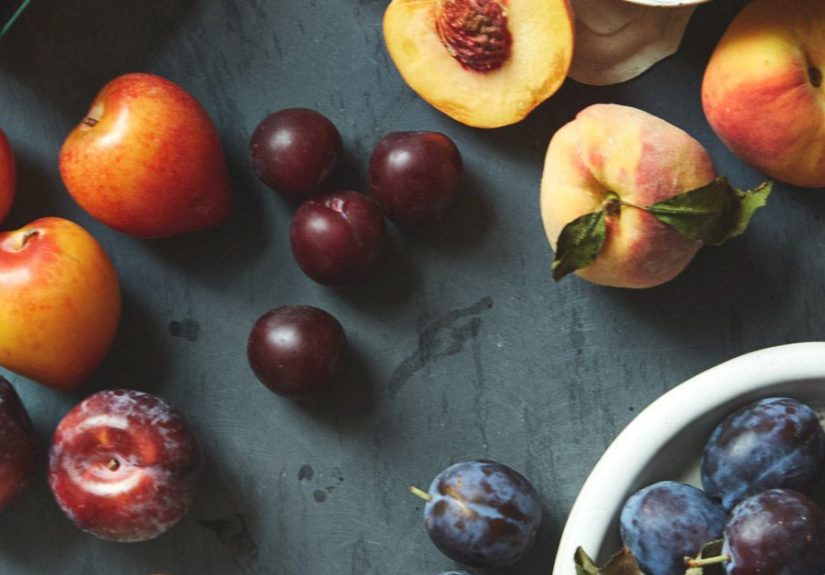
“Stone fruit” (also called pit fruit) refers to fruits with a hard pit in the center. The most common ones linked to allergy include:
- Peach and nectarine
- Cherry
- Plum
- Apricot
Many stone fruits belong to the Rosaceae plant family, which matters because allergic reactions can involve cross-reactivityyour immune system mistaking similar proteins across related fruits (and even some pollens or nuts).
Stone Fruit Allergy vs. “My Stomach Hates Fruit”
1) True food allergy (IgE-mediated)
This is the classic “my immune system reacts to a food protein” situation. Symptoms can include hives, swelling, vomiting, wheezing, andrarely but seriouslyanaphylaxis. Reactions can happen quickly, often within minutes to a couple of hours after eating the fruit.
2) Pollen-Food Allergy Syndrome (PFAS) / Oral Allergy Syndrome (OAS)
PFAS (also called OAS) is extremely common in people with seasonal allergies. Your immune system recognizes proteins in raw fruits that resemble pollen proteins (think: mistaken identity, but with more lip tingling).
Symptoms are often limited to the mouth and throatitching, mild swelling, a scratchy feelingusually right after eating the raw fruit.
3) Food intolerance
Intolerance isn’t an allergy. It doesn’t involve the same immune response. It might cause bloating, gas, or stomach upset, but it typically won’t cause hives, throat swelling, or breathing trouble. If you’re unsure which category you’re in, don’t guessget evaluated.
Common Reactions: What a Stone Fruit Allergy Can Look Like
Mild mouth-and-throat symptoms (often PFAS/OAS)
- Itchy mouth, lips, tongue, or throat
- Tingling or mild swelling of the lips
- Scratchy throat that feels “off” but not dangerous
Example: You eat a raw peach and within 60 seconds your lips feel puffy and your mouth itchesbut you’re otherwise fine. That pattern often points to PFAS/OAS.
Skin symptoms
- Hives (raised, itchy welts)
- Flushing
- Itchy rash or eczema flare
- Swelling around eyes or face
Digestive symptoms
- Nausea, stomach cramps
- Vomiting or diarrhea
Respiratory or whole-body symptoms (more concerning)
- Wheezing, coughing, shortness of breath
- Throat tightness or trouble swallowing
- Dizziness, feeling faint
- Drop in blood pressure
These symptoms can signal a more serious allergic reaction. If severe symptoms occur, it’s an emergency.
Why It Happens: The Most Common Causes
Pollen cross-reactivity (PFAS/OAS)
If you have hay feverespecially to certain tree pollensyour immune system may react to similar proteins in raw stone fruits.
That’s why some people can eat cooked peaches but react to a fresh peach slice.
PFAS/OAS often shows up in teens and adults who already have seasonal allergies. It can also be “seasonal” in a weird wayworse during peak pollen times.
Primary stone fruit allergy (not just mouth symptoms)
Some people react to more stable fruit proteins that can survive heat and digestion. In these cases, symptoms may go beyond the mouth and can be more serious.
Peach is often the “headline fruit” here because its allergens have been studied extensively and can be potent.
Peel vs. flesh: why the skin can be the troublemaker
For some fruit allergies, allergenic proteins are more concentrated near the peel. That’s why a person might tolerate a peeled fruit but react to the whole thing.
(Unfortunately, this is not a DIY guaranteesome people react either way.)
Stone Fruits Most Likely to Cross-React (and Surprise Cousins)
Cross-reactivity depends on which proteins you’re sensitive to. Still, people who react to one stone fruit sometimes react to others, including:
- Peach/nectarine ↔ apricot ↔ plum ↔ cherry
- Other Rosaceae fruits: apple, pear (not stone fruits, but botanical cousins)
- Sometimes certain nuts (like almond or hazelnut) in PFAS patterns
Important: cross-reactivity is not automatic. You can be allergic to peaches and perfectly fine with cherriesor vice versa.
Your allergist can help you map your personal “yes/no/maybe” list.
Diagnosis: How Doctors Figure Out What’s Actually Going On
Because stone fruit reactions have multiple “flavors” (PFAS vs. primary allergy), diagnosis is more than a quick guess.
Expect some combination of:
1) Detailed history
- Which fruit? Raw or cooked? Peel on or off?
- How fast did symptoms start?
- Were symptoms only in the mouth, or systemic (hives, breathing, GI)?
- Any seasonal allergies or asthma?
- Any “co-factors” (exercise, alcohol, illness, NSAIDs) around the reaction?
2) Skin prick testing or prick-to-prick testing
Allergists may test with commercial extracts or with the fresh fruit itself (prick-to-prick), since some fruit proteins are fragile and don’t show up well in extracts.
3) Blood testing (specific IgE)
A blood test can measure IgE antibodies to specific fruits (and sometimes to individual allergen “components”).
Component testing can help distinguish a PFAS-type pattern (often milder) from a pattern associated with more systemic reactions.
4) Oral food challenge (when appropriate)
When the diagnosis is unclear, a supervised oral food challenge in a medical setting may be recommended. It’s the gold standardbut it must be done safely and under professional supervision.
Care and Management: What to Do Once You Know
Avoid your trigger fruit (but do it strategically)
If you’ve had clear reactions, the safest move is avoidanceespecially until you’re evaluated. But avoidance can be smarter than “ban all fruit forever.”
Work with an allergist to decide:
- Whether you need to avoid only raw fruit (common in PFAS)
- Whether cooked, canned, or peeled versions are safe for you
- Whether you should avoid multiple stone fruits or just one
Try preparation tweaks (only if your clinician says it’s reasonable)
For PFAS/OAS, heating often changes the proteins enough that symptoms don’t happen. Some people also do better with peeling.
Practical swaps:
- Fresh peach slices → peach cobbler, baked peaches, or canned peaches
- Raw cherries → cooked cherries in pie filling
- Raw plums → stewed plums
But if you’ve had systemic reactions, don’t treat “just cook it” like a life hack. Some allergens are heat-stable, and reactions can still occur.
Medication basics
- Antihistamines may help mild hives or itching, but they are not a substitute for emergency treatment.
- Epinephrine is the first-line treatment for anaphylaxis. If you’ve been prescribed an auto-injector (or a needle-free option), carry it and know how to use it.
Build an allergy action plan
If you have a diagnosed food allergyespecially with any history of systemic symptomsask for an action plan that covers:
- Which symptoms are “watch and treat” vs. “use epinephrine and call emergency services”
- When to seek urgent care
- School/travel plans, if relevant
Label-reading reality check
Stone fruits are not among the major allergens that must be highlighted on U.S. labels the way milk, eggs, peanuts, etc. are.
That means you may need to read ingredient lists carefully (especially for fruit purees, natural flavors, bakery fillings, smoothies, jams, and desserts).
Eating out without losing your mind
- Tell staff the specific fruit(s) you must avoid (e.g., “peach and nectarine”).
- Ask about purees, syrups, and garnishes (stone fruit sneaks into cocktails and sauces).
- When in doubt, pick simpler dishes with fewer surprise ingredients.
When to Treat It as an Emergency
Seek emergency help immediately if any of these occur after eating a stone fruit (or a suspected ingredient):
- Trouble breathing, wheezing, or persistent cough
- Throat tightness, hoarse voice, or trouble swallowing
- Fainting, severe dizziness, or “I feel like something is very wrong”
- Widespread hives plus another symptom system (breathing/GI/cardiovascular)
If you have epinephrine prescribed and severe symptoms are present, follow your clinician’s emergency plan and call emergency services.
Frequently Asked Questions
Can you “outgrow” a stone fruit allergy?
PFAS/OAS patterns can change over timesometimes improving, sometimes expanding to new foods. True IgE-mediated food allergy can also change, but it’s unpredictable.
Re-testing and re-evaluation can help clarify your current risk.
Why do I react to raw peaches but not peach pie?
That’s a classic PFAS/OAS clue. Heat can alter certain pollen-related proteins, so cooked fruit may be tolerated.
If reactions ever move beyond mild mouth symptoms, get evaluated promptly.
Is a stone fruit allergy the same as a tree nut allergy?
No. Stone fruits are fruits. However, cross-reactivity can happen in some people (especially in PFAS patterns), and some individuals have both fruit and nut allergies.
Your personal test results and history matter more than categories.
Real-World Experiences: What Living With Stone Fruit Allergy Can Feel Like (Extra 500+ Words)
Medical descriptions are useful, but they can feel oddly sterilelike your immune system is a spreadsheet. Real life is messier. Here are a few common experience patterns people report, written as composite stories (not individual medical advice) to show how varied stone fruit allergy can be.
Experience #1: “It’s only my mouth… but it’s still annoying.”
A lot of people first notice something is up at the most inconvenient time: mid-bite. One person might describe eating a fresh peach at a summer barbecue and suddenly feeling an itchy mouth and a scratchy throatno hives, no breathing trouble, just a weird “my lips are buzzing” sensation.
They drink water, it fades, and they shrug it off. Then it happens again with cherries. And again with a nectarine.
Later, they realize they also get bad seasonal allergies every spring. When they see an allergist, the explanation is surprisingly validating: pollen-food allergy syndrome.
The “treatment” isn’t dramaticavoid those fruits raw (especially during pollen season), try them cooked if advised, and keep an eye on symptoms.
Emotionally, the biggest hurdle isn’t fear; it’s the low-level frustration of having to say, “No thanks, I can’t do raw peaches,” while someone insists, “But they’re organic!”
(As if the immune system reads labels and says, “Ah yes, artisanal proteins only.”)
Experience #2: “Peeling helps… until it doesn’t.”
Another common story: someone experiments. They notice a reaction to the fuzzy peach skin, so they peel it andsurpriseit’s better. That leads to a false sense of certainty:
“I’m fine as long as it’s peeled.” Sometimes that’s true, especially when allergens are concentrated in or near the peel.
But bodies can change, and exposures stack. A person might eventually react even to peeled fruit, or react on a day when they’re already dealing with pollen, stress, or illness.
That’s why clinicians emphasize patterns and risk assessment rather than one-off experiments at home.
The takeaway from this type of experience is simple: if you’re troubleshooting reactions, do it with professional guidancebecause guessing is not a plan.
Experience #3: “I thought it was just fruit, then I had hives.”
Some people start with mild mouth symptoms and later have a bigger reaction: hives on the arms after a smoothie, facial swelling after a fruit salad, or stomach cramps after a few bites of plum.
That escalation can feel scary, especially if friends downplay it: “It’s just fruit.”
People in this situation often describe a learning curve: they get better at reading menus, asking about purees in sauces, and recognizing early symptoms. Many say the biggest quality-of-life improvement comes from a clear diagnosis and an action plan.
Knowing whether the risk is mild PFAS or a more systemic allergy changes everythingwhat foods feel safe, what preparation methods help, and whether epinephrine is necessary.
Experience #4: “School, parties, and the social side.”
For teens, stone fruit allergy can be socially awkward in a unique way. Peanut allergies are widely understood. “I’m allergic to peaches” often gets you a confused look, followed by someone offering you… a nectarine.
(“It’s basically the same fruit,” your immune system whispers, offended.)
Many families find that simple scripts help: “I can’t eat peaches, nectarines, or apricotsraw fruit makes my mouth swell.” Or: “I can’t have peach in smoothies or desserts.”
When the explanation is short and specific, people are more likely to cooperate. It also helps to bring a safe alternative to eventsbecause watching everyone eat pie while you nibble on a napkin is not a vibe.
Experience #5: “Relief after the diagnosis.”
One of the most consistent feelings people report after seeing an allergist is reliefnot necessarily because the allergy is “fixed,” but because it’s named.
Instead of random fear, there’s a framework: triggers, risk level, and practical steps. That structure often makes life feel normal again.
Conclusion
A stone fruit allergy can be mild and mouth-only (often linked to pollen-food allergy syndrome), or it can be more systemic and serious.
The “why” matters: the proteins involved, your pollen sensitivities, and your reaction history determine your real riskand your best strategy.
With the right diagnosis, an action plan, and smart food prep choices, most people can navigate stone fruit season safelywithout having to ghost every picnic invite.