Table of Contents >> Show >> Hide
- The Promise That Changed Everything
- Brain Cancer Doesn’t Only Attack the Body
- From “Yes” to “We’re Actually Doing This”: The Adoption Reality Check
- Making Room for Four More Kids: The Logistics Nobody Posts About
- Helping Kids Grieve While Life Keeps Moving
- Identity, Loyalty, and the “Two Families” Truth
- What This Story Teaches the Rest of Us
- A Gentle Reality Check (and a Lot of Hope)
- Experiences From Families Who Step In: The Part Nobody Prepares You For (Extra Reflections)
- The first week: survival mode with a side of emotions
- The loyalty tests: “Do you even love us?” (and its many disguises)
- The unexpected triggers: grief pops up in the cereal aisle
- How families build connection without forcing it
- The caregiver’s quiet grief: missing your friend while parenting her kids
- The big lesson: love is practical
Some promises are whispered in a car, said through tears, and then somehowagainst every logistical law of the universekept.
When a single mom learns her brain cancer is terminal, the fear isn’t only about leaving. It’s about who will pack the lunches, sign the permission slips, listen to “she was mean to me” stories at bedtime, and show upevery timewhen life gets loud and complicated.
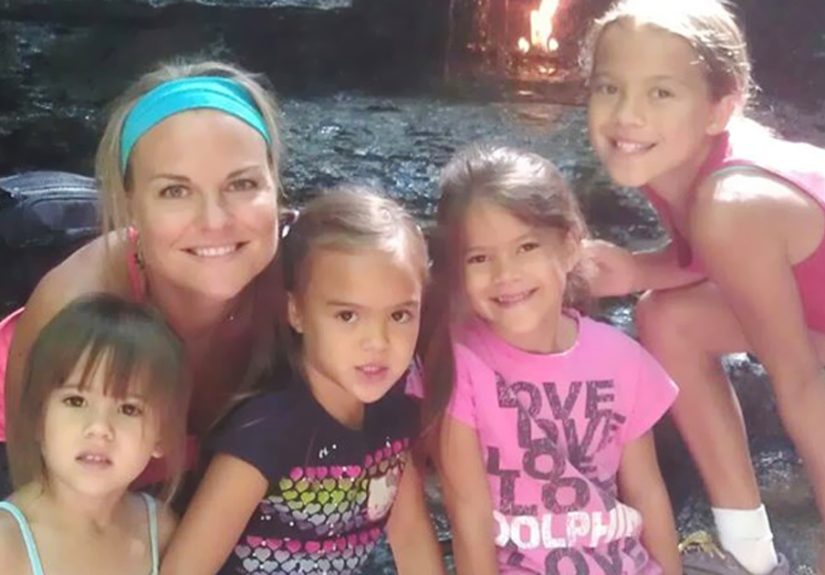
In one widely shared U.S. story, a woman named Laura and her husband, Rico, did what most people can barely imagine: they adopted all four of her best friend’s daughters after their mom died of advanced brain cancer. It wasn’t a viral “feel-good” moment in the easy sense. It was more like a full-body, full-house renovation of lifebuilt on grief, love, and an unholy amount of laundry.
The Promise That Changed Everything
“If anything happens to me…”
Best friends say a lot of dramatic things over the years. “If I ever get bangs again, stop me.” “If I marry that guy, tackle me.” But when a friend facing terminal illness asks, “Will you take my kids?” the words land differently. They don’t float away. They anchor.
In the Ruffino family’s case, the promise wasn’t a vague, someday sentiment. It became a plan: a move from friendship into permanencyinto parenthood times four, overnight. Their family went from “we’re busy” to “we need a second fridge and a bigger minivan yesterday.”
Why this kind of adoption hits so hard
This is what people often call kinship care or a kinship-like placementwhen children are raised by someone they already know and trust, such as relatives or close family friends. It can reduce the whiplash kids feel after a parent dies because the caregivers aren’t strangers; they’re familiar faces, routines, and voices. The kids aren’t just “placed.” They’re held.
Brain Cancer Doesn’t Only Attack the Body
The medical reality (in plain English)
“Brain cancer” is a broad phrase that can include many different tumor types. Some are treatable; some are brutally aggressive. One of the most aggressive adult brain tumors is glioblastoma, known for growing fast and infiltrating nearby brain tissue, which can make it difficult to remove completely and hard to treat long term.
Treatments for serious brain tumors may include surgery when possible, radiation therapy, chemotherapy, and, in certain cases, clinical trials or targeted approachesoften in combinations designed to slow growth and reduce symptoms. Even when medicine does everything it can, outcomes can still be devastating.
The family reality (also in plain English)
Brain cancer can change how a person moves, speaks, thinks, and feels. Families may face sudden hospital visits, neurological symptoms, rapid declines, and hard conversations that arrive too early. For children, the stress isn’t only fear of deathit’s watching a parent become “not quite themselves,” and not knowing what tomorrow looks like.
This is why end-of-life planning for parents can become urgent. Some parents try to create stability by choosing guardians, organizing legal paperwork, and talking through what the kids will need emotionally and practically. That planning can be a giftespecially to children who will later need every ounce of stability they can get.
From “Yes” to “We’re Actually Doing This”: The Adoption Reality Check
Adoption is love… plus paperwork
Movies make adoption look like one heartfelt speech and a group hug. Real life adds background checks, home studies, court timelines, and enough signatures to qualify as a wrist workout.
The legal process varies by state and circumstances, but the big-picture themes are consistent: the court wants permanency and safety for the children. If the children are being adopted by someone they already know (like close family friends), there may be pathways that recognize that existing bondyet the system still has to verify the home environment and legal eligibility.
Guardianship vs. adoption: what’s the difference?
Families sometimes use guardianship as an immediate step, particularly when a parent is terminally ill and wants a caregiver ready to act quickly. Guardianship can provide legal authority to make decisions for the child without permanently severing parental rights (which is a key difference from adoption).
Adoption, on the other hand, creates a permanent legal parent-child relationship. It can provide long-term securityemotionally and legally and may simplify decisions around school, healthcare, travel, and inheritance. But it’s also a huge identity shift for children: it can feel like gaining parents while also “losing” the ones they had, even if everyone is trying to honor the original family.
If you’re navigating a situation like this, it’s wise to consult a family law attorney or legal aid in your state. The right path depends on the parent’s wishes, the child’s needs, and the legal framework where you live.
Making Room for Four More Kids: The Logistics Nobody Posts About
The house expands… or the family learns creative geometry
When a family goes from two kids to six, you don’t just “make it work.” You invent new physics. Suddenly, the kitchen becomes an airport terminal, the bathroom schedule looks like a military operation, and you learn that cereal is not a food groupit’s a lifestyle.
Practically, families often need:
- Space planning: bedrooms, beds, storage, privacy zones, quiet corners.
- Transportation: car seats, school drop-offs, sports practices, medical appointments.
- Routine building: consistent wake-up times, homework rhythms, shared family rules.
- School coordination: meeting teachers, updating contact lists, supporting learning gaps caused by stress.
The money part (because love doesn’t pay for cleats)
Financial stress is real in sudden adoptions. Families may face increased costs for housing, food, childcare, healthcare, clothing, extracurriculars, and therapy. Many kinship families lean on community support, faith communities, mutual aid, or fundraisingnot because they’re chasing attention, but because the math changes overnight.
Depending on the situation, some families explore survivor benefits, child support arrangements, adoption assistance, Medicaid/CHIP eligibility, or local nonprofit support. The best resource is often a social worker, legal aid organization, or a reputable child welfare information service that can point families toward state-specific programs.
Helping Kids Grieve While Life Keeps Moving
Grief doesn’t follow a schedule (even if school does)
Children often grieve in waves. They can be fine at breakfast and furious by lunch. They may feel guilt (“I was mad at Mom that one time”), fear (“Will you die too?”), or confusion (“If she loved me, why did she leave?”). These reactions are common, and they don’t mean a child is “acting out” so much as acting accurately for their age and stress level.
Pediatric guidance often emphasizes honest, developmentally appropriate conversations, consistent routines, and giving kids permission to talk about the person who died. Kids benefit from predictable caregivingand from adults who can say, “I don’t have all the answers, but I’m here.”
What helps (in real homes, not perfect ones)
- Keep the story alive: photos, memory boxes, traditions, birthdays, favorite meals, shared jokes.
- Use simple language: avoid confusing euphemisms that can make kids anxious (“went to sleep”).
- Normalize feelings: sadness, anger, relief, numbnessgrief is messy and still normal.
- School partnerships: counselors, teachers, and coaches can help watch for stress signals.
- Consider therapy: especially grief counseling or trauma-informed care when needed.
Importantly, adopting caregivers are also grieving. They lost a friend (or sister-like figure) while simultaneously stepping into full-time parenting. That double load can be heavy. Caregivers deserve support toorespite care, counseling, community, and practical help.
Identity, Loyalty, and the “Two Families” Truth
Kids can love the new home and still miss the old life
When children join an adoptive family after a parent dies, they may worry that bonding with new parents is disloyal to their mom. They might resist closeness, test boundaries, or cling to rituals. This isn’t ingratitude; it’s love under stress.
Healthy adoptive parenting in situations like this often looks like “both/and” thinking: We are your parents now, and your mom will always be your mom too.
Language matters
Many families avoid framing adoption as “replacing” the parent who died. Instead, they focus on continuing the parent’s love through care and stability. The goal is not to erase the first family, but to expand the circle of safe adults who will always show up.
What This Story Teaches the Rest of Us
1) Community is not a hashtagit’s a casserole and a ride to practice
In sudden adoptions, small acts matter: grocery gift cards, meal trains, babysitting, hand-me-downs, tutoring, carpooling, and help navigating systems. Grief and parenting both intensify the need for support; together they can feel overwhelming.
2) Planning ahead is loving, not “morbid”
If a parent is facing a life-limiting illness, having conversations about guardianship, custody preferences, and practical plans can spare children additional instability later. It’s not giving upit’s protecting.
3) The “hero” framing can be complicated
Yes, adopting four children is extraordinary. But families living this reality often don’t feel heroic; they feel tired. The best way to honor them isn’t just applauseit’s consistent support, respectful storytelling, and policies that make kinship care more sustainable.
A Gentle Reality Check (and a Lot of Hope)
Stories like Laura and Rico’s stand out because they’re rareand because they shine a light on the best parts of human behavior under pressure. They also remind us that grief can coexist with growth. A family can expand while hearts are broken. Kids can miss their mom every day and still feel safe, loved, and rooted in a new home.
If you’re reading this because you’re facing a similar situationcaring for a friend’s children, stepping into kinship care, or supporting a family who is know this: you don’t have to do it perfectly. You have to do it consistently. Show up. Keep showing up. That’s how healing starts.
Experiences From Families Who Step In: The Part Nobody Prepares You For (Extra Reflections)
Let’s talk about the lived experiencethe stuff that doesn’t fit neatly into a headline like “Mom Adopts Best Friend’s Kids.” Because behind that headline is a thousand tiny moments that are both heartbreakingly ordinary and quietly epic.
The first week: survival mode with a side of emotions
In the first days after the move, many caregivers describe the same strange mix: everyone is together, yet nobody feels “together.” Kids might be polite and distant, or clingy and panicked. Caregivers might feel steady in the daytime and then fall apart after bedtime because the house finally gets quiet enough to hear the grief.
Practical tip that families often learn fast: keep early expectations low and structure high. Not “high” like strict, but “high” like predictable. Meals at similar times. A clear plan for mornings. A routine for bedtime. Predictability helps children feel safe when their internal world feels chaotic.
The loyalty tests: “Do you even love us?” (and its many disguises)
Some children test the new caregiversnot because they’re trying to be difficult, but because they’re trying to answer a terrifying question: “If I attach to you, will you disappear too?”
These tests can look like:
- Rejecting comfort (“You’re not my mom!”) and then melting down when comfort is withdrawn.
- Comparing households (“Mom let us…”), sometimes as a shield against the pain of missing her.
- Behavior changes at schoolwithdrawal, irritability, or sudden academic dips.
- Hyper-responsibility (“I’ll take care of the little ones”) that masks anxiety.
A steady, calm response helps over time: “You’re rightyour mom is your mom. I’m not here to replace her. I’m here to take care of you, always.” Kids often need to hear this message hundreds of times before they believe it. Not because they’re stubbornbecause grief is loud.
The unexpected triggers: grief pops up in the cereal aisle
Families often expect grief at big momentsbirthdays, Mother’s Day, anniversaries of the death. But grief is sneaky. It jumps out at:
- the smell of a shampoo brand their mom used
- a TV commercial with a mom fixing a kid’s collar
- a class assignment like “Write about your family”
- a friend casually saying “my mom said…”
When it happens, some kids go quiet. Others get angry. Some laugh, which can confuse adults who think grief must look a certain way. Families who do well long-term often learn to label it gently: “That felt like a big reminder, didn’t it?” Naming it lowers the temperature and helps kids feel less alone in the moment.
How families build connection without forcing it
Bonds grow through repetition, not speeches. Yes, there are meaningful conversations. But the deep trust often forms during the boring stuff:
- pancakes on Saturday
- hair brushing while talking about nothing
- help with homework when patience is thin but commitment is thick
- showing up to games and concerts (even when you’re exhausted)
Many adoptive caregivers also create a “both families” culture. They keep pictures up. They tell stories about the child’s mom with warmth. They celebrate the parent’s favorite holiday traditions. This isn’t just sentimentalit’s psychologically stabilizing. It tells the kids: “Your history is safe here.”
The caregiver’s quiet grief: missing your friend while parenting her kids
One of the hardest experiences caregivers describe is the constant reminder: every milestone is joyful and painful. First day of school pictures. Christmas morning. Prom. Graduation. You celebrate the kidsand you also feel the absence of the person who should have been there.
Caregivers often benefit from their own support systems: counseling, grief groups, faith communities, trusted friends. It’s not weakness. It’s maintenance. You wouldn’t drive cross-country without gas; you can’t parent through grief without refueling either.
The big lesson: love is practical
In the end, the most moving part of stories like this isn’t just the adoption decree. It’s the long-haul love: the kind that buys extra socks, learns everyone’s snack preferences, sits through tough therapy sessions, and still makes room for laughterbecause kids need that too.
The world will call it “selfless.” Families living it often call it “Tuesday.” And that might be the highest compliment: that something extraordinary can become ordinary through commitment, and that ordinary care is how children heal.