Table of Contents >> Show >> Hide
- What Counts as a Home Winterization Essential?
- 1. Draft-stopping basics: weather stripping, caulk, and door sweeps
- 2. Insulation upgrades: attic, pipes, outlets, and windows
- 3. Heating support: furnace filters, thermostat upgrades, and vent checks
- 4. Safety gear: smoke alarms, CO alarms, fire extinguishers, and heater accessories
- 5. Emergency prep items for winter storms
- The Smartest Buying Order During a Winterization Sale
- What Most People Get Wrong
- How to Build a Better Winterization Cart
- Why This Sale Matters More Than a Regular Home Improvement Run
- Real-World Experiences With a Home Winterization Essentials Sale
- Conclusion
There are two kinds of winter shoppers. The first kind buys a decorative plaid blanket, lights a candle named something like Frosted Cabin Memory, and declares the house winter-ready. The second kind buys weather stripping, pipe insulation, furnace filters, and carbon monoxide alarms. Guess which one sleeps better when the temperature drops to “why is the dog judging me?” cold.
A smart home winterization essentials sale is not about buying every gadget in the hardware aisle. It is about knowing which products actually keep your house warmer, safer, and less expensive to run. Done right, winterization helps reduce drafts, protect plumbing, support indoor air quality, and lower the odds of a mid-January heating disaster that arrives with the emotional energy of an uninvited drummer.
If you are shopping seasonal deals, this is the right way to think about it: buy the essentials that stop heat loss first, protect the systems that can fail second, and upgrade comfort items third. That order matters. It is far better to seal air leaks and insulate exposed pipes than to blow the whole budget on a fancy space heater for one room while the rest of the house leaks warm air like a gossip leaks secrets.
What Counts as a Home Winterization Essential?
Not every item labeled “winter ready” deserves a place in your cart. The best winterization products solve one of four real problems: heat escaping, water freezing, heating equipment working harder than it should, or safety risks increasing as the house stays closed up for the season.
1. Draft-stopping basics: weather stripping, caulk, and door sweeps
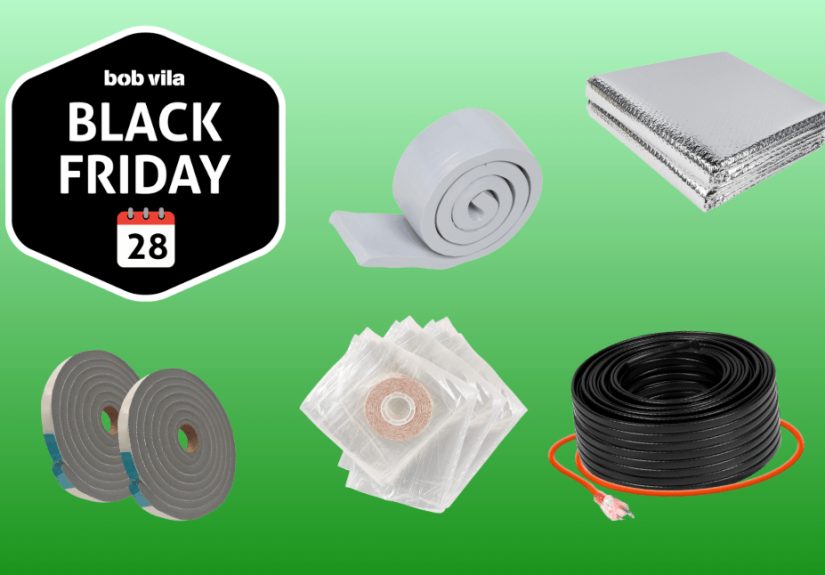
These are the humble heroes of winter prep. If you can feel cold air sneaking in around doors, windows, attic hatches, or utility penetrations, you are paying to heat the outdoors. A roll of adhesive weather stripping, a good tube of exterior caulk, and a sturdy door sweep are often the cheapest items in a winterization sale, and they can deliver some of the best value.
For many homes, the easiest win is the front door. If daylight peeks through at the bottom, install a sweep. If the side gaps feel drafty, replace the worn weather stripping. Around older windows, caulk can help close the small cracks where heat quietly escapes while you loudly complain about the utility bill.
Best for: Older homes, drafty bedrooms, entry doors, attic access panels, basement rim areas, and any room where winter seems personally offended by your thermostat.
2. Insulation upgrades: attic, pipes, outlets, and windows
Insulation is where winterization goes from “helpful” to “seriously worth it.” If your attic is under-insulated, warm air rises, slips away, and leaves your heating system working overtime. That is why insulation products often deserve top billing in a seasonal sale. Attic insulation, pipe insulation sleeves, insulating outlet gaskets for exterior walls, and window insulation film all belong on a practical shopping list.
Pipe insulation is especially important in unheated spaces such as garages, crawl spaces, basements, and exterior-facing utility rooms. Frozen pipes are not just inconvenient. They can turn into expensive repairs, damaged drywall, mold issues, and one unforgettable weekend spent learning more about shutoff valves than you ever wanted to know.
Window insulation film is another smart low-cost add-on. It is not glamorous, and nobody posts a dramatic before-and-after on social media for it, but it can noticeably reduce drafts on older windows. For renters or homeowners not ready for a full window upgrade, it is often a sensible temporary fix.
3. Heating support: furnace filters, thermostat upgrades, and vent checks
Your heating system does not need a pep talk. It needs maintenance. During a home winterization essentials sale, stock up on furnace filters, check whether your thermostat is outdated, and make sure vents are clear. A clogged filter restricts airflow, which can reduce efficiency and strain the system. Replacing a filter is not exciting, but neither is paying for an avoidable service call in the dead of winter.
A programmable or smart thermostat can also be a worthwhile purchase if your current setup is prehistoric or wildly inconsistent. The goal is not to play temperature roulette. It is to maintain comfort while trimming energy waste when the house is empty or everyone is asleep under three blankets and one questionable life choice.
Also, do not ignore outside vents. Snow, debris, or ice blocking a dryer vent or combustion vent can create safety and air quality problems. Winterization is not only about keeping warmth in. It is also about allowing the right things to flow out.
4. Safety gear: smoke alarms, CO alarms, fire extinguishers, and heater accessories
Winter changes household behavior. Windows stay shut. Heating systems run longer. Space heaters appear. Generators may come out during storms. That means winter home safety essentials are part of any serious sale strategy.
Start with smoke alarms and carbon monoxide alarms. If yours are old, missing, or installed in the wrong places, fix that before buying anything decorative. Add an accessible fire extinguisher for the kitchen or utility area. If you use a space heater, make sure it has tip-over protection and automatic shutoff, and keep it far away from bedding, curtains, rugs, or anything flammable. A cheap heater used carelessly is not a savings strategy. It is a headline trying to happen.
5. Emergency prep items for winter storms
Some winterization products are less about efficiency and more about resilience. A storm-ready home should have flashlights, batteries, a basic first-aid kit, bottled water, blankets, and a backup plan for power outages. If you live in an area prone to winter storms, add ice melt, snow shovels, and protective covers for outdoor faucets or vulnerable fixtures.
This part of the sale is easy to overlook because it feels less urgent on a sunny shopping day. Then the power goes out, the house cools down, and suddenly that flashlight becomes the most beautiful item you have ever purchased.
The Smartest Buying Order During a Winterization Sale
If you want the biggest return from a limited budget, shop in layers.
Buy first: the low-cost, high-impact fixes
- Weather stripping
- Caulk
- Door sweeps
- Furnace filters
- Pipe insulation sleeves
- Window insulation film
- Smoke and CO alarm batteries or replacements
These items are inexpensive, practical, and usually easy to install. They also solve the most common winter annoyances quickly: drafts, uneven rooms, and plumbing vulnerability.
Buy second: the comfort-and-efficiency upgrades
- Programmable or smart thermostat
- Attic insulation materials
- Outlet gaskets and foam sealers
- Insulated curtains for especially drafty windows
- Humidifier or dehumidifier solutions, depending on your climate and home conditions
These products improve comfort more noticeably over time. They are especially useful if your home feels dry, stuffy, or impossible to heat evenly once winter settles in.
Buy third: the storm and backup items
- Portable weather radio
- Flashlights and batteries
- Emergency blankets
- Ice melt and snow tools
- Outdoor faucet covers
These items may not lower your utility bill, but they absolutely raise your odds of staying calm, safe, and functional during nasty weather.
What Most People Get Wrong
The biggest winterization mistake is shopping emotionally instead of strategically. People often buy what looks dramatic rather than what works best. That can mean replacing decorative items, overbuying small electric heaters, or spending too much on “miracle” products while ignoring obvious air leaks and maintenance basics.
Another mistake is focusing only on warmth while forgetting moisture and air quality. When homes are sealed tightly for winter, indoor air problems can get worse if combustion appliances are not venting properly or humidity gets out of control. A winterized house should feel comfortable, not stale, damp, or suspiciously stuffy.
One more common error: assuming every sale price is a bargain. When shopping a home winterization essentials sale, compare unit prices, read return policies, and check whether a product actually fits your home. The wrong-sized door sweep, the wrong filter, or the wrong thermostat is not a deal. It is just a discounted headache.
How to Build a Better Winterization Cart
A good winterization cart is practical, balanced, and based on your actual house. Start with a quick home walkthrough. Stand near doors and windows. Check the attic hatch. Look at exposed pipes. Inspect furnace filters. Test alarms. Peek at basement and garage conditions. Then buy for the problems you can already identify.
For example, if your living room is drafty but the bedrooms are warm, prioritize sealing and curtains there before buying more heating equipment. If your garage contains exposed plumbing, pipe sleeves and faucet protection may matter more than another blanket. If your home has an older furnace, filters and a maintenance visit may deliver more value than random gadgets from the seasonal aisle.
Homeowners with bigger budgets can use winter sales as a launch point for larger upgrades like attic insulation, professional air sealing, or heating-system improvements. Budget-conscious shoppers should not feel left out. Some of the most effective winterization fixes are among the cheapest products on the shelf.
Why This Sale Matters More Than a Regular Home Improvement Run
Seasonal sales are useful because they bundle the exact categories people need at the exact moment cold weather starts exposing weak spots in the house. The trick is to avoid treating the sale like an excuse to buy random gear. Think of it as a timed opportunity to buy products that reduce winter discomfort, protect the house from preventable damage, and make heating costs less painful.
The best purchases are usually the least flashy. Caulk will never have the charisma of a designer throw. Pipe insulation will never become the star of a lifestyle reel. A carbon monoxide alarm will never get admired by houseguests. But these are the products that quietly do the work. They save money, prevent messes, and help your home behave like it has some sense during winter.
Real-World Experiences With a Home Winterization Essentials Sale
In real households, winterization rarely begins with a grand plan. It usually starts with a tiny annoyance. A cold breeze under the back door. A guest room that feels five degrees moodier than the rest of the house. A pipe in the garage that suddenly seems suspicious once the weather report starts throwing around phrases like “hard freeze” and “wind chill advisory.” Then the sale flyer appears, and what began as a minor complaint becomes a shopping mission.
One common experience is the “why did I not do this sooner?” moment. A homeowner buys weather stripping, a door sweep, and a couple of furnace filters almost as an afterthought. An hour later, the house feels less drafty, the heating system sounds less strained, and the thermostat no longer sparks family debates worthy of a diplomatic summit. These are not glamorous victories, but they are deeply satisfying ones.
Another frequent experience is discovering that the cheapest items can solve the loudest problems. People often assume winter comfort requires a big-ticket purchase, but a small bundle of caulk, pipe sleeves, outlet gaskets, and window film can make an older home feel noticeably tighter and quieter. In many homes, the improvement is less about dramatic temperature jumps and more about consistency. The rooms stop feeling like separate climates. The hallway no longer has arctic ambitions. The bathroom stops acting like it belongs in another zip code.
There is also the learning curve. First-time shoppers may grab products that sound useful without fully understanding where they go. Then comes the weekend of trial and error. The wrong-size filter gets returned. The first roll of weather stripping peels off because the surface was dusty. The window film goes on with a few comic wrinkles. By the second or third project, though, confidence grows. Winterization has a way of turning reluctant beginners into people who suddenly have opinions about attic hatches and thermal envelopes.
Storm prep brings its own kind of reality check. Many families do not think much about flashlights, batteries, or backup heat plans until the first outage. After one cold evening spent hunting for candles and muttering at a dead phone battery, emergency supplies become less “optional” and more “never again.” That experience often changes shopping habits permanently. The next sale is approached with a calmer, smarter eye.
Homeowners also learn that winterization is not just about warmth. It is about stress reduction. A house that is better sealed, better maintained, and better prepared simply causes fewer winter emergencies. There are fewer surprises, fewer panicked store runs, and fewer moments of bargaining with the furnace like it is an emotionally complicated roommate.
Perhaps the biggest experience people share is this: winterizing in stages works. Nobody has to transform the whole house in one heroic weekend. Buy the basics during the sale. Install the easy fixes first. Tackle one room, one draft, or one vulnerable pipe at a time. Small changes add up. By the time the coldest stretch of the season arrives, the home feels more secure, more comfortable, and much easier to live in.
Conclusion
A home winterization essentials sale is only as useful as the decisions you make in it. The smartest shoppers focus on sealing drafts, insulating vulnerable areas, supporting heating equipment, and upgrading safety first. That approach protects both comfort and budget. Instead of throwing money at random winter products, build a cart that solves real household problems in the order they matter most.
In other words, skip the panic shopping. Buy the boring, effective stuff. Your future winter self will be warmer, safer, and a lot less dramatic about the next utility bill.