Table of Contents >> Show >> Hide
- What Counts as Preterm Labor (and Why Timing Matters)
- Contractions 101: What You’re Feeling (and What You’re Timing)
- Warning Signs: It’s Not Just About Contractions
- How to Monitor Contractions at Home (The Practical, No-Panic Method)
- What Patterns Suggest “Call Now” vs. “Keep Watching”
- When to Seek Urgent Care Immediately
- What Happens When You Call (or Go In): The Evaluation Toolkit
- Risk Factors (and Why You Can Still Have Preterm Labor Without Them)
- Everyday Prevention and “Uterus-Friendly” Habits
- FAQ: The Questions People Google at 2:00 a.m.
- Putting It All Together: A Simple Decision Script
- Experiences: What Monitoring Contractions Can Feel Like (Realistic Scenarios)
- Conclusion
Pregnancy is full of surprisessome delightful (hello, tiny hiccups), some less so (why does my shoe size suddenly have opinions?). One surprise you don’t want showing up early is preterm labor: labor that starts before 37 weeks. Because early labor can be subtle at first, one of the smartest skills you can learn is how to monitor contractionswhat to time, what patterns matter, and when to call your provider.
Quick note before we dive in: this article is for education, not a substitute for medical care. If you think you might be having signs of preterm labor, call your healthcare provider right awayeven if you’re not sure. “Not sure” is a valid reason to call. Your uterus doesn’t get to gatekeep your peace.
What Counts as Preterm Labor (and Why Timing Matters)
Preterm labor generally means regular uterine contractions that lead to changes in the cervix (opening and/or thinning) before 37 completed weeks. Not every contraction equals laboryour uterus can “practice” (more on that below)but patterns can be meaningful.
Monitoring contractions matters because early evaluation can give your care team options: they may be able to slow labor, treat triggers like infection or dehydration, and (when appropriate) use medications that help protect the baby’s lungs and brain before birth. In other words: timing isn’t just triviait’s actionable information.
Contractions 101: What You’re Feeling (and What You’re Timing)
A contraction is your uterus tightening and relaxing. Many people describe it as the belly “getting hard,” then softening again. You may feel it in your abdomen, low back, pelvis, or all of the abovebecause pregnancy loves a full cast of characters.
Braxton Hicks vs. Labor Contractions
Braxton Hicks (often called “practice contractions”) tend to be irregular, milder, and can improve with rest or hydration. True labor contractions are more likely to become regular, stronger, and closer togetherand they don’t quit just because you changed positions or sipped water.
Here’s the kicker: preterm labor can start with contractions that feel mild or “different,” not necessarily dramatic movie-labor. That’s why monitoring patterns is so usefulbecause your body may be whispering before it shouts.
Warning Signs: It’s Not Just About Contractions
Contractions are a big clue, but providers also want to know about other signs that can travel with preterm labor. Call your healthcare provider promptly if you notice any of the following before 37 weeks:
- Regular or frequent contractions or belly tightening (even if not painful)
- Pelvic pressure (like the baby is pushing down)
- Low, dull backache that won’t quit
- Menstrual-like cramps or abdominal cramping (with or without diarrhea)
- Change in vaginal discharge (watery, mucus-like, or bloody) or an increase in discharge
- Leaking fluid (a trickle or gush) or your water breaking
- Vaginal bleeding beyond light spotting
- Decreased fetal movement compared with the baby’s normal pattern
If you only remember one line: one symptom is enough to call. You’re not “bothering” anyoneyou’re being appropriately vigilant.
How to Monitor Contractions at Home (The Practical, No-Panic Method)
If you feel tightening or cramping and you’re under 37 weeks, monitoring contractions can help you decide what to do next and give your provider clearer information. Many hospitals and clinics recommend a simple first response: hydrate, rest, and time for about an hourunless you have urgent red flags (we’ll cover those).
Step 1: Set the Scene (Yes, Really)
- Empty your bladder (a full bladder can irritate the uterus).
- Drink water (dehydration can make contractions more likely).
- Rest on your side (many clinicians suggest left-side rest; avoid lying flat on your back).
- Get a timer (phone stopwatch is perfect) and something to jot notes.
Step 2: Learn the Three Numbers
When providers ask you to “time contractions,” they usually care about three things:
- Frequency (how often): measured from the start of one contraction to the start of the next. This “start-to-start” timing helps identify patterns.
- Duration (how long): measured from when tightening starts to when it fully relaxes.
- Intensity (how strong): mild, moderate, strong; plus whether you can talk/walk through it.
Step 3: How to Feel a Contraction (If You’re Not Sure)
Not everyone can tell right away whether their belly is contractingespecially if the sensation is more “pressure” than “pain.” Try this:
- Place your fingertips on the top of your uterus/belly.
- If you’re contracting, you may feel the area become firm or hard, then soften again.
- Note whether the tightening is rhythmic or random.
Step 4: Time for One Hour and Write It Down
Here’s a simple contraction log format you can copy into Notes:
After an hour, ask: Are contractions stopping, spacing out, or staying frequent/regular? If they’re continuing regularly (or increasing), it’s time to contact your provider for next steps.
What Patterns Suggest “Call Now” vs. “Keep Watching”
Every clinic has its own thresholds, and your personal instructions (especially if you’re high-risk) win over any general rule. Still, many reputable medical sources use guidelines like these:
Patterns that are more reassuring (but still worth mentioning at your next visit)
- Irregular tightenings that are more than ~15 minutes apart and improve with rest/hydration
- Short, mild tightenings that stop after you change activity level
Patterns that should prompt a call (especially under 37 weeks)
- Contractions every 10 minutes or more often
- Five or more contractions in an hour (some sources use 6+ per hour as a key threshold)
- Contractions that become more regular, longer, stronger, and closer together
- Contractions plus any other warning sign (fluid leak, bleeding, pelvic pressure, backache, etc.)
Translation: if your belly is acting like it joined a metronome club, don’t “wait it out.” Call and let a professional decide whether it’s preterm labor, uterine irritability, dehydration, infection, or something else.
When to Seek Urgent Care Immediately
Some symptoms skip the “monitor for an hour” step. Go in urgently (or call emergency services if severe) if you have:
- Your water breaks (gush or continuous trickle)
- Heavy bleeding or bright red bleeding
- Severe, persistent abdominal pain
- Fever or signs you feel seriously unwell
- Markedly decreased fetal movement
If you’re unsure, call your clinic’s advice line or labor-and-delivery triage. “I’m not sure” is a completely acceptable opening sentence.
What Happens When You Call (or Go In): The Evaluation Toolkit
Many people worry they’ll be judged for coming in “for nothing.” In reality, ruling out preterm labor is a win: it reduces stress and helps you understand what your body is doing.
Common checks your provider may use
- Contraction monitoring to see frequency and strength over time
- Pelvic exam to assess whether the cervix is changing
- Ultrasound (including measuring cervical length in some cases)
- Testing for infection (urine, vaginal testing, sometimes blood work)
- Fetal fibronectin (fFN) in some situationsa vaginal swab test that can help estimate the likelihood of delivery soon when interpreted in context
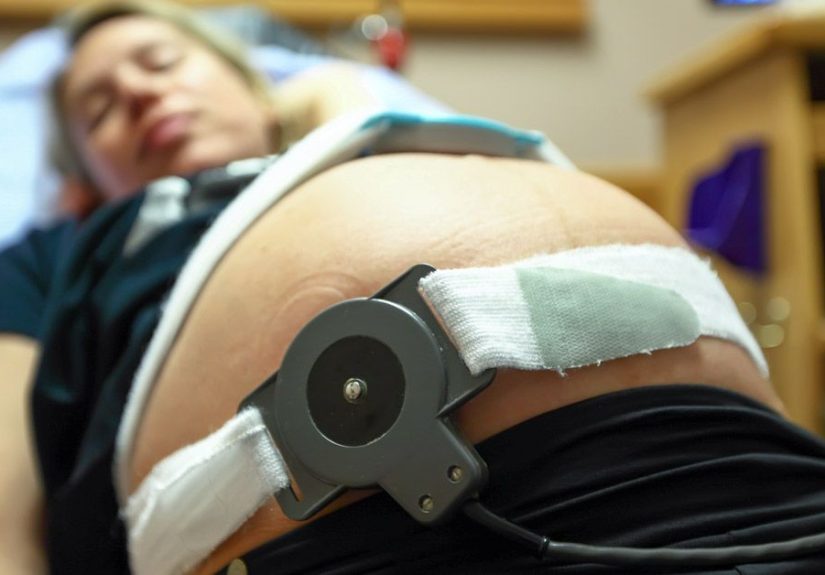
- Fetal monitoring to check baby’s heart rate and well-being
If preterm labor is suspected or confirmed
Treatment depends on gestational age, cervical changes, and the clinical picture. Your team may consider options such as:
- Hydration and rest (sometimes via IV fluids)
- Medications to try to delay labor (tocolytics) in selected cases
- Corticosteroids to help mature the baby’s lungs when early birth risk is significant
- Magnesium sulfate for fetal neuroprotection in certain early gestational windows (varies by protocol)
- Antibiotics if infection is suspected or if membranes rupture early
- Transfer to a hospital with a NICU if needed
The goal is always the same: keep pregnancy going safely when possible, and prepare both parent and baby when early delivery is likely.
Risk Factors (and Why You Can Still Have Preterm Labor Without Them)
Some factors raise risk, such as prior preterm birth, multiple gestation (twins/triplets), certain uterine/cervical issues, infection, tobacco/drug use, short spacing between pregnancies, and some chronic health conditions.
But here’s the important part: preterm labor can happen even with no obvious risk factors. So don’t let “I’m low-risk” talk you out of calling if symptoms appear.
Everyday Prevention and “Uterus-Friendly” Habits
No one can control every variable in pregnancy, but a few practical steps help reduce preventable triggers and keep you tuned into your baseline:
- Stay hydratedespecially if you’re more active, it’s hot, or you’ve been vomiting.
- Don’t ignore urinary symptoms (burning, urgency, fever). UTIs can be linked with uterine irritability.
- Keep prenatal visits so your provider can track cervical changes, blood pressure, and overall health.
- Avoid tobacco, alcohol, and drugs during pregnancy.
- Know your baby’s normal movement pattern and speak up if it changes.
- Ask for personalized thresholds if you’re high-risk (history of preterm birth, short cervix, multiples, etc.).
FAQ: The Questions People Google at 2:00 a.m.
“My belly gets tight sometimes. Is that automatically bad?”
Not automatically. Many people feel occasional tightening, especially with activity, dehydration, or a full bladder. The key is frequency and pattern. If tightenings become regular, frequent, or come with other warning signscall.
“Should I use a contraction app?”
Apps can be useful for timing, but they’re just fancy stopwatches. The best app is the one you’ll actually usephone timer + notes works great. What matters is recording start times, duration, and start-to-start intervals.
“Do contractions have to hurt to be preterm labor?”
No. Some reputable sources note that contractions can be present and still not be especially painful. Pay attention to regularity, frequency, and associated symptoms, not pain alone.
Putting It All Together: A Simple Decision Script
If you’re under 37 weeks and you feel contractions/tightening:
- Check for urgent red flags (fluid leak, heavy bleeding, severe pain, decreased movement).
- If no urgent red flags: hydrate, empty bladder, rest on your side.
- Time contractions for an hour (start-to-start) and record duration/intensity.
- If contractions are regular/frequent or you have any other warning sign: call your provider.
Monitoring contractions isn’t about turning pregnancy into a math test. It’s about turning a vague feeling (“something’s happening”) into clear, usable information your care team can act on.
Experiences: What Monitoring Contractions Can Feel Like (Realistic Scenarios)
The “how” of timing contractions is pretty straightforward. The “what does this feel like in real life?” part is where most people get stuck. Below are common experiences that many pregnant people describe when they’re trying to figure out whether contractions are normal practice, dehydration-related irritability, or something that deserves urgent attention. These are not medical diagnosesjust realistic snapshots to help you recognize patterns.
Scenario 1: The Busy-Day Tightening Spiral
You’ve been on your feet all daywork, errands, nesting energy that suddenly made you reorganize a pantry like it’s an Olympic sport. In the evening, you notice your belly tightening every so often. It’s not exactly painful, but it’s annoying and a little unsettling. When you finally sit down, the tightening keeps showing up.
A common next step is exactly what many clinics recommend: bathroom, water, left-side rest, and timing for an hour. In this scenario, contractions often space out or stop once you hydrate and rest. The takeaway: your uterus may be responding to fatigue, dehydration, or overexertionnot necessarily labor. Still, it’s worth mentioning at your next appointment, especially if it happens repeatedly.
Scenario 2: “This Feels Different” at 30 Weeks
You feel a low backache that won’t go away, plus a rhythmic tightening that seems to appear every 10–12 minutes. You drink water and lie down. An hour later, the pattern is still theremaybe even a little more regular. This is the moment many people describe as emotionally confusing: it’s not Hollywood labor pain, but it also isn’t fading.
In this situation, calling your provider is the right move. People often report feeling relieved once they callbecause they stop being the solo referee of their symptoms. Even if you’re told to come in “just to check,” that’s not an overreaction; it’s good care.
Scenario 3: The “Is My Water Leaking or Am I Overthinking?” Moment
A trickle of fluid is one of the most stressful symptoms because it’s easy to second-guess. Some people try to rationalize it (“Maybe I sneezed weird?”), but persistent leakingespecially along with contractionsshould be evaluated. Many describe the fluid as watery and ongoing rather than a one-time event.
The emotional experience here is often urgency mixed with denial. A helpful mantra: if you’re asking the question, you’re allowed to get checked. Clinics and hospitals would rather confirm everything is okay than miss a membrane rupture.
Scenario 4: High-Risk Pregnancy and the “Threshold Anxiety” Problem
If you’ve had a prior preterm birth, a short cervix, twins, or other risk factors, you may feel like every sensation is suspicious. Many people in this group describe “threshold anxiety”the feeling that you must perfectly interpret symptoms before you’re allowed to call.
In practice, high-risk care often comes with specific instructions (for example, when to call for contraction frequency, discharge changes, or pelvic pressure). If you don’t have clear thresholds, ask at your next visit. The most common emotional shift people report after getting clear instructions is: less spiraling, more confidence.
Scenario 5: False Alarm, Real Relief
Plenty of people go in for evaluation and learn they’re not in preterm labor. Sometimes it’s dehydration. Sometimes it’s a urinary issue. Sometimes it’s uterine irritability with no cervical change. The experience is still valuable: you learn what contractions feel like for your body, and you practice the call/triage process once, which makes it less scary if you ever need it again.
The big lesson across these scenarios is simple: monitoring contractions is a tool, not a verdict. It helps you notice patterns, communicate clearly, and get help early when it matters. And if you call and it’s “nothing”? Congratulationsyou just purchased peace of mind with excellent judgment.
Conclusion
Monitoring contractions is one of the most practical ways to catch potential preterm labor early. Focus on patterns: start-to-start frequency, duration, and whether contractions become regular and persistentespecially if they’re paired with discharge changes, pelvic pressure, backache, bleeding, or fluid leakage. When in doubt, call your provider. You don’t need to be 100% sureyour job is to notice, record, and reach out.