Table of Contents >> Show >> Hide
- What Makes Matcha a “Superfood” (and Why It Works So Well in Energy Bites)
- Why Energy Bites Are the Ultimate “Smart Snack”
- The Best Matcha Superfood Energy Bites Recipe
- Ingredient Swaps for Every Pantry (and Every Personality)
- 7 Flavor Variations That Keep Things Interesting
- When to Eat Matcha Energy Bites (Real-Life Examples)
- Storage, Freshness, and Food Safety
- Troubleshooting: Fix Common Energy Bite Problems
- Nutrition Snapshot (What You’re Actually Getting)
- FAQ: Matcha Superfood Energy Bites
- Experiences: A Week Living With Matcha Superfood Energy Bites (500-ish Words of Real-Life Snack Energy)
- Conclusion: Tiny Green Snacks, Big “I’ve Got This” Energy
There are two types of people in the afternoon: the “I’m fine” people (liars) and the “I need a snack that
understands me” people. If you’re in the second group, welcome. These Matcha Superfood Energy Bites are
no-bake, freezer-friendly, and caffeinated in the most polite way possiblelike a tiny green pep talk you can
eat with one hand while answering emails with the other.
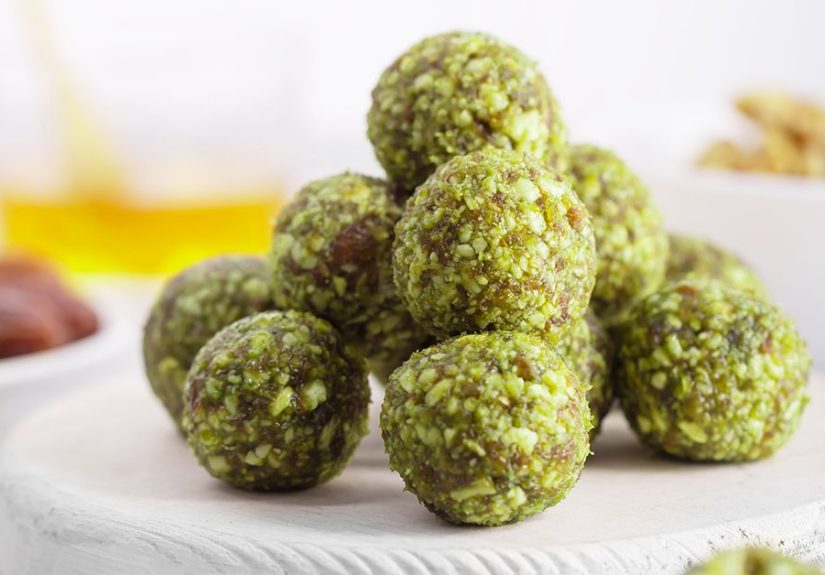
They’re chewy, lightly sweet, and full of ingredients you can actually pronounce: oats, nut butter, seeds,
coconut, and a spoonful of matcha for that earthy-vanilla “I definitely have my life together” flavor. You’ll get
steady energy from fiber + healthy fats, and a smoother lift thanks to matcha’s natural pairing of caffeine and
L-theanine. In other words: less rollercoaster, more cruise control.
What Makes Matcha a “Superfood” (and Why It Works So Well in Energy Bites)
You’re consuming the whole tea leafliterally
Matcha is powdered green tea made from shade-grown leaves that are ground into a fine, bright-green powder.
Unlike steeped green tea (where you toss the leaves after brewing), matcha is whisked into a drinkor mixed into
foodsso you’re consuming the leaf itself. That’s one reason matcha tends to deliver more concentrated plant
compounds (like catechins) than typical brewed green tea.
Energy + focus: caffeine paired with L-theanine
Matcha contains caffeine, but it also contains L-theanine, an amino acid associated with alertness and improved
concentration. Many people describe matcha’s energy as “steady” rather than “sparkly-chaos,” which is exactly the
vibe you want from a snack you plan to eat before a meeting.
Caffeine content varies by powder, brand, and serving size, but matcha is often measured in gramsnot cups.
Research has found matcha can range widely in caffeine per gram, which is why a “small scoop” can feel different
from one tin to the next. If you’re sensitive to caffeine, start with a smaller amount of matcha in the recipe and
work up.
Antioxidants: catechins (including EGCG) in the spotlight
Green tea is known for catechinsantioxidants that help protect cells from oxidative stress. EGCG
(epigallocatechin gallate) is the best-known catechin in green tea and is often highlighted in nutrition research.
The bottom line: matcha isn’t a magic wand, but it’s a nutrient-dense ingredient that can support an overall
heart-healthy, plant-forward eating pattern.
Why Energy Bites Are the Ultimate “Smart Snack”
Energy bites are basically meal prep for people who hate meal prep. They take about 10–15 minutes, don’t require an
oven, and store beautifully in the fridge or freezer. Better yet, they’re naturally portionableeach bite is a
built-in “just enough” snack (unless you eat six, which is between you and your snack destiny).
A well-built energy bite typically includes:
- Fiber (oats, chia, flax) to slow digestion and help you feel satisfied
- Healthy fats (nut/seed butter) for staying power
- Natural sweetness (honey or maple syrup) to bind and balance flavor
- Optional protein boosters (hemp hearts, protein powder, chopped nuts)
The Best Matcha Superfood Energy Bites Recipe
This recipe is designed to taste good and behave nicely (no crumbling into sad oat sand, no sticking to your
hands like edible glue). It’s also flexibleswap ingredients based on allergies, pantry reality, or your current
flavor obsession.
Ingredients (makes about 14–18 bites)
- 1 1/2 cups old-fashioned rolled oats
- 1/2 cup creamy almond butter (or peanut butter, cashew butter, or sunflower seed butter)
- 1/3 cup honey or pure maple syrup
- 2 tablespoons chia seeds
- 2 tablespoons ground flaxseed
- 2–3 tablespoons matcha powder (culinary grade works great)
- 1/3 cup unsweetened shredded coconut (optional but delicious)
- 1 teaspoon vanilla extract
- 1/4 teaspoon fine salt
- 2–4 tablespoons milk of choice (as needed to adjust texture)
- Optional add-ins: 2 tablespoons hemp hearts, mini dark chocolate chips, chopped pistachios, or dried fruit
Step-by-step instructions
-
Mix the dry ingredients.
In a large bowl, stir together oats, chia, flax, matcha, coconut (if using), and salt. If your matcha is clumpy,
sift it inthis helps prevent little “green surprises.” -
Add the wet ingredients.
Add almond butter, honey/maple syrup, and vanilla. Stir with a sturdy spoon or spatula until the mixture starts
coming together. -
Adjust the texture.
If it feels too dry or crumbly, add milk 1 tablespoon at a time until it holds together when you squeeze it. If
it’s too wet, add a spoonful more oats. -
Roll into bites.
Scoop about 1 tablespoon per bite and roll into balls. If the mixture sticks to your hands, lightly dampen your
palms or chill the bowl for 10 minutes first. -
Chill to set.
Refrigerate for 15–30 minutes to firm up. After that, they’re ready for snacking, sharing, or guarding like a
dragon guards treasure.
Matcha flavor tips (so your bites taste “bright,” not “lawn clippings”)
- Use culinary-grade matcha for mixing and bakingit’s designed for recipes.
- Start with 2 tablespoons, then increase next batch if you want a stronger matcha punch.
- Vanilla + salt are not optional vibes; they balance bitterness and enhance sweetness.
- Add a creamy note with white chocolate chips or cashew butter if you like matcha lattes.
Ingredient Swaps for Every Pantry (and Every Personality)
Make it vegan
Use maple syrup instead of honey. Choose a plant-based milk if you need extra moisture. Done. Vegan snack victory.
Make it nut-free
Use sunflower seed butter (or tahini for a more savory, sesame-forward flavor). Add pumpkin seeds for crunch.
Make it gluten-free
Use certified gluten-free oats. Everything else is naturally gluten-free, but oats are the “check the label”
ingredient.
Add more protein
Stir in 2–3 tablespoons hemp hearts or 1–2 scoops of unflavored/vanilla protein powder. If using protein powder,
you’ll likely need a bit more milk to keep the mixture rollable.
7 Flavor Variations That Keep Things Interesting
- Matcha Coconut Cream: add extra coconut + a squeeze of lime zest.
- Matcha White Chocolate Pistachio: fold in white chocolate chips and chopped pistachios.
- Matcha Almond Joy: add cocoa nibs + chopped almonds.
- Strawberry Matcha: use freeze-dried strawberry pieces (less moisture than fresh fruit).
- Ginger Matcha: add 1/2 teaspoon ground ginger and a pinch of cinnamon.
- Mocha Matcha: add 1 tablespoon cocoa powder for a “two beverages enter, one bite leaves” combo.
- PB&J Matcha (trust me): peanut butter base + chopped dried cherries or cranberries.
When to Eat Matcha Energy Bites (Real-Life Examples)
These bites are built for the moments when you need energy that doesn’t immediately evaporate:
- Pre-workout: one bite 30–60 minutes before a walk or gym session for quick carbs + steady fuel.
- Mid-morning: pair a bite with yogurt or fruit to bridge breakfast and lunch.
- Afternoon slump: when you want caffeine but don’t want a 4 p.m. coffee haunting your sleep.
- Travel snack: pack in a small containerless mess than a granola bar explosion.
Storage, Freshness, and Food Safety
Energy bites are happiest when stored airtight and chilled. In the fridge, they typically keep well for about a
week (texture stays chewy and flavors meld nicely). For longer storage, freeze them and grab as neededmost energy
bites thaw quickly at room temperature, or you can eat them slightly frozen for a firmer, cookie-dough vibe.
If you’re freezing, store in a freezer-safe bag or container. For best quality, press out extra air to reduce
freezer burn and keep flavors fresh.
Troubleshooting: Fix Common Energy Bite Problems
“My mixture won’t stick together.”
Add 1 tablespoon milk (or water) at a time, or add another spoonful of nut butter. Also check your oats: very dry
oats can require a bit more moisture.
“It’s too sticky and won’t roll.”
Chill the mixture for 10–15 minutes, then try again. If it’s still sticky, add a few tablespoons of oats or
coconut to absorb moisture.
“It tastes too bitter.”
Reduce matcha slightly, add a touch more vanilla, or mix in a creamy sweet element like mini white chocolate chips.
Bitter matcha can also be a sign of a lower-quality powdertry a different brand next time.
Nutrition Snapshot (What You’re Actually Getting)
Exact nutrition depends on ingredients and portion size, but most bites land in the “small but mighty” category:
oats contribute complex carbs and fiber; chia and flax add omega-3 fats and additional fiber; nut butter adds
healthy fats and some protein; and matcha adds plant compounds plus caffeine. If you’re aiming for a more filling
snack, pair one or two bites with fruit, Greek yogurt, or a glass of milk.
FAQ: Matcha Superfood Energy Bites
Do these have a lot of caffeine?
They contain caffeine, but the amount per bite depends on how much matcha you use and how many bites you make.
Because matcha can vary widely in caffeine per gram, consider these bites “lightly caffeinated snacks,” not energy
drinks. If you’re sensitive to caffeine, start with 2 tablespoons matcha for the whole batch and enjoy earlier in
the day.
Can kids eat these?
Since matcha contains caffeine, use discretion for kids and teens, and consider making a “matcha-free” version for
younger snackers (swap matcha for cinnamon or cocoa). If you’re unsure, a quick check-in with a pediatrician is a
smart moveespecially for anyone sensitive to caffeine.
Culinary grade or ceremonial grade matcha?
Culinary grade is ideal for recipes: it’s designed to hold its flavor when mixed with other ingredients. Ceremonial
grade is typically prized for whisking into drinks, and it can be more expensivesave it for sipping if that’s your
thing.
Can I bake them?
These are meant to be no-bake. Baking changes the texture and can dull matcha’s bright flavor. If you want a baked
option, look for matcha oatmeal cookies or matcha muffins instead.
Experiences: A Week Living With Matcha Superfood Energy Bites (500-ish Words of Real-Life Snack Energy)
The first time most people make matcha energy bites, it’s usually for one of three reasons: (1) they bought matcha
for lattes and realized it’s going to outlive them, (2) they want a snack that isn’t a candy bar disguised as
“protein,” or (3) they saw a cute green recipe online and thought, “Yes, I too deserve whimsical wellness.”
Day one tends to be the “how is this not harder?” moment. You mix, roll, chill, and suddenly you’ve got a container
of bright green bites that look like they belong in a trendy café display caseminus the $8 price tag and the tiny
paper napkin that tears instantly. The best part is discovering how adjustable they are. If you like matcha’s
earthy flavor, you bump it up next batch. If you want “matcha latte vibes,” you add vanilla and white chocolate.
If you want something that feels like a hiking snack, you add nuts and dried fruit. It’s basically choose-your-own
snackventure.
By midweek, people often notice the most practical benefit: these bites rescue the “I forgot to eat” crowd. You
know the typeone minute it’s 10 a.m., the next it’s 2 p.m. and you’re staring at your screen like it personally
betrayed you. Having energy bites in the fridge turns that situation into a quick fix: grab one, grab water, and
suddenly your brain stops buffering. They’re also a surprisingly good “pre-walk” snack. One bite before a brisk
walk feels like flipping on a light switchnot a stadium spotlight, just a nice lamp.
Another common experience: they become a social snack. Someone sees you roll them and asks, “What are those?” and
you get to say, “Matcha energy bites,” which makes you sound like a person with a balanced schedule and matching
socks. Then they try one and either (A) love the earthy flavor immediately, or (B) say, “Ooo interesting,” which
is the polite way of asking for chocolate chips. The fun part is that both reactions are solvable. Add-ins let you
tailor a batch for different taste buds without changing the base method. It’s one of the easiest ways to make a
snack feel personalized without getting into complicated baking chemistry.
The final “aha” moment usually happens when the freezer comes into play. Freezing a batch turns these into true
emergency rationsfor busy mornings, last-minute school or work bags, or the moment you realize the only thing
between you and hangry chaos is a snack you can eat in three bites. People also report that the flavor mellows and
blends after a day in the fridge: the matcha tastes smoother, the vanilla pops more, and the salt quietly does its
behind-the-scenes magic. By the end of the week, the container is suspiciously empty, and you’re already planning
the next variation. That’s when you know a recipe has officially entered your “repeat forever” rotation.
Conclusion: Tiny Green Snacks, Big “I’ve Got This” Energy
Matcha Superfood Energy Bites are the rare snack that checks all the boxes: quick, no-bake, portable, customizable,
and genuinely satisfying. You get the fiber-and-fat staying power of oats and nut butter, plus matcha’s unique
caffeine + L-theanine combo for a smoother kind of lift. Make a batch for weekday mornings, stash a few in the
freezer for snack emergencies, and try a flavor variation when you want to keep things interesting.
If you take one thing from this recipe, let it be this: the best snack is the one you’ll actually eat. And these
little green bites? They’re easy enough to make, tasty enough to crave, and practical enough to keep you from
ordering a second coffee out of pure desperation. That’s a win.