Table of Contents >> Show >> Hide
- What Is a Tankless Water Heater, Exactly?
- Step-by-Step: How a Tankless Water Heater Works
- Gas vs. Electric Tankless Water Heaters
- Tankless vs. Tank Water Heaters: What’s the Real Difference?
- Pros of a Tankless Water Heater
- Potential Downsides and Limitations
- Is a Tankless Water Heater Right for Your Home?
- Real-World Experiences with Tankless Water Heaters
- The Bottom Line
If your old tank-style water heater has finally coughed up its last lukewarm shower, you’ve probably heard the buzz:
tankless water heaters promise endless hot water, lower energy bills, and a sleeker footprint.
Sounds a bit like plumbing magic, right?
The reality is less magic and more smart engineering. A tankless (or demand-type) water heater doesn’t sit around
heating 40 or 50 gallons of water all day. Instead, it heats water only when you turn on the tap. No tank, no standby heat loss,
and no “sorry, the kids used all the hot water” drama.
In this deep dive, we’ll walk through exactly how a tankless water heater works, how gas and electric models differ,
the pros and cons compared with traditional tanks, and what real homeowners have learned after switching. By the end, you’ll be
able to talk tankless like a proand decide whether one belongs in your basement, garage, or utility closet.
What Is a Tankless Water Heater, Exactly?
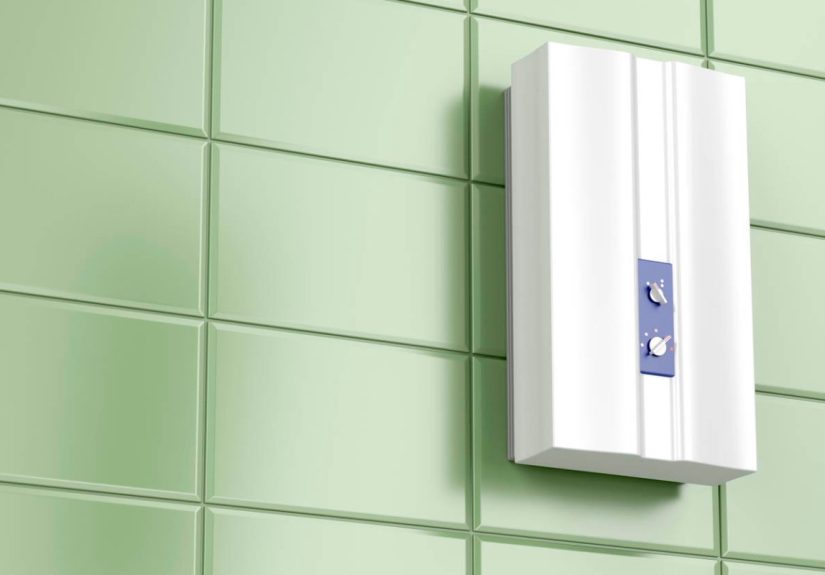
A tankless water heater is a compact appliance that heats water on demand as it flows through the unit.
Instead of storing hot water in a big insulated tank, it uses a powerful burner or electric heating elements and a
heat exchanger to raise the temperature of cold water in just a few seconds.
Key features of a modern tankless unit include:
- Flow sensor that detects when you open a hot water tap.
- Control board (the “brain”) that tells the burner or elements how hard to work.
- Heat exchanger that transfers heat from gas flames or electric elements into the water.
- Modulating gas valve or electric controls that fine-tune output to match demand.
- Safety sensors for temperature, exhaust, and combustion air.
Because it heats water only when you need it, a tankless system avoids the constant reheating of stored water that
makes conventional tanks less efficient.
Step-by-Step: How a Tankless Water Heater Works
1. You turn on a hot water tap
Everything starts when you open a hot water faucet, start the shower, or run the dishwasher. Cold water begins moving
through the plumbing toward the tankless unit.
2. The flow sensor wakes up the unit
Inside the tankless heater, a flow sensor detects that water is moving. Once flow crosses a minimum threshold
(often around 0.4–0.6 gallons per minute), the unit’s control board kicks into gear. No flow, no heatingthis is a big reason
tankless systems save energy.
3. The control board fires the burner or heating elements
The control board checks your set temperature (say, 120°F) and measures the incoming water temperature. From there, it does
a quick calculation: “How much heat do I need to add to get from here to there at this flow rate?”
- Gas tankless heater: The unit opens a modulating gas valve and ignites a burner. It adjusts flame size to match demand.
- Electric tankless heater: The unit energizes one or more high-powered electric heating elements and may stage them on and off as needed.
4. Water rushes through the heat exchanger
The cold water snakes through narrow passages in the heat exchanger. On the other side of the metal, either:
- Hot combustion gases from a burner (gas models), or
- Electric resistance elements (electric models)
transfer heat into the water in real time. The more gallons per minute (GPM) you’re asking for, the harder the heater has to work.
5. Sensors fine-tune the temperature
Temperature and flow sensors constantly feed data to the control board. If you open a second faucet, the unit senses the
higher flow, cranks up the burner or elements, and tries to keep that outlet temperature steady. If the water is getting too hot,
the heater dials back.
This modulating control is why many tankless systems can deliver very consistent temperatures despite changes in use.
6. You shut off the tap, and the unit goes back to sleep
When you close the faucet, flow drops below the minimum threshold. The flow sensor signals “all done,” the burner or elements
shut off, and the system returns to standby using almost no energy until the next demand.
Gas vs. Electric Tankless Water Heaters
Both gas and electric tankless water heaters rely on the same basic on-demand principle, but they behave differently in the real world.
Gas tankless water heaters
- Fuel: Natural gas or propane.
- Power: Generally higher flow rates, making them better for larger households or multiple simultaneous showers.
- Efficiency: High-efficiency models can be very efficient, especially condensing units, though they typically trail the best electric units.
- Installation: Requires adequate gas supply, proper venting, and combustion air. Retrofits may need gas line upgrades and new vent pipes.
- Operating cost: Often lower in areas where gas is cheaper than electricity.
Electric tankless water heaters
- Fuel: Electricity only.
- Power: Extremely efficient conversion of electrical energy into heat, but they may offer lower total GPM than gas units of similar “size.”
- Installation: No venting needed, but they often require substantial electrical service (multiple high-amp breakers and heavy gauge wiring).
- Best fit: Smaller homes, point-of-use applications (like a single bathroom or sink), or locations where upgrading the gas system is difficult.
In short: gas tankless systems typically win on whole-house capacity and flow rate, while electric tankless heaters shine in
compact installations and regions with low electricity costs or no gas service.
Tankless vs. Tank Water Heaters: What’s the Real Difference?
Traditional tank-style heaters keep 30–80 gallons of water hot around the clock. That means:
- Continuous energy use to maintain temperature (even when no one is using hot water).
- Limited supplyonce the hot water in the tank is used, you wait for it to reheat.
- More floor space devoted to the tank and clearance around it.
Tankless systems flip that script:
- On-demand heating: They only fire when you actually use hot water.
- Endless supply (within capacity): As long as you don’t exceed the unit’s flow rate, hot water keeps coming.
- Wall-mounted design: Units are compact and free up floor space.
- Longer typical lifespan: Many tankless systems are rated for 15–20 years when properly maintained.
Efficiency studies from U.S. energy agencies and manufacturers consistently show that tankless water heaters can be
significantly more energy efficient than comparable tank units, especially in homes with lower daily hot water usage.
Pros of a Tankless Water Heater
1. Endless hot water (within reason)
The headline benefit: as long as you stay within the unit’s gallons per minute (GPM) rating, you won’t “run out”
of hot water. That’s a game-changer for:
- Families with teenagers who treat the shower like a day spa.
- Homes that host guests frequently.
- Back-to-back showers, laundry, and dishwashing sessions.
2. Improved energy efficiency
Because a tankless heater isn’t constantly reheating a big tank of stored water, it can reduce energy waste. Many households
see lower utility bills compared with older tank-style units, especially if the old tank was inefficient or poorly insulated.
3. Space-saving design
A typical tankless unit hangs on the wall like a sturdy briefcase, freeing up valuable floor space in a utility room,
basement, or small closet. In compact homes, condos, and townhouses, this can be a big perk.
4. Longer lifespan and replaceable parts
Tankless heaters generally last longer than standard tanks. Many manufacturers quote lifespans of 15–20 years when the unit
is properly descaled and maintained. And unlike a rusted-out tank, some internal parts on a tankless unit can be replaced
without swapping the whole thing.
5. Cleaner, fresher hot water
Because there’s no tank full of water sitting around collecting sediment and corrosion, some homeowners feel that tankless
systems deliver fresher, better-tasting hot water. While taste is subjective, there’s no question that you eliminate the
“rusty tank” scenario.
Potential Downsides and Limitations
1. Higher upfront cost
A tankless water heater usually costs more than a basic tank-style heater, especially when you factor in installation.
Gas units may require:
- Larger gas lines
- New venting and combustion air provisions
- Condensate drains for high-efficiency models
Electric units may need upgrades to your electrical panel to handle high-amp circuits.
2. Flow rate and “too many faucets at once”
Tankless units are sized by how many gallons per minute they can heat at a given temperature rise. If you:
- Run multiple showers,
- Start the dishwasher, and
- Do laundry in hot water
all at once, a single unit may be stretched to its limit. The result? The heater may reduce temperature slightly, or
you might need a larger unit or multiple units in parallel.
3. Cold-water “sandwich” effect
Some users notice a brief burst of cool water between hot water usesoften called the cold-water sandwich.
This happens when there’s hot water left in the line from a recent use, followed by a small slug of cold water, and then
fresh hot water once the heater ramps back up. Modern units with better controls have reduced this quirk, but it can still happen.
4. Maintenance is not optional
Hard water is the nemesis of tankless units. Mineral scale can build up inside the heat exchanger, reducing efficiency and
shortening the unit’s life. Most manufacturers recommend:
- Annual or biannual descaling with a pump and cleaning solution, especially in hard-water areas.
- Flushing sediment filters as needed.
- Checking venting and combustion on gas units.
If you’re planning to “install it and forget it,” tankless might not be your best matchunless you also plan to budget for regular professional maintenance.
Is a Tankless Water Heater Right for Your Home?
A tankless water heater is a strong contender if:
- You’re tired of running out of hot water during peak times.
- You want to reduce energy waste and potentially lower utility bills.
- You’re short on space and like the idea of a wall-mounted unit.
- You’re planning to stay in the home long enough to benefit from long-term savings.
You might stick with (or upgrade to) a high-efficiency tank-style heater if:
- Your budget is tight and upfront costs are a major concern.
- Your home’s gas or electrical infrastructure would require expensive upgrades.
- You routinely use a lot of hot water at the same time and prefer simplicity over smart controls.
The best approach is to work with a qualified plumber or HVAC contractor who can calculate your home’s
peak hot water demand, check local fuel and energy prices, and recommend a properly sized system.
Real-World Experiences with Tankless Water Heaters
Numbers and diagrams are helpful, but what is it actually like to live with a tankless water heater? Here are some
common experiences homeowners share once they’ve made the switch.
The first winter with endless hot showers
Many families report that the very first noticeable difference is psychological: showering without that little voice saying,
“Don’t use too much hot water; someone else still needs to shower.” With a properly sized unit, mom, dad, teenagers, and
guests can all shower back-to-back without the last person suffering through a chilly rinse.
One common surprise, though, is the brief delay before hot water starts. Because the unit needs a second to detect flow,
fire up, and heat the water, there’s still a short wait at the tap, just as there is with a tank-style heater. The big
difference is that the stream stays hot as long as you need it.
Learning the “capacity personality” of your unit
After a few weeks, most households figure out the sweet spot for their system. For example:
- “We can run two showers at once comfortably, but if we start the dishwasher too, the temperature dips slightly.”
- “If the incoming water is really cold in winter, we avoid running laundry on hot while someone’s in the shower.”
This doesn’t mean the heater is failing; it just means you’re brushing up against its design limits. A good installer
will size the unit for your climate and typical usage, but understanding how your particular heater behaves helps you
get the best performance.
Maintenance day: not glamorous, but totally worth it
Another recurring theme in user stories is maintenance. The first time you or your plumber hook up a small pump, hoses,
and descaling solution to flush the heat exchanger, it might feel overly technical. But once you realize this routine:
- Protects your investment,
- Keeps efficiency high, and
- Reduces the chance of error codes and cold showers,
it starts to feel more like an annual “oil change” for your hot water system rather than a nuisance.
In hard-water areas, many homeowners pair their tankless unit with a water softener or a scale-reduction system.
That combination can dramatically reduce mineral buildup and extend the life of the heater.
When the power goes out
One less-fun experience: during a power outage, most tankless units shut down completely, even gas models.
They still need electricity for ignition, controls, and fans. A traditional tank may give you one last tankful of hot water
during an outage, but tankless systems are “all or nothing” when the lights go out.
Some homeowners in outage-prone areas pair a tankless heater with a small backup generator or battery system so they’re
not stuck with cold water in a storm.
Living with the tech
Modern tankless heaters often include digital displays and, in some cases, smart-home integration. That means:
- Easy temperature adjustments down to the degree.
- Error codes that actually help diagnose problems.
- Usage data that can reveal how and when your household uses hot water.
For some, this feels like overkill for something as basic as hot water. For others, especially energy-conscious homeowners,
that level of control is part of the appeal.
The Bottom Line
A tankless water heater doesn’t create hot water out of thin airit simply uses smart controls, a flow sensor, and a powerful
heat exchanger to heat water only when you actually need it. That on-demand design can save energy, free up space,
and deliver an essentially endless supply of hot water, provided the unit is correctly sized and well maintained.
If you’re ready for fewer “who used all the hot water?” arguments and more efficient home comfort, a tankless system may be
exactly what your plumbing needs. Just go in with realistic expectations about upfront costs, maintenance, and capacity,
and work with a qualified pro to find the right model for your home.