Table of Contents >> Show >> Hide
- Why Food Waste Matters for Climate Change
- 1. Plan Your Meals Before You Shop
- 2. Store Food Like You Actually Want to Eat It Later
- 3. Stop Letting Date Labels Scare You
- 4. Get Creative With Leftovers and Edible Extras
- 5. Compost the Scraps You Truly Cannot Eat
- The Big Picture: Small Habits, Real Climate Results
- What This Looks Like in Real Life: Everyday Experiences With Wasting Less Food
- Conclusion
- SEO Tags
Here is the not-so-fun magic trick of modern life: we buy food with good intentions, tuck it into the fridge like a tiny act of self-care, and then discover it a week later looking like it has seen things. That sad bag of spinach is not just a kitchen failure. It is a climate issue, a money issue, and, honestly, a reminder that our crisper drawers should not double as archaeological sites.
Reducing food waste sounds like one of those worthy goals people make in January and forget by February. But this one is surprisingly doable. It does not require a zero-waste monastery lifestyle or a degree in compost science. A few small habits can help you waste less, save money, and shrink the climate footprint of your meals.
Why does this matter so much? Because food waste is bigger than leftover pasta guilt. Growing, processing, packaging, transporting, refrigerating, and cooking food all use land, water, energy, labor, and money. When food gets tossed, all those resources go with it. Then, when wasted food ends up in a landfill, it breaks down and creates methane, a powerful greenhouse gas. In other words, throwing away food means wasting resources twice: once when the food is produced, and again when it is dumped.
The good news is that reducing food waste is one of the easiest climate actions you can start at home. The even better news? It usually pays you back in a less crowded trash can, a more organized fridge, and a grocery bill that stops behaving like it has a personal grudge against you.
Why Food Waste Matters for Climate Change
Food waste is not just about scraping plates into the trash. It starts long before the garbage can. If a tomato is grown with irrigation, harvested, cooled, trucked, displayed, bought, and then never eaten, every step in that chain used resources for no benefit. That is why wasted food carries a climate burden far beyond the moment it gets tossed.
In the United States, more than one-third of available food goes uneaten. Consumers are also a huge part of the problem, which means households have real power to change it. The fix is not perfection. The fix is friction reduction: make it easier to buy what you need, see what you already have, use leftovers quickly, and keep scraps out of the landfill when possible.
Think of it this way: climate action does not always look like solar panels and electric cars. Sometimes it looks like labeling your leftover chili, freezing half a loaf of bread, and finally admitting that buying three giant tubs of spring mix for a two-person household was an act of optimism, not strategy.
1. Plan Your Meals Before You Shop
The easiest food to save is the food you never overbuy in the first place. Meal planning may sound boring, but it is the MVP of waste reduction. A simple plan keeps you from bringing home too much produce, buying duplicate ingredients, or falling for that “buy more, save more” trap when the extra food will end up in the trash anyway.
How to do it without making life harder
Start by checking your fridge, freezer, and pantry before you shop. Build meals around what you already have instead of treating every grocery trip like you are starting from a blank slate. If you already own half a jar of pasta sauce, two bell peppers, and rice, that is not random clutter. That is dinner trying to introduce itself.
Then make a flexible list. The keyword here is flexible, because life happens. Plan a few anchor meals, a couple of easy lunches, and one “use it up” meal near the end of the week. This could be soup, fried rice, tacos, grain bowls, pasta, omelets, or a clean-out-the-fridge sheet-pan dinner. These are the superheroes of waste reduction because they are forgiving and do not demand perfect ingredients.
Try buying smaller amounts of highly perishable food, especially if your schedule is unpredictable. Ambitious produce shopping feels healthy in the moment, but there is a fine line between “I am going to cook all week” and “I have accidentally created a retirement home for zucchini.”
Another smart move is to plan around foods with different shelf lives. Use delicate greens and fresh berries early in the week, and save heartier vegetables like carrots, cabbage, potatoes, and broccoli for later. That simple sequencing helps prevent the classic situation where everything seems to spoil at once and your fridge starts looking dramatic.
2. Store Food Like You Actually Want to Eat It Later
Storage is where good intentions go to live or die. Many people waste food not because they bought too much, but because they stored it badly and forgot about it. A better storage system can stretch freshness, protect food safety, and make your kitchen easier to manage.
Use the “first in, first out” rule
Put older food in front and newer food behind it. This simple method, long used in professional kitchens, works beautifully at home. If leftovers and older ingredients are visible, they are more likely to get eaten. If they are hidden behind six yogurt cups and an emotional support condiment collection, their future is bleak.
Make leftovers impossible to ignore
Store leftovers in clear containers, label them, and place them at eye level. If possible, create an “eat me first” shelf or bin in the fridge. This tiny act of kitchen organization works like a public service announcement every time you open the door.
As a general rule, many leftovers are best eaten within 3 to 4 days when refrigerated properly. Refrigerators should stay at 40 degrees Fahrenheit or below. That temperature matters because food safety and food waste reduction work best as a team. Saving food is great. Saving food safely is even better.
Use the freezer like a climate ally
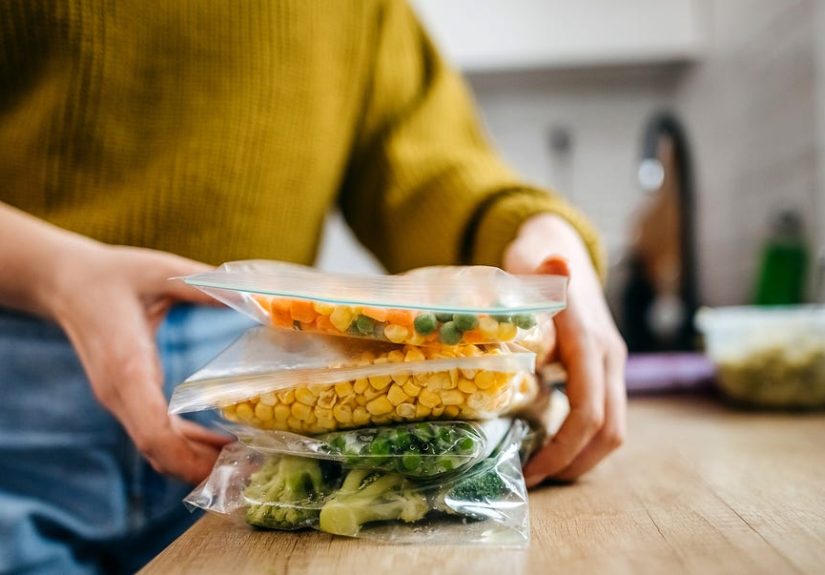
The freezer is not where food goes to be forgotten. It is where good intentions get a second chance. Freeze bread, cooked grains, chopped herbs, soups, casseroles, shredded cheese, fruit for smoothies, and extra portions of meals you know you will not finish in time.
If bananas are browning, freeze them. If spinach is fading, freeze it for soup or smoothies. If you cooked too much chili, freeze a lunch-sized portion. The freezer gives you breathing room, which is often the difference between using food and losing it.
Produce also lasts longer when stored in the right place. Keep highly perishable items where you can see them. Avoid putting milk or other delicate perishables in the fridge door if your refrigerator runs warmer there. The goal is simple: help food last longer and make it easier to find before it becomes a science project.
3. Stop Letting Date Labels Scare You
Date labels confuse a lot of people, and that confusion drives waste. Many shoppers see “best by,” “best if used by,” or “sell by” and assume the food becomes dangerous the second the calendar flips. In most cases, that is not what those labels mean.
For most foods, these dates are about peak quality, not safety. That means the product may still be perfectly fine after the date, especially if it has been stored correctly. The big exception is infant formula, which is treated differently. For most other products, your senses and common food-safety practices still matter more than blind fear of a printed date.
What to do instead
Check the food. Does it smell normal? Look normal? Feel normal? Has it been stored properly? If the answer is yes, the label may not be a reason to toss it. Of course, if something is clearly spoiled, leaking, moldy, or suspicious, do not gamble. Saving money is great; food poisoning is not a side hustle.
This is also where food tracking tools can help. Keeping a small dry-erase board on the fridge, setting phone reminders, or using a food-storage guide can prevent perfectly edible food from quietly passing its prime. The more you notice what you have, the less likely you are to throw it away “just to be safe” when it was never actually unsafe.
Understanding labels also helps with shopping. If you know you will not use a product right away, choose the one with the later quality date. If you plan to cook it today, the earlier date may be totally fine. That small decision can keep good food in your kitchen and out of the trash.
4. Get Creative With Leftovers and Edible Extras
Reducing food waste gets much easier when you stop thinking of leftovers as sad reruns. Leftovers are pre-paid ingredients. They are the Tuesday-night favor your Monday self did for you. Treat them with more respect.
Turn odds and ends into real meals
Cooked vegetables can become frittatas, quesadillas, grain bowls, soups, or pasta sauces. Extra chicken can go into wraps, salads, tacos, or fried rice. Stale bread can become croutons, breadcrumbs, strata, or bread pudding. Bruised fruit can become smoothies, compotes, muffins, or freezer jam.
Even scraps that are not ready for the bin may have another use. Broccoli stems can be sliced into slaw. Carrot tops can go into pesto. Parmesan rinds can flavor soups. Soft herbs can be blended into sauces. Wilted greens can be sautéed into eggs or soup. This is not about turning dinner into an episode of kitchen survival. It is about seeing food as usable for longer than we often assume.
Take restaurant leftovers home
Oversized portions are a major source of waste. If you are served more than you can realistically eat, ask for a container and take it with you. That is not cheap. That is efficient. Tomorrow’s lunch should not be ashamed of its origin story.
At home, consider setting a regular “leftover night” once a week. This reduces decision fatigue, clears space, and keeps good food moving. It also helps households normalize eating what they already have instead of automatically cooking something new.
Share or donate edible food
If you have surplus food that is still good but you know you will not use, share it with neighbors, friends, coworkers, or community groups when appropriate. At a larger scale, food rescue and donation are among the most preferred pathways because they keep edible food feeding people instead of feeding landfills. This is where food waste reduction and food security can actually meet in a practical, useful way.
5. Compost the Scraps You Truly Cannot Eat
Composting is helpful, but it is not step one. It is step five for a reason. The best outcome is preventing waste in the first place. The next best is making sure edible food gets eaten, shared, or donated. Composting is for the peels, cores, coffee grounds, eggshells, and food scraps that genuinely cannot be used.
When food scraps go to a landfill, they can generate methane as they break down without oxygen. Composting handles organic material differently and can return nutrients to soil. That makes it a useful climate and soil-health tool, especially when paired with prevention.
Make composting practical
If you have a backyard, a small home compost setup may work. If you live in an apartment, check whether your city has curbside composting, a drop-off site, or a community composting program. Some areas also have collection services for food scraps.
Keep a small container in the kitchen for compostables so it becomes part of your normal routine. Once you start separating scraps from trash, you become more aware of what you are discarding. That awareness often reduces waste upstream. In other words, the compost bin can become a truth-teller.
One more thing: do not let composting become a guilt-relief coupon for overbuying. Turning food into compost is better than landfilling it, but eating the food in the first place is still the more powerful move.
The Big Picture: Small Habits, Real Climate Results
It is easy to underestimate food waste because it happens in small moments. A forgotten cucumber here. Half a takeout box there. A mystery container in the back of the fridge that has entered a witness protection program. But these small moments add up fast.
That is exactly why household action matters. When millions of people shop more carefully, store food better, understand date labels, eat leftovers, and compost what cannot be used, the impact is not tiny. It reduces wasted resources, lowers methane-generating trash, and nudges the food system toward smarter habits overall.
It also changes how we think about food. Food stops being disposable and starts being valuable again. That shift matters for the climate, for household budgets, and for communities where hunger and waste still exist side by side.
You do not need to become the patron saint of perfect produce management. You just need a system that makes wasting less food the easy option. Start with one shelf, one leftover night, one freezer habit, or one shopping list. Then build from there.
What This Looks Like in Real Life: Everyday Experiences With Wasting Less Food
In real kitchens, reducing food waste rarely begins with a grand environmental speech. It usually starts with annoyance. A parent gets tired of throwing away strawberries every Sunday. A college student realizes takeout leftovers keep dying quietly in the mini-fridge. A couple notices they keep buying herbs for one recipe and tossing the rest a week later. A home cook finally admits the salad greens were purchased for an imaginary version of themselves who meal-preps flawlessly.
Then something small changes. Someone starts writing meal ideas on a note stuck to the fridge. Someone else puts leftovers in the front instead of the back. A family creates a “use this first” bin and suddenly the half onion, cooked rice, and lonely roasted vegetables become fried rice instead of trash. A busy worker starts freezing sliced bread and stops losing half a loaf every week. None of this feels dramatic, but the results are surprisingly satisfying.
One of the most common experiences people describe is that reducing food waste makes them feel more in control of the week. Grocery shopping gets faster because there is already a plan. Cooking feels less stressful because ingredients are easier to find. The fridge becomes less chaotic, and fewer meals begin with the phrase, “Wait, do we still have that thing?” Even better, the kitchen starts producing fewer unpleasant surprises, and nobody has to open a container with the cautious energy usually reserved for horror movies.
There is also a money effect that people notice quickly. When households waste less food, they often shop less impulsively and stretch meals further. A roast chicken becomes dinner, then tacos, then soup. Extra vegetables turn into omelets or pasta sauce. Fruit that is too soft for snacking becomes smoothie material. People often discover that the goal is not eating boring leftovers all week. It is building a rhythm where food gets used at its best moment, or at least before it becomes a questionable life form.
Another real-life shift is emotional. Many people feel guilty about wasting food, especially when they know others are struggling to afford groceries. Having a system reduces that guilt because it replaces vague good intentions with practical habits. You stop hoping food will somehow manage itself and start giving it a plan. That may sound silly, but it works.
Over time, these experiences can change a household culture. Kids learn that leftovers are normal. Roommates learn to label containers. Friends begin sharing extra food before travel. Office teams rescue uneaten catering trays instead of abandoning them. The climate benefit is real, but so is the everyday benefit: less waste, less chaos, and more meals that actually get eaten. That is not glamorous, but it is powerful.
Conclusion
Reducing food waste and tackling climate change do not require a perfect kitchen, an expensive gadget, or a personality transplant. They require a handful of habits that make eating the food you buy more likely than forgetting it. Plan smarter. Store better. Understand labels. Love leftovers. Compost what is truly left.
That is the whole playbook. Five easy steps, one less guilt trip from the crisper drawer, and a real chance to cut your household waste while helping the planet. Not bad for something that starts with simply knowing what is in your fridge.