Table of Contents >> Show >> Hide
- Popcorn Nutrition Facts at a Glance
- Why Plain Popcorn Can Actually Be a Smart Snack
- So, Is Popcorn Good for Weight Loss?
- When Popcorn Stops Being Healthy
- Is Microwave Popcorn Healthy?
- How to Read a Popcorn Label Like a Pro
- The Healthiest Ways to Eat Popcorn
- Who Might Need to Be More Careful With Popcorn?
- Final Verdict: Is Popcorn a Healthy, Low-Calorie Snack?
- Real-Life Popcorn Experiences: What People Notice When It Becomes Their Go-To Snack
Popcorn has one of the best publicists in snack history. It shows up at movie nights, sleepovers, office kitchens, and “I just want something crunchy” emergencies looking innocent, fluffy, and weirdly wholesome. But does popcorn actually deserve its healthy-snack halo, or is it just junk food wearing a whole-grain costume?
The honest answer is delightfully annoying: it depends on what you do to it. Plain, air-popped popcorn can absolutely be a healthy, low-calorie snack. It is a whole grain, naturally high in volume, and surprisingly satisfying for the calorie count. On the other hand, once popcorn gets drenched in butter, sugar, oil, or enough salt to season a small fishing village, the nutrition story changes fast.
So let’s separate the fluffy facts from the buttery drama. Here is what popcorn nutrition really looks like, when it deserves a spot in a healthy diet, and when your “light snack” quietly becomes a full-blown event.
Popcorn Nutrition Facts at a Glance
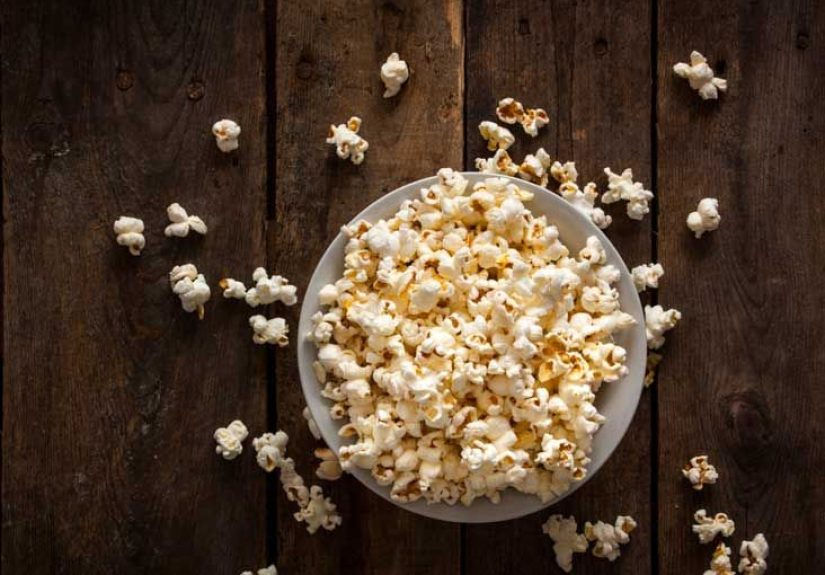
For a standard serving of about 3 cups of plain air-popped popcorn, you are looking at roughly:
| Nutrient | Approximate Amount |
|---|---|
| Calories | About 93–100 |
| Total carbohydrate | About 19 grams |
| Dietary fiber | About 3 grams |
| Protein | About 3 grams |
| Total fat | About 1 gram |
| Added sugar | 0 grams |
| Sodium | Very low, if unsalted |
That is the version of popcorn nutrition that makes dietitians nod approvingly instead of doing the slow blink of concern. Plain popcorn is low in calories for the volume you get, which is a big reason people see it as a weight-friendly snack. A bowl looks generous, feels satisfying, and does not usually wreck your day the way a handful of buttery crackers somehow can.
It also helps that popcorn is a whole grain. Unlike refined snack foods that lose part of the grain during processing, popcorn keeps the parts that matter nutritionally. That means it brings fiber and naturally occurring plant compounds to the party, not just crunch.
Why Plain Popcorn Can Actually Be a Smart Snack
It is a whole grain, not just edible packing peanuts
Popcorn is often lumped into the “fun food” category, but nutritionally it has more in common with whole-grain foods than with candy-coated snack mixes. Whole grains are associated with better diet quality, and popcorn is one of the easiest ways to add more of them without forcing yourself into a deeply emotional relationship with plain oatmeal.
Because it is a whole grain, popcorn offers dietary fiber, which is the nutrient many Americans do not get enough of. Fiber helps support digestion, promotes fullness, and can make snacks feel more satisfying instead of just temporarily distracting your mouth.
It gives you a lot of crunch for not many calories
This is popcorn’s biggest nutritional flex. Three cups of air-popped popcorn for under 100 calories feels almost suspiciously generous. Most crunchy snacks cannot say that without crossing their fingers behind their backs.
That high-volume, lower-calorie profile matters because people do not just eat nutrients on paper; they eat food that takes up space in a bowl and in the stomach. Popcorn looks abundant, which can make a snack feel more substantial and psychologically satisfying. In everyday terms, it is easier to believe you actually had a snack when there is a real bowl in front of you instead of six lonely chips pretending to be enough.
It has fiber and a little protein, which helps with fullness
No, popcorn is not a protein superstar. It is not secretly chicken breast. But the combination of fiber, volume, and a modest amount of protein can help it feel more filling than heavily processed snack foods that are all refined starch and added fat.
That makes popcorn a solid option for people who want something crunchy in the afternoon without falling into a snack spiral that ends with, “Well, I already opened the second bag.”
It contains beneficial plant compounds too
Popcorn is not just about fiber and carbs. It also contains polyphenols, which are plant compounds with antioxidant properties. That does not mean popcorn is a miracle food or that your movie night is now a medical intervention. It just means plain popcorn has more nutritional substance than people often expect from a snack associated with theaters and cartoonishly large tubs.
So, Is Popcorn Good for Weight Loss?
It can be. The better question is whether popcorn supports a calorie-conscious eating pattern better than many common snack alternatives. For plain or lightly seasoned popcorn, the answer is often yes.
Here is why:
- It is relatively low in calories when air-popped.
- It is high in volume, so it feels like more food.
- It contains fiber, which may help you feel satisfied.
- It can replace more calorie-dense snacks like chips, cheese crackers, or candy.
But there is one tiny popcorn-shaped catch: preparation matters more than the corn itself. If you turn your bowl into a butter delivery system, the “healthy, low-calorie snack” label retires immediately and without notice.
Also, popcorn is still mostly carbohydrate. That is not a problem for most people, but anyone following a very low-carb eating pattern may not consider it a great fit. Healthy does not mean universal. It means reasonable in context.
When Popcorn Stops Being Healthy
Butter is not evil, but it is not invisible either
Let’s be fair: butter tastes fantastic. It is the reason “plain popcorn” sounds virtuous and “buttery popcorn” sounds like a personality. But nutritionally, butter adds calories and saturated fat quickly, especially when the pour becomes enthusiastic.
A small amount can still fit into a balanced diet. The issue is that popcorn is so light and fluffy that it takes only a little added fat to change the nutrition profile dramatically. The bowl still looks innocent while the calories quietly start doing pull-ups.
Salt can turn a decent snack into a sodium bomb
Plain air-popped popcorn is naturally very low in sodium. That is good news. The less-good news is that many packaged, microwave, and theater versions are heavily salted. If the label shows a high percentage of the Daily Value for sodium, that snack is not just seasoned; it is making a statement.
For people watching blood pressure or trying to reduce sodium intake, this is one of the biggest reasons to choose plain popcorn and season it yourself.
Sugary popcorn is basically dessert wearing a fake mustache
Kettle corn, caramel corn, chocolate-drizzled popcorn, birthday-cake popcorn, unicorn sparkle popcornyes, these all exist because humanity is committed to chaos. They may still contain whole-grain popcorn underneath, but the added sugar changes the equation.
Once sugar becomes a major ingredient, popcorn shifts from “smart snack” territory toward “treat” territory. That does not make it forbidden. It just means the nutrition facts deserve a closer look and your expectations should be honest.
Movie theater popcorn is a category of its own
Movie theater popcorn has legendary status for a reason: portion sizes are huge, oil use can be generous, and buttery toppings are often less “light drizzle” and more “cinematic weather event.”
That does not mean every theater serving is automatically terrible, but it does mean you should not assume it works like plain air-popped popcorn at home. A giant tub can land in full meal territory, especially once the extras pile on. In other words, popcorn at home and popcorn at the movies are close cousins with very different lifestyles.
Is Microwave Popcorn Healthy?
Microwave popcorn lives in the nutritional gray zone, which is where many modern snacks rent an apartment. Some versions are fairly reasonable. Others are loaded with sodium, saturated fat, artificial butter flavor, or sweet coatings that make the word “snack” feel suspiciously optimistic.
The smartest move is not to fear microwave popcorn automatically. It is to read the label. Look at:
- Serving size and servings per bag
- Calories per serving
- Saturated fat
- Sodium
- Added sugars
- Ingredient list length
If you can find a microwave version with simple ingredients, moderate sodium, and low saturated fat, it can still fit into a healthy eating pattern. But if the nutrition panel reads like a negotiation with your future self, plain kernels popped at home are usually the cleaner choice.
How to Read a Popcorn Label Like a Pro
You do not need a nutrition degree or a calculator watch from 1997. A few quick checks tell you almost everything you need to know.
Start with serving size
This is the classic trap. A bag may look like one serving because it is one bag and you are one person with ambition. But the label may list multiple servings per container. If you eat the whole thing, you need to multiply the calories, sodium, fat, and everything else accordingly.
Use Daily Value percentages strategically
A handy rule of thumb: 5% Daily Value or less is low, and 20% or more is high. For popcorn, it is usually smart to aim lower in sodium, saturated fat, and added sugars, while appreciating some fiber when you can get it.
Do not be hypnotized by words like “natural” or “light”
Front-of-package wording can sound reassuring, but the Nutrition Facts panel is where the truth lives. “Lightly salted” may still be saltier than you expect. “Movie-style butter” is not exactly a meditation retreat for your saturated fat intake.
The Healthiest Ways to Eat Popcorn
If you want popcorn to stay in its healthy-snack era, these approaches work best:
- Air-pop it if possible.
- Use a small amount of oil if you prefer stovetop popcorn.
- Season with herbs and spices like cinnamon, smoked paprika, chili powder, garlic powder, or black pepper.
- Try nutritional yeast for a savory, cheesy flavor without turning the bowl into a saturated-fat festival.
- Go easy on butter and salt instead of pretending they do not count because the popcorn is technically a vegetable. It is not.
A healthy popcorn topping strategy should make the snack more enjoyable, not turn it into a chemistry experiment or a calorie ambush.
Who Might Need to Be More Careful With Popcorn?
Popcorn can be a healthy choice for many people, but not every version works for every diet. Someone monitoring sodium may need to skip heavily salted microwave or theater popcorn. Someone managing carbs may want a smaller portion. And anyone who notices digestive discomfort from high-fiber foods may do better easing into larger servings instead of attacking the bowl like it owes them money.
That does not make popcorn bad. It just makes it normal food, which means the best choice depends on your portion, toppings, and overall eating pattern.
Final Verdict: Is Popcorn a Healthy, Low-Calorie Snack?
Yes, plain popcorn absolutely can be a healthy, low-calorie snack. Air-popped popcorn is a whole grain, naturally low in calories for the portion size, and a useful source of fiber. It is one of the rare snacks that feels generous without being nutritionally ridiculous.
But popcorn’s health reputation is only as strong as its preparation method. Pile on butter, sugar, or heavy salt, and the snack starts drifting away from “smart choice” territory. Movie theater popcorn, caramel corn, and some microwave varieties can be very different foods from plain air-popped popcorn, even if they all start with the same kernel.
So, if you are wondering whether popcorn deserves a place in a balanced diet, the answer is yes. Just remember the golden rule of popcorn nutrition: the kernel is usually the hero; the toppings are often the plot twist.
Real-Life Popcorn Experiences: What People Notice When It Becomes Their Go-To Snack
One of the most common experiences people report with popcorn is simple: it feels like a “real” snack. That matters more than it sounds. Plenty of packaged foods disappear in six bites and leave people wandering back into the kitchen ten minutes later, opening cabinets like they are searching for emotional closure. Popcorn tends to behave differently. A bowl looks generous, takes time to eat, and delivers that crunchy, salty satisfaction many people actually want from a snack.
People trying to manage their weight often notice that plain popcorn works best when they swap it in for chips or crackers instead of treating it as a bonus snack. That distinction is important. When popcorn replaces a more calorie-dense snack, it usually feels like a smart trade. When it gets added on top of everything else because “it’s healthy,” the math becomes less charming.
Another common experience is that homemade popcorn usually feels healthier and somehow tastes more honest. You can control the salt, skip the extra butter, and season it exactly the way you like. Some people discover they genuinely enjoy it with black pepper, smoked paprika, or nutritional yeast. Others learn that they were never really in love with popcorn itself; they were in love with butter wearing a popcorn name tag. That is valuable self-knowledge, frankly.
Microwave popcorn creates a mixed experience. It is convenient, which is a real advantage on busy days, but it also makes portion creep more likely. A bag seems harmless until you notice the label counts more than one serving and your “small snack” turns out to be a whole evening’s worth of sodium. Many people realize this only after they start paying attention to labels and comparing microwave versions with plain air-popped popcorn.
Then there is movie theater popcorn, which exists in its own dramatic universe. Nearly everyone has had the experience of buying a bucket the size of a toddler, sharing it “with the group,” and somehow still being the person reaching the bottom first. It is delicious, nostalgic, and usually much richer than the popcorn people make at home. Most people do not need a nutrition lecture to notice that theater popcorn feels less like a light snack and more like an event with butter involved.
Over time, many people land on the same practical conclusion: popcorn can be one of the easiest healthy snacks to keep in rotation, but only when the preparation stays reasonable. In real life, that usually means plain kernels at home, a moderate hand with toppings, and enough label-reading skills to tell the difference between a smart snack and a sneaky indulgence. Popcorn can absolutely support a healthy eating pattern. It just works best when you let it be popcorn instead of turning it into dessert, dinner, and a chemistry project all at once.