Table of Contents >> Show >> Hide
- Know Your Squash: Summer Squash vs. Winter Squash
- How to Choose and Prep Squash
- Best Ways to Cook Squash
- Easy Cooking Times by Squash Type
- How to Season Squash So It Does Not Taste Boring
- Common Mistakes to Avoid
- Simple Ways to Serve Cooked Squash
- Conclusion
- Kitchen Notes and Real-World Experiences With Cooking Squash
- SEO Tags
Squash is one of those kitchen overachievers that somehow manages to be cozy, affordable, versatile, and just a little dramatic. One variety turns silky and sweet in the oven, another becomes tender in a skillet in under 10 minutes, and spaghetti squash famously shows up pretending to be pasta. Honestly, squash contains multitudes.
If you have ever stood in the produce aisle staring at a butternut squash like it personally offended you, this guide is for you. The good news is that learning how to cook squash is not complicated. Once you understand the difference between summer squash and winter squash, the rest becomes much easier. From roasting and sautéing to steaming, microwaving, and grilling, there are plenty of simple ways to make squash taste great without turning dinner into a vegetable wrestling match.
This guide covers the best methods for cooking squash, how to prep it safely, which seasonings work best, and how to avoid the soggy, bland fate that has haunted many innocent zucchini coins. Whether you are making roasted butternut squash, sautéed yellow squash, baked acorn squash, or tender spaghetti squash strands, you will find a method here that fits your schedule, your appetite, and your current patience level.
Know Your Squash: Summer Squash vs. Winter Squash
Before you start cooking, it helps to know what kind of squash you are dealing with. Squash is usually grouped into two big categories: summer squash and winter squash. They behave very differently in the kitchen.
Summer squash
Summer squash includes zucchini, yellow squash, and pattypan squash. These varieties have thin skin, soft seeds, high water content, and tender flesh. You do not usually need to peel them, and they cook fast. Summer squash is best for sautéing, grilling, stir-frying, steaming, or roasting at high heat. It is the weeknight-friendly, low-drama member of the squash family.
Winter squash
Winter squash includes butternut squash, acorn squash, delicata squash, kabocha, and spaghetti squash. These have thicker skins, firmer flesh, and a sweeter, nuttier flavor. They generally need longer cooking times, but they reward patience with caramelized edges, creamy texture, and serious comfort-food energy. Winter squash is ideal for roasting, baking, mashing, stuffing, and pureeing into soups.
The biggest mistake people make is treating all squash the same. Summer squash cooks quickly and can turn watery if crowded or overcooked. Winter squash needs more time to soften, but it develops richer flavor as it roasts. In other words, zucchini is a sprinter and butternut is a marathon runner. Do not ask them to switch sports.
How to Choose and Prep Squash
How to choose good squash
For summer squash, look for small to medium pieces that feel firm, glossy, and heavy for their size. Oversized zucchini may look impressive, but they are often watery and full of larger seeds. For winter squash, choose squash with hard skin, no soft spots, and a matte, sturdy exterior. It should feel heavy, which is a good sign it has not dried out inside.
How to wash and cut it safely
Wash squash under cool running water and dry it well before cutting. Summer squash is easy: trim the ends and slice, cube, or halve it depending on the recipe. Winter squash needs a bit more caution. Use a stable cutting board, a sharp chef’s knife, and cut off the stem and bottom first to create flat surfaces. If the squash feels like a concrete bowling ball with ambition, microwave it for 2 to 3 minutes first or roast it whole until slightly softened. That makes it much easier to cut.
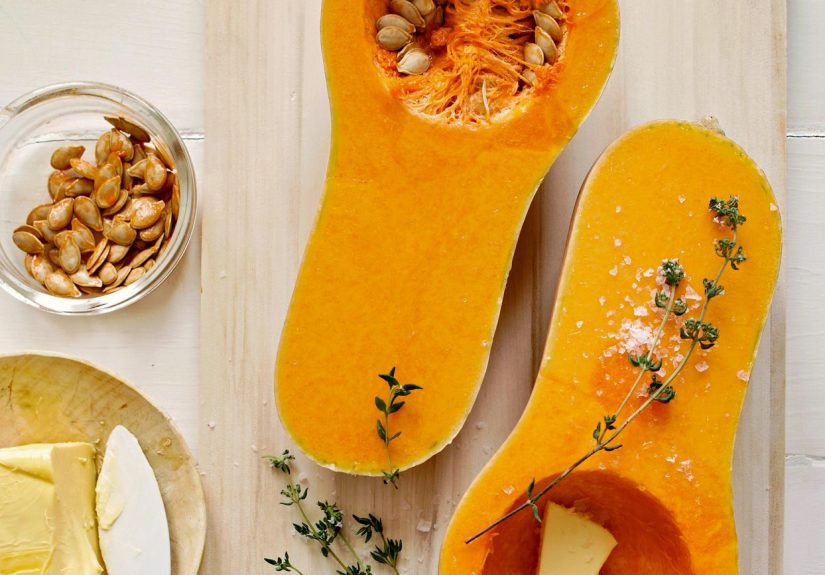
For butternut squash, peel the skin, cut the neck from the bulb, split the bulb, scoop out the seeds, and cube or slice the flesh. For acorn squash, most recipes simply halve it and roast it skin-on. For spaghetti squash, halve it lengthwise or roast it whole first if cutting feels like a trust exercise with your knife.
Best Ways to Cook Squash
1. Roast it for the best flavor
Roasting is the best way to cook many kinds of squash because dry heat concentrates flavor and encourages caramelization. This is especially true for butternut, acorn, delicata, and spaghetti squash. Roasting gives squash those golden edges that make people say things like, “Wait, this is actually really good,” while reaching for seconds.
To roast winter squash, heat your oven to 400°F to 425°F. Toss cubed squash with olive oil, salt, and pepper, then spread it in a single layer on a sheet pan. Do not crowd the pan or the squash will steam instead of roast. Butternut squash cubes usually cook in about 25 to 35 minutes, depending on their size. Halved acorn squash and similar varieties often take 45 to 60 minutes. Spaghetti squash typically roasts cut-side down until tender, then gets scraped into strands with a fork.
Roasted squash works beautifully as a side dish, salad topper, grain bowl ingredient, taco filling, or soup base. It also reheats well, which means your future self gets dinner with very little effort. That is what we call kitchen diplomacy.
2. Sauté it for speed
If you need dinner in a hurry, sautéing is the MVP method for summer squash. Slice zucchini or yellow squash into rounds, half-moons, or spears. Heat a skillet over medium-high heat, add a small amount of oil or butter, then cook the squash in a single layer or in batches. Let it brown before stirring too much.
The goal is tender squash with a little color, not pale mush with emotional baggage. A quick sauté usually takes 5 to 10 minutes. Add onions, garlic, herbs, cherry tomatoes, or Parmesan if you want more flavor. Summer squash pairs especially well with basil, thyme, oregano, lemon, and black pepper.
3. Steam or microwave it when time is not on your side
Steaming and microwaving are not glamorous, but they are practical. For summer squash, both methods work well when you want a soft texture for casseroles, quick sides, or mash. Microwave sliced squash in a covered microwave-safe bowl with a small splash of water until just tender. Steamed squash is also useful when you want to season it lightly and keep the flavor clean.
Winter squash can be microwaved too, especially if you want to soften it before cutting or speed up the cooking process. It may not develop the same roasted flavor, but it absolutely gets the job done. Sometimes dinner is about excellence, and sometimes dinner is about not ordering fries again. Both are valid.
4. Grill it for smoky flavor
Grilling is especially good for zucchini, yellow squash, and pattypan squash. Cut the squash into thick planks or rounds so it does not fall through the grates like a vegetable magic trick. Brush with oil, season with salt and pepper, and grill over medium heat until tender with light char marks. Grilled squash tastes great with balsamic glaze, feta, fresh herbs, or a squeeze of lemon.
You can also grill some winter squash if it is sliced thin enough or partially cooked first. Delicata squash is especially nice here because the skin is tender and edible after cooking.
Easy Cooking Times by Squash Type
| Type of Squash | Best Method | Typical Temp | Approximate Time |
|---|---|---|---|
| Butternut squash cubes | Roast | 400°F | 25–35 minutes |
| Acorn squash halves | Roast/Bake | 400°F–425°F | 45–60 minutes |
| Spaghetti squash halves | Roast | 400°F–425°F | 35–45 minutes |
| Zucchini or yellow squash slices | Sauté | Skillet, medium-high | 5–10 minutes |
| Summer squash slices | Microwave | High | 4–6 minutes |
| Pattypan squash | Grill or Roast | Medium grill / 425°F oven | 10–20 minutes |
These are general ranges, not divine law. The exact time depends on the size of the squash, how thick it is cut, and whether your oven enjoys creative interpretation.
How to Season Squash So It Does Not Taste Boring
Squash is naturally mild and slightly sweet, which is excellent news because it plays well with a lot of flavors. The simplest route is olive oil, kosher salt, black pepper, and maybe a pinch of garlic powder. That alone can take roasted squash a long way. But if you want more personality, try one of these flavor directions:
Sweet-savory
Maple syrup, brown sugar, cinnamon, nutmeg, butter, and a little salt work beautifully with butternut and acorn squash. This is the route for holiday sides and cozy weeknight dinners that feel like they deserve a flannel shirt.
Herby and fresh
Thyme, sage, rosemary, parsley, lemon zest, and olive oil bring out squash’s earthy sweetness without burying it. This is ideal for roasted squash bowls, salads, and elegant sides.
Savory and rich
Parmesan, browned butter, garlic, chili flakes, toasted nuts, and crispy breadcrumbs make squash feel more substantial. Great for turning it into a main dish instead of a side note.
Bold and spicy
Cumin, coriander, smoked paprika, cayenne, harissa, miso, and black pepper give squash a little backbone. These flavors are especially good on roasted cubes or stuffed squash halves.
Common Mistakes to Avoid
Overcrowding the pan: This is the fastest way to end up with steamed squash instead of roasted squash. Give it room.
Undersalting: Squash needs seasoning. It is naturally sweet and mellow, so salt helps wake everything up.
Overcooking summer squash: Zucchini and yellow squash go from tender to floppy fast. Pull them from the heat while they still have some structure.
Underroasting winter squash: If it is still a little firm, keep going. Winter squash gets better as it softens and caramelizes.
Skipping acid: A splash of lemon juice or vinegar at the end can brighten the whole dish and balance the sweetness.
Simple Ways to Serve Cooked Squash
Once your squash is cooked, you have options. Roasted butternut squash can be tossed into salads with goat cheese and pecans, blended into soup, or folded into risotto. Spaghetti squash works well with marinara, pesto, garlic butter, or stuffed fillings. Sautéed zucchini can be spooned over grilled chicken, tucked into tacos, mixed into pasta, or piled onto toast with ricotta.
Cooked squash also stores well. Keep it in an airtight container in the refrigerator and use it over the next few days in grain bowls, omelets, wraps, or side dishes. This is one of the reasons squash is such a smart ingredient. It can look humble on Monday and suspiciously fancy by Wednesday.
Conclusion
If you have been wondering how to cook squash without turning it into bland mush or a knife-related adventure, the answer is simpler than it seems. Match the cooking method to the type of squash, use enough heat to build flavor, season it like you mean it, and stop cooking summer squash before it gives up entirely. That is the heart of it.
Summer squash loves quick, hot cooking methods like sautéing, grilling, and roasting. Winter squash shines when roasted or baked until sweet, tender, and deeply caramelized. Once you know the difference, squash stops being mysterious and starts becoming one of the most useful vegetables in your kitchen.
So go ahead and buy the butternut. Rescue the zucchini from its watery destiny. Roast the acorn squash. Scrape the spaghetti squash into tangled golden strands and pretend you are a produce wizard. With the right method, squash is easy, flexible, and surprisingly delicious.
Kitchen Notes and Real-World Experiences With Cooking Squash
One of the most useful things I have learned about cooking squash is that confidence matters almost as much as technique. The first time many people cook butternut squash, they spend half the prep time staring at it, trying to decide whether to peel it, split it, cube it, or respectfully return it to the counter and order takeout. That hesitation is normal. Winter squash looks intimidating. But once you cook it a couple of times, it becomes much less of a project and much more of a practical staple.
In real kitchens, the best squash method often depends less on the recipe and more on the mood of the cook. On calm weekends, roasting squash feels satisfying. You can cube it neatly, season it well, and let the oven do its thing while the kitchen starts smelling like a place where people definitely own linen napkins. On rushed weeknights, though, sliced zucchini in a hot skillet wins every time. It is fast, forgiving, and usually ready before the rice is done.
Another common experience is discovering that squash texture matters more than people expect. Someone who thinks they dislike squash may actually just dislike badly cooked squash. Watery zucchini is forgettable. Pale butternut is dull. But caramelized butternut with browned edges, or zucchini that still has a little bite and a touch of golden color, is a completely different story. Good texture turns squash from obligation into something worth craving.
There is also the matter of seasoning, which many home cooks underestimate. Squash is mild, and mild ingredients need support. Salt is not optional. Acid is helpful. Herbs, cheese, spice, butter, lemon, garlic, toasted nuts, yogurt sauces, and fresh pepper all make squash taste more complete. A plain tray of roasted squash is fine. A tray of roasted squash finished with lemon zest, Parmesan, and chili flakes suddenly tastes like someone in the house knows what they are doing.
People also tend to discover personal favorites over time. Some love spaghetti squash because it feels light and versatile. Others prefer acorn squash because it practically comes with its own serving bowl. Many eventually land on butternut squash as the all-purpose champion because it can be roasted, mashed, blended into soup, folded into pasta, or meal-prepped for the week. Summer squash, meanwhile, becomes the reliable standby that quietly saves dinner in August and keeps garden overflow from becoming a neighborhood crisis.
In everyday cooking, squash succeeds because it adapts. It can be simple enough for a Tuesday and cozy enough for a holiday table. It can lean sweet, savory, smoky, creamy, or spicy. That flexibility is why it keeps showing up in so many kitchens year after year. Once you learn how to cook squash well, you stop seeing it as a seasonal mystery and start seeing it as one of the easiest ways to make your meals feel warmer, smarter, and more interesting.