Table of Contents >> Show >> Hide
- What Is Romaine Lettuce, Exactly?
- Romaine Lettuce Nutrition Facts
- Is Romaine Lettuce Good for You?
- A Few Smart Things to Know Before You Eat It
- How to Buy, Prep, and Store Romaine Lettuce
- Easy Romaine Lettuce Recipe Ideas
- Three Simple Romaine Recipes to Try This Week
- Common Romaine Mistakes to Avoid
- What the Romaine Experience Is Really Like in Everyday Life
- Final Thoughts
Romaine lettuce is the overachiever of the salad drawer. It is crisp without being boring, mild without tasting like refrigerated water, and sturdy enough to survive everything from Caesar dressing to taco night. If iceberg is the polite acquaintance at the picnic, romaine is the friend who shows up early, helps set the table, and somehow still looks fresh at the end of the night.
But beyond the crunch, romaine lettuce earns a spot in regular meal rotation for practical reasons. It is low in calories, easy to prep, versatile in recipes, and packed with nutrients that make a basic bowl of greens feel like a smarter choice than it looks. Whether you are building a better lunch, trying to eat more vegetables, or just wondering whether romaine is doing anything besides holding croutons in place, the answer is yes.
This guide breaks down romaine lettuce nutrition, calories, health benefits, and easy recipe ideas in plain English. No nutrition-degree decoder ring required.
What Is Romaine Lettuce, Exactly?
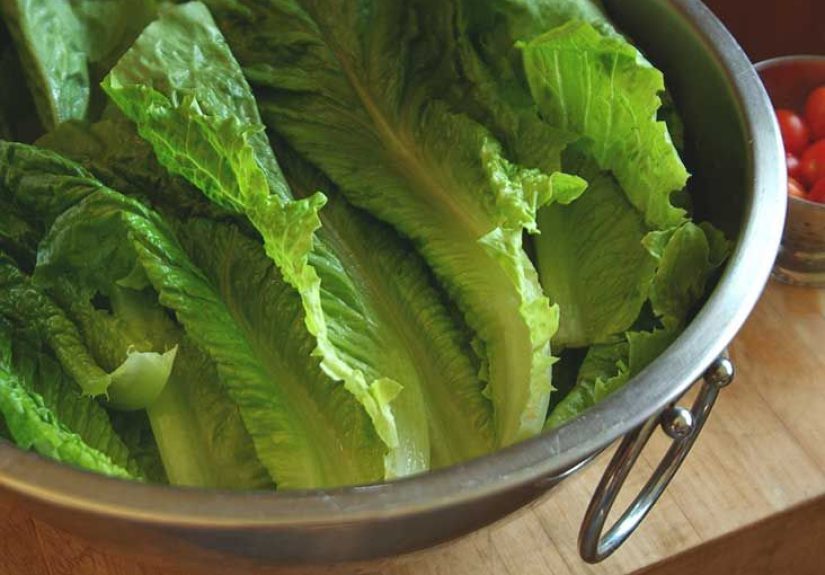
Romaine lettuce, sometimes called cos lettuce, is a leafy green with long, upright leaves and a crisp rib running through the center. Compared with softer lettuces, romaine has more structure, which is why it works beautifully in chopped salads, wraps, sandwiches, and grilled recipes. It brings crunch without overpowering other ingredients, which is a rare and noble talent.
Its flavor is slightly earthy and mildly bitter, especially in the darker outer leaves. The inner leaves tend to be sweeter and more tender. That contrast gives romaine a nice built-in balance, so one head can do several jobs in the kitchen.
Romaine Lettuce Nutrition Facts
Let’s get to the numbers people actually search for: romaine lettuce calories, carbs, and nutrients. Romaine is famously low in calories. A cup of shredded romaine has only about 8 calories, while 100 grams comes in at roughly 17 calories. In other words, you can fill a very large salad bowl before your calorie tracker even begins to raise an eyebrow.
Calories and Macros
Romaine lettuce is naturally low in fat, low in sugar, and light in carbohydrates. It also contains a modest amount of fiber, which helps add volume to meals and can support fullness. A cup will not deliver a huge amount of protein or calories on its own, but that is exactly why it works so well as a base food. It gives your meal bulk, crunch, and freshness without making everything feel heavy.
That makes romaine an easy fit for a range of eating styles, including higher-volume, lower-calorie meals, heart-conscious meal planning, and everyday balanced eating. It is also a reliable choice for people who want a vegetable that plays nicely with proteins, grains, beans, fruits, nuts, and dressings.
Vitamins and Minerals
Where romaine really shines is in micronutrients. It is especially known for supplying vitamin A and vitamin K, and it also contributes folate, potassium, and some vitamin C. Those darker green leaves are not just showing off. Color in leafy greens often signals a richer nutrient profile, and romaine has more to offer than paler lettuces in that department.
Vitamin A: Romaine is a strong source of vitamin A, which supports eye health, immune function, and normal cell growth. If your salad looks greener, there is a good chance your body is quietly thanking you.
Vitamin K: Romaine is also high in vitamin K, a nutrient associated with normal blood clotting and bone health. This is one reason leafy greens get so much love from dietitians.
Folate: Folate is a B vitamin involved in cell division and DNA formation. Romaine can help contribute to daily folate intake, which matters for everyone and is especially important during pregnancy.
Potassium: Romaine contains potassium, a mineral that helps support fluid balance, nerve function, and healthy blood pressure patterns as part of an overall balanced diet.
Vitamin C: While romaine is not the citrus department, it does contribute some vitamin C, which helps support immune function and acts as an antioxidant.
Is Romaine Lettuce Good for You?
Yes, romaine lettuce is good for you, and not just in a vague “eat your greens” way. It checks several helpful boxes at once: low in calories, high in water content, easy to eat, easy to pair, and rich in important nutrients. That combination makes it a useful everyday vegetable rather than some aspirational produce item that turns into a science experiment in your crisper drawer.
1. It Helps You Build Satisfying Meals Without Piling On Calories
Because romaine is so low in calories, it is a great ingredient for adding volume to meals. A sandwich becomes more filling with a generous layer of leaves. A grain bowl feels fresher with a bed of chopped romaine. A taco night gets a crunchy upgrade with shredded lettuce on top. That added bulk can make meals more satisfying without relying on heavier ingredients alone.
2. It Supports Nutrient Intake in a Very Convenient Form
Some healthy foods demand effort. Romaine does not. Chop it, tear it, rinse it, and you are basically done. That ease matters. People are more likely to eat vegetables consistently when those vegetables are simple to use. Romaine brings helpful nutrients to the table without requiring roasting, steaming, blending, fermenting, or any other culinary side quest.
3. It Adds Hydration and Crunch
Like many lettuces, romaine has a high water content. That does not mean it replaces drinking water, but it does make meals feel crisp, refreshing, and less dense. The crunch factor is also not trivial. Texture plays a big role in satisfaction, and romaine gives salads and wraps that fresh snap people often crave.
4. It Works Well in Heart-Smart, Balanced Eating Patterns
Romaine fits naturally into eating patterns that emphasize vegetables, fiber-rich foods, lean proteins, beans, whole grains, and healthy fats. Think Mediterranean-style bowls, simple chopped salads, wraps with grilled chicken, or a salmon salad with lemon dressing. Romaine does not need to be dramatic to be useful. It just needs to show up often.
A Few Smart Things to Know Before You Eat It
Romaine is healthy, but leafy greens do need proper handling. If your romaine is not labeled “ready to eat” or “triple washed,” rinse the leaves under running water before eating. Dry them well so your salad does not taste like watery disappointment. Store romaine in the refrigerator, ideally cold and dry, and try not to wash it until you are ready to use it unless you are prepping it carefully for the week.
One more note: because romaine is rich in vitamin K, people who take warfarin or similar medications should talk with their healthcare provider about keeping vitamin K intake consistent. The solution is not usually to fear salad. It is to be steady and informed.
How to Buy, Prep, and Store Romaine Lettuce
How to Pick the Best Head
Look for leaves that are crisp, bright, and tightly formed, without too many brown spots, slime, or wilted edges. The core should feel firm, and the leaves should not look exhausted. Limp lettuce is basically produce waving a tiny white flag.
How to Wash Romaine
Separate the leaves, rinse them under cool running water, and gently rub away any dirt. A salad spinner is wildly helpful here and deserves more respect than it gets. Dry leaves hold dressing better, stay crisper longer, and save you from sad puddles at the bottom of the bowl.
How to Store It So It Lasts Longer
Wrap clean, dry romaine in paper towels and store it in a bag or container in the refrigerator. The paper towels help absorb extra moisture, which can slow down sliminess. If you bought a whole head, keeping it mostly intact until use can help preserve texture. Chopped romaine is convenient, but it also likes to age dramatically.
Easy Romaine Lettuce Recipe Ideas
Romaine is much more than Caesar salad, although Caesar salad is certainly not hurting its reputation. Here are a few easy ways to use it well.
1. Lightened-Up Caesar Salad
Toss chopped romaine with shaved Parmesan, whole-grain croutons, and a lighter Caesar-style dressing made with Greek yogurt, lemon, garlic, Dijon mustard, anchovy paste, and black pepper. Add grilled chicken, salmon, chickpeas, or hard-boiled eggs to make it a meal.
2. Grilled Romaine
Cut a romaine head in half lengthwise, brush lightly with olive oil, and grill cut-side down for a minute or two until lightly charred. Finish with lemon juice, cracked pepper, and a sprinkle of Parmesan or toasted nuts. The smoky edges and warm center completely change the flavor in the best way.
3. Romaine Lettuce Wraps
Use large romaine leaves as wraps for taco-seasoned turkey, tofu, grilled shrimp, or chicken. Add avocado, salsa, shredded carrots, cucumbers, or a yogurt-lime sauce. It is crunchy, refreshing, and easier to eat than expected, provided you do not overstuff it like you are building a burrito with trust issues.
4. Chopped Italian Salad
Chop romaine with cucumbers, cherry tomatoes, chickpeas, red onion, olives, salami or turkey, and provolone. Toss with red wine vinegar, olive oil, oregano, and black pepper. It is one of those lunches that feels both responsible and delicious.
5. Sandwich and Burger Upgrade
Romaine leaves make excellent sandwich layers because they hold shape better than softer greens. Add them to turkey sandwiches, veggie wraps, burgers, or pita pockets for crunch and freshness. Tiny move, big payoff.
6. Taco and Grain Bowl Topper
Shredded romaine is fantastic on tacos, burrito bowls, fajita bowls, and rice-and-bean meals. It cools down spicy ingredients and adds texture without overpowering the rest of the bowl.
Three Simple Romaine Recipes to Try This Week
Crispy Romaine Citrus Salad
Ingredients: chopped romaine, orange segments, sliced avocado, toasted almonds, red onion, olive oil, lemon juice, salt, pepper.
How to make it: Toss the romaine with onion, oranges, and avocado. Whisk olive oil and lemon juice with salt and pepper, drizzle over the salad, and top with almonds. Sweet, salty, crisp, and gone in five minutes.
Weeknight Chicken Romaine Wraps
Ingredients: whole wheat wraps, chopped romaine, cooked chicken, grated Parmesan, cherry tomatoes, Caesar or yogurt dressing.
How to make it: Toss everything together and roll into wraps. Lunch solved. Possibly tomorrow’s lunch too, if you keep the dressing separate until serving.
Grilled Romaine and White Bean Salad
Ingredients: halved romaine hearts, white beans, olive oil, lemon, garlic, parsley, shaved Parmesan.
How to make it: Grill the romaine briefly, plate it with white beans, then drizzle with a lemon-garlic dressing and finish with parsley and Parmesan. It looks fancy, but the effort level is pleasantly low.
Common Romaine Mistakes to Avoid
Using wet leaves: Dressing slides right off, and the salad loses crunch fast.
Overdressing: Romaine is sturdy, but it is not invincible. Start small and toss gradually.
Buying too much without a plan: Romaine has excellent intentions but a limited shelf life.
Only using it for Caesar salad: Delicious? Yes. Your only option? Definitely not.
What the Romaine Experience Is Really Like in Everyday Life
There is also the real-life side of romaine lettuce, and that part deserves its own section because nutrition facts are useful, but they do not tell the whole story. The everyday experience of buying, washing, storing, and actually eating romaine is what determines whether it becomes a weekly staple or a once-a-month vegetable with unrealized potential.
For a lot of people, romaine starts as a “good intentions” grocery item. You buy a crisp head or a pack of hearts thinking, This is the week I become the kind of person who casually eats giant salads for lunch. Sometimes that works beautifully. Other times the lettuce sits in the fridge while you order takeout and pretend not to hear the crisper drawer judging you. Romaine is forgiving, but it is not immortal.
When romaine does make it into meals, though, it tends to earn repeat appearances fast. One reason is texture. Plenty of healthy foods are nutritious but uninspiring. Romaine is not one of them. It crunches. It snaps. It holds dressing without dissolving into a swamp. That makes it satisfying in a way softer greens sometimes are not. People who say they are “not really salad people” often mean they are not really soggy-salad people, which is a very different issue.
Another common experience with romaine is discovering how versatile it is once you stop treating it like a one-trick Caesar accessory. It can become the crunchy layer in a turkey sandwich, the cool topping on spicy tacos, the base of a chopped dinner salad, or the vehicle for a lettuce wrap that makes you feel oddly efficient. It is one of those ingredients that quietly adapts to whatever else is happening in the kitchen.
There are also a few humble life lessons romaine teaches. First, drying your lettuce matters more than you think. Second, meal prep is easier when you leave part of the head intact instead of chopping everything on day one. Third, the line between “fresh and crisp” and “why is this leaf translucent?” can be alarmingly thin. Experienced romaine buyers learn to keep a loose plan: salad tonight, wraps tomorrow, chopped bowl the next day. That is how the lettuce gets used before it begins its dramatic decline.
Many people also find romaine helpful when they are trying to eat better without overcomplicating life. It does not ask for special equipment, expensive ingredients, or culinary courage. Add protein, a few colorful vegetables, something creamy or tangy, and a crunchy topping, and suddenly lunch feels put together. Romaine is practical health food, which may be the highest compliment a vegetable can get.
And then there is the social side. Romaine is one of the easiest greens to serve to a group because it is familiar, mild, and flexible. It can go fancy with grilled lemon and shaved cheese, or casual with burgers and wraps. It works for weekday lunches, backyard dinners, and “I need to bring a salad that people will actually eat” situations. In a world full of precious ingredients with complicated personalities, romaine is refreshingly cooperative.
So yes, the experience of romaine lettuce is partly about vitamins, calories, and healthy eating. But it is also about convenience, crunch, and that small victory of opening the fridge and using something fresh before it turns into compost with a backstory. That may not sound glamorous, but in real kitchens, it is exactly what makes a food worth buying again.
Final Thoughts
Romaine lettuce may not be flashy, but it is one of the most useful vegetables you can keep on hand. It is low in calories, rich in vitamins A and K, helpful for folate and potassium intake, and versatile enough to work in salads, wraps, sandwiches, bowls, and grilled side dishes. It brings crunch, freshness, and structure to meals while fitting into a wide variety of healthy eating patterns.
If you want a simple way to eat more vegetables without making your kitchen life more complicated, romaine is a very smart place to start. Give it a rinse, dry it well, pair it with flavorful ingredients, and let the crunch do the heavy lifting.