Table of Contents >> Show >> Hide
- Why Tuna Noodle Casserole Still Works in 2026
- The Best Tuna Noodle Casserole Recipe (Classic + Flexible)
- Ingredient Strategy: Why This Version Tastes Better
- Classic, Lighter, and Gourmet Paths
- 8 Common Tuna Casserole Mistakes (and How to Fix Them)
- Make-Ahead, Leftovers, Freezer Plan
- Nutrition Notes and Smart Tuna Choices
- What to Serve with Tuna Noodle Casserole
- FAQ: Tuna Noodle Casserole Recipe
- Final Thoughts
- 500-Word Kitchen Experience: Real-Life Notes from Tuna Casserole Nights
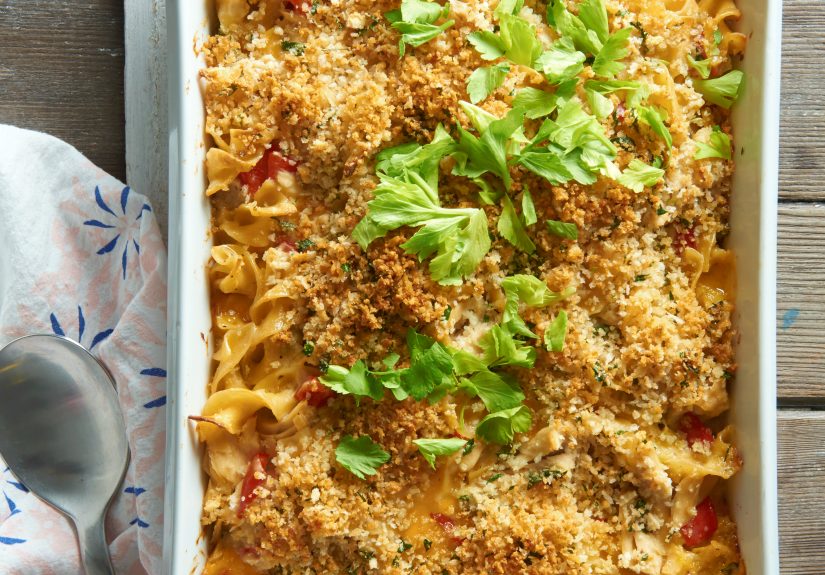
If comfort food had a yearbook, tuna noodle casserole would be “Most Likely to Save Wednesday Night.” It’s affordable, pantry-friendly, endlessly adaptable, and somehow manages to taste like a warm blanket and a practical life decision at the same time. The beauty of a great tuna noodle casserole recipe is that it lives at the sweet spot between old-school nostalgia and modern weeknight efficiency.
In this guide, you’ll get a deeply tested, no-fuss method for a creamy center, tender noodles, balanced flavor, and that golden crunchy top everyone “accidentally” keeps stealing before dinner is served. You’ll also get pro-level tweaks: how to avoid bland tuna, how to stop the sauce from breaking, how to prep ahead, how to freeze like a meal-planning genius, and how to upgrade the classic without turning it into a totally different dish.
Whether you’re loyal to condensed soup, team homemade sauce, or “I just need dinner in 35 minutes,” this recipe gives you all three paths. Let’s make your casserole the one people ask for again next week.
Why Tuna Noodle Casserole Still Works in 2026
Some recipes survive because they’re trendy. This one survives because it solves real problems:
- Budget-friendly protein: Canned tuna stretches a meal without stretching your grocery bill.
- Pantry + freezer staples: Noodles, canned fish, peas, soup or milk, and crumbs are easy to keep on hand.
- Family-flexible: Mild, creamy flavor profile with room for add-ins.
- Make-ahead hero: Assemble now, bake later, reheat beautifully.
- Texture contrast: Creamy interior + crunchy top = instant comfort.
The secret is balance: not too wet, not too dry, not too fishy, and not so heavy that one serving feels like a nap trap.
The Best Tuna Noodle Casserole Recipe (Classic + Flexible)
Yield, Time, and Difficulty
- Servings: 6
- Total time: 45 minutes
- Hands-on time: 20 minutes
- Difficulty: Easy
Ingredients
- 8 oz egg noodles (or medium shells)
- 2 tbsp unsalted butter
- 1 small yellow onion, finely diced
- 8 oz mushrooms, sliced
- 2 garlic cloves, minced
- 3 tbsp all-purpose flour
- 2 cups milk (whole or 2%)
- 1/2 cup chicken broth (or pasta water)
- 1 can (10.5 oz) cream of mushroom soup or extra 1 cup milk for full from-scratch
- 1 tsp Dijon mustard
- 1/2 tsp black pepper
- 1/2 tsp kosher salt (plus pasta water salt)
- 2 cans tuna (5 oz each), drained (mix one light + one albacore for flavor and texture)
- 1 cup frozen peas
- 1 cup shredded sharp cheddar or Gruyère blend
- 1 tbsp lemon juice
- 2 tbsp chopped dill or parsley (optional but recommended)
Crunchy Topping
- 3/4 cup crushed potato chips or panko breadcrumbs
- 2 tbsp grated Parmesan
- 1 tbsp melted butter or olive oil
- Pinch of paprika
Instructions
- Boil the pasta smartly: Heat oven to 400°F. Cook noodles in salted water until just shy of al dente (about 1 minute less than package directions). Drain and set aside.
- Build flavor first: In a large skillet over medium heat, melt butter. Add onion and mushrooms; cook 6–8 minutes until moisture cooks off and edges lightly brown. Add garlic; cook 30 seconds.
- Make a quick creamy base: Sprinkle in flour and stir 1 minute. Slowly whisk in milk and broth. Simmer until slightly thickened, 2–3 minutes. Stir in cream soup (if using), Dijon, salt, and pepper.
- Add the good stuff: Fold in tuna, peas, shredded cheese, lemon juice, and herbs. Stir just until combined. Taste and adjust seasoning.
- Combine and transfer: Add noodles and toss until coated. If it looks too tight, add 2–4 tablespoons milk.
- Top and bake: Transfer to a greased 9×13-inch baking dish. Mix topping ingredients and sprinkle evenly. Bake 18–22 minutes until bubbling and golden.
- Rest (important): Let casserole rest 8–10 minutes before serving so the sauce sets. Finish with extra herbs and black pepper.
Ingredient Strategy: Why This Version Tastes Better
The easiest casseroles rely heavily on condensed soup. The fanciest versions go full béchamel. This recipe borrows the best from both worlds:
- Soup + homemade base: You get nostalgic flavor and faster prep, but better texture than “all can, all the time.”
- Mushrooms browned first: This removes excess water so your casserole stays creamy, not watery.
- Lemon + dill/parsley: Tiny amounts brighten richness and reduce the “flat” canned flavor.
- Two-texture topping: Chips or panko with Parmesan gives crunch and savory bite.
- Under-cooked noodles: They finish in the oven and absorb flavor instead of turning mushy.
Translation: still cozy, less cafeteria.
Classic, Lighter, and Gourmet Paths
1) Ultra-Classic Pantry Version
Use cream of mushroom soup, milk, peas, canned tuna, egg noodles, and buttery crumbs. This is the weeknight emergency button.
2) Lighter Weeknight Version
Use reduced-sodium soup, low-fat milk, extra mushrooms/broccoli, and whole-wheat noodles. Swap half the cheese for grated Parmesan. Keep the crunch; just use panko + olive oil.
3) “Dinner Guest” Upgrade
Use oil-packed tuna, sautéed leeks, fresh dill, Gruyère, and a fully homemade sauce. Finish with crushed kettle chips and lemon zest. Same vibe, better outfit.
8 Common Tuna Casserole Mistakes (and How to Fix Them)
- Mushy noodles: Cook pasta 1 minute under package time.
- Watery casserole: Brown mushrooms well and don’t skip the roux step.
- Bland flavor: Add Dijon, lemon, herbs, and enough salt.
- Too fishy: Drain tuna very well; mix light tuna with albacore; add acid (lemon).
- Dry center: Add splashes of milk before baking if mixture looks stiff.
- Soggy top: Bake uncovered and use melted fat in topping for crispness.
- Broken sauce: Keep heat moderate; whisk milk in gradually.
- One-note texture: Keep peas slightly firm and include a crunchy top.
Make-Ahead, Leftovers, Freezer Plan
Make Ahead
Assemble up to 24 hours ahead. Keep topping separate so it stays crunchy. Refrigerate covered, then bake as directed, adding 5–8 minutes if cold from the fridge.
Leftovers
Cool promptly, refrigerate in shallow containers, and reheat with a splash of milk for creaminess. Oven reheating keeps the best texture; microwave is fine for speed.
Freezing
Best method: freeze before baking (without topping) for up to 3 months. Thaw overnight in the fridge, add topping, then bake. Already baked leftovers can also be frozen, though noodles soften slightly.
Nutrition Notes and Smart Tuna Choices
Tuna casserole can be protein-rich and satisfying, but sodium and saturated fat can creep up quickly depending on soup and cheese choices. To improve the profile:
- Use low-sodium soup or build sauce from scratch.
- Choose a cheese with punch (sharp cheddar, Parmesan) so you can use less.
- Add vegetables: peas, mushrooms, spinach, broccoli, or leeks.
- For frequent tuna meals, vary fish types and consider canned light tuna more often.
- Pair with a crunchy salad to balance richness.
If you cook tuna regularly for kids or pregnant family members, follow current fish guidance and rotate seafood choices.
What to Serve with Tuna Noodle Casserole
- Lemony arugula salad with vinaigrette
- Simple cucumber-dill salad
- Roasted broccoli or green beans
- Tomato soup in small cups (yes, double comfort)
- Crisp pickles for contrast
FAQ: Tuna Noodle Casserole Recipe
Can I make tuna noodle casserole without canned soup?
Yes. Replace it with extra milk and a thicker roux-based white sauce (butter + flour + milk + broth). Add a little extra salt and umami (Parmesan or mushrooms).
Is canned light tuna or albacore better?
Light tuna is usually softer and milder; albacore is firmer and meatier. A blend gives great texture and flavor.
Can I do this in one pan?
Yesuse an oven-safe deep skillet, cook sauce and combine pasta in it, top, then transfer straight to the oven.
How do I keep leftovers creamy?
Reheat gently and add 1–2 tablespoons milk per serving. Stir halfway through heating.
Final Thoughts
A truly great tuna noodle casserole recipe is less about strict rules and more about smart choices: slightly undercook noodles, build flavor in the sauce, use acid and herbs to brighten, and never skip the crunch. Once you nail that framework, you can steer it classic, lighter, or restaurant-ish without losing the soul of the dish.
Keep this recipe in rotation for those nights when energy is low, appetites are high, and everyone wants “real food” fast. It’s practical, nostalgic, anddone rightshockingly craveable.
500-Word Kitchen Experience: Real-Life Notes from Tuna Casserole Nights
The first time I made tuna noodle casserole as an adult, I was trying to clean out my pantry before a grocery run. It was one of those “there’s definitely food in this house, but somehow no dinner” evenings. I found two cans of tuna, a half-bag of egg noodles, and a bag of peas fossilizing in the back of the freezer. What I expected: a backup plan. What happened: everyone asked for seconds, and I had to pretend that was my plan all along.
Over time, I learned that this dish rewards tiny upgrades more than dramatic reinventions. Browning mushrooms for an extra few minutes mattered more than buying expensive cheese. A squeeze of lemon did more work than an entire spice cabinet. Undercooking the noodles by one minute prevented that soft, overbaked texture that makes people politely say, “Wow, this is… really comforting,” while reaching for water.
One winter, I brought tuna noodle casserole to a neighborhood potluck where everyone else arrived with photogenic salads and artisanal things on wooden boards. I showed up with a humble casserole dish and very low expectations. Twenty minutes later, there were only crumbs and one suspiciously clean corner where someone had clearly scraped the crispy top first. A friend asked for the recipe and then confessed she “didn’t even like tuna.” That’s when I realized the dish isn’t really about tuna; it’s about texture, warmth, and familiarity.
I also learned the hard way that topping strategy is non-negotiable. Once, I added the crumbs too early while prepping ahead and refrigerated the whole dish overnight. The next day, the top baked up soft instead of crisp. Edible? Yes. Glorious? No. Since then, topping goes on right before baking. If I’m serving guests, I’ll even hold back a little extra topping, toast it separately, and sprinkle at the end for maximum crunch drama.
On busy weeks, I batch two casseroles: one for dinner, one for the freezer. Future me is always grateful, especially on nights when work runs late and everyone is hungry now, not in 90 minutes. Reheating with a splash of milk brings it back to life better than I expected. I used to think leftovers were just leftovers; now I think of them as planned comfort.
The most memorable version happened when I mixed oil-packed tuna with a little canned light tuna, added dill, and used crushed kettle chips on top. It tasted classic but somehow brighter and richer at once. My family declared it “the tuna casserole that converted the skeptics.” That line stuck.
So if you’re on the fence about making this, here’s my honest experience: tuna noodle casserole starts as a practical dinner, then quietly becomes one of those recipes you rely on. It’s forgiving, affordable, and easy to make your own. And when life gets noisy, a bubbling casserole with a crunchy top feels like a tiny, edible form of order.