Table of Contents >> Show >> Hide
- What Is Ranch Seasoning?
- Why Homemade Ranch Seasoning Is Worth Making
- The Flavor Building Blocks of a Great Ranch Seasoning Recipe
- Best Homemade Ranch Seasoning Recipe
- How to Use Ranch Seasoning
- Substitutions and Easy Customizations
- Common Mistakes to Avoid
- How to Store Homemade Ranch Seasoning
- Why This Ranch Seasoning Recipe Works
- Ranch Seasoning Recipe Experiences: Real-Life Kitchen Wins, Tiny Disasters, and Why People Keep Making It
- Conclusion
Note: This body-only HTML is ready to paste into your page template and publish after styling.
There are two kinds of people in this world: people who like ranch, and people who have not yet met the right ranch. A good ranch seasoning recipe is one of those tiny kitchen superpowers that makes ordinary food suddenly behave like it has a fan club. Toss it with roasted potatoes, whisk it into dip, shake it over popcorn, rub it onto chicken, or stir it into dressing, and dinner stops being “fine” and starts being suspiciously popular.
The best part? Homemade ranch seasoning is fast, flexible, and usually cheaper than buying packet after packet. It also lets you control the salt, skip weird extras, and dial the herb flavor up or down depending on whether you want a bold dip, a mellow dressing, or a snack mix that disappears before the movie preview ends. This version is built for real kitchens, real pantry ingredients, and real people who want big flavor without needing a culinary degree or a dramatic soundtrack.
What Is Ranch Seasoning?
Ranch seasoning mix is the dry flavor backbone behind ranch dressing, ranch dip, and a long list of ranch-flavored recipes. Its signature taste comes from a savory blend of dried herbs, onion, garlic, pepper, and tangy dairy notes. In most classic versions, that tang comes from buttermilk powder. In simpler pantry versions, the tang is added later with fresh buttermilk, sour cream, yogurt, or mayonnaise.
What makes ranch so popular is balance. It is herby without tasting like lawn clippings, creamy without being heavy, and tangy without smacking you in the face like a lemon with a personal grudge. It works equally well in comfort food, party snacks, meal prep, and quick weekday dinners. That kind of range is why ranch seasoning keeps earning permanent shelf space in American kitchens.
Why Homemade Ranch Seasoning Is Worth Making
1. You control the flavor
Store-bought packets are convenient, but homemade lets you decide whether you want more dill, more garlic, less salt, or a little extra pepper. If your household thinks black pepper is “too spicy,” no judgment. Ranch can be adjusted without drama.
2. You control the ingredients
Many home cooks like making their own homemade ranch seasoning because they can skip additives, reduce sodium, or avoid ingredients they simply do not love. Some people want a more classic packet-style flavor with buttermilk powder. Others prefer a dairy-free dry blend and add creamy ingredients later. Both approaches work.
3. It saves time later
Spend five minutes making a jar now, and Future You gets to feel wildly organized. A spoonful can turn plain Greek yogurt into dip, mayonnaise into sandwich spread, or olive oil-coated vegetables into something the family actually wants to eat.
The Flavor Building Blocks of a Great Ranch Seasoning Recipe
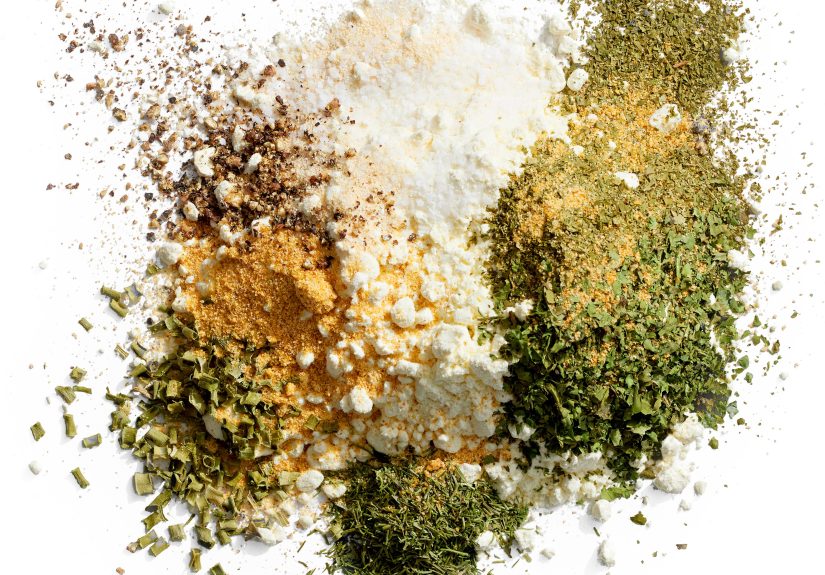
A strong ranch seasoning recipe usually includes a familiar lineup:
- Dried parsley: adds fresh, green flavor and classic ranch color.
- Dried dill: brings the unmistakable tangy-herby ranch personality.
- Dried chives: gives mild onion flavor with a softer edge.
- Garlic powder: essential for savory depth.
- Onion powder: rounds out the flavor and adds sweetness.
- Onion flakes: optional, but great for extra texture and punch.
- Salt and black pepper: make everything else taste alive.
- Buttermilk powder: optional, but excellent if you want that classic ranch packet taste.
- Dry mustard or paprika: optional helpers that add a little extra zip and depth.
The trick is not just using these ingredients. It is getting the balance right. Too much dill and the seasoning can lean pickly. Too much garlic and your ranch starts making very bold social decisions. Too little salt and everything tastes flat. Ranch is supposed to be lively, creamy, savory, and bright all at once.
Best Homemade Ranch Seasoning Recipe
Ingredients
- 1/2 cup buttermilk powder
- 1 tablespoon dried parsley
- 1 tablespoon dried chives
- 2 teaspoons dried dill
- 2 teaspoons garlic powder
- 2 teaspoons onion powder
- 1 teaspoon dried minced onion or onion flakes
- 1 teaspoon kosher salt
- 1 teaspoon freshly ground black pepper
- 1/2 teaspoon dry mustard
Instructions
- Add all ingredients to a small bowl or jar.
- Whisk or shake until evenly combined.
- If you want a smoother, more packet-like texture, pulse the mixture in a spice grinder or small food processor for a few seconds.
- Store in an airtight container in a cool, dry place.
This recipe makes a versatile seasoning mix that works beautifully for dressing, dip, roasted vegetables, chicken, potatoes, and snack mixes. If you want a dairy-free version, leave out the buttermilk powder and add your tangy ingredient later when you turn it into a dip or dressing.
How to Use Ranch Seasoning
Make ranch dressing
For an easy homemade dressing, whisk together:
- 2 tablespoons ranch seasoning
- 1/2 cup mayonnaise
- 1/2 cup sour cream
- 1/3 to 1/2 cup buttermilk, depending on how thin you want it
Chill for 20 to 30 minutes before serving so the dried herbs can wake up and stop acting sleepy.
Make ranch dip
For a thicker dip, stir together:
- 2 tablespoons ranch seasoning
- 1 cup sour cream
- 1/2 cup mayonnaise or Greek yogurt
This is excellent with carrots, cucumbers, chips, wings, fries, or the vague plan to “just have a few crackers.”
Use it as a dry seasoning
Sprinkle it on popcorn, roasted chickpeas, air-fried potatoes, french fries, homemade croutons, chicken tenders, grilled corn, or buttered pretzels. Ranch seasoning has a special talent for making snack food feel like a very wise decision.
Turn plain food into meal-prep food
Mix it into breadcrumbs for chicken cutlets, stir it into mashed potatoes, add it to pasta salad, or toss it with olive oil and vegetables before roasting. It works especially well with broccoli, cauliflower, carrots, and baby potatoes.
Substitutions and Easy Customizations
No buttermilk powder?
No problem. Make the dry mix without it and add buttermilk, yogurt, sour cream, or a little lemon juice when you turn it into dressing or dip. Your seasoning blend will still be flavorful and useful.
Want a brighter ranch?
Add a pinch of lemon pepper, a touch of citric acid, or a squeeze of fresh lemon juice when mixing the final dressing. That little tang can make the herbs pop.
Want a bolder ranch?
Increase the garlic powder slightly, add more dill, or stir in a tiny splash of Worcestershire sauce when making dressing. That gives the flavor a deeper, more restaurant-style feel.
Want a healthier ranch dip?
Use plain Greek yogurt instead of sour cream or mayo. It gives the dip a fresh tang and more protein while still letting the seasoning shine.
Want spicy ranch?
Add cayenne, chipotle powder, crushed red pepper, or smoked paprika. Spicy ranch is what happens when classic comfort food gets a little extra confidence.
Common Mistakes to Avoid
Using stale herbs
If your dried dill has been hiding in the cabinet since your last apartment, your seasoning mix will taste flat. Dried herbs keep a long time, but freshness matters. If they smell weak, the finished blend will taste weak too.
Skipping the rest time
Freshly mixed ranch dressing can taste a little sharp or unfinished. Give it at least 20 minutes in the fridge. The flavor becomes smoother, more blended, and more like actual ranch instead of a committee meeting of ingredients.
Over-salting the mix
If you plan to use ranch seasoning on chips, fries, popcorn, or salty snacks, keep the salt level moderate. It is easier to add more later than fix a batch that tastes like it fell into the ocean.
Expecting one version to do everything perfectly
A dry blend for roasting vegetables may not need as much buttermilk powder as a mix meant for dressing. The smartest move is to make a solid base recipe, then adjust depending on how you use it.
How to Store Homemade Ranch Seasoning
Store your seasoning in an airtight jar in a cool, dry, dark place. Keep it away from heat, steam, and direct sunlight. A pantry shelf is better than the cabinet directly above the stove, where your spices slowly roast while pretending everything is fine.
If your mix includes buttermilk powder, treat it carefully and keep the container sealed tightly. For the best flavor, try to use the seasoning within a few months. Even though dried herbs can last longer, their punch fades over time, and ranch without personality is just a missed opportunity.
Why This Ranch Seasoning Recipe Works
This blend works because it respects what people actually love about ranch: savory onion and garlic, bright herbs, creamy tang, and enough pepper to keep it interesting. It is not overloaded with one note, and it does not try too hard to be trendy. It is classic, flexible, and extremely practical.
It also scales easily. Double it for weekly meal prep. Triple it for party season. Tuck a little jar into your pantry and suddenly baked chicken, sheet-pan vegetables, and last-minute dips all become easier. In a world full of complicated recipes with seventeen steps and a suspicious number of bowls, ranch seasoning is beautifully low-maintenance.
Ranch Seasoning Recipe Experiences: Real-Life Kitchen Wins, Tiny Disasters, and Why People Keep Making It
One reason this ranch seasoning recipe stays so popular is that it fits real life. It is not one of those pretty recipes that looks fabulous online and then collapses the second a Tuesday happens. Homemade ranch seasoning is what people make when dinner is late, the fridge looks unmotivated, and somehow everyone is still expecting flavor. A spoonful in sour cream can save a snack board. A quick shake over potatoes can rescue a side dish. A little whisk into mayo can turn an ordinary sandwich into something that feels planned, even if the plan was mostly panic.
For many home cooks, the first experience with ranch seasoning is not glamorous. It is often tied to a last-minute dinner, a potluck, a game day, or that classic moment when guests are on the way and the vegetables are chopped but the dip situation is deeply underdeveloped. Then the seasoning gets stirred together, chilled for a few minutes, and suddenly people start hovering around the bowl like it owes them money. That is the magic of ranch. It has a way of disappearing quietly but rapidly.
Families also love it because it is familiar without being boring. Kids usually recognize the flavor immediately, picky eaters are less suspicious of it than many other seasonings, and adults can still customize it with fresh herbs, spice, lemon, or extra garlic. It can be mild enough for raw veggies at lunch and bold enough for wings or roasted potatoes at dinner. Not every seasoning blend can move that smoothly from lunchbox to party platter, but ranch pulls it off with alarming confidence.
There is also something satisfying about having a homemade version in the pantry. It feels efficient in the best possible way. You are not reinventing the wheel. You are simply giving the wheel better herbs. And when you make your own jar, you start noticing how often it helps. Bland chicken breasts? Ranch seasoning. Boring popcorn? Ranch seasoning. A bowl of Greek yogurt that needs purpose? Ranch seasoning. It becomes one of those kitchen shortcuts that keeps earning its spot because it solves the same problem over and over again: food should taste like someone cared.
Of course, not every ranch seasoning moment is perfect. Sometimes people add too much dill and accidentally make the mix taste like pickle fan fiction. Sometimes the salt gets heavy-handed. Sometimes an ancient jar of dried parsley contributes almost no flavor and just floats around looking decorative. But even the mistakes are useful, because ranch is forgiving. You can rebalance it, thin it out, make it creamier, make it tangier, or fold it into another recipe. It is hard to ruin beyond repair, and that makes it especially friendly for beginner cooks.
In the end, the best experiences with ranch seasoning are usually the simplest ones: crispy potatoes straight from the oven, cold vegetables with a creamy dip, a quick dressing whisked together for a salad that suddenly feels less like homework, or a snack mix that vanishes before anyone admits they finished it. Homemade ranch seasoning does not ask for much. It just keeps showing up, doing its job, and making ordinary food a lot more fun.
Conclusion
A great ranch seasoning recipe does not need to be complicated to be useful. It just needs the right blend of herbs, savory depth, and tangy potential. Once you have a jar on hand, you can build dips, dressings, dry rubs, roasted vegetables, snack mixes, and weeknight shortcuts in minutes. That is why homemade ranch seasoning remains one of the smartest little recipes to keep in your rotation.
Make it once, adjust it to your taste, and use it often. The next time dinner feels bland, boring, or one sigh away from becoming takeout, this seasoning mix may be the easiest fix in your kitchen.