Table of Contents >> Show >> Hide
- Why Meghan Markle’s One-Pot Pasta Went Viral
- What Makes the Original One-Pot Pasta Work
- Where the Original Leaves Room for Improvement
- My Secret Twist: Tomato Paste, White Beans, and Extra Lemon
- The Recipe: Meghan Markle’s Viral One-Pot Pasta With My Twist
- Smart Ingredient Swaps
- Common One-Pot Pasta Mistakes to Avoid
- Is Meghan Markle’s Viral Pasta Actually Worth Making?
- My Experience Making Meghan Markle’s Viral One-Pot Pasta Recipe With My Twist
- Conclusion
Some recipes go viral because they are wildly complicated, involve a blowtorch, and make your kitchen look like a cooking show finale. This is not one of those recipes. Meghan Markle’s one-pot pasta caught attention because it felt surprisingly normal: pasta, tomatoes, greens, garlic, olive oil, cheese, and the kind of weeknight logic that says, “I would like dinner, but I would also like fewer dishes.” Honestly, relatable.
That simple setup is exactly why the recipe took off. It looked cozy, quick, and just controversial enough to spark arguments from home cooks and pasta purists. Uncooked spaghetti straight into the pan? Boiling water from a kettle? Greens piled on top at the end? Somewhere, an Italian grandmother probably raised one eyebrow. But plenty of busy cooks also leaned in and said, “Keep talking.”
This article breaks down why Meghan Markle’s viral one-pot pasta recipe works, where it leaves a little room for improvement, and how to make a richer, brighter, more satisfying version without losing the low-effort charm that made the original so appealing. My secret twist keeps the spirit of the dish intact, but gives it a little more backbone, a little more flavor, and a lot more “wait, why is this so good?” energy.
Why Meghan Markle’s One-Pot Pasta Went Viral
Part of the appeal was timing. Home cooks are still very much in their “please let dinner be easy” era, and one-pot meals remain undefeated in the battle against sink clutter. Meghan’s version landed in that sweet spot between aspirational and doable. It looked elegant enough to serve to friends, but casual enough to make in sweatpants while answering texts and wondering whether you remembered to thaw anything for tomorrow.
Another reason it spread so quickly is that it checked several modern recipe boxes at once: lots of vegetables, minimal cleanup, a fast cook time, and a flexible format. If you have cherry tomatoes but not the exact greens? Fine. If you use arugula, kale, chard, or spinach? Still fine. If you toss in extra Parmesan and call it balance? You have my full support.
There was also a second layer to the conversation. Long before the Netflix-era one-pan spaghetti started making the rounds, Meghan Markle had already been associated with a different pasta idea: a famously slow-cooked zucchini sauce that turns silky and rich after hours on the stove. That older recipe helped build a reputation for vegetable-forward pasta that sounds slightly odd at first and then wins people over once it hits the plate. So when a new Meghan pasta recipe showed up, people were already primed to be curious.
What Makes the Original One-Pot Pasta Work
The starch does the heavy lifting
At the heart of any good one-pot pasta is starch. When pasta cooks directly in the pan with the sauce ingredients, the water becomes cloudy with released starch. That starchy liquid thickens as it reduces, helping create a glossy, clingy sauce without requiring cream, flour, or a separate pot of reserved pasta water. It is one of those kitchen tricks that feels suspiciously magical until you remember chemistry has always been a show-off.
The vegetables do more than add color
Cherry tomatoes bring sweetness and acidity. Garlic builds depth. The greens soften into the pasta and make the whole dish feel fresher and more balanced than a bowl that leans only on starch and cheese. Lemon zest, which appears in several recreations and explanations of the dish, is especially smart. It lifts everything and prevents the finished pasta from tasting flat or sleepy.
The method favors real life
Traditional pasta techniques have their place, but a recipe becomes beloved when it respects the fact that most people are cooking on a Tuesday, not auditioning for culinary sainthood. Meghan’s one-pot format is attractive because it feels practical. It gets dinner on the table fast, keeps cleanup manageable, and uses ingredients that are easy to find. For a lot of cooks, that is not cutting corners. That is sanity.
Where the Original Leaves Room for Improvement
Even fans of the recipe often agree on one thing: the method is solid, but the flavor can use a little extra oomph. That makes sense. When a dish relies on a short ingredient list, every ingredient has to work overtime. If the tomatoes are not very sweet, if the greens are a little aggressive, or if the cheese gets added timidly, the result can taste good but not unforgettable.
There is also the fullness factor. Pasta, vegetables, and Parmesan are lovely together, but depending on your portion and your appetite, you may find yourself raiding the fridge an hour later like a raccoon with excellent taste. That is where thoughtful upgrades come in. Not a full personality transplant. Just better lighting, better angles, and a little more confidence.
My Secret Twist: Tomato Paste, White Beans, and Extra Lemon
Here is my twist, and yes, I am aware that calling it a “secret” after putting it on the internet is a bold interpretation of the word. I add three things:
- A spoonful of tomato paste to deepen the tomato flavor and give the sauce more savory richness.
- A small handful of cannellini beans, lightly crushed into the pan near the end, to make the sauce creamier and add satisfying body.
- Extra lemon zest and a squeeze of juice for brightness, because pasta this simple loves a fresh, sharp finish.
This combination keeps the recipe weeknight-friendly, but it turns the dish from “nice and easy” into “excuse me, why am I scraping the pan with bread?” The tomato paste adds depth without needing a long simmer. The beans quietly thicken the sauce and make the meal feel more substantial. The lemon keeps everything lively and prevents the richer notes from getting too cozy.
If you want to go one step further, a pinch of red pepper flakes is a smart move. Not enough to bully the dish, just enough to wake it up.
The Recipe: Meghan Markle’s Viral One-Pot Pasta With My Twist
Ingredients
- 8 ounces spaghetti
- 2 tablespoons extra-virgin olive oil
- 3 to 4 garlic cloves, thinly sliced
- 1 pint cherry tomatoes, halved
- 1 tablespoon tomato paste
- 3 cups boiling water or hot vegetable broth, plus more as needed
- 1 tightly packed cup chopped kale or Swiss chard
- 1 loosely packed cup arugula or spinach
- 1/3 cup grated Parmesan cheese, plus more for serving
- 1/2 cup cannellini beans, lightly mashed
- 1 teaspoon lemon zest, plus more to finish
- 1 to 2 teaspoons lemon juice
- 1/4 teaspoon red pepper flakes
- Kosher salt and black pepper, to taste
- Fresh basil, optional, for serving
Instructions
- Build the base. Set a large straight-sided skillet or wide pot over medium heat. Add the olive oil, garlic, and cherry tomatoes with a pinch of salt. Cook for 3 to 4 minutes, stirring occasionally, until the tomatoes soften and start to release their juices.
- Wake up the flavor. Stir in the tomato paste and red pepper flakes. Let the paste cook for about 30 seconds so it darkens slightly and loses that raw, tinny edge.
- Add the pasta. Lay the spaghetti into the pan. Pour in the boiling water or hot broth. It should mostly cover the pasta. Add black pepper and half the lemon zest.
- Cook until nearly al dente. Bring everything to a lively simmer. Cover loosely and cook for about 6 to 7 minutes, stirring with tongs once or twice so the spaghetti does not glue itself into a dramatic sculpture.
- Add the greens. Scatter in the kale or chard first, then the arugula or spinach. Cover again and cook 2 to 3 minutes more, tossing until the greens wilt and the pasta is just shy of done.
- Add the twist. Stir in the mashed cannellini beans and Parmesan. The beans should melt into the starchy liquid and help create a silkier sauce. Add the lemon juice and keep tossing until the pasta is glossy and coated.
- Finish like you mean it. Taste and adjust with salt, pepper, more Parmesan, and the rest of the lemon zest. Add a splash more hot water if the pasta tightens up too much.
- Serve immediately. Top with basil, extra cheese, and one last crack of black pepper.
Why this version tastes better
The tomato paste fills in the gaps that fresh tomatoes sometimes leave behind. The beans lend creaminess without making the dish heavy. The lemon cuts through the starch and cheese so every bite tastes bright instead of dull. You still get the easy, one-pan charm, but now the flavor feels complete.
Smart Ingredient Swaps
If you want to adapt the pasta to what you already have, here are easy substitutions that do not wreck the spirit of the recipe:
- No kale or chard? Use spinach, baby kale, or even a peppery spring mix.
- No cannellini beans? Use great northern beans or chickpeas, mashed lightly.
- Need more protein? Stir in cooked shrimp, shredded rotisserie chicken, or canned salmon at the end.
- Want it richer? Add a spoonful of ricotta when serving.
- Want it sharper? Use Pecorino Romano instead of some of the Parmesan.
Common One-Pot Pasta Mistakes to Avoid
Using too little liquid
If the pasta is not mostly submerged, it will cook unevenly. Add enough hot liquid to let the spaghetti soften and sink as it cooks. You can always reduce extra liquid at the end, but rescuing crunchy pasta is less fun.
Forgetting to stir
One-pot does not mean zero attention. Give the pasta a toss once or twice during cooking so it does not clump. This is a low-maintenance dinner, not a “walk into another room and start reorganizing your life” dinner.
Adding cheese too early
Parmesan should go in toward the end, after the pasta is almost done. Add it too soon and it can turn stringy or disappear before it gets the chance to emulsify the sauce properly.
Skipping the acid at the finish
Lemon may seem optional, but it is the part that makes the dish feel finished. Without it, the pasta can taste a little flat, especially if your tomatoes are mild.
Is Meghan Markle’s Viral Pasta Actually Worth Making?
Yes, with one small condition: you should treat it like a flexible blueprint, not a sacred text. The original concept is excellent because it is simple, modern, and practical. The viral conversation happened because the method is genuinely useful. Pasta cooked directly with tomatoes, greens, and aromatics can absolutely become dinner magic when the ratios are right.
But the best home cooks know that a good base recipe is often just the beginning. Meghan’s viral one-pot pasta deserves credit for being approachable and elegant at the same time. My twist simply gives the recipe the extra depth and balance that many weeknight dinners need. It is not trying to out-fancy the original. It is trying to make sure the final bowl tastes as exciting as the idea sounds.
And that, ultimately, is why this style of pasta keeps people talking. It is not about perfection. It is about creating something comforting, quick, and a little bit special from ingredients that are not trying too hard. Which, frankly, is the dream.
My Experience Making Meghan Markle’s Viral One-Pot Pasta Recipe With My Twist
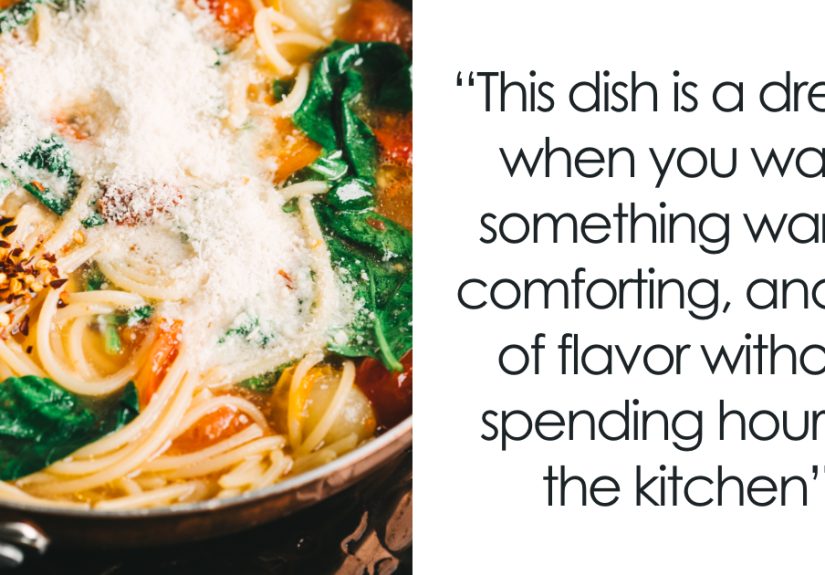
The first time I made a version of Meghan Markle’s one-pot pasta, I understood the appeal almost immediately. The pan looked gorgeous in that effortless way that makes you feel like you should be wearing linen and speaking softly about citrus trees. Tomatoes were collapsing, the greens were sinking into the spaghetti, and the whole thing smelled fresher than most emergency dinners have any right to smell. But after the first bite, I also understood why the internet had so many opinions. The dish was good. It just stopped a little short of great.
That is exactly the kind of recipe I love working on. Not a broken recipe. Not a bland disaster. Just a strong idea that needs a nudge. So I started playing. More garlic helped, but only a little. More Parmesan made it richer, but it also pushed the pasta toward heaviness if I was not careful. Extra chili flakes were fun, but they took over too fast. The real turning point came when I added tomato paste. Suddenly the sauce had bass notes. It tasted rounder and more savory, like the tomatoes had been concentrating all afternoon instead of sprinting to the finish in under 20 minutes.
The next breakthrough came from the cannellini beans. I know beans in pasta can sound like the kind of suggestion that makes people nod politely while backing away, but hear me out. Once lightly mashed into the hot, starchy liquid, they melted into the sauce in a way that felt almost unfair. The pasta became creamier without tasting creamy. It gained body without becoming stodgy. It also kept the meal from feeling like a beautiful appetizer disguised as dinner.
Then came the lemon. I had already liked the idea of lemon zest in the original style of the dish, but adding a little more zest and a small squeeze of juice at the end changed the whole mood. Instead of cozy and soft, the pasta became cozy and lively. It tasted brighter, smarter, more awake. The greens felt greener. The cheese tasted sharper. The tomatoes tasted sweeter. It was like opening the curtains in a room you already thought looked nice.
What I appreciated most, though, was that the recipe still felt easy. That matters. There are plenty of dishes that become better once you add seven extra ingredients, toast something separately, grate three cheeses, and clean half the kitchen. But that is not really a recipe improvement. That is a personality change. This one stayed faithful to the original promise: one pan, one fast dinner, one reasonably calm evening.
I also found the dish was unusually forgiving. I made it once with kale, once with chard, and once with a random mix of spinach and arugula because that was what was left in the fridge staring at me with judgment. It worked every time. I used broth one night, plain boiling water another, and both versions were solid. The broth version had a deeper savory edge, but the water version still came together beautifully once the cheese, lemon, and tomato paste did their jobs.
The best test, in my opinion, is whether a recipe makes you want to cook it again without needing a special occasion. This one passed. It is the kind of pasta you can make when you are tired, mildly cranky, and dangerously close to ordering takeout out of principle. It looks cheerful in the pan, tastes better than the effort suggests, and leaves behind only one pot to wash. That is not just viral-recipe success. That is weeknight survival with good lighting.
If I were serving this to friends, I would add extra basil, more lemon zest, and a bowl of crunchy salad on the side so everyone could feel extremely put together. If I were making it for myself on a random evening, I would eat it straight from the bowl while standing at the counter for the first few bites, because some traditions should be honored. Either way, this version of Meghan Markle’s viral one-pot pasta has earned a spot in the repeat-dinner rotation. And in the ruthless world of home cooking, that is the highest compliment I can give.
Conclusion
Meghan Markle’s viral one-pot pasta recipe became a talking point because it delivered something people genuinely want: a dinner that feels stylish without being fussy. The original idea is smart, simple, and highly adaptable. My twist keeps the best parts of the recipe intact while adding a deeper tomato foundation, a creamier texture, and a brighter finish. The result is a one-pot pasta that still feels effortless, but tastes more complete, more satisfying, and a little more memorable. In other words, it is the kind of dinner that makes you look like you tried harder than you actually did, which is arguably the noblest category of recipe.