Table of Contents >> Show >> Hide
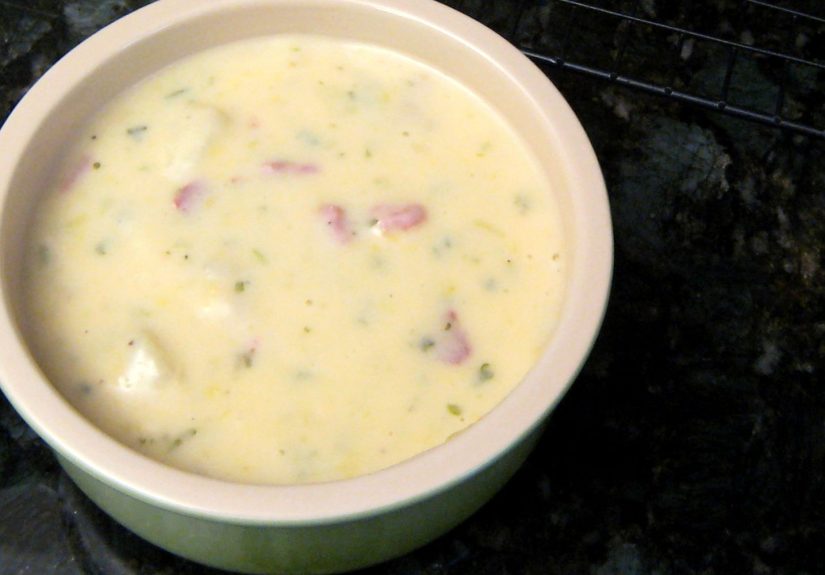
If “cozy” were a food group, this would be its mascot: creamy potato soup, salty-sweet ham, and a swoon-worthy
cheddar finish. It’s the kind of dinner that makes you want to put on sweatpants on purposepure comfort,
zero shame.
Why This Soup Works
Great potato soup is all about balance: thick enough to feel hearty, but not so thick your spoon stands up
like it’s auditioning for a construction job. This version hits that sweet spot by using a classic creamy base
(butter + flour + milk/half-and-half), then leaning on potatoes for body and cheddar for that rich, savory finish.
The ham does more than “add protein.” It brings smoky, salty depth that makes the whole pot taste like it’s been
simmering all dayeven if you made it on a Tuesday with one eye on your inbox.
Ingredients (and Smart Swaps)
Core Ingredients
- Potatoes (2 to 2 1/2 pounds): Yukon Gold for buttery creaminess, or Russet for a fluffier, thicker soup.
- Cooked ham (2 to 2 1/2 cups diced): leftover holiday ham, deli thick-cut ham, or smoked ham.
- Onion (1 medium, diced): the flavor foundation.
- Celery (2 ribs, diced) + carrots (1 to 2, diced): optional but highly recommended for sweetness and depth.
- Garlic (2 to 3 cloves, minced): because soup deserves a personality.
- Chicken broth (4 cups): low-sodium gives you control.
- Butter (4 tablespoons): for richness and roux-making power.
- All-purpose flour (1/4 cup): thickens the soup gently and reliably.
- Milk (2 cups) + half-and-half (1 cup): or use all milk, or all half-and-half for extra indulgence.
- Sharp cheddar (2 to 2 1/2 cups, freshly shredded): sharp = more flavor, less “where did the cheese go?”
- Seasonings: salt (lightly, ham is salty), black pepper, and optional smoked paprika.
Best Potatoes for Potato Soup
Yukon Gold potatoes naturally taste buttery and hold their shape nicelygreat if you like
tender chunks in every bite. Russets break down more and release more starch, which thickens
the soup (great if you want it extra cozy and spoon-hugging). You can also do a 50/50 mix for the best of both worlds.
Ham Options That Actually Taste Good
This is a “use what you’ve got” recipe, but it helps to know your ham personalities:
- Leftover baked ham: classic, slightly sweet, perfect in creamy soups.
- Smoked ham: brings barbecue-like depth; go easy on extra smoked paprika.
- Ham bone: simmer it in the broth first for bonus flavor, then add diced ham later.
Cheddar Cheese Choices (and Why Bagged Shreds Can Be Moody)
For the smoothest melt, buy a block and shred it yourself. Pre-shredded cheese often contains anti-caking
ingredients that can make melting less silky. Choose sharp or extra-sharp
cheddar for the biggest payoff. Mild cheddar can taste “nice,” but also kind of… shy.
Easy Ingredient Swaps
- Gluten-free: skip the flour roux and thicken with a cornstarch slurry (details in the tips section).
- Lower dairy: use 2% milk and reduce cheddar slightly; it’ll still be comforting.
- More veggies: stir in corn, peas, spinach, or broccoli florets near the end.
- More tang: a spoonful of sour cream or Greek yogurt in the bowl (not the pot) is chef’s-kiss.
Recipe: Potato Soup With Ham and Cheddar
Quick Details
- Prep time: 15–20 minutes
- Cook time: 30–40 minutes
- Total time: about 1 hour
- Yield: 6–8 servings
Equipment
- Large Dutch oven or heavy soup pot
- Whisk
- Potato masher (or immersion blender)
- Cutting board + knife
Ingredients
- 4 tablespoons butter
- 1 medium onion, diced
- 2 ribs celery, diced
- 1–2 carrots, diced (optional)
- 2–3 cloves garlic, minced
- 2 to 2 1/2 pounds potatoes, peeled (optional) and diced into 1/2-inch pieces
- 4 cups low-sodium chicken broth
- 2 to 2 1/2 cups diced cooked ham
- 1/4 cup all-purpose flour
- 2 cups milk
- 1 cup half-and-half (or more milk)
- 2 to 2 1/2 cups sharp cheddar, freshly shredded
- 1/2 teaspoon black pepper (plus more to taste)
- Optional: 1/2 teaspoon smoked paprika, 1 teaspoon Dijon mustard or dry mustard, sliced green onions, crispy bacon
Step-by-Step Instructions
-
Sauté the flavor base.
In a large pot over medium heat, melt the butter. Add onion, celery, and carrots (if using). Cook 5–7 minutes,
stirring occasionally, until softened. Add garlic and cook 30 seconds, just until fragrant. -
Add potatoes, broth, and ham.
Stir in the diced potatoes, chicken broth, and ham. Bring to a gentle boil, then reduce to a simmer.
Cook 12–15 minutes, or until potatoes are fork-tender. -
Make it creamy (two options).
-
Option A: Classic roux-in-the-pot (easy and reliable).
Push the potato mixture to the sides to create a little “butter lake” in the center (or use a second small pan).
Sprinkle flour over the liquid and whisk vigorously to avoid lumps. Cook 1 minute to remove the raw flour taste. -
Option B: Traditional roux in a separate pan (extra smooth).
In a small saucepan, melt 2 tablespoons butter, whisk in flour, and cook 1–2 minutes.
Slowly whisk in milk until smooth and slightly thickened, then pour into the soup.
-
Option A: Classic roux-in-the-pot (easy and reliable).
-
Stir in dairy.
Lower the heat to medium-low. Slowly pour in the milk and half-and-half, stirring as you go.
Let it gently warm for 3–5 minutes. Avoid a hard boildairy hates drama. -
Choose your texture.
For chunkier soup, mash some of the potatoes right in the pot with a masher (about 10–15 mashes).
For smoother soup, blend only a portion with an immersion blender (10–20 seconds), then stop.
Over-blending potatoes can turn the soup gluey. -
Add cheddar the smart way.
Turn the heat to low (or even off). Add cheddar a handful at a time, stirring until melted before adding more.
If using mustard (Dijon or dry), add it nowit deepens the cheesy flavor without tasting “mustardy.” -
Season and serve.
Taste and add pepper, a pinch of salt if needed, and optional smoked paprika. Ladle into bowls and top with
green onions, extra cheddar, bacon, or a dollop of sour cream.
Optional Toppings (Pick Your Personality)
- Extra shredded cheddar or a sprinkle of smoked gouda
- Sliced green onions or chives
- Crispy bacon bits
- Croutons, oyster crackers, or crusty bread for dunking
- Hot sauce for a gentle wake-up call
Creamy Soup Tips (No Cheese Clumps Allowed)
1) Don’t boil after adding dairy or cheese
High heat can cause dairy to separate and cheese to clump. Keep the soup at a gentle simmer before dairy goes in,
then switch to low heat for the cheese step. Think “warm hug,” not “volcano.”
2) Shred cheddar yourself (yes, it matters)
Freshly shredded cheese melts more smoothly. Bagged shreds can work in a pinch, but if your soup gets a little
grainy or reluctant to melt, that’s often why.
3) Add cheese gradually
A handful at a time is the difference between silky and stringy. Stir well between additions so the cheese
melts into the liquid instead of forming a cheddar tumbleweed.
4) Thickening fixes if your soup is too thin
- Mash more potatoes: the easiest fix and it keeps the flavor consistent.
-
Cornstarch slurry (gluten-free friendly): mix 1 tablespoon cornstarch with 1 tablespoon cold water.
Stir into simmering soup and cook 2–3 minutes. Repeat if needed. - Reduce: simmer uncovered 8–10 minutes to concentrate and thicken naturally.
5) Avoid “potato glue”
Potatoes contain starch, and intense blending can make them gummy. For the creamiest texture without weird stretchiness,
blend only part of the soup, or use a masher and keep it rustic.
Variations: Slow Cooker, Spicy, Veggie-Loaded
Slow Cooker Version
Add potatoes, onion, celery, carrots, garlic, ham, and broth to your slow cooker. Cook on LOW 6–7 hours
or HIGH 3–4 hours, until potatoes are tender. Near the end, whisk together a quick roux (butter + flour)
with warmed milk, stir it in, then add cheddar on low heat until melted.
Spicy “Smoky Cheddar” Version
- Add 1/2 teaspoon smoked paprika and a pinch of cayenne.
- Use pepper jack for part of the cheese.
- Top with pickled jalapeños (trust the process).
Veggie-Loaded Version
Stir in broccoli florets or corn during the last 5–7 minutes of simmering. For spinach or kale, add it at the very end
so it stays bright and fresh.
“Use the Ham Bone” Flavor Boost
If you have a ham bone, simmer it in the broth for 20–30 minutes before adding potatoes. Remove the bone,
shred any extra meat, then proceed with the recipe. It’s a small move that tastes like a big one.
Serving Ideas
This soup is already a full meal, but if you want to make it feel like a “real dinner” (and not just a delicious pot
you keep circling back to with a spoon), pair it with:
- A crisp green salad with a tangy vinaigrette
- Crusty sourdough or warm dinner rolls
- Roasted broccoli or Brussels sprouts for balance
- A simple apple slaw (sweet + crunchy plays beautifully with cheddar)
Storage & Reheating
Refrigerator
Cool the soup quickly (shallow containers help), then refrigerate in an airtight container. For best quality, enjoy within 3–4 days.
Reheat gently on the stove over medium-low heat, stirring often. If it thickens a lot, add a splash of milk or broth to loosen it.
Freezer
You can freeze this soup, but creamy soups may change texture slightly when thawed. If you know you’ll freeze it,
consider freezing it before adding cheese and extra dairy, then finish the cheese step after reheating.
Freeze in portioned containers with headspace for expansion.
FAQ
Why did my cheese clump or turn grainy?
Usually it’s heat or speed: the soup was too hot, or the cheese went in all at once. Keep the heat low and add cheddar gradually.
Freshly shredded cheddar also helps.
Can I make this without flour?
Yes. Mash more potatoes for natural thickness, or use a cornstarch slurry (cornstarch + cold water) stirred into simmering soup.
Can I use leftover mashed potatoes?
You can! Stir in 1 to 2 cups of mashed potatoes after the broth simmers with ham and veggies. It thickens fast,
so add gradually and adjust with broth or milk.
What’s the best cheddar for soup?
Sharp cheddar gives you the most flavor. Extra-sharp is even bolder, but can be slightly more prone to graininess if overheatedso keep it low and slow.
How do I make it taste “restaurant good”?
Two easy upgrades: add a tiny spoon of Dijon (or a pinch of dry mustard) to round out the cheddar flavor, and finish bowls with a topping that pops
(green onion, bacon, hot sauce, or a swirl of sour cream).
Real-World Kitchen Experiences (500+ Words)
A recipe looks tidy on paper, but real life is a little messierin the best way. Potato soup with ham and cheddar is one of those dishes
that home cooks tend to “learn” over a few batches, mostly because the soup gently teaches you what it likes and what it refuses to tolerate.
(Spoiler: it refuses to tolerate boiling after dairy. It will not negotiate.)
One common experience: you start this soup because you have leftover ham, and by the end you’re weirdly proud of yourself for “being so practical.”
Then you realize you just used leftovers to make something that tastes like a deliberate, cozy plan. That’s the magic hereham is already seasoned
and cooked, which means you get deep flavor without the long simmer you’d need for raw meat. Many people notice the soup tastes even better the next day,
because the ham and aromatics have more time to mingle and the starches settle into a thicker, silkier texture.
Another classic moment: the cheese step. The first time someone makes a cheddar-based soup, it’s normal to assume you can crank the heat to “help it melt.”
That’s how you end up with cheese that looks like it’s forming tiny rubber confetti. What usually works in everyday kitchens is treating cheese like a finishing
ingredient, not a cooking ingredient. Turn the heat low, add it slowly, stir patiently. It’s less “dump and go” and more “handful and glow.” People also
discover that grating a block of cheddar feels like extra work… until they see how smoothly it melts compared to pre-shredded cheese. That’s when the
block-cheddar believers are born.
Texture is another thing cooks tend to personalize. Some want big, tender potato chunkslike a stew that decided to become soup. Others want it almost
velvety, the kind that coats the spoon. In real kitchens, the most reliable compromise is “blend a little, mash a little.” You simmer the potatoes until
soft, mash part of them right in the pot, then (if you want) blend just a small portion. This creates a creamy base while keeping enough pieces intact
that the soup still feels hearty. If you’ve ever accidentally over-blended potatoes and ended up with something slightly gummy, you’re not alone.
That’s a very common “whoops” that turns into valuable soup wisdom.
Seasoning is where experience really shows. Because ham varies wildlysome is smoky, some is sweet, some is salty enough to season the entire Atlanticmany
home cooks learn to hold back on salt until the end. Pepper, on the other hand, is almost always welcome. People also learn that a pinch of smoked paprika can
make the soup taste like it’s been near a campfire in a charming way, and a spoon of Dijon or a pinch of dry mustard can make cheddar taste cheesier without
calling attention to itself. It’s like turning up the volume without changing the song.
Then there’s the “what do I serve with this?” experience. Potato soup is filling, so a lot of folks pair it with something crisp and fresha simple salad,
sliced apples, or roasted greensbecause it balances the richness. And if you’re feeding a family, toppings become the fun part: set out bowls of cheese,
green onions, bacon, and crackers and let everyone build their own. Suddenly dinner feels interactive, and nobody complains about vegetables because, technically,
the green onions count.
Finally, potato soup with ham and cheddar has a very specific emotional résumé. It’s what people make on cold nights, during busy weeks, after holidays,
or whenever the fridge looks like it needs a plan. It’s also the soup you bring to someone who could use a comforting mealbecause it reheats well,
it’s familiar, and it tastes like you tried hard (even if you mostly just chopped, stirred, and didn’t boil the cheese). That’s the kind of recipe worth keeping.