Table of Contents >> Show >> Hide
- What Makes a Great Fairy Garden Kit?
- 1. The Classic Woodland Cottage Kit
- 2. The Terrarium Fairy Garden Starter Kit
- 3. The Live-Plant Fairy Garden Kit
- 4. The Fairy Door and Hidden Entrance Kit
- 5. The Glow-in-the-Dark Fairy Kit
- 6. The Kids’ Paint-and-Decorate Fairy Garden Kit
- 7. The Accessory Mega Kit
- 8. The Solar Fairy House Outdoor Kit
- 9. The Farmhouse or Cottagecore Fairy Kit
- 10. The DIY Mix-and-Match Fairy Garden Kit
- How to Choose the Right Fairy Garden Kit
- Final Thoughts on the Most Enchanting Fairy Garden Kits
- Fairy Garden Experiences: What It Actually Feels Like to Build One
There are two kinds of people in this world: people who think a flowerpot is just a flowerpot, and people who look at that same pot and think, “This could use a mossy path, a mushroom bench, and a tiny front door for a suspiciously stylish fairy.” This article is for the second group.
Fairy garden kits have become a charming corner of the gardening world because they blend creativity, décor, and a little hands-in-the-dirt fun. They are part craft project, part miniature landscape, and part excuse to buy adorable things that are objectively too small to be practical. The best fairy garden kits make it easy to create a magical scene without requiring a degree in landscape architecture or the patience of a saint. Some come with terrarium supplies, some focus on resin figurines and tiny houses, and some are designed for kids who want a quick afternoon project with maximum sparkle and minimum fuss.
If you are searching for the best fairy garden kits for adults, fairy garden kits for kids, miniature garden starter sets, or DIY terrarium fairy garden ideas, this guide rounds up the styles worth knowing. Instead of stuffing your cart with random mini fences and hoping for the best, here are 10 enchanting fairy garden kit types that actually make sense, look beautiful, and help create a miniature world that feels thoughtfully designed rather than gloriously chaotic.
What Makes a Great Fairy Garden Kit?
The best fairy garden kits usually do three things well. First, they give you a clear theme. Second, they include enough pieces to feel complete without making your garden look like a yard sale for pixies. Third, they work with real-life gardening needs, which means the setup should respect drainage, light, plant size, and whether the display is going indoors or outdoors.
A smart kit may include a combination of moss, gravel, soil components, charcoal, miniature décor, figurines, and sometimes even live plants. The strongest options also leave room for personalization. After all, a fairy garden should feel whimsical, not mass-produced. The goal is to make something that looks like it appeared overnight in a secret corner of your home or yard, even if it actually arrived in a cardboard box on a Tuesday.
1. The Classic Woodland Cottage Kit
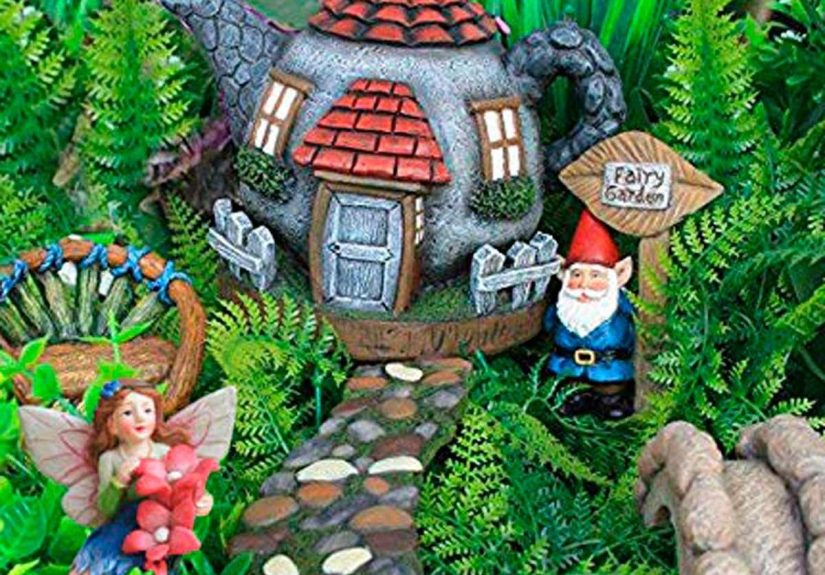
If fairy gardens had a greatest-hits album, the woodland cottage kit would be track one. This is the style most people imagine first: a tiny house, a curved path, a few woodland animals, mushrooms, perhaps a bench, and enough rustic charm to make even a full-grown adult whisper, “Okay, that is ridiculously cute.”
This type of fairy garden kit works beautifully in containers, raised planters, and shaded corners of the yard. It is especially strong for beginners because the theme is easy to understand and forgiving to decorate. Moss, bark, pebbles, and low-growing greenery all fit naturally into the look. You do not need to overthink it. If it looks like a fox might stroll by and politely pay rent, you are on the right track.
Why it enchants
Woodland kits feel timeless. They create that storybook effect people love, and they pair well with miniature plants, natural textures, and earthy colors.
2. The Terrarium Fairy Garden Starter Kit
For people who want their fairy garden to look a little more polished and a little less “I built this next to the hose,” the terrarium fairy garden starter kit is a winner. These kits are often built around glass containers and layered materials like gravel, charcoal, moss, and potting mix. The result is compact, decorative, and ideal for shelves, desks, side tables, and covered patios.
This style is perfect for indoor fairy garden fans because it turns the whole project into living décor. It is also fantastic for apartments or homes without much outdoor space. A terrarium kit gives your miniature garden a neat visual frame, which makes even a small design look intentional. The trick is choosing the right plants for the environment. Open terrariums tend to work better for succulents and arid-loving plants, while closed or humid setups are better for tropical miniatures.
Why it enchants
Everything looks more magical behind glass. A terrarium fairy garden feels like a tiny world under protection, as though the fairies signed a long-term lease.
3. The Live-Plant Fairy Garden Kit
Some fairy garden kits focus mainly on figurines, but live-plant kits are where the magic really starts to feel alive. These sets often include planting materials and a curated group of small plants that are suited to miniature landscapes. That matters because scale is everything. A giant plant can make your fairy house look like it is about to be eaten by a jungle.
Low-growing, fine-textured plants are especially popular for this style. Moss-like groundcovers, tiny ferns, and slow-growing varieties help create the illusion of a full-size landscape in miniature. This makes live-plant kits ideal for gardeners who want more than a decorative scene. They want something that grows, changes, and rewards a little care over time.
Why it enchants
The garden evolves. A live-plant fairy setup becomes more charming as it fills in, softens around the edges, and starts looking like it has been there forever.
4. The Fairy Door and Hidden Entrance Kit
This is the kit for dreamers, tree-lovers, and anyone who has ever looked at the base of an old trunk and thought, “A tiny front door belongs here.” Fairy door kits usually include a decorative door, windows, lantern-style accents, and sometimes glow-in-the-dark or illuminated features. They are often used on tree trunks, fence lines, large pots, or garden walls.
What makes this type special is that it invites imagination more than any other design. Rather than building an entire miniature village, you create the suggestion of one. You are not showing the whole story. You are hinting that something magical exists just out of sight. That is a strong design trick, and it works for both children and adults.
Why it enchants
It feels like a secret. A fairy door is a one-piece shortcut to wonder, and honestly, that is excellent value.
5. The Glow-in-the-Dark Fairy Kit
Glow-in-the-dark kits add nighttime drama, which is a phrase that sounds far more intense than it is. In reality, these kits are playful, cheerful, and especially popular with kids. They often feature glowing doors, tiny pathways, luminous mushrooms, or solar-style accents that make the display come alive in the evening.
This style is especially useful if your fairy garden lives on a porch, patio, or child’s room shelf. During the day it is cute. At night it becomes a mini scene with real visual impact. It is also one of the easiest ways to make a fairy garden feel interactive without turning it into a full electronics project.
Why it enchants
Because fairy gardens should not clock out at sunset. A little glow goes a long way.
6. The Kids’ Paint-and-Decorate Fairy Garden Kit
Not every fairy garden needs to look like it was art-directed for a boutique gift catalog. Some should be joyful, messy, colorful, and proudly built by small hands. That is where paint-and-decorate kits shine. These are often designed as creative craft projects first and gardening projects second, with paintable accessories, simple figurines, and easy assembly.
They are great for birthday gifts, rainy weekends, classroom crafts, or family projects that do not require a lecture on soil chemistry. The best versions still include enough real garden charm to feel like more than a toy. Once painted and arranged, they can be placed in pots, window boxes, or small planters to create a finished display kids actually feel proud of.
Why it enchants
It turns gardening into play. Also, no one is going to complain that the mushroom is purple if a seven-year-old is in charge. That is called artistic vision.
7. The Accessory Mega Kit
Some people do not want a starter kit. They want options. Lots of options. The accessory mega kit is made for that personality type. These sets often include dozens of pieces: tiny animals, houses, benches, fences, signs, bridges, mushrooms, stepping stones, ponds, and more. If you enjoy arranging, re-arranging, and then re-arranging again because the squirrel “doesn’t feel emotionally balanced next to the mailbox,” this is your kit.
Accessory-heavy kits are ideal for customizing a display or refreshing an existing fairy garden without rebuilding the entire thing. They also work well for seasonal decorating. You can swap in different details for spring, summer, Halloween, or winter and keep the same container base year-round.
Why it enchants
Variety. A large accessory collection gives you the freedom to tell a more detailed story and change it whenever inspiration strikes.
8. The Solar Fairy House Outdoor Kit
Outdoor fairy gardens need a little toughness. Rain, wind, sun, and curious squirrels are not known for their respect toward delicate décor. That is why solar fairy house kits are so appealing. They tend to use weather-friendly materials and include light-up house features that create extra charm after dark.
This kind of kit is best for porches, patios, flower beds, or tucked-away border gardens. It brings a decorative garden-statue quality to the fairy trend, which is perfect for adults who want whimsy without making the yard look like a toy aisle exploded. Choose this style if you want your miniature garden to survive outside and still have a little theatrical flair at dusk.
Why it enchants
It gives your garden a glow-up. Literally.
9. The Farmhouse or Cottagecore Fairy Kit
If your aesthetic preferences lean toward cottage gardens, old teacups, weathered wood, and things that look like they belong in a baking show tent, this is your fairy garden lane. Farmhouse and cottagecore kits usually feature softer colors, rustic pathways, tiny signs, quaint seating, and cozy house details that feel less fantasy-castle and more “tiny countryside retreat.”
These kits are especially pretty with herbs, trailing plants, miniature roses, and gentle color palettes. They also photograph beautifully, which matters if your fairy garden is destined for social media, holiday décor, or giftable home styling.
Why it enchants
It feels warm and nostalgic. Not every fairy wants a mushroom throne. Some just want a charming little cottage and decent landscaping.
10. The DIY Mix-and-Match Fairy Garden Kit
Technically, this is less one kit and more a kit strategy, but it deserves a spot on the list because it is often the smartest option. A DIY mix-and-match fairy garden combines a planting or terrarium base with a separate accessory set and one defining focal piece, such as a fairy house, a door, or a bridge. This approach lets you create a more personal design without starting from absolute scratch.
It is the best choice for adults who care about style, gardeners who already have containers at home, and anyone who wants their display to feel custom instead of cookie-cutter. It also solves a common problem with all-in-one sets: sometimes one part is lovely and the rest is just filler. Building your own combination helps you spend money on the pieces that actually matter.
Why it enchants
You get control. The final result looks more unique, more curated, and often more beautiful than a one-box solution.
How to Choose the Right Fairy Garden Kit
Before buying, ask yourself a few practical questions. Is the garden going indoors or outdoors? Do you want real plants or a decorative-only display? Is this for an adult hobbyist, a child, or a shared family project? Do you want a polished terrarium look or a playful mini landscape packed with accessories?
For indoor setups, terrarium kits and compact container kits are usually the strongest choices. For outdoor use, weather-resistant resin pieces and solar accents make more sense. For children, choose kits with simple assembly, larger pieces, and strong visual payoff. For adults, look for flexible kits with natural materials, subtle color palettes, and room to personalize.
And whatever you choose, remember this golden rule: miniature does not mean maintenance-free. Even the prettiest fairy garden still needs the basics of good gardening. That means appropriate light, smart watering, healthy drainage, and plants that will not outgrow the scene in a single dramatic week.
Final Thoughts on the Most Enchanting Fairy Garden Kits
The best fairy garden kits are not just cute purchases. They are invitations to slow down, design something playful, and bring a little imagination into everyday spaces. Whether you choose a classic woodland cottage kit, a sophisticated terrarium fairy garden, a kids’ paint-and-display set, or a weatherproof solar fairy house, the real magic is in how the kit helps you tell a story.
That story might be whimsical, elegant, funny, rustic, mysterious, or wonderfully over-the-top. There is no single correct version of a fairy garden. There is only the version that makes you smile when you pass by it. And in a world full of practical purchases, a tiny enchanted village is a pretty delightful rebellion.
Fairy Garden Experiences: What It Actually Feels Like to Build One
There is something unexpectedly calming about building a fairy garden, and that may be the biggest reason these kits keep charming people of all ages. At first, it seems like a simple craft or gardening project. You open a box, sort through the tiny pieces, and tell yourself this will be a quick little activity. Then you find yourself spending fifteen minutes deciding where the miniature bench should go because the fairies, obviously, deserve a better view of the pebble pond.
The experience usually starts with curiosity and turns into focus. Even people who do not think of themselves as “creative” tend to get pulled in by the small scale. Tiny objects make design feel less intimidating. Moving a full-size garden bed is exhausting. Moving a tiny resin mushroom three inches to the left feels like artistic triumph. Fairy garden kits make it easy to experiment because the stakes are delightfully low and the rewards are immediate.
For adults, the process can feel surprisingly therapeutic. You work with texture, color, shape, and story all at once. Moss softens the layout, pebbles create structure, and one tiny door can suddenly give the entire setup a plot. It is decorating, gardening, and storytelling in one neat package. Many people start with the idea of making a cute tabletop display and end up with a hobby that scratches the same itch as crafting, arranging flowers, or styling a room.
For kids, the appeal is different but just as strong. Fairy garden kits turn imagination into something visible. Children do not just hear a story; they build one. A path becomes a route for adventure. A little bridge means someone is crossing somewhere important. A tiny house means there is a tiny life happening just out of view. The project invites make-believe in a way screens simply cannot match. Better yet, when real plants are involved, the garden keeps changing, which gives children something ongoing to observe and care for.
Another common experience is that fairy gardens become conversation pieces. Guests notice them. Neighbors ask about them. Grandparents adore them. Children check on them. Adults who normally do not care about decorative details will somehow have very specific opinions about where the tiny hedgehog belongs. Fairy gardens create interaction because they invite people closer. Big garden design is admired from a distance. Fairy gardens are examined nose-first, with curiosity.
Perhaps the most enchanting part is that no two people build the same one. Give ten people the same fairy garden kit and you will get ten different miniature worlds. One person creates a tidy cottage path. Another builds a wild woodland escape. Someone else goes full sparkle-and-mushroom chaos. That flexibility is what makes the experience memorable. A fairy garden kit may come with supplies, but the finished world always reflects the personality of the person building it. And that is the real magic: not just owning something charming, but creating something that feels quietly, wonderfully your own.