Table of Contents >> Show >> Hide
- Why Bobby Nash’s Death Hit So Hard
- The Season 9 Preview That Reopened the Wound
- Why Fans Think a Bobby Return Still Makes Sense
- Why the Show May Be Resisting the Miracle Button
- What Season 9 Has Done Instead
- Angela Bassett, Fan Speculation, and the Hope Machine
- What “Bring Bobby Back” Really Means
- Can Bobby Ever Really Return?
- Experiences Fans Relate to When a Show Loses Its Emotional Center
- Conclusion
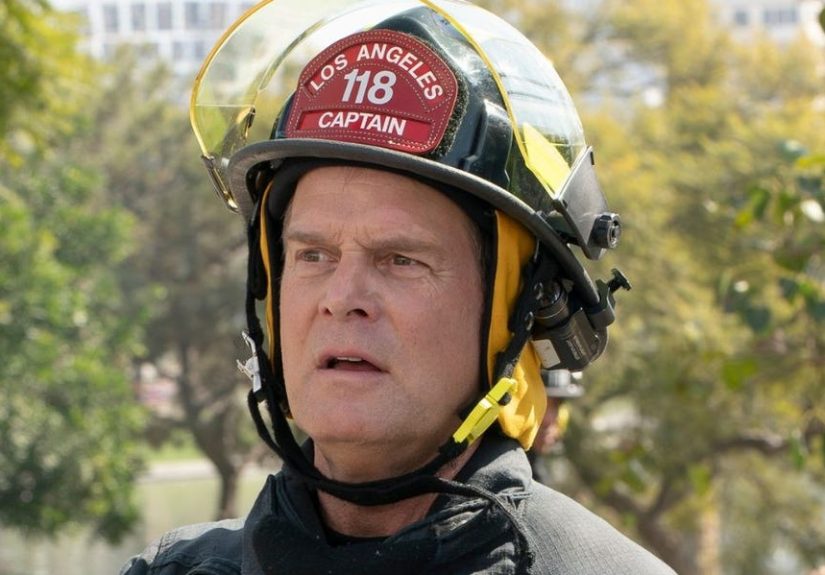
Some TV deaths make viewers sad. Others make them stare at the screen like the smoke alarm just started chirping at 3 a.m. for absolutely no reason. Bobby Nash’s exit on 9-1-1 landed in the second category. The longtime captain of Station 118 was not just another character on a hit network drama. He was the steady hand, the moral center, the calm in the middle of a disaster that usually involved a freeway pileup, a sinking cruise ship, or a rescue so chaotic it somehow made total sense in the world of this show.
So when Bobby died in Season 8, fans did what devoted television fans do best: they grieved, theorized, argued, bargained, and then marched straight to social media with one very clear request for Season 9 bring him back. Not in a subtle way. Not in a maybe-eventually sort of way. They wanted Bobby back, period. And once first-look Season 9 images showed the series honoring him with a memorial at Station 118, the online reaction was loud enough to make every siren in Los Angeles sound under-rehearsed.
The plea to bring Bobby back says a lot about the power of 9-1-1, the way audiences connect with long-running TV characters, and the very tricky line a show must walk when it decides to break viewers’ hearts on purpose. Because while fans may be asking for a miracle, the series appears to be doing something more complicated: refusing to erase Bobby’s sacrifice while still keeping his presence alive over the show’s future.
Why Bobby Nash’s Death Hit So Hard
For eight seasons, Bobby Nash was the emotional anchor of 9-1-1. Yes, the series is built on spectacular emergencies and giant, adrenaline-fueled set pieces. But underneath the exploding buses and gravity-defying rescues, the show has always worked because of its found family. Bobby was the captain in every sense of the word. He led the team professionally, but he also acted as the guy who held the house together when everyone else was spiraling, clashing, grieving, or making spectacularly questionable life choices.
That role matters. In ensemble dramas, some characters generate chaos and others absorb it. Bobby absorbed it. He was a firefighter, a husband, a mentor, and, in many ways, the soul of Station 118. His relationship with Athena gave the show one of its most grounded emotional pillars, while his bond with Buck, Hen, Chimney, and Eddie created the kind of workplace family viewers actually believe in.
That is exactly why his death landed like a wrecking ball. Bobby did not drift quietly out of the story. He died heroically, sacrificing himself during a crisis so Chimney could live. On paper, that is the kind of exit writers often call meaningful. In practice, it also shattered the structure of the series. Fans were not just losing a character they liked. They were losing the person who made the show feel stable, compassionate, and whole.
And when a character like that goes down, viewers do not immediately say, “What an elegant dramatic choice.” They say, “Absolutely not.”
The Season 9 Preview That Reopened the Wound
Months after Bobby’s death, the show released a first look at Season 9 that revealed how Station 118 planned to honor him. The firehouse was memorialized in Bobby’s name, a tribute meant to show that his sacrifice still matters and that his legacy lives on even though he is gone. It was a thoughtful move. It was also the exact kind of image guaranteed to send fans back into the comments section like a rescue unit responding to an emotional five-alarm fire.
Viewers did not read that memorial plaque and say, “Lovely closure.” Many read it and basically replied, “Closure? We reject your closure.” Commenters pleaded for the show to reverse course, with variations of “Bring Bobby back” and even “No Bobby, no Season 9.” That reaction was not just random internet drama. It reflected a real gap between what the writers intended and what a large part of the audience was emotionally ready to accept.
That disconnect is fascinating. In the writers’ room, honoring Bobby probably feels respectful. In the fandom, honoring Bobby can feel a little like decorating the room after stealing the furniture. Fans were moved by the gesture, sure, but plenty of them still wanted the man himself, not just the plaque.
Why Fans Think a Bobby Return Still Makes Sense
To outsiders, the demand to bring Bobby back might sound unrealistic. To 9-1-1 fans, it sounds almost perfectly on-brand. This is a series where impossible emergencies happen before the first commercial break and human beings survive situations that would make a physics teacher quietly leave the room. The show has never sold itself as a grim exercise in realism. It sells emotion, spectacle, and the idea that hope can show up even after everything seems completely broken.
That history matters because it shapes audience expectation. When a series has trained viewers to expect the outrageous, fans naturally assume that “dead” may not always mean dead dead. Add in the fact that TV audiences have decades of experience with fake-outs, dream twists, hidden survivors, flashbacks, hallucinations, and last-minute reversals, and it becomes easy to see why so many people kept the Bobby theories alive.
There is also the emotional logic of it. Fans do not really want Bobby back just because they enjoy plot acrobatics. They want him back because the emotional math of the show feels off without him. Buck without Bobby’s guidance hits differently. Athena without Bobby changes the show’s emotional temperature. Station 118 without its captain can still function, but for many viewers it no longer feels like the same home.
That is why the fan campaign has been so intense. It is not just about rejecting sadness. It is about restoring balance.
Why the Show May Be Resisting the Miracle Button
Here is the other side of the argument, and it is a fair one. If 9-1-1 brings Bobby back too easily, then his death stops meaning anything. His sacrifice for Chimney becomes a temporary stunt instead of a permanent act of love and duty. The grief that reshaped Athena and the team becomes dramatically hollow. The memorial, the funeral, the mourning, the tears all of it risks feeling like a detour instead of a turning point.
That is likely why the series seems committed to preserving Bobby’s legacy rather than undoing it. The creative team appears to understand that his death was devastating precisely because it mattered. If the show now says, “Good news, everyone, never mind,” then it may win back a few celebratory tweets while losing the emotional weight that made the story land in the first place.
There is also something respectful in letting Bobby’s heroism stand. His final act was designed as a tribute to first responders who make impossible choices under pressure. In that light, Season 9’s effort to honor him is not just sentimental set dressing. It is the show trying to say that Bobby’s story still counts, even if the audience would happily sign a petition written entirely in all caps to reverse it.
What Season 9 Has Done Instead
Rather than resurrecting Bobby outright, Season 9 has leaned into remembrance. The station tribute frames him as someone whose presence continues to shape the 118. That approach lets the series acknowledge a basic truth about grief: losing someone does not remove them from the room emotionally. It just changes the way they are there.
That may not be the twist fans were begging for, but it is a meaningful storytelling choice. Instead of pretending the team can move on in two episodes and a pep talk, the show has made Bobby’s absence part of the architecture of the season. Athena still carries him. The house still carries him. The audience definitely carries him. In that way, Bobby has not disappeared from 9-1-1 so much as evolved from central character into central memory.
And yes, for some viewers, that still feels like being handed a beautifully framed photo when what they asked for was the actual person. But it does give the show a chance to explore how a family rebuilds after losing the one person who always knew where the emotional fire extinguisher was located.
Angela Bassett, Fan Speculation, and the Hope Machine
Another reason the “Bring Bobby back” campaign has stayed so strong is that the conversation around the show never completely shut the door on fan hope. Angela Bassett openly acknowledged that viewers, including people close to her, were upset and still asking whether Bobby could return. She did not promise anything, but she also spoke in a way that recognized the fans’ pain rather than dismissing it.
That matters more than it may seem. In fandom culture, absolute certainty kills speculation. Ambiguity feeds it. The moment cast members start saying they understand why fans are upset, or that they too are wondering, or that Bobby’s memory will remain important, the hope machine roars back to life. Suddenly every first-look image, every interview, every teaser, and every episode title becomes evidence in a giant internet courtroom where the case of Bobby Nash v. Permanent Death is never fully closed.
And honestly, can you blame the fans? Television has trained viewers to mistrust finality. If there is no body on screen, if there are future flashbacks, if the cast still talks about the character with aching affection, if the story keeps circling the loss, people will keep asking whether a door is still cracked open somewhere.
What “Bring Bobby Back” Really Means
At the deepest level, fans begging for Bobby’s return are expressing more than plot preference. They are defending what they believe 9-1-1 is supposed to feel like. Bobby represented order, warmth, accountability, and moral clarity. He was the person who could turn a room full of chaos into a family meeting. He was the rare TV authority figure who felt both believable and deeply human.
So when fans say “Bring Bobby back,” many of them are also saying: bring back the heart of the show as we know it. Bring back the dynamic that made Station 118 feel safe even when the world around it was on fire. Bring back the emotional center that helped the series balance ridiculous emergencies with genuine humanity.
That is why the request has endured. It is not a passing complaint. It is a statement about identity. Viewers are telling the show what they loved most about it, and Bobby Nash is sitting right in the middle of that answer.
Can Bobby Ever Really Return?
In television, “never” is a risky word, especially in a franchise that knows how to stage an outrageous reveal. But based on how Season 9 has framed Bobby so far, the show seems more interested in preserving the meaning of his sacrifice than engineering a full-scale resurrection. That does not eliminate every possible appearance. Flashbacks, memories, dream sequences, or emotional callbacks can still keep Peter Krause’s presence woven into the fabric of the series.
A full undo, though, would come with a cost. It would satisfy the immediate emotional craving, but it might also make the entire Bobby arc feel less brave, less painful, and less true. Ironically, the very reason fans want him back because he mattered so much may be the reason the show is being careful not to hit the reset button too fast.
For now, the most honest answer is this: fans may want Bobby back in body, but the show is bringing him back in spirit. That is not the same thing, and for some viewers it never will be. Still, it explains why the debate refuses to die.
Experiences Fans Relate to When a Show Loses Its Emotional Center
One reason this story has resonated so strongly is that many viewers know the feeling even outside of television. Most people have experienced a space that changed completely after one person was no longer there. It could be a family dinner after a grandparent passes away, an office after a beloved boss retires, a school after a favorite teacher leaves, or even a friend group after the peacemaker moves away. The room still exists. The chairs are all still there. Everybody technically shows up. But the energy is different, and no one can quite pretend otherwise.
That is exactly the emotional experience many 9-1-1 fans have described in their own way. Watching Station 118 without Bobby can feel a lot like returning to a familiar house and immediately noticing that something essential is missing. The walls are the same. The people are mostly the same. But the atmosphere has changed. For long-time viewers, Bobby was not background decoration. He was the rhythm of the room.
There is also the very specific fan experience of watching a weekly series become part of your routine. People do not just consume a show like 9-1-1; they build habits around it. They watch live, text friends during commercial breaks, debate theories online, send reaction memes, and spend months discussing cliffhangers. When a major character disappears, it can feel strangely personal because the show itself has become part of ordinary life. That emotional investment is real, even if it happens through a screen.
Another relatable part of this reaction is the bargaining stage. Anyone who has followed a beloved fictional character through seasons of danger knows the mental gymnastics. Maybe it was staged. Maybe there is a twist. Maybe next week will explain everything. Maybe that interview quote was intentionally vague. Fans become detectives because hope is easier to carry than acceptance. In a funny way, that detective work becomes its own shared experience. Entire communities form around the possibility that a favorite character is not truly gone.
And then there is the social media effect. Years ago, fans would grieve separately in their living rooms. Now they grieve together, loudly, instantly, and with screenshots. One fan types “Bring Bobby back,” another adds three crying emojis and a fire truck, and suddenly thousands of people realize they are not reacting alone. That collective energy can turn heartbreak into a movement. It can also keep a storyline alive far longer than a network ever expected.
What makes the Bobby response especially interesting is that it mixes grief with admiration. Fans are upset because they miss him, but they are also upset because they know exactly what he meant to the series. Their reaction is a weirdly moving compliment. Nobody launches a campaign this passionate for a character who was merely fine. They do it for the character who held the show together when everything else went off the rails.
So in the end, the cry to bring Bobby back is not just fandom noise. It is an experience many viewers recognize: the refusal to casually let go of someone who made a place feel like home. Whether the show ever grants that wish or not, the response proves Bobby Nash mattered in the biggest way television characters can matter he made people feel like they knew exactly where they belonged, and they noticed immediately when that anchor was gone.
Conclusion
9-1-1 fans begging the series to bring Bobby back in Season 9 is not just a reaction to one shocking plot twist. It is a testament to how deeply Bobby Nash was woven into the DNA of the show. His death gave the series one of its boldest emotional turns, but it also created a challenge that still defines the conversation around the drama: how do you move forward after losing the character who made the chaos feel human?
So far, the answer seems to be memory, tribute, and grief rather than miracle reversal. Whether fans eventually accept that choice is another matter entirely. One thing is certain: Bobby may be gone from the firehouse floor, but in the minds of viewers, he is still very much standing at the center of Station 118, probably telling everyone to calm down while the internet absolutely refuses to do that.