Table of Contents >> Show >> Hide
- Why This Dish Soap Is Getting So Much Attention
- What Makes Grease So Annoying in the First Place?
- How Dish Soap Helps a Space Stay Fresher Longer
- Where This Kind of Dish Soap Works Best
- How to Use It Like a Smart Person and Not a Soap Goblin
- What This Dish Soap Will Not Do
- How to Get the “Fresher for Longer” Effect
- So, Is It Worth Buying?
- Everyday Experiences With a Grease-Cutting Dish Soap
- Conclusion
Note: This article is based on current real-world cleaning guidance and product information from reputable U.S. sources, formatted for direct web publishing, and cleaned of unnecessary reference artifacts.
Some products quietly do their job and go home. Others become the main character of your sink area. Right now, one of the loudest overachievers in the cleaning aisle is a grease-cutting dish soap like Dawn Powerwash or Dawn Platinum, and honestly, the hype makes sense. When a formula can tackle oily pans, sticky splatter, cloudy residue, and that mysterious “why does my kitchen still smell like last night’s stir-fry?” problem, it stops being just dish soap and starts feeling like a household shortcut.
The secret is not magic, even though it sometimes looks suspiciously close. Grease-cutting dish soaps are designed to break up oily residue fast, which matters because grease is the clingiest roommate in your home. It sticks to pans, cabinet fronts, backsplashes, sink walls, trash can lids, and even the top of your stove hood. Then dust lands on it. Then food smells settle into it. Then your kitchen starts giving “busy diner at closing time” when you were aiming for “fresh, clean, and mildly impressive.”
If you want a single product that earns its spot beside the faucet, this is the category to watch. And if you want the short version, here it is: a strong dish soap can absolutely help a space stay fresher longer, not because fragrance alone saves the day, but because removing greasy buildup gets rid of the sticky film that traps grime and odors in the first place.
Why This Dish Soap Is Getting So Much Attention
Dish soap has always been a kitchen staple, but newer grease-focused formulas have changed how people use it. Instead of saving the product just for plates and forks, many households now use it as a fast first step for everyday kitchen cleanup. That is especially true with spray versions, which cling to surfaces and give the soap a little dwell time before you wipe.
That matters more than most people realize. Traditional cleanup often fails because we rush it. We splash water, swipe once, and act surprised when the pan still feels slick. A stronger dish soap works better because it starts breaking down grease almost immediately. Give it a minute or two, add warm water, and suddenly the crusty skillet that looked emotionally unavailable is willing to cooperate.
Dawn Powerwash gets the most buzz because it is fast, convenient, and made for that exact “I do not want to soak this until tomorrow” moment. Dawn Platinum liquid is another strong pick for heavy, greasy messes. Both formulas lean into what people actually want from dish soap: less scrubbing, less residue, and less lingering kitchen funk.
What Makes Grease So Annoying in the First Place?
Grease is stubborn because oil and water are not natural friends. If you have ever tried rinsing a buttery pan with plain water, you already know the plot twist: the grease laughs and stays put. Dish soap helps because it contains surfactants, which act like tiny go-betweens. They help water mix with oily messes so the residue can lift away instead of hanging around like it pays rent.
That is why warm water and dish soap work so well together. The warmth softens greasy buildup, while the surfactants get busy breaking it apart. Add a microfiber cloth, soft sponge, or non-scratch scrubber, and the job becomes much easier. No drama, no wrestling match, and ideally no pan that still feels like it just came out of a deep fryer.
Grease also has a bad habit of spreading beyond the obvious mess. It travels in tiny cooking particles and settles on nearby surfaces. Over time, that turns cabinet fronts tacky, backsplashes dull, and range hoods sticky. The result is not just an ugly film. It is a magnet for dust, crumbs, and odors. That is the real reason a grease-cutting dish soap can make a room feel fresher for longer: it removes the layer that helps stale smells stick around.
How Dish Soap Helps a Space Stay Fresher Longer
A clean-looking space is nice. A clean-smelling space is better. And the difference often comes down to residue. Greasy buildup does not always scream for attention the way a pile of dirty dishes does. Sometimes it just quietly collects on hard surfaces and starts holding onto food smells, cooking vapors, and dust.
When you wipe down those surfaces with a strong dish soap solution, you are doing more than polishing appearances. You are removing the sticky film that helps odors settle and linger. Think about the usual problem areas: the backsplash behind the stove, the cabinet doors near the cooktop, the microwave handle, the sink basin, the faucet base, and the outside of the trash can. These are not glamorous spots, but they are major contributors to that “something smells off in here” mystery.
This is where dish soap earns a promotion. Used regularly, it can help stop grime from building up into a full-blown science project. The room stays fresher between deep cleans because the smell-holding residue never gets too comfortable.
Where This Kind of Dish Soap Works Best
1. Frying pans and sheet pans
This is the obvious one, but it is worth saying. A grease-cutting soap shines on cookware with oil, butter, sauces, and baked-on residue. Spray or apply the soap, let it sit briefly, then scrub and rinse. The difference is especially noticeable on skillets after bacon, roasted vegetables, or anything involving cheese that clearly had big ambitions.
2. Stovetops and backsplashes
A little dish soap mixed with warm water is one of the simplest ways to handle everyday splatter. It is especially helpful when grease has not yet turned into a fossil. Use a non-abrasive sponge or microfiber cloth, work from top to bottom, and dry the surface after wiping so you do not leave streaks behind.
3. Cabinet fronts and handles
Kitchen cabinets collect more grime than most people realize, particularly around pulls, knobs, and lower corners. A damp cloth with a few drops of mild, grease-cutting dish soap can lift the residue without being overly harsh. Just do not soak wood or leave excess moisture sitting on the finish.
4. Sink walls and faucet bases
If your sink smells weird even after the dishes are gone, the culprit may be residue around the basin, drain edge, or faucet base. Dish soap helps loosen grime, while a second pass with baking soda or a gentle scrub can help neutralize lingering odor. Drying the area afterward makes a surprising difference in how clean it feels.
5. Trash can lids and nearby surfaces
This is an underrated move. Even if the bag is changed regularly, the lid and rim can hold onto invisible grease and food residue. A quick wash with dish soap and warm water can make the whole corner feel less “garbage adjacent” and more “yes, I have my life together.”
How to Use It Like a Smart Person and Not a Soap Goblin
You do not need half a bottle to get good results. In fact, the best routine is simple:
- Remove crumbs, dust, or loose debris first.
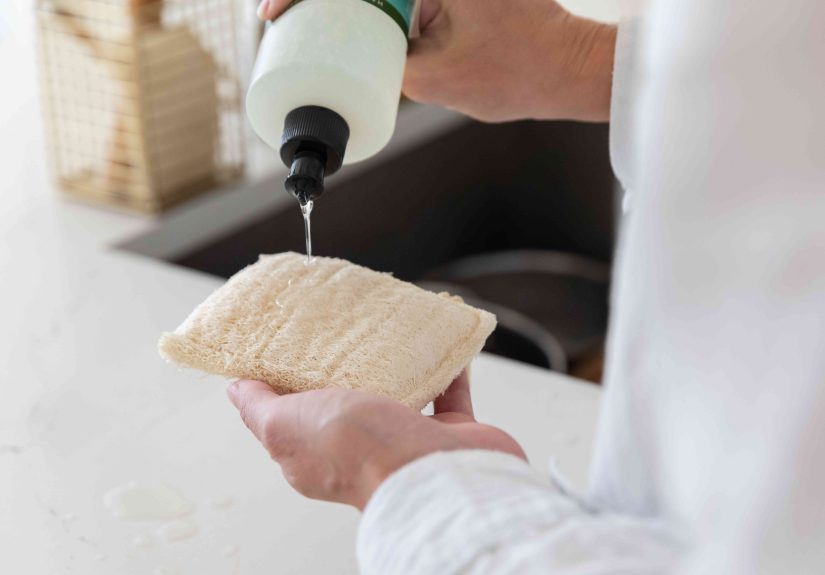
- Apply the soap directly or dilute a few drops in warm water, depending on the surface.
- Let it sit for a minute on greasy areas.
- Wipe with a soft cloth, sponge, or non-scratch scrubber.
- Rinse or wipe with clean water if needed.
- Dry the surface to prevent streaks and help the room feel truly finished.
That last step gets ignored far too often. Drying surfaces matters because damp residue can attract more dust and leave that slightly tacky “almost clean” feeling. Clean and dry is the winning combo.
What This Dish Soap Will Not Do
Let us keep it honest. Even the best dish soap is not a superhero cape in a bottle.
It is not a disinfectant. If you need to sanitize after raw meat or illness, use an appropriate product for that job. It is also not ideal for every surface in the house. Some natural stone surfaces, especially marble, can be fussy. Certain wood finishes do better with gentler, lower-moisture cleaning. And despite what desperate laundry emergencies may tempt you to do, dish soap does not belong in a washing machine unless you enjoy bubbles with strong opinions.
In other words, use it where it makes sense: dishes, greasy kitchen surfaces, and many washable hard surfaces. Just test first when the material is delicate, porous, or easy to damage.
How to Get the “Fresher for Longer” Effect
If your goal is not just a cleaner kitchen but a fresher one, pair your dish soap routine with a few small habits:
- Wipe greasy surfaces before buildup hardens.
- Use the vent hood when cooking.
- Cover splattery pans when possible.
- Clean sink walls and faucet bases, not just the drain.
- Wash trash can lids and rims regularly.
- Dry surfaces after cleaning so moisture does not invite new grime.
These habits are not glamorous, but they work. The kitchen smells better because the odor sources are handled early, not masked later with a lemon candle that is fighting for its life.
So, Is It Worth Buying?
If you cook often, yes. If you fry food, definitely yes. If your kitchen gets sticky faster than you can pretend not to notice, absolutely yes. A high-performing dish soap, especially a grease-focused formula, is one of those rare cleaning products that feels useful every single day.
The best choice depends on your priorities. If you want speed and convenience, a spray formula like Dawn Powerwash is hard to beat. If you prefer a traditional squeeze bottle for everyday dishes and pans, Dawn Platinum is a solid option. If fragrance is not your thing, a free-and-clear or lighter-scent formula may fit better. The important part is not the trendiness of the bottle. It is the grease-cutting performance and how consistently you use it.
Because that is the real headline here: the right dish soap does not just clean your dishes. It helps reset the whole mood of your kitchen.
Everyday Experiences With a Grease-Cutting Dish Soap
One of the most noticeable experiences people describe after switching to a stronger dish soap is that cleanup feels less delayed. Instead of leaving pans to soak “for a little while” and rediscovering them six business hours later, they handle the mess right away because the soap actually gives them a fighting chance. That changes the rhythm of the kitchen. Dinner ends, dishes get done faster, counters get wiped, and the room feels closed out for the night instead of halfway through a second shift.
Another common experience is that surfaces feel different, not just look different. A stovetop that has been cleaned with a grease-cutting formula loses that faint tackiness most people do not notice until it is gone. Cabinet handles feel smooth. The area around the sink stops feeling slightly grimy. Even the trash can lid becomes less offensive, which is a sentence no one wants to write but many people need to live.
There is also the smell factor. People often assume a kitchen smells fresher because of fragrance alone, but the bigger change usually comes from removing the film that holds onto old food odors. After wiping down the backsplash, sink, microwave handle, and nearby counters with a good dish soap solution, the room often smells more neutral, which is a weirdly luxurious outcome. Not “fake lemon storm,” not “perfume trying to cover onions,” just clean. That kind of freshness tends to last longer because the source of the odor has been reduced rather than decorated.
Busy households notice the difference even more. In homes where multiple people cook, snack, reheat leftovers, and somehow create three pans for one egg, a good dish soap becomes a traffic-control tool. It keeps messes from stacking up into a greasy mountain. Parents appreciate that it works quickly. Apartment dwellers appreciate that it helps a small kitchen feel less stuffy. People who cook a lot of garlic, seafood, fried foods, or rich sauces appreciate that the smell does not linger like an unwanted guest.
Then there is the emotional side of it, which cleaning people rarely admit out loud. A product that works well makes you less annoyed. That counts. When a pan rinses cleaner, when the sink smells normal again, when the backsplash wipes down without a full upper-body workout, you feel oddly competent. The kitchen stops feeling like evidence and starts feeling like a room you can enjoy again.
Of course, no soap eliminates every chore. You still have to wipe, scrub, rinse, and occasionally face the terrifying top of the fridge. But the experience of using a better dish soap is that it removes friction from the routine. The mess seems more manageable. The room recovers faster. And the payoff is not just shiny cookware. It is a cleaner, calmer, fresher-feeling space that stays pleasant longer between deep cleans.
Conclusion
If there is one simple upgrade that can make everyday kitchen cleanup easier, it is a genuinely effective grease-cutting dish soap. A formula like Dawn Powerwash or Dawn Platinum works because it targets the mess that causes the most frustration: oily residue that clings to pans, spreads to nearby surfaces, and helps odors hang around longer than welcome.
Used consistently, it does more than make dishes sparkle. It helps remove the sticky layer that makes kitchens feel dull, grimy, and stale. That means cleaner cookware, smoother surfaces, and a space that stays fresher between big cleaning sessions. No, it will not solve every household problem. But for one bottle sitting next to the sink, it pulls a surprisingly heroic amount of weight.