Table of Contents >> Show >> Hide
- Fridge and freezer basics that do 80% of the work
- Produce hacks: keep fruits and veggies fresh without babying them
- Bakery and grains: stop the mold, stop the staling
- Dairy and eggs: keep them cold, keep them steady, keep them sealed
- Meat, seafood, and leftovers: extend life without playing food-safety roulette
- Quick “what goes where” cheat notes
- Extra 500-word experiences: what it’s like to actually use these hacks in real life
Groceries have a secret hobby: turning into science projects the moment you look away. But most “food goes bad”
isn’t bad luckit’s a storage and timing problem. With a few small habits (and zero fancy gadgets), you can keep
produce crisp, dairy fresher, leftovers safer, and your budget noticeably happier.
The big idea is simple: slow down the things that speed spoilageheat, moisture, air, bruising, and time.
That means dialing in fridge and freezer temperatures, using the right containers, separating certain fruits
and veggies, and getting a little strategic about what you eat first. Think of this as a set of low-effort,
high-payoff movesbecause nobody has time for a PhD in Strawberry Management.
Fridge and freezer basics that do 80% of the work
Before we talk about any specific food, lock in the environment. A perfectly stored lettuce can’t win if your
fridge is basically a mildly cool closet.
Hacks 1–10: Temperature, airflow, and smart placement
-
Put a fridge thermometer inside and keep the fridge at 40°F (4°C) or below.
Many dials are more “vibes” than “numbers,” and a $5 thermometer can save a lot of food. -
Keep the freezer at 0°F (-18°C).
This slows quality loss and helps prevent freezer burnyour frozen food will taste like food, not regret. -
Don’t overstuff the fridge.
Cold air needs to circulate; a packed fridge creates warm pockets where items spoil faster. -
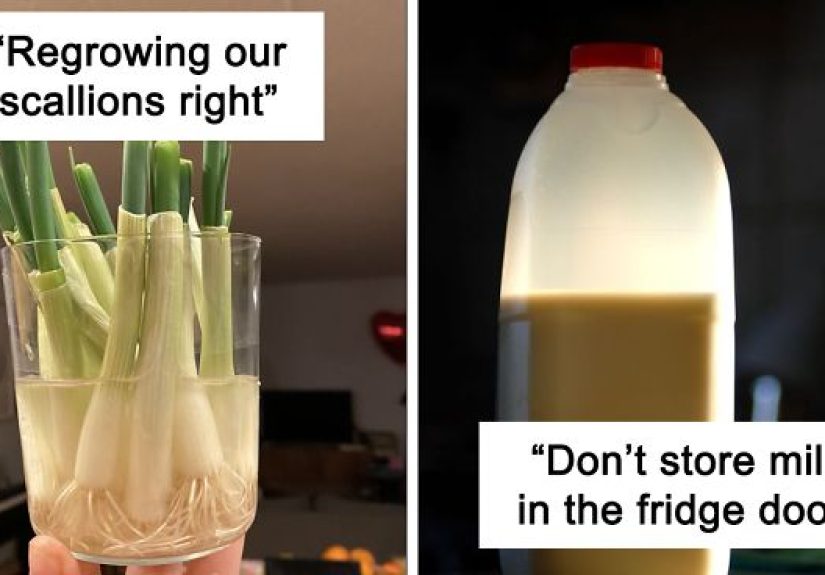
Use the door for condiments, not milk or eggs.
Door shelves warm up every time you open the fridge; stable temps help dairy and eggs last longer. -
Store raw meat on the bottom shelf on a tray.
This prevents drips onto ready-to-eat foods and keeps your fridge from becoming a cross-contamination carnival. -
Cool leftovers quickly in shallow containers.
Shallow containers chill faster, which helps food stay safe and keeps textures better. -
Label everything you freeze (and most things you refrigerate).
Add the date and what it is. “Mystery Brick, 2024” is not a meal plan. -
Create a “Eat Me First” bin on an eye-level shelf.
Put foods that need to be used soon in one spot so they don’t disappear behind a giant ketchup bottle. -
Wipe spills and crumbs weekly.
Sticky messes grow mold and smell weird; clean shelves help everything around them last longer, too. -
Plan your fridge openings.
Stand there deciding less. Grab what you need quickly. Temperature swings are tiny but constantand they add up.
Produce hacks: keep fruits and veggies fresh without babying them
Produce usually fails because of moisture (too much or too little), bruising, and ethylene gas (a natural ripening
hormone some fruits produce). The goal is to store items in a way that matches how they “breathe.”
Hacks 11–28: Ethylene, humidity, and simple produce storage wins
-
Separate ethylene producers from ethylene-sensitive produce.
Apples, bananas, avocados, peaches, pears, and tomatoes can speed up ripening of greens, cucumbers, and peppers. -
Use crisper drawers like they were designed on purpose.
High humidity helps leafy greens; lower humidity works better for many fruitsadjust the drawer slider if you have one. -
Don’t wash berries until you’re ready to eat them.
Extra moisture invites mold. Keep them dry, then rinse right before snacking or baking. -
Try the “berry jar” method: glass jar + paper towel.
Line a jar with a dry paper towel, add unwashed berries, close the lid, and refrigerate. Swap the towel if it gets damp. -
Give leafy greens a paper-towel “sleeping bag.”
Put greens in a container or bag with a paper towel to absorb condensation. Replace the towel when it feels wet. -
Store soft herbs like a bouquet.
Trim stems, stand cilantro/parsley in a jar with a little water, loosely cover with a bag, and refrigerate. Change water every few days. -
Keep basil like flowerson the counter, not the fridge.
Basil is cold-sensitive. Treat it like a countertop bouquet in water, loosely covered, away from direct sun. -
Use a paper bag for mushrooms.
Mushrooms hate trapped moisture. A paper bag breathes and helps them stay firm longer than plastic. -
Wrap celery (and sometimes cucumbers) to slow dehydration.
Celery stays crisp longer wrapped in foil; cucumbers often do better away from high-ethylene fruits and excess cold. -
Store asparagus upright like cut flowers.
Stand it in a jar with a little water and loosely cover the tops with a bag; refrigerate for better texture. -
Keep green onions upright in water.
A jar with an inch of water plus a loose bag over the top can keep them perky and usable for days longer. -
Let avocados ripen on the counterthen move to the fridge.
Refrigerating slows ripening. Once it hits your ideal softness, chill it to hold that “perfect” window longer. -
Prevent browning on cut apples or avocados with acid + airtight storage.
A little lemon or lime juice plus tight wrapping reduces oxidation (and the sad beige color no one asked for). -
Store tomatoes at room temperature until fully ripe.
Cold can dull flavor and change texture. If a tomato is getting too ripe, refrigerate briefly and use soon. -
Keep potatoes and onions far apart.
Onions release moisture and gases that can make potatoes sprout faster. Give them separate, cool, dark homes. -
Store onions and garlic somewhere dry and ventilated.
Think basket, mesh bag, or open binnot sealed plastic. Airflow matters. -
Use perforated produce bags (or poke small holes).
A little ventilation helps reduce trapped moisture while preventing dehydrationespecially in crisper drawers. -
Revive wilted greens with an ice-water soakthen dry thoroughly.
A short soak can restore crispness. Dry well before storing again, or you’ll trade wilt for slime.
Bakery and grains: stop the mold, stop the staling
Bread goes stale from moisture moving around, and it molds faster when stored warm and humid.
The fridge is surprisingly not your friend here.
Hacks 29–33: Bread, tortillas, and crunchy stuff
-
Freeze bread instead of refrigerating it.
The fridge speeds staling. Freeze the loaf, pull slices as needed, and toast straight from frozen. -
Pre-slice and freeze half the loaf the day you buy it.
You’ll actually finish the bread while it’s still goodfuture you will feel weirdly proud. -
Double-bag tortillas and freeze extras.
Tortillas freeze beautifully. Keep a small pack in the fridge and store backup in the freezer. -
Keep cereal, crackers, and chips in airtight containers.
Once opened, humidity is the enemy. Airtight storage keeps things crunchy longer and prevents “soft chip sadness.” -
Store rice and flour sealed, cool, and dry (and freeze for long-term).
Airtight containers help prevent pantry pests; freezing flour can extend quality and reduce rancid odors over time.
Dairy and eggs: keep them cold, keep them steady, keep them sealed
Dairy quality drops quickly with temperature swings and exposure to air. Eggs last longer when kept cold and
protected in their carton.
Hacks 34–38: Milk, cheese, yogurt, and eggs
-
Store milk on the back of a middle or lower shelf.
That’s one of the coldest, most stable spotsmuch better than the door where temps fluctuate. -
Return milk to the fridge fast (don’t let it “hang out”).
Pour, cap, back in. The longer it sits warm, the faster off-flavors and spoilage show up. -
Wrap cheese so it can breathe a little.
For blocks, use parchment or wax paper, then a looser outer wrap or bag. Too airtight can trap moisture and encourage mold. -
Add a paper towel to shredded cheese.
A small dry paper towel in the bag/container absorbs extra moisture, helping reduce clumping and slowing spoilage. -
Keep eggs in their carton on an interior shelf.
The carton reduces moisture loss and odor absorption, and the interior shelf avoids the door’s temperature swings.
Meat, seafood, and leftovers: extend life without playing food-safety roulette
When it comes to animal proteins, “lasting longer” should always mean “stored colder and safer,” not “let’s see
what happens.” Use cold temps, tight packaging, and the freezer strategically.
Hacks 39–45: Safe timelines, freezing smarter, and using what you have
-
Shop cold items last and get them home quickly.
If it’s hot out, use an insulated bag. Less time warm means longer time fresh. -
Keep meat in its package until you’re ready to use it.
Excess handling can introduce bacteria; store it on a plate or tray to catch drips. -
Freeze what you won’t cook within a couple days.
Portion into meal-sized packs, press out air, and freeze flat for faster freezing and easier stacking. -
Protect against freezer burn with double barriers.
Wrap tightly (plastic wrap or freezer paper), then place in a freezer bag. Air exposure is freezer burn’s best friend. -
Follow the 3–4 day rule for most leftoversand freeze the rest.
Eat refrigerated leftovers within a few days for best safety and quality; freezing buys you time. -
Chill soups, sauces, and cooked grains quickly and freeze in portions.
Cool in shallow containers, then freeze in measured amounts so you can thaw only what you need. -
Schedule a weekly “use-it-up” dinner.
Stir-fry, soup, fried rice, frittatas, or pasta are great for produce that’s slightly tired but still goodsaving food before it spoils.
Quick “what goes where” cheat notes
- Fridge door: condiments, pickles, juice, sodaitems that can handle small temperature swings.
- Back of fridge: milk, yogurt, leftoverscolder and steadier.
- Bottom shelf: raw meat on a traylowest drip risk.
- Crispers: use one for fruits, one for veggies when possiblehelps manage ethylene and humidity.
- Freezer: bread, extra meat, chopped onions/peppers, berries, herb cubesyour “pause button” for food.
Extra 500-word experiences: what it’s like to actually use these hacks in real life
The first time you try “make groceries last longer,” it can feel like you’re about to reorganize your entire life
using only mason jars and good intentions. But the funny thing is: the biggest changes don’t look dramatic. They
look like a fridge that makes sense. The kind where you open the door and don’t immediately say, “What is that?”
with the suspicious tone usually reserved for unidentified leftovers.
In a typical week, the easiest win is the “Eat Me First” bin. You toss in the spinach that’s starting to look a
little tired, the half tub of hummus, and the strawberries you swear were perfect yesterday. Suddenly your meals
start building themselves: spinach becomes an omelet add-in, hummus becomes a sandwich spread, and strawberries
become a yogurt topping before they get the chance to grow fuzz. It’s not magicit’s visibility. Food can’t be
eaten if it’s hiding behind a gallon of milk like it owes money.
The produce hacks feel especially satisfying because you can see them working. The berry jar trick is a good
example: instead of a leaky plastic clamshell that turns berries into a damp, moldy group project, you’ve got dry
berries sitting on a paper towel that actually absorbs moisture. You still do quick checks (and remove any berry
that’s turning), but you’ll notice fewer “surprise” losses. The same goes for leafy greens stored with paper
towelscondensation stops pooling, and the greens stay crisp enough for salads later in the week instead of
instantly graduating to “maybe soup?”
The ethylene separation trick is the one that feels nerdy until it saves your produce. Keep apples and bananas
away from leafy greens and cucumbers, and you’ll notice less yellowing and less “why is this suddenly soft?”
confusion. It’s especially noticeable if you tend to buy bananas and greens at the same time. Bananas ripen like
they’re in a race; greens prefer a slower, calmer lifestyle.
Freezing becomes less of a “doomsday prepper” activity and more of a normal rhythm. Freezing half a loaf of bread
the day you buy it is a tiny habit that pays off all month. You stop throwing away the last third of the loaf,
and you start enjoying toast whenever you want without the pressure to “finish the bread.” Portioning meat (or
even cooked rice) into flat freezer bags also changes weeknight cooking: thawing happens faster, and you’re not
forced to cook a family pack of chicken just because you bought it.
The biggest emotional shift is realizing that “use it up” meals are not second-tier meals. A stir-fry that uses
slightly wrinkly peppers, a couple carrots, and leftover rice can be genuinely greatespecially with a solid
sauce. A soup made from odds-and-ends vegetables can turn into the best lunch you have all week. You start
shopping a little smarter, toochoosing a mix of “eat now” and “eat later” produce, and buying only what you can
realistically use. The end result is less waste, fewer emergency grocery runs, and a fridge that feels like it’s
working with you instead of against you.