Table of Contents >> Show >> Hide
- Why “Aroma” Is the Whole Point
- What the “Aroma Mortar and Pestle” (Design Edition) Represents
- Choosing the Best Material for Aroma (and Sanity)
- How to Use an Aroma Mortar and Pestle Like You Mean It
- Specific Examples: What to Make for Maximum Aroma
- Care, Cleaning, and the “Why Does It Smell Like Garlic?” Problem
- Buying Checklist: What to Look for in an Aroma Mortar and Pestle
- When a Mortar and Pestle Beats a Grinder (and When It Doesn’t)
- Experiences: What It’s Like to Actually Live With an “Aroma Mortar and Pestle”
- Conclusion
- SEO Tags
The mortar and pestle is one of the oldest tools in the kitchenand also one of the most satisfying. It doesn’t beep.
It doesn’t need an outlet. It doesn’t launch coriander across the room at 10,000 RPM. Instead, it does something
modern appliances often struggle with: it coaxes out aroma.
And if you’ve seen the phrase “Aroma Mortar and Pestle” in design circles, you’re not imagining it:
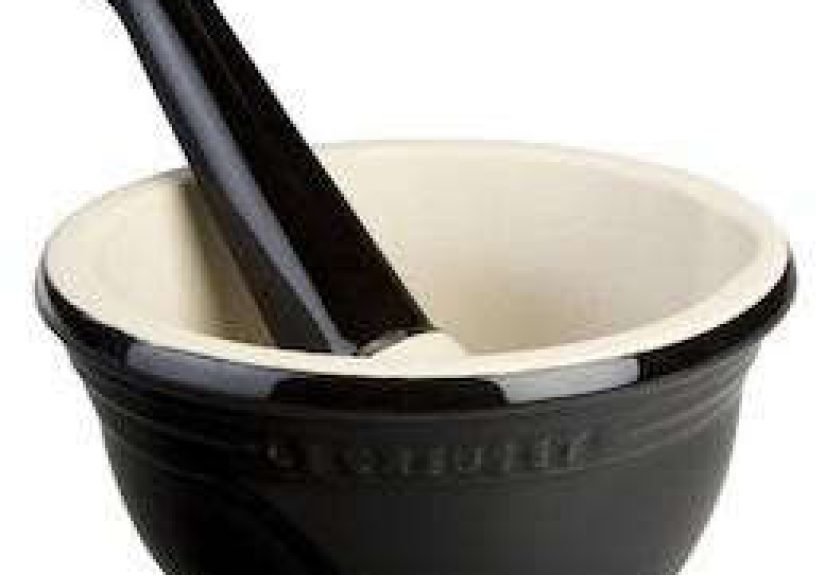
it’s also the name associated with a particularly sleek, modern take on the classic toolfamously produced in
stoneware and designed by Eero Aarnio for Alessi. In other words, “Aroma”
isn’t just the goal (release fragrance and flavor). It’s the vibe (beautiful enough to leave on the counter).
In this guide, we’ll cover what makes an “aroma-first” mortar and pestle different, how to choose the right material,
how to use it for maximum flavor, and how to keep it from smelling like yesterday’s garlic forever. Then we’ll wrap up
with real-life kitchen experiences you can expect once you start using one regularly.
Why “Aroma” Is the Whole Point
When you crush herbs and spices, you’re breaking plant cells and releasing volatile aromatic compoundsbasically the
“perfume” of food. That’s why freshly ground black pepper smells like it has somewhere to be, while the dusty pre-ground
stuff can smell like it missed its ride.
A mortar and pestle is especially good at aroma because it gives you:
- Control over texture (from chunky to powdery, on purpose).
- Less heat than many electric grinders, which helps protect delicate flavors.
- Better blending for wet + dry aromatics (think garlic + dried chiles).
- Immediate payoff: your kitchen smells amazing before the food even hits the pan.
What the “Aroma Mortar and Pestle” (Design Edition) Represents
The Alessi “Aroma” concept is a reminder that everyday kitchen tools don’t have to look like medieval farm equipment.
The design is typically described as rounded, playful, and ergonomicbuilt to be comfortable in the hand and easy on
the eyes. It’s often listed as a compact stoneware set, roughly around 4 inches tall and about
4 inches in diametersmall enough to keep on the counter without sacrificing your entire workspace.
Practical takeaway: a good aroma-focused mortar and pestle doesn’t need to be gigantic. If your main use is
toasting spices, crushing herbs, mashing garlic, or making small batches of sauces and pastes, a compact, sturdy
bowl with a comfortable pestle is exactly the point.
Choosing the Best Material for Aroma (and Sanity)
Mortar and pestles come in a surprising variety of materials, and each one has a personality. Some are “weekday spice
blend.” Some are “I’m making salsa for 12 and I lift weights.” Here’s how the most common options compare.
Stoneware/Ceramic
Stoneware is fired ceramic that tends to be durable and relatively easy to clean compared with very porous stone.
Many ceramic and stoneware mortars are great for herbs, garlic, nuts, seeds, and small spice batches.
They’re often a smart choice if you care about switching between flavors without lingering “ghost aromas.”
- Best for: pesto, herb rubs, garlic paste, small-batch spice blends.
- Pros: typically easier cleanup; less flavor retention; counter-friendly aesthetics.
- Cons: may have a smoother interior, which can be slower for very hard spices.
Granite
Granite is the workhorse. If you want one mortar and pestle that can do almost everything, granite is often the
“one-tool-to-rule-them-all” pick. Many granite bowls have a rough interior that grips ingredients and speeds grinding.
- Best for: whole spices, curry pastes, spice rubs, chunky sauces.
- Pros: efficient grinding; versatile; sturdy and stable.
- Cons: heavy; often needs seasoning; can retain strong smells if not cleaned well.
Marble
Marble is classic and gorgeous. It’s often excellent for fresh ingredients (like basil pesto) but can
struggle a bit with very hard spices compared with rougher granite interiors.
- Best for: pesto, aioli-style pastes, saffron, soft herbs and nuts.
- Pros: elegant; smooth pounding; great for emulsified sauces.
- Cons: can be less aggressive on whole spices; can stain if neglected.
Molcajete (Volcanic Basalt)
A molcajete is a traditional Mexican mortar made from volcanic rock. It’s incredible for salsas, guacamole,
and bold spice workbecause the rough texture grabs and crushes ingredients with minimal fuss.
- Best for: salsa, guacamole, chiles, rustic pastes.
- Pros: powerful grinding; culturally iconic; flavor extraction is fantastic.
- Cons: can be messy to season; porous; usually bulky and heavy.
Suribachi (Japanese Ridged Bowl)
The suribachi is a Japanese mortar with ridges inside, used with a wooden pestle. It’s excellent for
sesame seeds, gentle grinding, and sauces where you want finesse.
- Best for: sesame, spices that need gentle crushing, dressings, seed pastes.
- Pros: efficient for seeds; less ingredient “jumping”; light and nimble.
- Cons: ridges can be annoying to clean if you mash sticky ingredients.
How to Use an Aroma Mortar and Pestle Like You Mean It
1) Don’t Overfill the Bowl
A mortar is not a mixing bowl. If you pile spices up to the rim, you’ll spend more time chasing peppercorns than grinding
them. Work in small batches; you’ll get a more consistent grind and fewer “escape artists.”
2) Use the Right Motion for the Job
- Grinding whole spices: press + rotate in circles, then finish with short crushing strokes.
- Mashing garlic: pound to break, then smear against the sides to make a smooth paste.
- Herbs: add a pinch of salt as an abrasive, then press and twist to avoid turning everything into green soup.
- Wet pastes: alternate between crushing and stirring, scraping down the sides so nothing hides out.
3) Toast Whole Spices First (Then Cool)
Toasting wakes up aromatic oils in whole spices. A quick dry toast in a pan until fragrantthen letting the spices cool
makes grinding easier and the flavor bigger. (Grinding hot spices can trap steam and clump, plus it’s a great way to fog up
your confidence.)
4) Build Flavor in Layers
Mortar and pestle work is often best when you add ingredients in stages:
- Start with the hardest ingredients (peppercorns, cumin seeds, coriander).
- Add medium textures (dried chiles, coarse salt).
- Finish with soft aromatics (garlic, herbs, citrus zest).
This keeps delicate ingredients from getting overworked while the tough ones are still stubborn.
Specific Examples: What to Make for Maximum Aroma
A 60-Second “Wake-Up” Spice Blend
Toast equal parts cumin and coriander seeds (a teaspoon each), cool, then grind. Add a pinch of salt and a little
smoked paprika at the end. Sprinkle over roasted vegetables, eggs, or chicken. The smell alone will make your kitchen
feel like it got a promotion.
Garlic-Chile Paste for Anything That Needs Attitude
Pound a few garlic cloves with a pinch of salt until smooth. Add dried chile flakes or a toasted dried chile and grind
again. Finish with a splash of oil to help it emulsify. This paste is a fast-track to flavor in stir-fries, marinades,
soups, and noodles.
Pesto the Old-School Way (No Blender Bruising)
For mortar-style pesto, start by pounding garlic and salt, then add nuts (pine nuts, walnuts, or almonds). Grind to a paste,
then add basil gradually and press instead of pulverizing. Stir in cheese, then drizzle in olive oil until glossy. The texture
stays lively, and the aroma is bright instead of “spun to death.”
Guacamole That Actually Tastes Like Avocado
If you’re using a rough stone mortar (granite or molcajete), grind onion, chile, cilantro stems, and salt first. Then mash
avocado into that aromatic base. Add lime at the end. The result tastes layerednot flatand you get that fresh, green aroma
that disappears fast when you overmix.
Care, Cleaning, and the “Why Does It Smell Like Garlic?” Problem
Stoneware/Ceramic: Usually Low Drama
Many stoneware and ceramic mortars are comparatively easy to clean. Rinse promptly, scrub with a brush if needed, and dry
thoroughly. If the manufacturer allows mild soap, use it sparingly and rinse wellespecially if you’ll be grinding spices
afterward.
Granite/Molcajete: Seasoning and Gentle Cleaning
Rough stone mortars often need to be “seasoned” before first use to remove grit and dust. A common approach is grinding
small batches of dry white rice until it stays white rather than turning gray. After that, avoid soaking for long periods,
and let the mortar dry completely between uses.
For odor control (especially after garlic), try this routine:
- Rinse and brush immediately after use.
- Grind a tablespoon of rice or coarse salt to scrub the surface.
- Rinse again and air dry thoroughly.
Pro Tip: Keep Two If You’re Serious
If you frequently grind strongly scented ingredients (garlic, cumin, curry blends) and also do delicate items (saffron, mint,
fennel pollen, or subtle spice mixes), consider keeping a “savory powerhouse” mortar and a “delicate aroma” mortar. This is
not being extra. This is being prepared. (Also: it’s a great excuse for a second beautiful counter object.)
Buying Checklist: What to Look for in an Aroma Mortar and Pestle
- Comfort: does the pestle feel natural in your hand?
- Stability: does the mortar stay put, or does it skate like it’s avoiding responsibility?
- Interior texture: rough for spices; smoother for herbs and delicate pastes.
- Size: small (counter-friendly) for daily aromatics; larger for big-batch pastes and sauces.
- Cleanup reality: be honest about how much you enjoy scrubbing ridges.
- Where it lives: if it’s pretty, you’ll use it morebecause it’s already out.
When a Mortar and Pestle Beats a Grinder (and When It Doesn’t)
It wins when you need:
- Small batches with high aroma impact (freshly cracked spices, quick rubs).
- Wet-dry combos (garlic + dried chiles, herbs + salt).
- Texture control (chunky salsa vs. smooth paste).
- A calmer, more hands-on cooking rhythm.
It’s not ideal when you need:
- Large quantities of fine powder fast (hello, curry powder by the cup).
- Ultra-uniform grind for baking spice blends in bulk.
- Minimal effort on a busy weeknight (no shamesome days call for shortcuts).
Experiences: What It’s Like to Actually Live With an “Aroma Mortar and Pestle”
The first “experience” most people notice isn’t the flavorit’s the sound. A mortar and pestle has its own kitchen
soundtrack: the soft crunch of toasted cumin giving up, the thud-thud of garlic turning into a paste, the gentle scrape as
you rotate the pestle and watch ingredients transform. It’s oddly grounding. For a minute, cooking stops being a blur of
timers and tabs and becomes a simple before-and-after: whole spices become fragrant dust; herbs become a green smear that
smells like summer.
Week one is usually the honeymoon period. You’ll start looking for excuses to grind something. Black pepper? Obviously.
Toasted fennel for pasta sauce? Absolutely. A “quick” spice blend for roasted carrots that somehow turns into a full spice
experiment? Also yes. The biggest surprise is how much aroma you get from small amounts. Grinding one teaspoon of
coriander seed can perfume the kitchen in a way a jar of pre-ground coriander never will. It’s like the difference between
a fresh orange peel and orange-scented cleaning spray: one feels alive.
Then comes the first real test: garlic. You’ll mash cloves with salt, feel very chef-like, and then realize the mortar now
smells like a charming Italian restaurant… permanently. This is where your habits evolve. You learn to rinse immediately,
brush instead of soak, and occasionally “reset” the surface with rice or coarse salt. If your mortar is stoneware or ceramic,
the cleanup can feel refreshingly simpleless like a science project, more like washing a sturdy bowl. If it’s rough stone,
you start treating it with respectful caution, like a tool that wants to do its job well but refuses to be babied.
Another common experience: you start appreciating texture. A blender makes pesto “smooth-ish.” A mortar makes pesto
texturedtiny torn basil pieces, nutty grit, a glossy oil-cheese coating that clings to pasta like it means it.
You’ll notice the difference in sauces and pastes, too. Curry paste made by hand has a different personality: it’s not just
blended; it’s bruised and pressed and coaxed, and the aroma when it hits a hot pan can be startlingly bright.
You may also find yourself using the mortar as a mini mixing station. It’s perfect for making a small marinade: grind toasted
cumin and peppercorns, add garlic, add zest, then stir in oil. Or build a finishing salt: crush flaky salt with citrus zest and
dried herbs. Suddenly your “Aroma Mortar and Pestle” becomes less of a gadget and more of a daily utilitylike a cutting board,
but more fun and far more fragrant.
Eventually, the mortar and pestle changes how you shop. You start buying more whole spices because you know you’ll actually use
them. You grab coriander seeds instead of ground coriander. Whole allspice berries instead of powder. Peppercorns you can crack
fresh. You toast more often. You store spices more carefully. And you realize the real upgrade wasn’t the toolit was the habit:
doing a tiny bit of work right before cooking that makes everything smell (and taste) dramatically better.
Conclusion
Whether you’re talking about the design-forward Aroma Mortar and Pestle associated with Alessi and Eero Aarnio,
or you simply mean a mortar and pestle that excels at releasing flavor, the principle is the same: aroma is the reward.
Crushing and grinding by hand unlocks volatile oils, gives you control over texture, and turns everyday cooking into something
more sensory (and, yes, slightly more delicious).
Choose a material that matches how you cook, learn a few simple techniques, clean it with just enough care to avoid lingering
“garlic ghosts,” and you’ll have a tool that quietly improves everything from weeknight eggs to weekend curry. Plus it doubles
as a countertop statement piecebecause if you’re going to do manual labor, it might as well look good.