Table of Contents >> Show >> Hide
- Why These Skyline Rings Feel So Different
- The Teti Rings Turn Cities Into Tiny Worlds
- The Craft Behind the Wow Factor
- This Trend Did Not Come Out of Nowhere
- Why City Skylines Make Such Powerful Jewelry Motifs
- Infographic-Style Breakdown: Why These Rings Work
- From Travel Souvenir to Wearable Architecture
- What Makes the Best Architecture Rings Stand Out
- Extended Experiences: What It Feels Like to Encounter a Skyline Ring in Real Life
- Conclusion
Most rings are happy being rings. They sparkle, they shine, they mind their own business. Architecture rings, however, clearly woke up one morning and chose drama. Instead of a tidy gemstone or a modest band, these astonishing pieces wrap entire city skylines around your finger like tiny urban operas. Suddenly your hand is not just accessorized; it has zoning, landmarks, and what feels like a suspiciously high property value.
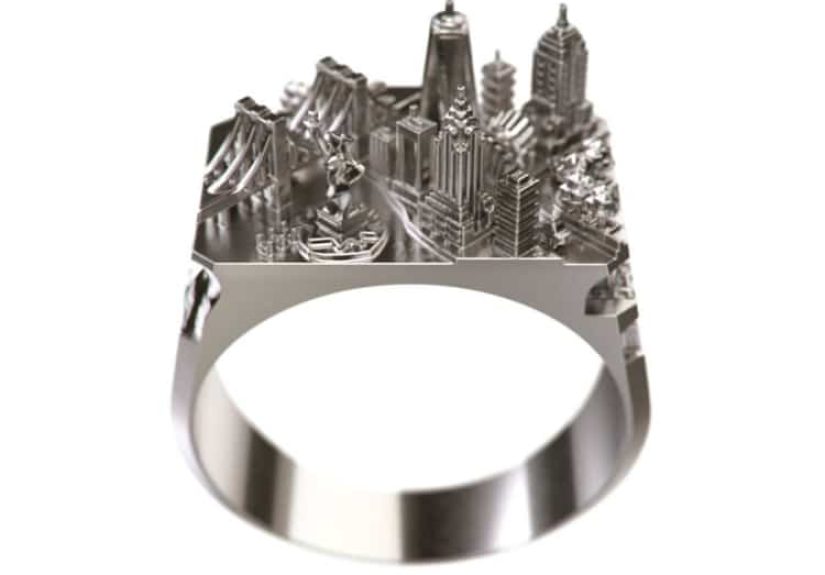
That is exactly why the latest wave of skyline jewelry is so mesmerizing. Pieces like the Teti architecture rings transform famous city silhouettes into miniature wearable sculptures, shrinking places such as New York, London, and Rome into a form you can admire between sips of coffee and overly ambitious to-do lists. The result sits somewhere between jewelry, souvenir, sculpture, design object, and conversation starter. In other words, it is the kind of item that makes people grab your hand and say, “Wait, is that a whole city?”
What makes these architecture rings especially compelling is not just the novelty. Plenty of jewelry is novel for about eleven seconds. The real appeal is that they combine urban identity, craftsmanship, memory, and storytelling in one compact object. They are sentimental without being syrupy, geeky without being inaccessible, and dramatic without needing to flash neon lights. For architecture lovers, travelers, and anyone who has ever fallen a little too hard for a skyline, these rings feel like an elegant answer to the eternal problem of how to carry a place with you.
Why These Skyline Rings Feel So Different
At first glance, the genius of architecture rings seems simple: take recognizable landmarks, shrink them down, wrap them around a band, and prepare for applause. But the emotional effect is much bigger than the object itself. A skyline is not just a row of buildings. It is a shortcut for memory. New York means hustle, ambition, steam rising out of sidewalks, and the permanent feeling that somewhere nearby a bagel is being judged. London suggests history with a tailored coat. Rome practically glows with layers of empire, art, stone, and the kind of grandeur that makes modern buildings look like they forgot to eat their vegetables.
By compressing a skyline into jewelry, designers turn cities into symbols you can literally wear. That makes these rings feel more intimate than a postcard and more imaginative than standard tourist merch. They are not saying, “I visited this city once.” They are saying, “This place got under my skin, and now it lives rent-free on my hand.”
That emotional angle helps explain why skyline rings have stuck around as more than a passing internet curiosity. Design coverage over the last decade has repeatedly returned to city-inspired rings because they sit at a sweet spot where architecture becomes personal. Buildings are usually enormous, fixed, and public. Jewelry is small, mobile, and private. Put the two together and you get a delicious design contradiction: a metropolis reduced to fingertip scale.
The Teti Rings Turn Cities Into Tiny Worlds
The best-known recent example of this idea is Teti, a ring collection that gained attention for taking the already charming concept of skyline jewelry and dialing the detail level all the way up. These rings present micro-detailed versions of New York, London, and Rome, then frame the miniature skylines inside a clear resin shell. That extra step matters. Without it, the pieces would already be striking. With it, they start to feel like preserved little worlds, as if someone captured a city in a crystal-clear bubble and politely suggested you wear it to dinner.
The design does two smart things at once. First, it emphasizes the vertical rhythm of each skyline, letting famous silhouettes do the heavy lifting. Second, it gives the ring depth. Instead of reading like a flat cutout, the city feels enclosed, almost protected, like a treasured memory on display. It is jewelry with architectural presence, but it also has the slightly surreal charm of a snow globe that went to design school.
Material choices play a big part in the appeal too. Skyline rings have appeared in metals from bronze and sterling silver to gold, platinum, and even diamond-heavy luxury versions. That range is important because it shifts the concept from quirky design object to legitimate jewelry category. The same basic idea can feel playful in silver, romantic in gold, or unapologetically glamorous in a high-jewelry interpretation. In other words, city skylines are proving wonderfully adaptable. Apparently architecture looks good in everything.
The Craft Behind the Wow Factor
One reason these rings generate so much fascination is that the craftsmanship sounds borderline unreasonable. Tiny landmarks are hard enough to draw. Reproducing them as durable jewelry that still looks refined when wrapped around a finger is a much taller order. That challenge is part of the story. Designers working in this niche have leaned on digital modeling, precision fabrication, hand finishing, and inventive production methods to make skylines readable at a very small scale.
That matters because skylines are not random jagged lines. Their power comes from recognition. The moment a skyline ring stops looking like “New York” or “London” and starts looking like “assorted metal bumps,” the magic is gone. Successful architecture rings solve that by isolating the most iconic forms and keeping the silhouette crisp enough to register instantly. It is an exercise in editing as much as detail. Not every building gets invited to the party. Only the stars make the cut.
There is also a structural balancing act at work. Jewelry has to be wearable, not merely admirable. Rings cannot be so bulky that they feel like tiny brass knuckles for urban romantics. They need a satisfying silhouette, but also comfort, durability, and enough visual order to keep the design from collapsing into clutter. That is why the best skyline rings feel curated rather than crowded. They suggest a whole city by using just enough recognizable architectural cues to trigger the rest in your imagination.
This Trend Did Not Come Out of Nowhere
As eye-catching as Teti is, it belongs to a broader and longer-running movement in architecture-inspired jewelry. Years before the resin-encased skyline look caught attention, designers such as Ola Shekhtman were already building rings around recognizable city silhouettes. Her cityscape rings helped popularize the idea that a band could function like a miniature urban panorama, featuring cities from Paris and San Francisco to Amsterdam, Boston, Berlin, and Hong Kong.
That earlier wave matters because it proved there was genuine appetite for skyline jewelry beyond novelty headlines. People were not just admiring these pieces online; they were buying them, gifting them, and treating them as meaningful design objects. Later collections broadened the market further, from customizable skyline jewelry brands offering cities across Europe and the United States to luxury jewelers turning skylines into diamond-studded statements.
In other words, architecture rings now occupy an interesting middle ground between independent design culture and mainstream jewelry commerce. They can feel artsy, souvenir-like, sentimental, collectible, or luxurious depending on execution. That versatility is a huge reason the concept keeps resurfacing. A skyline ring is one of those rare ideas that works for an architecture nerd, a frequent traveler, a homesick expat, and someone simply looking for a gift that is less boring than flowers. No disrespect to flowers, but they do have a terrible long-term retention rate.
Why City Skylines Make Such Powerful Jewelry Motifs
They are instantly recognizable
The strongest skylines act like logos for places. Even in silhouette, they carry identity. You do not need a hundred details when the profile already does the job.
They hold emotional memory
A skyline can represent home, travel, love, ambition, study abroad, a honeymoon, a first job, or the city where you finally learned that rent is a contact sport. The emotional charge is built in.
They transform scale in a thrilling way
Architecture is usually experienced as monumental. Jewelry is intimate. The jump from one scale to the other creates surprise, and surprise is catnip for good design.
They invite storytelling
A gemstone might say “beautiful.” A skyline ring says, “Ask me about this city.” That makes it social. People do not just notice the piece; they ask about the memory behind it.
Infographic-Style Breakdown: Why These Rings Work
If this phenomenon were reduced to a simple infographic, it would look something like this:
1. Pick a city with a strong silhouette
The design starts with an urban identity people can recognize quickly. Landmarks and skyline rhythm do the heavy lifting.
2. Reduce the city to its most iconic forms
This is where design discipline kicks in. Too much detail and the ring becomes messy. Too little and the city loses its personality.
3. Translate architecture into jewelry scale
Digital modeling, fabrication, and finishing techniques turn public monuments into wearable objects without losing the essence of the skyline.
4. Add material drama
Silver keeps things modern. Gold warms the piece up. Resin creates a display-case effect. Diamonds, naturally, say, “I would like my skyline with extra main-character energy.”
5. Let nostalgia do the rest
The final product works because it is not just design. It is memory, identity, and a little bit of urban mythology wrapped around your finger.
From Travel Souvenir to Wearable Architecture
One of the most interesting things about architecture rings is how they upgrade the idea of a souvenir. Traditional travel souvenirs usually fall into two camps: charming but dusty, or practical but emotionally flat. Skyline rings escape that trap. They keep the emotional punch of travel memorabilia while adding the legitimacy of thoughtful product design.
They also appeal to people who love architecture but do not necessarily want to hang blueprints on every wall of their home. Jewelry is a subtler form of fandom. It lets people celebrate the built environment in a way that feels stylish rather than studious. That has helped architecture-inspired accessories reach readers and shoppers beyond the usual design crowd.
There is also something deeply contemporary about turning cities into portable symbols. We live in an era when identity is often tied to movement: where you are from, where you studied, where you worked, where you fell in love, where you briefly moved because the rent seemed cheaper and then immediately discovered that everyone else had the same idea. Skyline rings fit that mobile, memory-rich lifestyle beautifully.
What Makes the Best Architecture Rings Stand Out
The strongest pieces in this category tend to share a few qualities. They respect the skyline rather than merely using it as decoration. They balance precision with restraint. They make smart material choices. And they understand that the emotional experience matters as much as the technical one.
That last point is easy to overlook. Plenty of objects are impressive. Far fewer are meaningful. The best skyline rings are memorable not because they are complicated, but because they make a city feel personal. They let you wear a place the same way you might wear a family heirloom or a sentimental charm. Only in this case, the heirloom just happens to include a few famous buildings and enough tiny drama to qualify as a portable downtown.
For design lovers, that combination is irresistible. The rings celebrate skyline composition, urban memory, and craftsmanship all at once. They are miniature proof that architecture does not stop at buildings. Sometimes it sneaks into fashion, hijacks a jewelry box, and ends up stealing the show.
Extended Experiences: What It Feels Like to Encounter a Skyline Ring in Real Life
The experience of seeing one of these architecture rings up close is very different from scrolling past it online. On a screen, the piece looks clever. In person, it feels slightly absurd in the best possible way. Your brain needs a second to catch up. It recognizes the object as jewelry, then realizes it is also a city, and that tiny delay creates a genuine spark of delight. It is the same mental double-take you get when a magician makes something impossible seem casual. One moment you are looking at a ring. The next, you are squinting at miniature buildings and wondering whether your hand has become a real-estate district.
There is also a tactile pleasure to the idea, even before you put the ring on. Architecture is usually something you walk through, look up at, or photograph from a distance. A skyline ring flips that relationship. Suddenly the city is small enough to rotate, inspect, and admire from every angle. It becomes intimate. The scale shift makes famous landmarks feel almost tender, as if a giant public world has been translated into something personal and protective.
For people with strong memories tied to a place, the emotional response can be surprisingly immediate. A New York skyline may remind someone of their first apartment, a dream internship, or a chaotic but beloved chapter of life powered by coffee and unreasonable confidence. A Rome skyline might trigger memories of warm stone, church domes, long walks, and the feeling that history is pressing gently on your shoulder. London may call up rainy afternoons, museum days, study abroad stories, or the thrill of navigating a city that somehow feels both ancient and very much alive. The ring becomes more than an accessory because the city inside it is already carrying emotional cargo.
These pieces also create a social experience that most jewelry simply does not. People ask questions. They lean in. They try to identify buildings. They tell you about the city they love, or the trip they still want to take, or the place they left and miss more than they expected. The ring becomes a prompt for conversation, memory, and low-key urban bragging. It is hard to stay emotionally neutral around a miniature skyline.
And then there is the quiet experience of wearing one for yourself. Not every meaningful object has to perform for an audience. Sometimes the value comes from glancing down during an ordinary day and seeing a place that matters to you rendered in tiny architectural form. It can feel grounding, nostalgic, motivating, or simply beautiful. That is the hidden strength of skyline jewelry. It is theatrical enough to get attention, but personal enough to remain deeply private. Few accessories manage both.
In that sense, architecture rings are not really about owning a city. They are about carrying a relationship to one. They let design, travel, memory, and identity meet in a single object. And for something small enough to fit on a finger, that is a pretty astonishing amount of emotional square footage.
Conclusion
Astoundingly detailed architecture rings succeed because they do much more than miniaturize buildings. They transform skylines into stories, landmarks into keepsakes, and urban identity into something intimate enough to wear every day. Whether you see them as wearable sculptures, elevated souvenirs, or love letters to the built environment, their appeal is easy to understand. They make cities feel close. They make design feel personal. And they prove, rather stylishly, that great architecture can still make a statement even when it is reduced to the size of a ring box.
For anyone fascinated by city skylines, architecture-inspired jewelry, or objects that make memory tangible, these rings hit a rare sweet spot. They are imaginative, technically impressive, and emotionally rich without losing their sense of fun. That is probably why they keep capturing attention: they are part jewelry, part miniature metropolis, and all charm.