Table of Contents >> Show >> Hide
- Why “Sweet Dreams” Works So Well
- Before the First Brushstroke: The Idea Stage
- Building the Surface: Birch Panel, Masking, and Ground Preparation
- Drawing It In: Projection, References, and Placement
- Painting “Sweet Dreams” From Start To Finish
- What Artists Can Learn From “Sweet Dreams”
- Common Mistakes When Trying to Paint a Dreamy Piece
- How to Create Your Own “Sweet Dreams” Energy
- Final Thoughts
- Studio Experiences: What a Painting Like “Sweet Dreams” Feels Like in Real Life
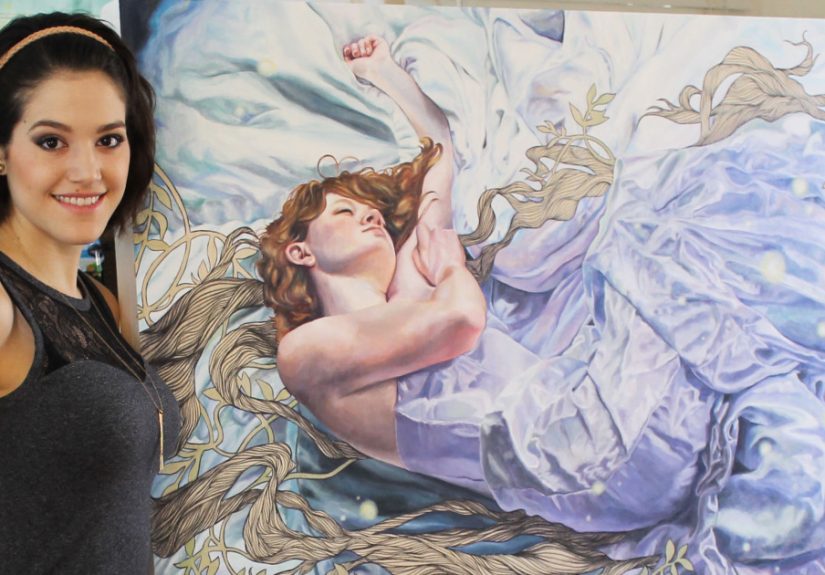
Some paintings arrive quietly. Others walk into the room wearing velvet boots, carrying mystery, and asking for dramatic lighting. “Sweet Dreams” belongs to the second group. The piece became memorable not just because of the finished image, but because the process itself was so satisfying: a commissioned concept, a birch panel, masked areas of raw wood, layered paint, careful drawing, slow refinement, and that wildly satisfying final reveal when the protected shapes were uncovered.
This is what makes the story behind “Sweet Dreams” so compelling. It is not merely a pretty painting. It is a real example of how an artwork evolves from conversation to composition, from clean surface prep to messy middle, and from broad decisions to tiny finishing marks. If you have ever wondered how a dreamlike painting moves from vague idea to polished piece, this is the full walk-through.
And yes, it confirms one eternal art truth: the glamorous final image gets all the compliments, but the tape, sanding dust, redraws, and patient layering deserve a standing ovation too.
Why “Sweet Dreams” Works So Well
The original piece stood out because it balanced precision with atmosphere. It was developed as a commissioned painting, which meant the concept was discussed with the client first, then shaped into something personal, decorative, and emotionally soft without becoming bland. That balance is hard to pull off. Too much planning and the painting feels stiff. Too much improvisation and it can drift into visual chaos wearing a scarf and calling itself “creative freedom.”
What gives “Sweet Dreams” its strength is the contrast between structure and softness. The structure comes from the carefully mapped design, the masked shapes, and the strong placement of forms. The softness comes from the layered paint handling, the dreamy mood, and the way the image seems to glow rather than shout. The exposed wood also adds warmth and material honesty, which keeps the piece from feeling too slick or overly digital.
In plain English, the painting looks thoughtful. It feels designed. And it still breathes.
Before the First Brushstroke: The Idea Stage
Every Good Painting Starts With a Conversation
Because “Sweet Dreams” was commissioned, the process did not begin with paint. It began with discussion. This matters more than many beginners realize. A strong painting is usually solving a problem: what mood should it create, what imagery belongs in it, what details matter, and what can be left out. Even personal studio work benefits from this kind of questioning. If you know what the painting is supposed to do, you are far less likely to wander into unnecessary detail and panic halfway through.
For a piece like this, the early planning stage would naturally involve gathering references, testing visual motifs, and deciding how dreamy should actually look. Dreamy is not a technical term, but artists know it when they see it: softened transitions, controlled contrast, selective detail, a gentle rhythm of shapes, and enough mystery to make the viewer pause for a second instead of scrolling past like a caffeinated squirrel.
Composition Comes Before Polish
One of the smartest lessons from the “Sweet Dreams” process is that composition was treated as a big decision, not an afterthought. Strong paintings rarely depend on details alone. They depend on placement, proportion, direction, and visual movement. Where does the eye enter? Where does it rest? What creates tension? What gets repeated? What gets simplified?
That is why small planning sketches matter. They let you solve large problems while the cost of being wrong is still low. It is much easier to move a focal point in a thumbnail sketch than after you have painted twelve beautiful leaves, seventeen curls of hair, and one emotionally exhausting moon.
Building the Surface: Birch Panel, Masking, and Ground Preparation
Letting the Surface Join the Design
One of the most memorable choices in “Sweet Dreams” was the decision to leave parts of the raw birch panel exposed. That was not a shortcut. It was a design strategy. Raw wood brings warmth, natural texture, and contrast against painted passages. It can function almost like negative space, except with more character and fewer existential questions.
Using exposed wood successfully requires planning from the very beginning. You cannot randomly decide near the end that you would like a few stylish bare patches and then expect them to look intentional. In “Sweet Dreams,” the artist protected those future wood areas before the main painting process moved forward.
Mask First, Celebrate Later
The masked swirl patterns were one of the key structural moves in the piece. Tape was used to preserve clean areas of exposed wood, and the shapes were carefully cut and prepared before heavier painting began. This is the kind of step that looks boring in progress photos and brilliant in the final image.
Masking gives you control, but it also tests your patience. There is always a point in the process where the tape starts whispering, “Peel me now.” Ignore it. Premature peeling is how artists create accidental abstract expressionism.
Gesso and Sanding Are Not Optional Drama
After masking, the panel was built up with several layers of gesso and sanded smooth. This is a huge part of why finished paintings look finished. The surface affects everything: how the brush drags, how lines behave, how glazes settle, and how clean the details can become. A rough or inconsistent ground will fight you at every step. A well-prepared one becomes a silent assistant.
On a technical level, this prep stage also helps separate the design into layers of intention. First comes the support. Then the protected wood. Then the primed painting surface. That order creates clarity before color even shows up.
Drawing It In: Projection, References, and Placement
Transferring the Design Without Losing the Soul
Once the surface was ready, the design was projected, traced, and redrawn so the major elements landed exactly where they needed to be. Some artists get oddly dramatic about projection, as if using a projector means the painting police will show up and confiscate your brushes. Nonsense. Tools are tools. A projector can help establish placement and proportion, especially on a large panel, while still leaving plenty of room for interpretation, paint handling, and artistic judgment.
The bigger issue is not whether you trace. It is whether you understand what you are tracing. Good drawing still matters. Shapes need hierarchy. Curves need rhythm. Negative spaces need to make sense. If the drawing is dead, the painting will not magically become alive just because you bought a nicer brush.
Reference Is a Guide, Not a Cage
The process images showed a printed reference in use while painting began. That is normal and smart. Reference material keeps anatomy, proportion, lighting, and design anchored in something believable. But dreamlike painting still needs editing. You do not copy everything. You choose what helps the mood, simplify what distracts from it, and amplify what creates emotional focus.
This is where value planning becomes crucial. Even when color is gorgeous, value is still doing the heavy lifting. The painting has to work in light and dark relationships first. If the values are confused, no amount of magical blue-violet glazing will save it.
Painting “Sweet Dreams” From Start To Finish
Begin With the Big Masses
Once the drawing was secure, the painting phase began by establishing major areas rather than chasing tiny details. This is exactly how a piece like “Sweet Dreams” should be built. Large masses create order. They define the temperature of the painting, the space, and the dominant mood. In dream-themed work, that usually means making early decisions about soft darks, luminous midtones, and where the brightest passages will live.
At this stage, perfection is not the goal. Direction is. You are telling the painting what kind of world it lives in.
Working Small Areas at a Time
The artist noted that she tends to work on small areas and then return later to adjust what still needs attention. That approach makes perfect sense for detailed symbolic work. Small sections allow for concentration, control, and subtle transitions. The danger, of course, is tunnel vision. A beautifully painted square inch can still be attached to a confusing overall image.
That is why stepping back matters. A painting has two lives: the close-up life and the across-the-room life. “Sweet Dreams” succeeds because it was clearly handled with both in mind. Up close, you can appreciate texture, line, and patience. From a distance, the composition still reads and the mood still lands.
Layering for Glow Instead of Flatness
Dreamlike paintings benefit from layers. Glazing, transparent color passages, and selective soft blending are what create that sense of inner light. Rather than slamming opaque paint everywhere from the beginning, a more sensitive method lets color accumulate. Thin transparent passages can deepen shadows, warm flesh or wood, and create a richer surface than a single thick application ever could.
This is where control of edges becomes beautiful. Not every border needs a hard line. Soft transitions create atmosphere, while sharper accents direct attention. A dream painting without edge variation is like a lullaby played on a smoke alarm.
The Final Reveal and the Clean-Up Pass
Near the end of the process, the tape came off and the exposed wood areas were finally revealed. That moment changes everything. Suddenly, all the restraint pays off. The clean preserved shapes contrast with the painted areas, and the surface gains a kind of designed elegance that would have been impossible to fake afterward.
Then came the finishing touch: outlining the shapes with a thin acrylic line just inside the painted edges. This is a subtle move, but a powerful one. Small linear accents can sharpen forms, separate passages, and make the whole image feel intentional rather than accidental. In other words, the painting stopped being “almost done” and became actually done.
What Artists Can Learn From “Sweet Dreams”
First, mood is built, not wished into existence. The dreamy quality came from decisions about composition, surface, value, edge, and layering. Second, materials matter. Birch panel, masking, gesso, oil, acrylic, and ink each contributed something different. Third, patience is not a side note in painting. It is the job description.
Most importantly, “Sweet Dreams” proves that process is not separate from beauty. Process creates beauty. The clean swirls exist because the masking happened. The smooth painted passages exist because the panel was prepared. The glow exists because the paint was layered. The final polish exists because the artist returned to the work after the “good enough” stage and kept going.
Common Mistakes When Trying to Paint a Dreamy Piece
One common mistake is adding details too early. That usually produces a painting full of effort and short on structure. Another is ignoring the surface. If your ground is sloppy, your painting will spend the whole session arguing with it. Another mistake is treating color as the only star. Color is wonderful, but value and composition decide whether the viewer stays.
There is also the classic overblending problem. Beginners often hear that dreamlike means soft, so they blend everything until the image looks like it was painted through a humid shower door. Softness only works when it is contrasted with clarity. You need some edges that hold, some accents that sparkle, and some shapes that stay crisp enough to steer the eye.
How to Create Your Own “Sweet Dreams” Energy
If you want to make your own version of this mood, begin with a limited palette and a clear emotional target. Think in terms of hush, glow, and rhythm. Use a surface that supports your intention. Plan your negative space. Consider whether an exposed material, like wood, paper tone, or a colored ground, can become part of the composition rather than just the thing hiding underneath it.
Build the painting in stages. Sketch. Simplify. Block in. Step back. Refine. Glaze. Rest. Return. That last part is underrated. Good paintings often improve because the artist leaves them alone for a day, comes back, and finally notices the one awkward shape that has been causing trouble like a tiny gremlin in the upper-left corner.
Final Thoughts
“Sweet Dreams” Painting From Start To Finish is satisfying because it shows the whole arc of art-making, not just the polished ending. It reminds us that beautiful work usually comes from disciplined choices disguised as magic. A client conversation becomes a concept. A concept becomes a design. A design becomes masked shapes, primed surface, drawing, layered paint, refined edges, and finally a finished piece with presence.
That is the real charm of this painting. It feels dreamy, but the process behind it is grounded, practical, and full of craft. And maybe that is the sweetest dream of all for artists: not waiting for inspiration to strike like lightning, but building something lovely step by step until the panel finally says, “All right, now I’m art.”
Studio Experiences: What a Painting Like “Sweet Dreams” Feels Like in Real Life
There is also an emotional side to a painting like “Sweet Dreams” that process photos only hint at. Anyone who has worked on a detailed, atmospheric piece knows the studio begins to change while the painting develops. The first day feels hopeful. The middle feels suspicious. The final days feel like a negotiation between confidence and complete nonsense. You stand there holding a brush, staring at the same three inches of surface, somehow convinced that one slightly wrong curve might personally ruin civilization.
But that strange intensity is part of the experience. Dream-themed paintings tend to pull artists into a slower state of mind. You start paying attention to tiny shifts in color, the softness of a transition, the way one line nudges the eye, or how a patch of exposed wood suddenly makes the whole composition feel warmer. It becomes less like decorating a surface and more like tuning an instrument. Every adjustment changes the mood.
There is also a very specific satisfaction in working on a panel that has been prepared well. The brush moves differently. The details sit where they should. Even the mistakes feel cleaner, which is a comforting luxury in a profession built on making accidental messes look intentional. And when masking is involved, the anticipation becomes almost ridiculous. You know those preserved areas are waiting under the tape, and the longer you wait, the more they start to feel like buried treasure.
Then there is the experience of living with the painting while it is unfinished. This is something non-artists often do not see. The work leans against a wall for days or weeks. You pass it in the morning. You glance at it while making coffee. You notice a shadow that is too heavy, a line that needs correction, a section that is better than you remembered. The painting quietly follows you around in your head. Good work usually does. It keeps asking for one more honest look.
Commissioned pieces add another layer of emotion. You are not only solving your own visual problems; you are trying to make something that belongs in someone else’s world. That can be nerve-racking, but it can also sharpen your decisions. You become more intentional. You think harder about mood, harmony, finish, and what kind of presence the work will have once it leaves the studio. When the piece is finally done, there is relief, pride, and a slightly ridiculous urge to keep it forever even though it was never yours to keep.
And perhaps that is why process posts like “Sweet Dreams” resonate so strongly. They show that the final painting is only half the story. The other half is the private experience of making it: the planning, the second-guessing, the patience, the tiny victories, and the moment when the work finally clicks into place. That is the part artists recognize instantly. It is not just a painting. It is time, concentration, problem-solving, restraint, stubbornness, and a little bit of studio magic in comfortable shoes.