Table of Contents >> Show >> Hide
- What Causes Warts, and Why Are They So Stubborn?
- Before You Start: A Few Wart Rules That Will Save You Trouble
- 16 Home Remedies for Warts You Can Try Today
- 1. Watchful Waiting for Small, Painless Warts
- 2. Soak the Wart in Warm Water First
- 3. Use Salicylic Acid for Common Warts
- 4. Try Stronger Salicylic Acid Patches for Thick Plantar Warts
- 5. Gently File Away Dead Skin
- 6. Cover the Wart with Duct Tape
- 7. Combine Salicylic Acid and Duct Tape
- 8. Use an OTC Freezing Kit
- 9. Protect the Surrounding Skin with Petroleum Jelly
- 10. Use Cushioned Pads for Plantar Warts
- 11. Keep Your Feet Dry and Change Socks Often
- 12. Cover the Wart in Shared Spaces
- 13. Wash Your Hands After Touching or Treating It
- 14. Stop Picking, Biting, or Shaving Over the Area
- 15. Use Separate Tools and Towels
- 16. Be Consistent for Weeks, Not Wishful for Days
- Home Remedies That Sound Trendy but Deserve Skepticism
- When to See a Doctor Instead of Fighting the Wart Alone
- What People Commonly Experience While Treating Warts at Home
- Final Thoughts
- SEO Tags
Warts are one of those rude little skin surprises that show up uninvited, overstay their welcome, and act like they pay rent. They’re caused by strains of human papillomavirus (HPV), and while many warts are harmless, they can be annoying, embarrassing, and surprisingly stubborn. The good news? You do not need to turn your bathroom into a medieval potion lab to deal with them.
When people search for home remedies for warts, they usually want something easy, affordable, and safe. Fair enough. But here’s the truth: not every “natural cure” floating around the internet deserves a standing ovation. The best at-home wart treatments are the boring ones with real evidence behind them, such as salicylic acid, careful skin prep, and patience. Yes, patience. The least glamorous ingredient in dermatology.
This guide walks you through 16 smart, realistic remedies and self-care strategies you can try today. Some help remove the wart itself. Others make treatment safer, more effective, or less likely to spread the virus to other areas. Together, they form a practical plan for wart removal at home without drifting into sketchy DIY territory.
Important: Skip home treatment and see a medical professional if the growth is on your face or genitals, if you have diabetes or poor circulation, if it bleeds, becomes infected, hurts badly, or if you are not sure it is actually a wart. Some skin cancers, calluses, and other growths can mimic warts, and that is not a guessing game worth losing.
What Causes Warts, and Why Are They So Stubborn?
Warts happen when HPV enters the skin through tiny breaks. Some people pick up the virus in locker rooms, shared showers, around pools, or through direct skin contact. Others seem to get warts because the universe enjoys practical jokes. Once the virus settles in, the skin starts growing extra keratin, which creates the rough, raised bump you recognize as a wart.
Common warts often appear on fingers and hands. Plantar warts show up on the soles of the feet and can feel like you’re stepping on a pebble that hates you personally. Flat warts are smaller and smoother. Some warts go away on their own, especially in kids and teens, but adults often find that they linger. That is why consistent treatment matters more than dramatic treatment.
Before You Start: A Few Wart Rules That Will Save You Trouble
- Do not cut, dig out, or rip off a wart yourself.
- Do not share nail files, pumice stones, razors, socks, or towels used on the wart.
- Do not use wart medicine on moles, birthmarks, or mystery bumps.
- Do not treat irritated, infected, or bleeding skin at home.
- Do not expect overnight results. Warts respond more like slow-cooker recipes than microwave dinners.
16 Home Remedies for Warts You Can Try Today
1. Watchful Waiting for Small, Painless Warts
Sometimes the simplest remedy is doing less, not more. Many common warts eventually disappear without treatment because the immune system finally notices the virus and decides it is time to clock in. If your wart is small, not painful, and not spreading, a watch-and-wait approach can be reasonable. This works best when the wart is not in a high-friction area and not bothering you emotionally or physically. Think of it as strategic laziness, not neglect.
2. Soak the Wart in Warm Water First
Before applying any over-the-counter wart treatment, soak the wart in warm water for 5 to 10 minutes. This softens the thick outer layer of skin and gives medicine a better chance to do its job. It is especially helpful for plantar warts, which tend to hide under tough foot skin like introverts at a loud party. Warm water will not remove the wart on its own, but it sets the stage for everything else that follows.
3. Use Salicylic Acid for Common Warts
If there is a gold medal winner in home wart treatment, it is salicylic acid. This over-the-counter ingredient gradually peels away infected skin layer by layer. For many common warts, products around 17% salicylic acid are a standard choice. You can find them as liquids, gels, or pads. Apply exactly as directed, usually once daily, and keep it on the wart rather than the healthy surrounding skin. It is not flashy, but it is the treatment most likely to earn your trust.
4. Try Stronger Salicylic Acid Patches for Thick Plantar Warts
For warts on thicker skin, such as the soles of the feet or palms, stronger salicylic acid patches may work better than weaker liquid formulas. Many people use 40% pads or plasters for these tougher spots. This is one of the most useful plantar wart home treatment options because foot warts often sink inward under pressure. The patch helps keep medicine in place while slowly breaking down the wart’s stubborn outer shell. Just do not use higher-strength products on thin or sensitive skin.
5. Gently File Away Dead Skin
After soaking, you can gently remove some of the softened dead skin from the top of the wart with a disposable emery board, pumice stone, or similar tool. Emphasis on gently. This is not a woodworking project. The goal is to reduce the thick surface so medication can reach the wart better, not to make the area raw. Use the tool only on the wart, never on healthy skin or nails, and do not share it with anyone else. If it hurts or bleeds, you have gone too far.
6. Cover the Wart with Duct Tape
Duct tape is the celebrity guest star of wart care. Does it work for everyone? No. Is it ridiculous that a hardware-store item ended up in skin-care conversations? Absolutely. But many dermatology sources say it is reasonable to try, especially for common warts. The idea is that occlusion may soften the wart, irritate it just enough to wake up the immune system, and help remove layers when the tape is replaced. Cover the wart, leave the tape on as directed, then repeat the cycle for several weeks.
7. Combine Salicylic Acid and Duct Tape
This is where things get practical. A very common home strategy is to apply salicylic acid, let it dry, and then cover the wart with duct tape or a bandage. The acid does the chemical heavy lifting while the occlusion keeps the area protected and may improve penetration. If you only remember one combo from this article, make it this one. It is the home-treatment equivalent of wearing both a belt and suspenders, but for a skin bump that has made itself much too comfortable.
8. Use an OTC Freezing Kit
Over-the-counter freezing products can be worth trying for common warts and some plantar warts, especially if you want something beyond acid. These products are not as cold or as powerful as the liquid nitrogen used in a doctor’s office, so results can be mixed. Still, they are convenient and widely available. Follow the instructions carefully, avoid overdoing it, and do not use them on the face, genitals, or questionable skin growths. A little frostbite is not the glow-up anybody asked for.
9. Protect the Surrounding Skin with Petroleum Jelly
If you are using salicylic acid, a little petroleum jelly around the wart can help protect healthy skin from irritation. This is especially helpful when the wart sits on a finger, toe, or other spot where medicine likes to wander. Think of it as building a tiny moat around the castle. The active treatment should hit the wart, not the normal skin around it. This small step can make daily treatment much more comfortable and lower the odds that you quit halfway through from sheer annoyance.
10. Use Cushioned Pads for Plantar Warts
Plantar warts are not just annoying to look at. They can make every step feel like you are walking on a Lego designed by a supervillain. Cushioned donut pads or supportive insoles will not kill the wart, but they can reduce pressure and pain while treatment works. That means less limping, less irritation, and a better chance you will stay consistent with the actual wart-removal plan. Sometimes the best home remedy is not dramatic destruction. Sometimes it is simply making your foot less furious.
11. Keep Your Feet Dry and Change Socks Often
If your wart lives on your foot, your socks matter more than you think. Moist, sweaty conditions can irritate the skin and make foot problems harder to manage. Wear clean socks, change them when damp, and choose breathable shoes when possible. This is not a magic bullet, but it supports healing and makes the skin environment less hospitable to friction and spreading. Your plantar wart may not pack its bags just because your feet are drier, but it certainly will not enjoy the upgrade.
12. Cover the Wart in Shared Spaces
Warts spread through contact, so covering them when you are in shared showers, pool areas, gyms, or locker rooms is a smart move. A bandage, medical tape, or other simple cover helps reduce friction and may lower the odds of spreading the virus to other people or other parts of your own body. It is not just polite. It is practical. Think of it as good wart manners. Nobody asked for a communal souvenir from the locker room floor.
13. Wash Your Hands After Touching or Treating It
One of the easiest remedies is also one of the least glamorous: wash your hands. If you touch, file, medicate, or cover a wart, wash your hands afterward. This reduces the chance of spreading the virus to nearby skin, other warts, or someone else. If the wart is on your hand, be extra disciplined. Touching your face, picking at cuticles, or biting nails creates tiny skin openings that give the virus new opportunities. HPV loves shortcuts. Do not be the travel agent.
14. Stop Picking, Biting, or Shaving Over the Area
This may sound less like a remedy and more like a lecture from a very tired dermatologist, but it matters. Picking a wart can make it bleed, spread, or become infected. Biting nails or chewing skin around finger warts can move the virus around the mouth and fingers. Shaving over a wart can spread viral particles to nearby skin. If you want your wart gone, stop giving it new real estate. Some habits make warts tougher to treat than the wart itself.
15. Use Separate Tools and Towels
Keep a dedicated emery board, pumice stone, or towel for the wart area, or better yet, use disposable tools and throw them away often. This is one of the simplest ways to avoid re-exposing healthy skin. It is easy to forget that a wart is viral, not just cosmetic. Reusing the same tool on your nails, heels, or other skin can spread the problem. Label things if you need to. Your future self will appreciate not playing detective over which pumice stone is the “wart one.”
16. Be Consistent for Weeks, Not Wishful for Days
The final remedy is not sold in a box, but it may be the most important: consistency. Salicylic acid often takes weeks. Duct tape takes repeat cycles. Freezing may require multiple attempts. Warts do not care that you were extremely motivated for 48 hours. They respect routine, not enthusiasm. Pick one evidence-based plan and stick with it long enough to judge it fairly. If the wart persists, spreads, comes back, or makes life miserable, that is your cue to graduate from home care to professional treatment.
Home Remedies That Sound Trendy but Deserve Skepticism
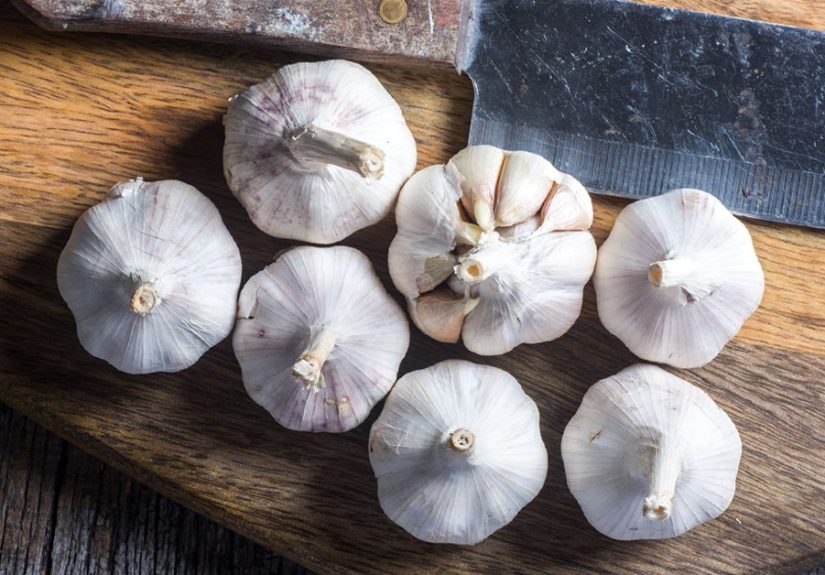
You will see apple cider vinegar, garlic, essential oils, banana peel, toothpaste, and every other pantry item with a social media account suggested as a “natural wart cure.” Some of these may irritate the skin enough to make the wart look different, but that is not the same thing as safely treating it. In fact, strong DIY acids and essential oils can burn the surrounding skin, cause allergic reactions, or delay real treatment.
If you want something with actual evidence, stick to over-the-counter salicylic acid, careful skin prep, duct tape, or a home freezing kit. The internet can be a wonderful place, but it is also where common sense occasionally goes to take a long nap.
When to See a Doctor Instead of Fighting the Wart Alone
Home remedies are fine for many ordinary hand and foot warts, but they are not right for every situation. Make an appointment if:
- the wart is on your face or genitals
- it hurts, bleeds, burns, or itches a lot
- it looks infected, red, swollen, or is draining pus
- you are not sure it is a wart
- you have many warts or they keep spreading
- you have a weakened immune system
- you have diabetes or poor circulation
- you have tried home treatment for weeks and nothing is happening
A dermatologist or primary care clinician can confirm the diagnosis and offer stronger treatment such as prescription medicines, liquid nitrogen, cantharidin, or other procedures. Sometimes the smartest home remedy is knowing when to stop doing home remedies.
What People Commonly Experience While Treating Warts at Home
If you have never treated a wart before, the experience can be a little more dramatic than the bland instructions on a box suggest. Many people start with optimism, a fresh bottle of salicylic acid, and the deeply hopeful energy of someone who believes this will be gone by Thursday. Then reality arrives wearing orthopedic shoes.
The first few days often feel underwhelming. You apply the medicine, stare at the wart like it owes you money, and wonder whether anything is happening at all. Then the skin starts turning white or soft, especially after soaking. That part can look odd, but it is usually the medicine loosening dead skin. A lot of people say this is the moment they realize wart treatment is less “ta-da” and more “slow renovation project.”
With plantar warts, people often notice that the pain changes before the wart does. Pressure may ease a little once they start using cushioning pads or shoes with better support. Others say they do not realize how much the wart has been bothering them until walking feels more normal again. It is not glamorous progress, but it counts.
Duct tape users tend to have a shared experience too: the tape falls off at the least convenient time possible. Shower? Off. Socks? Off. Apparently, warts and adhesives enjoy testing patience together. Still, many people like this method because it feels simple, low-cost, and easy to combine with salicylic acid. The biggest complaint is not pain. It is remembering to keep doing it.
Another common experience is frustration with how long wart treatment takes. People assume that because the wart is small, the fix should be fast. Unfortunately, warts did not get that memo. It can take several weeks or even months of steady treatment to get real clearance, especially on thick skin. The people who do best are usually not the ones with the fanciest product. They are the ones who build treatment into a routine, like brushing their teeth or charging their phone.
There is also the emotional side. A finger wart can make people self-conscious during handshakes, photos, or even casual conversations. Foot warts can make someone dread barefoot settings like pools, gyms, or yoga classes. Kids and adults alike may feel embarrassed even though warts are extremely common. That embarrassment is real, and it is one reason consistent treatment feels so worth it once the wart starts shrinking.
One last thing many people experience: relief when they finally stop experimenting with random internet hacks. Once they switch from vinegar-soaked chaos to a simple, evidence-based plan, treatment usually feels less confusing. Not more magical, just more sensible. And honestly, sensible is underrated.
Final Thoughts
If you want to try home remedies for warts, start with the treatments that have the most support: salicylic acid, soaking, gentle filing, and possibly duct tape or OTC freezing. Add smart self-care habits so you do not spread the virus or wreck the skin around it. Be consistent. Be patient. And maybe be a little suspicious of any “miracle cure” that sounds like it belongs in a salad dressing.
Most importantly, know when to stop the DIY routine and call a professional. A wart is annoying. A misdiagnosed skin problem is a much bigger headache. When in doubt, get it checked.