Table of Contents >> Show >> Hide
- Why Planting Around a Lamppost Is a Little Different
- Start with the Site Before You Buy a Single Plant
- Best Plants for a Sunny Lamppost
- Best Plants for a Part-Shade or Shade Lamppost
- Vines for a Lamppost: Yes, But Choose Carefully
- Great Design Ideas for Around a Lamppost
- Mistakes to Avoid
- How to Make a Lamppost Bed Look Good Year-Round
- Experience and Real-Life Lessons from Planting Around a Lamppost
- Conclusion
- SEO Tags
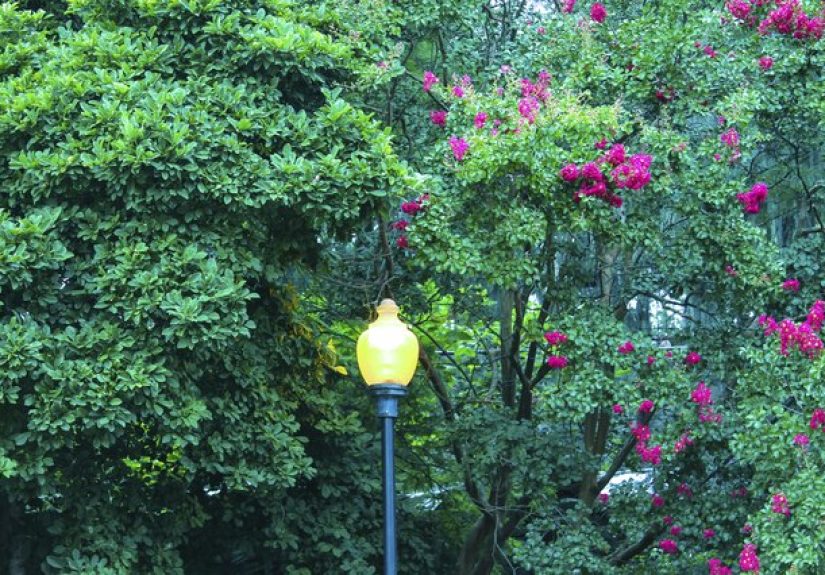
A lamppost is one of those yard features that seems simple until you try to decorate it. By day, it can look like a lonely metal stick poking out of your lawn like it lost a bet. By night, though, it can become a charming focal pointespecially when it is softened with the right plants. The trick is choosing plants that look good, fit the scale of the post, and do not turn your elegant little light into a jungle hostage.
If you are looking for the best plants for around a lamppost, start with this rule: treat the space like a tiny feature garden, not a random flower dump. A lamppost bed usually has limited square footage, a lot of visual exposure, and often more heat and dryness than gardeners expect. That means your plant choices need to be hardworking, attractive, and well-behaved. In other words, you want plants that know how to share the spotlight without tackling the lamppost to the ground.
Below, you will find practical ideas for sunny spots, shady spots, climbing vines, ornamental grasses, native-friendly options, and easy combinations that create a polished look. Whether your style leans cottage garden, tidy and modern, or “I just want it to stop looking sad,” there is a planting plan here that can work.
Why Planting Around a Lamppost Is a Little Different
A lamppost bed is not quite a foundation bed, not quite a container, and not quite a border. It is its own weird little kingdom. The area is usually small and circular, which means every plant matters. There is no room for a diva that flops over the sidewalk, eats the mulch, and starts a turf war with everything nearby.
Many lamppost locations also deal with reflected heat from driveways, sidewalks, or the street. Some are blasted with full sun all afternoon. Others sit under trees and get dry shade, which is gardening’s version of playing on hard mode. A post itself can also create a vertical opportunity for vines, but that only works if the vine is manageable and not so enthusiastic that it swallows the light fixture.
That is why the best lamppost plantings are usually built around four ideas: right plant, right place; layered heights; season-long interest; and easy maintenance. If a plant needs daily pampering and emotional support, it probably does not belong circling a lamp in the front yard.
Start with the Site Before You Buy a Single Plant
Check the Light
Is the lamppost in full sun for six or more hours? Part sun? Bright shade? Deep shade? This matters more than the color of the flowers, no matter how much that hot-pink salvia is calling your name from the garden center. A sunny lamppost can handle drought-tolerant bloomers, herbs, and ornamental grasses. A shadier post will be happier with foliage plants, shade annuals, or moisture-loving perennials.
Look at Drainage and Heat
If the post sits in a raised mound or near pavement, the soil may dry out fast. That makes drought-tolerant plants smart choices. If the area stays damp after rain, choose plants that do not mind more moisture. Also pay attention to winter conditions. Snow piles, road salt, and wind can make front-yard lamppost beds rough neighborhoods.
Think About Mature Size
Small beds demand discipline. That adorable one-gallon shrub may look innocent now, but some plants have long-term ambitions. Around a lamppost, plants between about 6 inches and 36 inches tall usually look best, depending on the height of the pole and the width of the bed. You want the light to stay visible and accessible, not buried in a floral witness protection program.
Decide on a Mood
Do you want a neat, symmetrical ring? A loose cottage look? A pollinator patch with movement and texture? Once you decide on the vibe, choosing plants gets much easier. Without a plan, it is very easy to end up with one marigold, one grass, one mystery petunia, and a level of confusion that should require permits.
Best Plants for a Sunny Lamppost
Sunny lamppost beds are the easiest to make dramatic because so many flowering plants love heat and bright light. The best picks here combine long bloom time, tidy shape, and decent drought tolerance once established.
Low Growers for the Edge
- Creeping phlox – Great for a spring flush of color and a low, spreading habit.
- Sedum – Excellent for hot, dry spots and available in low mat-forming types and upright varieties.
- Dianthus – Compact, neat, and often fragrant, with silver-blue foliage that looks sharp even when not in bloom.
- Blue fescue – A compact ornamental grass that brings texture without taking over.
Mid-Height Bloomers That Earn Their Keep
- Salvia – Long-blooming, pollinator-friendly, and usually happy in full sun.
- Coreopsis – Bright, cheerful, and ideal if you want a classic yellow burst without constant fussing.
- Black-eyed Susan – A reliable summer-to-fall performer with that sunny, “I am thriving” look.
- Purple coneflower – Strong vertical petals, sturdy stems, and excellent pollinator appeal.
- Gaillardia – Also known as blanket flower, this one laughs in the face of heat.
- Lantana – A strong choice in warmer regions, especially where you want nonstop color and heat tolerance.
Texture Plants That Make Everything Look Better
- Prairie dropseed – Fine texture, graceful shape, and a clean, modern feel.
- Little bluestem – Terrific for movement, fall color, and a naturalistic style.
- Compact fountain-like grasses – Use carefully, and choose non-invasive, region-appropriate selections.
If you want a fail-safe formula for a sunny bed, combine one textural grass, two to three flowering perennials, and a low edging plant. That gives you structure, color, and enough visual balance to make the lamppost look intentional instead of accidental.
Best Plants for a Part-Shade or Shade Lamppost
Shade does not have to mean boring. In fact, a shady lamppost can look elegant and layered when you lean into foliage, texture, and a few carefully chosen flowers. The key is not trying to force full-sun plants into a dim corner and hoping for a miracle.
Reliable Shade Perennials
- Hosta – Big leaves, bold texture, and many sizes for small or medium beds.
- Heuchera (coral bells) – Colorful foliage in shades of green, purple, amber, and peach.
- Astilbe – Great for moist, well-drained shade where you want feathery blooms.
- Ferns – Perfect for a softer woodland effect around a post.
- Japanese forest grass – If your climate allows, this adds beautiful flowing texture.
Shade Annuals for Extra Color
- Impatiens – Classic, bright, and dependable in shade.
- Begonias – Versatile, colorful, and useful for beds or containers.
- Coleus – Technically grown for foliage, but the leaf color is often more exciting than flowers anyway.
A simple shade design might use a small ring of hostas or heucheras around the post, with impatiens or begonias tucked between them for color. It is easy, polished, and much less tragic than sun-baked petunias gasping their way through July in a shady bed.
Vines for a Lamppost: Yes, But Choose Carefully
A vine can turn a plain lamppost into a romantic focal point. It can also turn it into a tangled octopus if you pick the wrong one. Choose a vine that is appropriate for the post’s height, your climate, and your tolerance for trimming things on a ladder while questioning your life decisions.
Best Perennial Vine: Clematis
Clematis is one of the best-known choices for mailbox posts and lamppost-like structures. It offers a classic flowering look, comes in many colors, and can be surprisingly elegant in a small bed. Many clematis types prefer their stems and leaves in sun but their roots cool and shaded, so pairing the base with low perennials or mulch is smart. Just make sure the support is sturdy and the variety is not so vigorous that it takes over everything within a five-mile radius.
Good Annual Vines for Seasonal Drama
- Black-eyed Susan vine – Cheerful, fast-growing, and good for a lighter, airy effect.
- Hyacinth bean – Bold foliage and decorative pods; dramatic if you like a little flair.
- Mandevilla or dipladenia – Great in warm climates or as a seasonal container choice.
If you use a vine, keep the planting at the base simple. One vine plus low edging plants is usually enough. This is not the place for a vine, three shrubs, six coneflowers, and an ornamental grass trying to audition for center stage.
Great Design Ideas for Around a Lamppost
1. The Classic Cottage Ring
Use a clematis or seasonal vine at the post, then ring the base with salvia, coreopsis, and creeping phlox. This gives you height, bloom, and softness without looking stiff.
2. The Clean and Modern Look
Plant a compact ornamental grass in repeated clumps, then edge with sedum or low dianthus. The result is neat, architectural, and low maintenance.
3. The Pollinator-Friendly Bed
Choose coneflower, black-eyed Susan, salvia, little bluestem, and a low groundcover. Group plants in small masses instead of one-by-one singles. It looks fuller, supports pollinators better, and avoids the “yard sale of random plants” effect.
4. The Shade Garden Circle
Use hosta, heuchera, and impatiens, with mulch to keep the bed tidy. Add a fern if you want a softer woodland look.
5. The Container Workaround
If the soil around the lamppost is poor or you are not allowed to dig much, use large weatherproof containers around the base. A thriller-filler-spiller combo works beautifully here. For example: a taller grass or mandevilla as the thriller, begonias or coleus as the filler, and trailing sweet potato vine or calibrachoa as the spiller. It is flexible, easy to refresh, and ideal for gardeners who like commitment on the low side.
Mistakes to Avoid
- Planting by color alone. If the plant hates the light level, your design dreams will age badly.
- Ignoring mature size. A small bed can become crowded fast.
- Using thorny plants. Around a front-yard focal point, that is usually more annoying than charming.
- Skipping mulch. Mulch helps conserve moisture, moderate soil temperature, and make the bed look finished.
- Overplanting. Give plants room to mature. Cramming everything together may look full in May and feral by August.
- Choosing aggressive vines. The lamp should glow, not file a missing-person report.
How to Make a Lamppost Bed Look Good Year-Round
The best lamppost plantings do not rely on one brief bloom period. They use a mix of flowers, foliage, and texture so the area still looks intentional when the fireworks are over. Think in seasons.
- Spring: Creeping phlox, bulbs, fresh grass growth, coral bells.
- Summer: Salvia, begonias, coreopsis, coneflower, lantana, coleus.
- Fall: Black-eyed Susan, sedum, little bluestem, seed heads and warm foliage color.
- Winter: Mulch, evergreen structure if suitable, and ornamental grass texture if left standing until late winter.
That is what separates a nice planting from a great one. A nice planting peaks for two weeks. A great one keeps the lamppost from looking abandoned for most of the year.
Experience and Real-Life Lessons from Planting Around a Lamppost
One of the funniest things about planting around a lamppost is how confident people feel at the beginning. It is a tiny bed, right? How hard could it be? Then summer shows up, the sunny side bakes, the shady side sulks, the vine gets ambitious, and suddenly this little circle of dirt has become the most dramatic area in the front yard.
A common experience is starting with too many plants because the bed looks bare on planting day. That is the oldest landscaping trick in the book: tiny plants make gardeners impatient. You tuck in six perennials, four annuals, a grass, and maybe one vine because everything still seems small and manageable. Fast-forward eight weeks, and you are outside with pruners negotiating peace treaties. Around a lamppost, restraint usually wins. Fewer plants, repeated thoughtfully, almost always look better than a crowded mix of “good ideas” all trying to happen at once.
Another real-world lesson is that lamppost beds reveal whether you truly matched the plant to the place. Sunny spots forgive a lot if you pick tough plants like salvia, sedum, lantana, coreopsis, or grasses. Shade beds are less forgiving if you keep pretending petunias will magically become woodland creatures. Gardeners often discover that foliage carries more style than they expected. A ring of heuchera or hosta with one seasonal accent can look far more expensive and polished than a chaotic pile of flowers.
There is also the practical issue of maintenance. A lamppost is a focal point, so even a little neglect is visible. Spent flowers, flopped stems, and weeds around a post in the front yard do not blend into the background. They stand there under the porch light, exposing your crimes. The most successful plantings are the ones that still look decent after a busy week, a hot spell, or one forgotten watering. That is why gardeners with the best-looking lamppost beds often choose dependable plants instead of chasing novelty every season.
Vines create some of the most memorable experiences. When a clematis works, it looks storybook-beautiful. When a vine is too vigorous, it can become a full-time side quest. Many gardeners learn to keep the base simple, mulch generously, and make sure the light fixture stays accessible. No one wants to disassemble half the planting just to replace a bulb. That sounds less like gardening and more like a home-improvement prank show.
Finally, there is the emotional payoff. A well-planted lamppost does more than decorate a post. It marks an entrance, makes the front yard feel loved, and gives the eye a place to land. It can tie together a walkway, driveway, porch, and lawn with one small feature that quietly says, “Yes, someone here pays attention.” And that is probably the best lesson of all: a lamppost bed does not need to be huge to make a big impression. It just needs the right plants, a little editing, and a gardener willing to admit that the first draft might have been too many marigolds.
Conclusion
The best plants for around a lamppost depend on your light, soil, climate, and stylebut the winning formula is always similar. Choose plants with the right mature size, layer them for balance, include texture as well as flowers, and favor reliable performers over high-maintenance prima donnas. In sunny spots, think salvia, sedum, coneflower, coreopsis, and ornamental grasses. In shade, lean on hosta, heuchera, ferns, begonias, and impatiens. If you want vertical drama, a well-chosen clematis or seasonal vine can transform a plain post into a garden feature.
Most of all, remember that a lamppost bed is small enough to be manageable and visible enough to matter. Done well, it can make your front yard feel more welcoming during the day and more charming at night. That is a lot of power for one patch of dirt and one pole. Respect the assignment.